Healing Frequencies: Sound Therapy for Premature Babies in NICU

Key Insights
Explore the profound science behind sound therapy for premature babies in the NICU. Discover how gentle frequencies support development, reduce stress, and foster connection. Learn from Soul Art's Larissa Steinbach how these principles extend to adult well-being.
The Gentle Resonance: How Sound Therapy Transforms Care for Premature Babies
Imagine a world where the quiet hum of a lullaby could accelerate healing, calm a fragile nervous system, and foster a deeper bond. This isn't a scene from a science fiction novel, but a reality unfolding in neonatal intensive care units (NICUs) around the globe. Sound therapy, an often-overlooked yet profoundly impactful intervention, is emerging as a beacon of hope for our most vulnerable citizens: premature babies.
The journey of a premature infant is fraught with unique challenges, far removed from the protective sanctuary of the womb. In this critical period, every sensory input, or lack thereof, can significantly influence developmental trajectories. This article delves into the remarkable science behind sound therapy for premature babies, exploring its benefits from physiological stability to enhanced parent-infant bonding.
We will uncover how targeted auditory stimulation offers a complementary approach to traditional medical care, supporting holistic wellness for infants and their families. At Soul Art, we believe in the transformative power of sound for well-being, a philosophy deeply rooted in the fundamental ways sound influences human development and healing, even from the earliest stages of life.
The Science Explained: How Sound Shapes Delicate Development
The environment of a NICU, though medically essential, can be a stark contrast to the natural auditory landscape of the womb. The constant beeps of machines, alarm sounds, and general hospital noise can be overwhelming for a developing brain. Sound therapy interventions aim to mitigate these stressors and introduce beneficial auditory stimuli that support crucial developmental milestones.
Neurological and Physiological Regulation
Research consistently highlights sound therapy's ability to positively influence vital physiological markers in premature infants. Studies have shown significant reductions in heart rate during and after music or vocal interventions, indicating a calming effect on the autonomic nervous system. This suggests that carefully introduced sound can help regulate the delicate balance of stress responses in these fragile infants.
The ability to maintain stable heart rates and improve oxygen saturation is crucial for conserving energy that can then be directed towards growth and development. One study, for example, observed that agitated infants exposed to music showed statistically significantly improved oxygen saturation and heart rate, returning to a more relaxed, drowsy state. This physiological stability is paramount for overall well-being and reducing the burden on an underdeveloped system.
Sensory Integration and Stimulation Tolerance
The brain of a premature baby is highly susceptible to sensory overload. The unpredictable and often harsh auditory environment of the NICU can hinder the development of appropriate sensory processing skills. Music therapy may support babies in building a better stimulation tolerance for noise, helping them to de-stress and effectively block out disruptive background sounds.
By introducing controlled, gentle sounds, such as recorded vocal music, womb sounds, or live rhythm, premature infants can learn to filter out the cacophony of the medical environment. This improved tolerance allows them to engage more effectively with beneficial stimuli, contributing to healthier neurological pathways. The provision of carefully chosen sound provides a predictable and soothing auditory experience, crucial for early sensory learning.
Improved Feeding and Weight Gain
One of the most compelling findings in sound therapy research for premature infants relates to feeding behavior and subsequent weight gain. Studies have indicated that preemies who received regular, recorded vocal music sessions were able to consume more nutrients than those who only received routine auditory stimulation. This increase in feeding directly translated to an improvement in the baby’s average daily weight.
This enhanced feeding ability is theorized to stem from the calming effect of the music, which reduces stress and allows the infant to dedicate more energy to the complex task of sucking, swallowing, and breathing. The rhythmic and predictable nature of music may also help organize the infant's physiological state, making feeding a less strenuous and more successful activity.
Cognitive Abilities and Neurodevelopmental Outcomes
While still an emerging field, preliminary studies suggest that early postnatal auditory stimulation can have profound impacts on neurodevelopmental outcomes. Exposure to biological maternal sounds, for instance, has been associated with improved cardiorespiratory regulation. The subtle vibrations and waveforms unique to musical instruments and the maternal voice can replicate fetal exposure to maternal stimuli, a critical aspect of early development.
A systematic review demonstrated that maternal voice interventions, including parent-led, infant-directed singing, led to increased stability in preterm infants. These early interventions may contribute to the structural maturation of emotional processing neural pathways, highlighting the potential for sound to shape the very architecture of the developing brain. Supporting these early connections can have long-term benefits for a child's cognitive and emotional development.
"The symphony of gentle sound, when offered with intention, can re-weave the delicate tapestry of a premature infant's development, bridging the gap between clinical necessity and the innate need for soothing resonance."
How It Works in Practice: Bringing Harmony to the NICU
The application of sound therapy in the NICU is a nuanced and highly individualized process, often guided by certified music therapists. These professionals, equipped with advanced degrees and extensive training, utilize a variety of techniques and instruments specifically adapted for the delicate environment of the neonatal unit. Their presence brings a specialized form of care that extends beyond medical intervention.
A key aspect involves parent-led interventions, where parents are encouraged to sing to their babies. This simple, yet powerful act provides invaluable bonding time, opportunities for skin-to-skin contact, and helps regulate the baby’s breathing and heart rate. The familiar sound of a parent's voice, often a lullaby crafted with personal meaning, can be profoundly soothing, alleviating stress for both infant and caregiver.
Specialized instruments are also employed. Devices like the Gato Box and Ocean Disc, designed by renowned drum maker Remo Belli, mimic the rhythmic sounds of a baby's heart rate and the gentle whoosh of amniotic fluid from the womb. These sounds are carefully calibrated to a low decibel level, ensuring they are therapeutic without being overstimulating. The aim is to recreate a sense of the familiar, comforting uterine environment.
Music therapists meticulously observe the baby’s cues, ensuring that the intervention provides beneficial sensory input without causing overstimulation. This delicate balance is crucial, as too much input can be detrimental. The goal is to create a peaceful auditory landscape that supports the infant's ability to de-stress, organize their responses, and conserve vital energy for growth.
The effect of this therapeutic sound extends to parents as well. The stress of having a child in the NICU can be overwhelming, but music intervention has been shown to create bonding time that builds physical attachment and results in positive involvement. Parents often report that engaging in music therapy, whether through singing or listening, decreases their own stress, improves sleep quality, and strengthens their connection with their baby.
The Soul Art Approach: Resonance Beyond the NICU
While sound therapy in the NICU focuses on the very beginnings of life, the fundamental principles of how sound influences our physiological and psychological states resonate throughout all stages of human development. At Soul Art, founded by Larissa Steinbach, we harness this profound power of sound to support holistic well-being for adults in Dubai's premier sound wellness studio. The meticulous approach to creating a nurturing sound environment for premature infants serves as an inspiring blueprint for our work.
Larissa Steinbach's vision for Soul Art is deeply rooted in the understanding that curated sound can profoundly impact the nervous system, reduce stress, and foster a sense of deep inner peace. Just as a NICU music therapist carefully selects sounds to calm a fragile infant, Larissa crafts immersive sound journeys designed to guide adult participants into states of profound relaxation and energetic alignment. The studio environment is intentionally designed to be a sanctuary, offering a stark contrast to the often overstimulating pace of modern life.
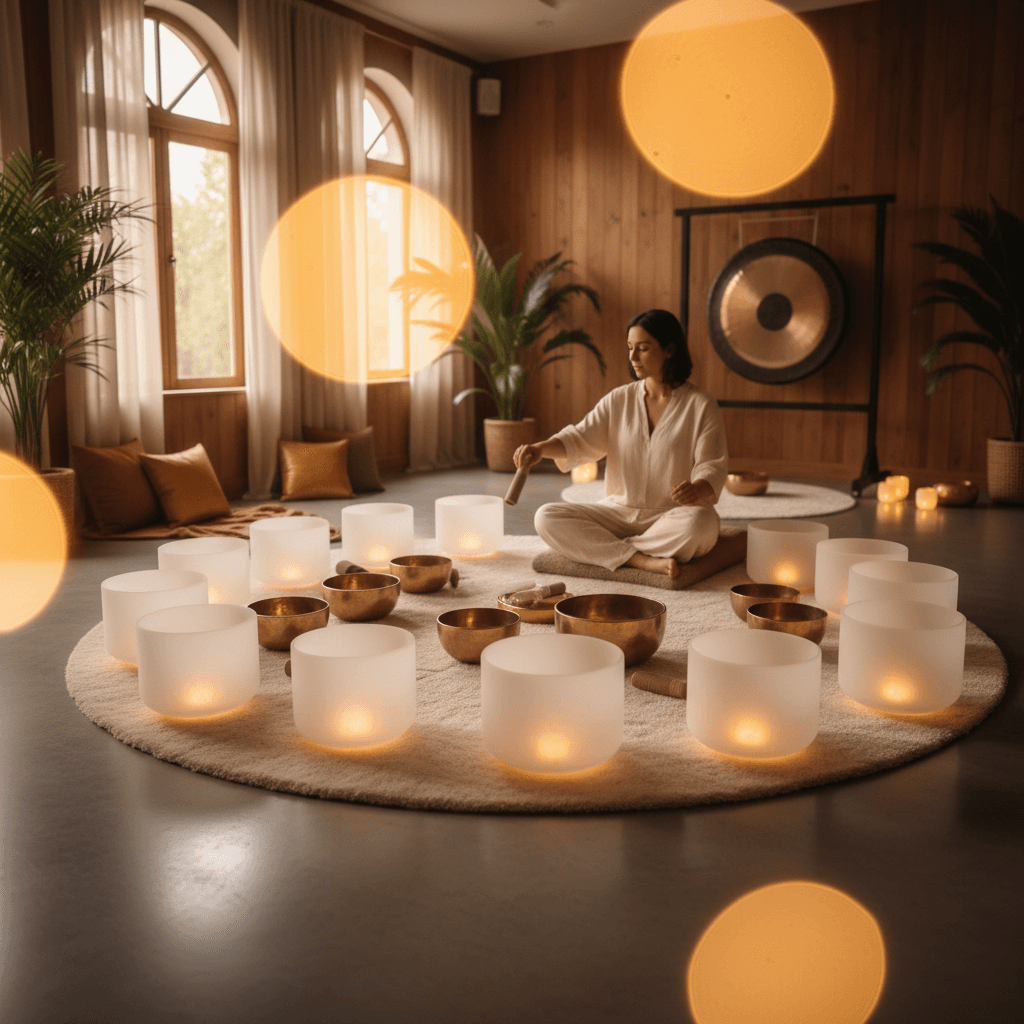
Our unique method at Soul Art draws inspiration from the body's innate response to harmonious frequencies. We utilize a range of instruments, including Himalayan singing bowls, crystal bowls, gongs, and chimes, each chosen for its specific vibrational qualities. These instruments produce resonant tones and gentle vibrations that encourage the brain to shift into more relaxed wave states, akin to the alpha and theta states associated with meditation and deep rest.
Larissa Steinbach and her team focus on creating a consistent, soothing auditory experience, much like the rhythmic sounds that aid in the development of premature babies. This consistent input helps to regulate the nervous system, alleviate stress, and improve overall stimulation tolerance in adults. Soul Art sessions are designed as a complementary approach to self-care, providing a space where individuals can gently reset and restore their internal balance.
At Soul Art, we believe that everyone deserves to experience the profound benefits of intentional sound. Our practice is a wellness journey, not a medical treatment. It is about creating a sanctuary where the ancient wisdom of sound meets contemporary well-being, allowing individuals to tap into their innate capacity for self-regulation and healing, echoing the foundational benefits observed even in the earliest, most delicate moments of life.
Your Next Steps: Integrating Sound into Your Wellness Journey
The compelling evidence from NICU sound therapy beautifully illustrates the profound impact of sound on human well-being. You don't need to be in a NICU to experience the benefits of incorporating intentional sound into your daily life. Here are some practical steps you can take today to harness the power of sound for your own wellness:
- Curate Your Auditory Environment: Be mindful of the sounds around you. Replace harsh noises with gentle, soothing alternatives. Consider ambient soundscapes, nature sounds, or instrumental music for focus and relaxation.
- Embrace Mindful Listening: Take a few moments each day to truly listen—to a piece of music, the sounds of nature, or even the subtle hum of your surroundings. This practice can ground you and bring you into the present moment.
- Explore Vocalization: Just as parental singing benefits infants, your own voice can be a powerful tool for self-soothing. Hum, chant, or sing quietly to yourself. The vibrations can be incredibly calming for the nervous system.
- Integrate Sound for Stress Management: If you feel overwhelmed, try listening to binaural beats, calming classical music, or guided meditations that incorporate sound. These can be excellent tools to help de-stress and refocus.
- Experience a Sound Journey: For a deeper dive into sound wellness, consider joining a guided sound bath or sound meditation session. The immersive experience can offer profound relaxation and nervous system reset.
At Soul Art, we invite you to explore the transformative potential of sound. Our sessions are designed to guide you into deep states of relaxation, supporting your nervous system and enhancing your overall well-being. Discover how gentle frequencies can bring harmony back into your life.
In Summary
The journey of sound therapy for premature babies in the NICU offers a remarkable testament to the profound, healing power of carefully curated auditory experiences. From regulating vital signs and enhancing feeding to fostering crucial parent-infant bonds and supporting neurological development, sound provides a gentle yet powerful complementary approach. These profound effects underscore the universal human need for soothing resonance and a harmonious environment.
At Soul Art, Larissa Steinbach and her team extend these foundational principles to adults, offering a sanctuary where intentional sound journeys support deep relaxation, stress reduction, and holistic well-being. We invite you to experience the transformative power of sound and rediscover your inner calm.
Bookings Coming Soon
Soul Art is still in preparation. Session details and booking will be published here after launch.
Coming Soon
Wellness Disclaimer: This article is for educational and informational purposes only. It does not constitute medical advice, diagnosis, or treatment. Soul Art Dubai provides non-medical wellness experiences focused on relaxation, stress management, and general wellbeing. Sound wellness is a complementary practice and should not replace professional medical care.