Nervous System Reset for High-Pressure Men: A Scientific Guide
Key Insights
Discover science-backed strategies to calm the nervous system for high-pressure men. Learn how Soul Art helps restore balance and enhance resilience.
High-pressure men often ignore the subtle cues of an overtaxed nervous system, equating resilience with relentless push. Yet, beneath the surface, a silent battle is waged, impacting everything from focus to cardiovascular health. Did you know that persistent stress doesn't just make you feel tired; it can actually rewire your brain and body, leading to a state of chronic "fight-or-flight"?
This comprehensive guide delves into the cutting-edge science behind nervous system regulation, specifically tailored for men navigating demanding professional and personal lives. We will explore how understanding your internal "stress switch" can unlock profound improvements in well-being, focus, and overall health. From the intricate dance of sympathetic and parasympathetic systems to the measurable insights of Heart Rate Variability, we’ll uncover evidence-based tools to help you reclaim your calm.
Join us as we demystify the nervous system reset, translating complex neuroscience into practical strategies you can integrate into your daily routine. At Soul Art, founded by Larissa Steinbach, we believe in empowering you with the knowledge and experiences to thrive, not just survive, in the heart of Dubai's vibrant energy.
The Science Behind Nervous System Resilience
The Sympathetic vs. Parasympathetic Systems: Your Internal Regulators
Our nervous system is a sophisticated command center, tirelessly managing every bodily function, often without our conscious awareness. At its core are two vital branches of the autonomic nervous system: the sympathetic and parasympathetic systems. The sympathetic nervous system is our innate "fight-or-flight" response, instantly activated during perceived danger, pressure, or urgency. It's designed for survival, providing a rapid surge of energy and heightened alertness.
Conversely, the parasympathetic nervous system is our "rest and digest" mode, responsible for recovery, relaxation, and restoration. A truly healthy nervous system doesn't remain stuck in one mode; it moves fluidly and adaptably between these two states, responding appropriately to environmental demands. However, the relentless pace of modern life, especially for high-pressure men, can lead to chronic stress, leaving the nervous system perpetually locked on the sympathetic side. This imbalance depletes resources and compromises overall well-being.
The Brain-Body Connection and Hypertension: A Neurogenic Perspective
Emerging research illuminates a profound link between nervous system overactivity and common health concerns like high blood pressure, or hypertension. While traditional understanding points to diet and fitness, studies published in journals like Circulation Research reveal a significant "neurogenic" component. This suggests that many cases of high blood pressure are generated by an overactive sympathetic nervous system, rather than solely by vascular or hormonal factors.
Researchers at institutions like the University of São Paulo and the University of Auckland have identified specific brain regions, such as the pFL (parafacial nucleus), whose activation can trigger circuits that elevate blood pressure in animal models. Conversely, inactivating this region can normalize blood pressure in hypertensive subjects. Similarly, the hypothalamus, a key brain area controlling the sympathetic nervous system, can become overactive. Studies at MD Anderson Cancer Center, for instance, highlight how a protein called RCAN1 can interfere with calcineurin, a protein that normally calms specific brain signals, leading to this overactivity and subsequently, high blood pressure. This neurogenic pathway explains why traditional medications may fail for an estimated 40 to 50 percent of patients. The stress hormones released during "fight-or-flight" responses cause the heart to beat faster and constrict blood vessels, temporarily raising blood pressure to prepare the body for action.
Heart Rate Variability (HRV): Your Inner Barometer for Resilience
How can you objectively measure the health of your nervous system? Heart Rate Variability (HRV) is one of the best non-invasive proxies available. HRV measures the variation in time between consecutive heartbeats, reflecting the nervous system's ability to adapt and respond to different stimuli. A higher HRV generally signifies greater adaptability, improved recovery capacity, and a more balanced autonomic nervous system.
Wearable devices, such as the Oura ring, have made tracking HRV accessible, allowing individuals to monitor their nervous system function over time. This data provides valuable insights, indicating whether specific interventions and wellness practices are effectively supporting your body’s resilience and ability to return to a state of calm. A consistent low HRV can signal chronic stress and sympathetic dominance, prompting a deeper look into wellness strategies.
The Vagus Nerve: Your Internal Regulator for Calm
Central to nervous system regulation is the vagus nerve, the longest cranial nerve, extending from the brainstem to the abdomen. It plays a critical role in controlling the parasympathetic nervous system, influencing heart rate, digestion, and mood. Activating the vagus nerve is a powerful way to shift your body into "rest and digest" mode.
Research strongly supports methods like vagal nerve stimulation devices and resonance breathing for enhancing vagal tone. These practices have been shown to improve HRV, reduce anxiety, and promote better sleep, offering a direct pathway to a nervous system reset. When used together, preliminary studies suggest these tools can produce synergistic benefits, amplifying their calming effects.
Practical Pathways to a Calm Mind and Body
Understanding the science is the first step; applying it is where true transformation begins. For high-pressure men seeking tangible relief from chronic stress, integrating specific, evidence-based practices into daily life can create meaningful shifts. These techniques are not about adding more tasks, but about strategically creating space for physiological recovery.
Breathwork: Your Immediate Anchor for Calm
One of the most immediate and profound tools for a nervous system reset lies in conscious breathing. Slow, controlled breathing techniques directly influence the autonomic nervous system, promoting a shift from sympathetic arousal to parasympathetic calm. A clinical study demonstrated that just 30 minutes of deep breathing significantly reduced systolic blood pressure by nearly 6 mmHg and improved arterial stiffness.
The 4-4-8 method is a simple yet effective practice: inhale for four seconds, hold for four seconds, and exhale for eight seconds. Performing this for just a few minutes can activate your body’s relaxation response, offering a quick system break. The rhythmic expansion of the diaphragm and the extended exhale are key to signaling safety to your nervous system.
Mindful Movement, Meditation, and Nature's Embrace
Beyond breath, holistic practices like mindful movement and time in nature offer powerful avenues for nervous system regulation. You don’t need strenuous exercise; even a gentle walk outdoors can significantly calm your nervous system and ease vascular strain. The fresh air and natural surroundings provide a sensory reset, reducing mental chatter and promoting peace.
Mindfulness meditation, though sometimes underestimated, is one of the fastest ways to shift out of stress mode. A single hour of mindfulness meditation has been shown to significantly reduce the heart’s pressure load, easing strain on the cardiovascular system. Even brief, daily sessions of 15 to 30 minutes, without screens, dedicated to stretching, journaling, or simply sitting quietly, help the body reset and support blood pressure regulation.
Gentle yoga or stretching further supports this process. You don’t need to be flexible to see results; a few minutes of light stretching can lower muscle tension and support better blood flow. Yoga-based movement, especially for men over 40, has been shown to improve systolic and diastolic blood pressure and reduce arterial stiffness.
The Surprising Nuance of Sodium Intake
While often associated with health warnings, some research suggests a surprising nuance regarding sodium intake and nervous system activity. For certain individuals, extremely low sodium intake may inadvertently increase sympathetic nervous system activity. Dr. Michael Ruscio, DC, notes that when sodium intake is too low for the body’s needs, the body may compensate by increasing stress signaling to maintain blood pressure and circulation. This insight underscores the importance of a balanced approach to nutrition, where individual needs are carefully considered.
"The goal isn’t to clear your mind, it’s to give your system a break. Even short breaks can make a difference."
Soul Art: Curating Your Nervous System Reset
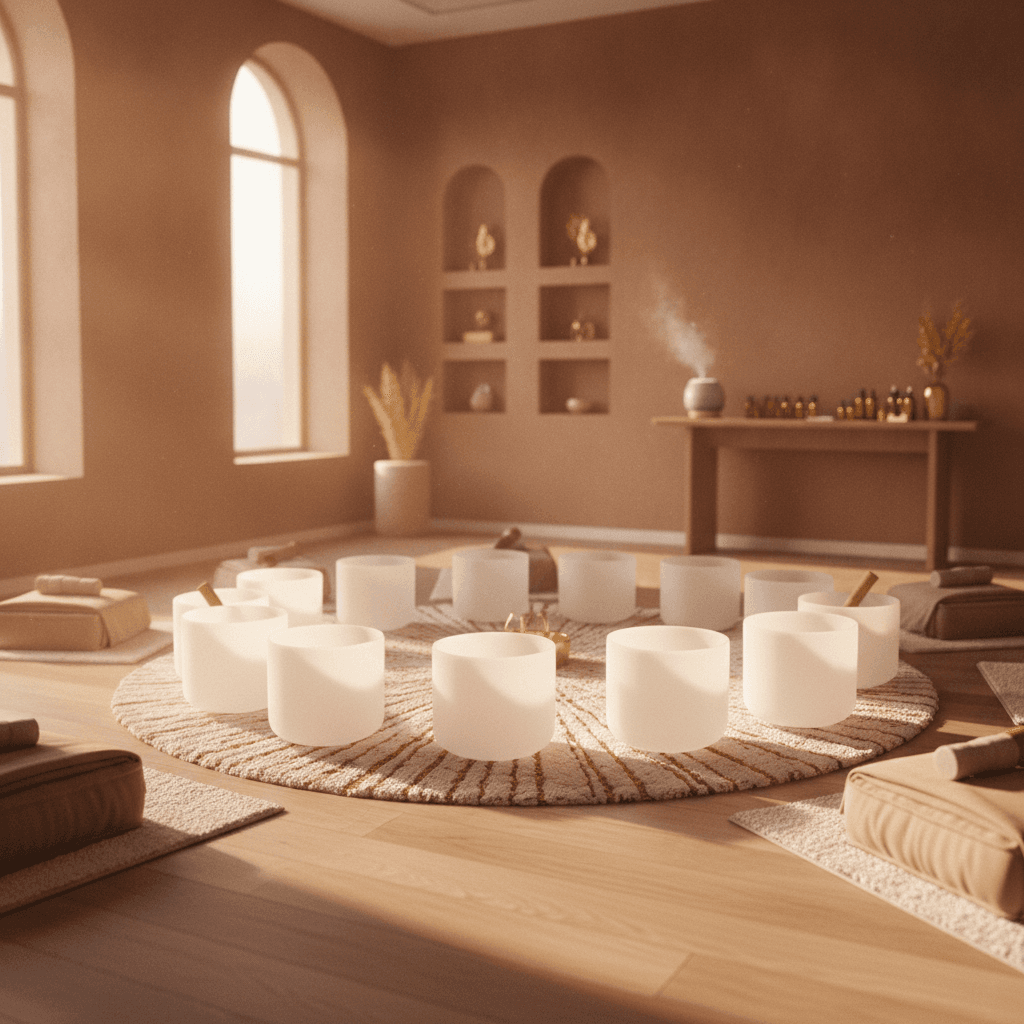
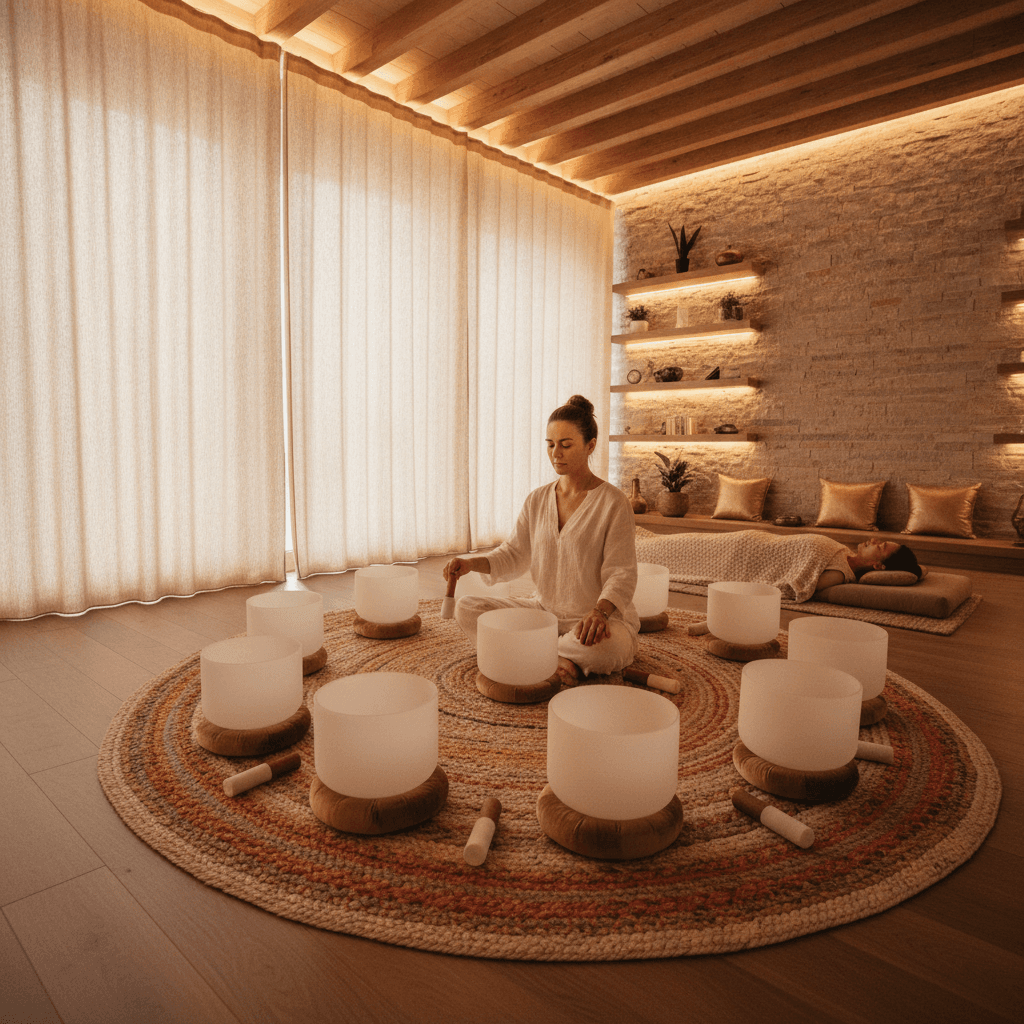
At Soul Art, Dubai's premier sound wellness studio, we translate these profound scientific insights into deeply immersive and transformative experiences. Founded by the visionary Larissa Steinbach, Soul Art offers a sanctuary where high-pressure men can truly disengage from the relentless demands of their environment and allow their nervous system to recalibrate. Our unique approach is designed to gently guide your body from sympathetic overdrive into a state of deep parasympathetic activation.
Larissa Steinbach meticulously curates each session, employing a harmonious blend of ancient wisdom and modern understanding of neuroscience. The studio is an oasis of calm, where every detail, from the ambient lighting to the exquisite acoustics, is crafted to facilitate a profound reset. Clients are enveloped in a tapestry of therapeutic sound frequencies, generated by instruments such as Himalayan singing bowls, crystal gongs, and precisely tuned chimes. These resonant vibrations have a direct impact on brainwave activity and the vagus nerve.
The soundscapes at Soul Art are more than just pleasant melodies; they are carefully constructed energetic fields designed to stimulate the vagus nerve, enhance HRV, and promote the natural production of calming neurochemicals. Combined with guided meditation and sophisticated resonance breathing techniques, often subtly cued by the rhythmic sound, our sessions offer a powerful, multi-sensory pathway to stress reduction. This tailored environment allows the body to release accumulated tension, quiet the incessant mental chatter, and restore its innate ability to find balance. Soul Art provides a dedicated space for self-care and holistic wellness, offering a complementary approach to managing the unique stressors faced by high-pressure individuals.
Empowering Your Wellness Journey: Immediate Steps
Embarking on a nervous system reset is a journey of self-discovery and conscious care. While the scientific principles may seem complex, the initial steps toward rebalancing your system can be remarkably simple and deeply impactful. Integrating these practices into your daily life can build resilience and cultivate a lasting sense of calm.
Here are actionable steps you can implement today:
- Practice the 4-4-8 Breathing Method: Dedicate five minutes, twice daily, to this simple breathing exercise. It's a powerful way to signal safety to your nervous system.
- Incorporate Screen-Free Quiet Time: Schedule at least 15-30 minutes daily for reflection, gentle stretching, or simply sitting quietly, away from digital distractions. This creates vital space for recovery.
- Embrace Nature's Therapy: Even a short walk in a park or a few minutes spent observing nature can significantly reduce stress hormones and promote mental clarity.
- Prioritize Quality Sleep: Ensure your sleep environment supports deep, restorative rest, as sleep is foundational for nervous system repair and rebalancing.
- Consider Your Nutritional Balance: While not medical advice, be mindful of your overall nutrition and hydration. For specific concerns about sodium or other dietary elements, consult with a qualified health professional.
For a more profound and guided experience, consider visiting Soul Art. Larissa Steinbach and her team offer an unparalleled opportunity to explore deep relaxation and nervous system recalibration through sound wellness.
In Summary: Reclaiming Your Inner Calm
The relentless pace of modern life often traps high-pressure men in a state of chronic sympathetic activation, impacting everything from blood pressure to mental clarity. However, understanding the intricate dance of our nervous system reveals powerful, evidence-based pathways to regain balance. Tools like targeted breathwork, mindful movement, meditation, and even a nuanced approach to nutrition have been shown to support the shift towards parasympathetic dominance, enhancing Heart Rate Variability and overall resilience.
Embracing these wellness practices allows you to proactively reset your nervous system, fostering greater adaptability and a deeper sense of well-being. At Soul Art, Larissa Steinbach expertly guides you through transformative sound wellness experiences designed to cultivate profound calm and internal harmony. Take the step towards a more balanced, resilient you – your nervous system will thank you.
Bookings Coming Soon
Soul Art is still in preparation. Session details and booking will be published here after launch.
Coming Soon
Wellness Disclaimer: This article is for educational and informational purposes only. It does not constitute medical advice, diagnosis, or treatment. Soul Art Dubai provides non-medical wellness experiences focused on relaxation, stress management, and general wellbeing. Sound wellness is a complementary practice and should not replace professional medical care.
Related Articles

Nurturing Resilience: Gentle Sound Support for Men's Fertility Stress
Men's Anger, Overload & Gentle Downshifting for Inner Calm
Men's Hormonal Wellbeing: Sound Practices for Stress Awareness