Multiple Sclerosis & Sound: A Complementary Path to Well-being
Key Insights
Explore how sound wellness, leveraging neuroplasticity and emotional regulation, offers a complementary approach for managing MS symptoms at Soul Art Dubai.
Multiple Sclerosis: Sound for Symptom Management
Imagine a profound sense of calm washing over you, a deep relaxation that eases tension and quietens the mind. For many living with Multiple Sclerosis (MS), such moments can feel fleeting amidst the challenges of a complex neurological condition. While conventional medical treatments are foundational, there's a growing exploration into complementary practices that support overall well-being.
Could the ancient wisdom of sound, amplified by modern scientific understanding, offer a significant pathway to enhanced quality of life for individuals with MS? At Soul Art Dubai, founded by the visionary Larissa Steinbach, we delve into this very question. This article explores the scientific underpinnings of how sound wellness may support symptom management, emotional balance, and physical comfort for those navigating MS, offering practical insights and a glimpse into the unique Soul Art experience.
The Neuroscience of Sound: How Frequencies Interact with the Body
The human body and mind are remarkably responsive to sound, an interaction deeply rooted in our biology. Scientific research increasingly illuminates how specific frequencies and rhythmic patterns can influence neural pathways, emotional states, and even physiological processes. For individuals with MS, understanding these mechanisms provides a compelling rationale for integrating sound wellness into a holistic care approach.
Neuroplasticity and Neural Networks
One of the most exciting areas of scientific research connecting music and sound to neurological conditions like MS is neuroplasticity. This refers to the brain's extraordinary capacity to adapt, reorganize, and form new neural connections throughout life. In the context of MS, where neurological function can be impacted, supporting the brain's ability to "rewire" itself is of paramount importance.
Music-based interventions have been associated with improvements in cognitive domains such as attention, memory, concentration, and learning. This is partly due to affective vocalizations and musical structures that modulate attention through the activation of prefrontal-limbic networks. By engaging these networks, sound experiences may stimulate the brain's inherent capacity for strengthening and restructuring its neural architecture, fostering greater resilience.
The Autonomic Nervous System and Emotional Regulation
The impact of sound extends deeply into our emotional and physiological states, primarily through its influence on the autonomic nervous system (ANS). The ANS controls involuntary bodily functions, including heart rate, digestion, and stress response. Sound, particularly calming and harmonious frequencies, has been shown to activate the parasympathetic nervous system.
This activation contrasts with the "fight or flight" response of the sympathetic system, promoting a state of relaxation and restoration. Physiologically, this phenomenon relates to the modulation of neurohormonal circuits, including the activation of the mesolimbic dopaminergic system (encompassing the nucleus accumbens, hippocampus, and amygdala). Such activation is linked to reward, motivation, and emotional processing, potentially promoting cytokine secretion and favorable changes in catecholamine levels, both of which are crucial for stress reduction and overall mental health conditions.
Emotional ups and downs, including feelings of anxiety and depression, are common challenges for individuals with MS. Preliminary studies suggest that music and sound can provide a powerful outlet for emotional expression and can help in coping with past or present feelings. Engaging with sound, whether listening or actively participating, activates brain regions involved in processing social signals, language, and emotions, which may foster a sense of connection and emotional balance.
Rhythmic Auditory Stimulation for Physical Support
Beyond cognitive and emotional benefits, rhythmic auditory stimulation (RAS) has shown promising indications for supporting physical symptoms often associated with MS. Gait deficits, balance, and coordination impairments are common concerns that significantly impact daily functioning. Research has explored the utility of rhythm-based interventions to address these challenges.
A study by Conklyn et al. (2010) tested a four-week home-based walking program incorporating RAS among ten MS patients. The findings revealed a significant improvement in gait parameters, specifically doubled support time and walking speed, after just two weeks of treatments. This suggests that precise rhythmic cues can help synchronize movement patterns, potentially improving motor control and stability.
Further research by Seebacher et al. investigated music-cued and verbally cued motor imagery techniques. They observed improvements relating to fatigue perception and overall quality of life. This demonstrates that rhythmic input can play a role in reducing fatigue perception and enhancing physical capabilities, underscoring the potential for sound to serve as a complementary approach for managing physical symptoms of MS. While more extensive studies are needed to solidify these findings, the current evidence is promising for supporting improved mobility and reduced fatigue.
Translating Science to Sensory Experience: What Sound Wellness Offers
Understanding the science behind sound's influence on the body is one thing; experiencing it is another. At Soul Art, we bridge this gap by creating immersive sound wellness experiences that translate these scientific principles into tangible benefits. The transition from theoretical knowledge to a felt reality is central to our practice, offering a profound journey into relaxation and self-discovery.
The Immersive Environment
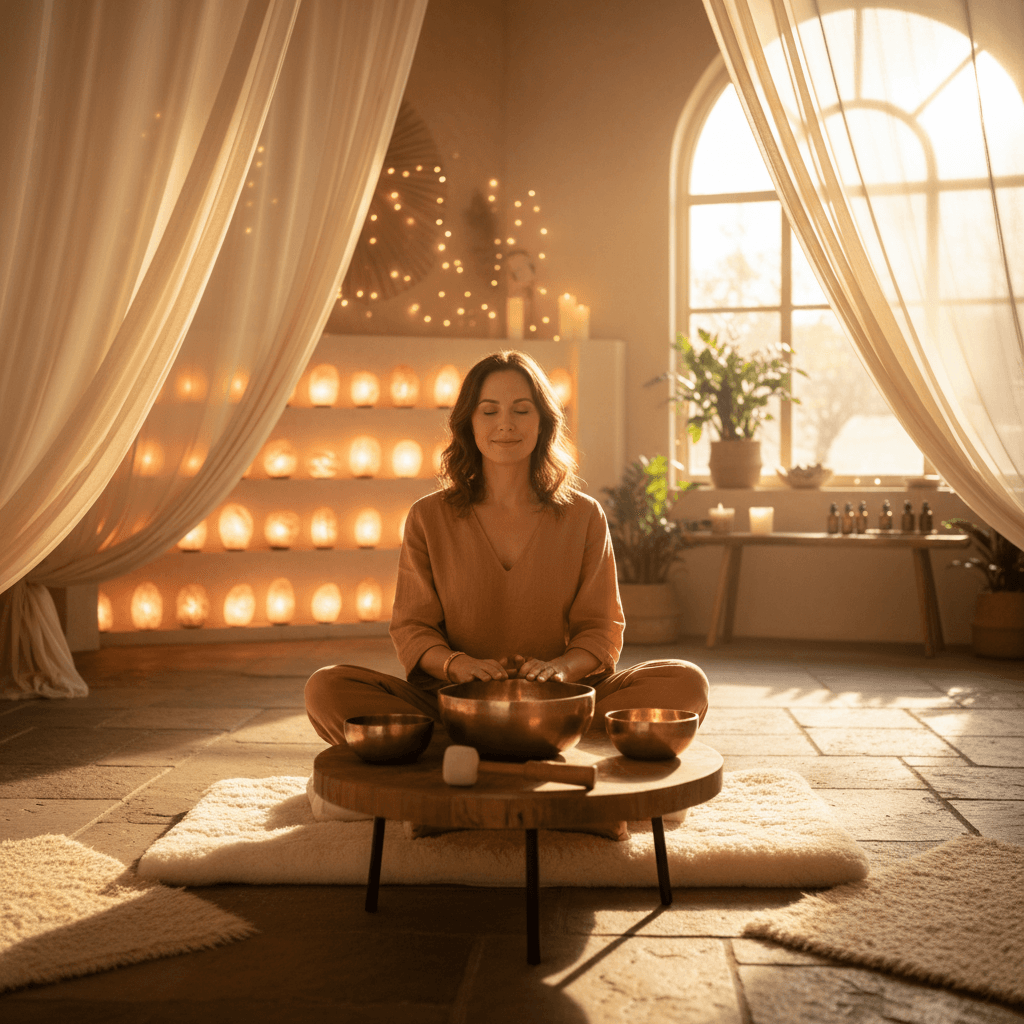
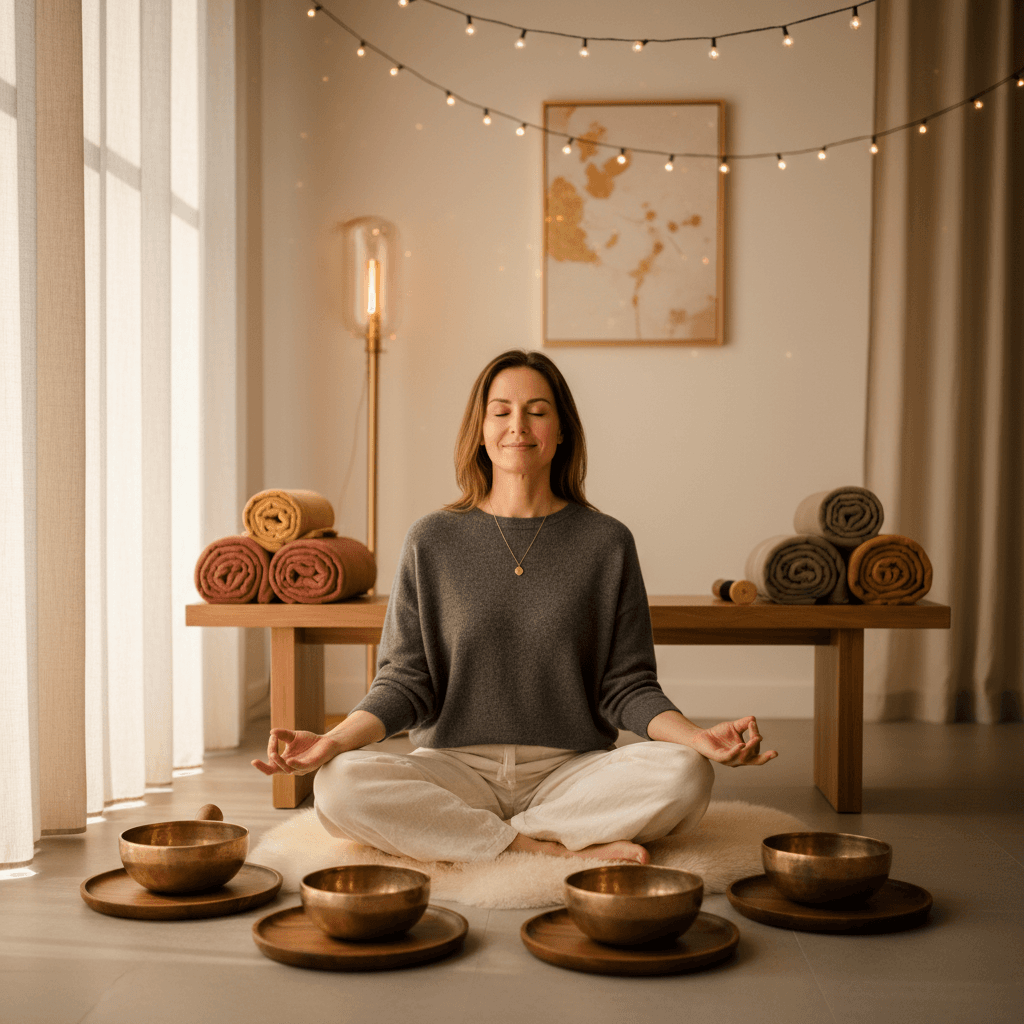
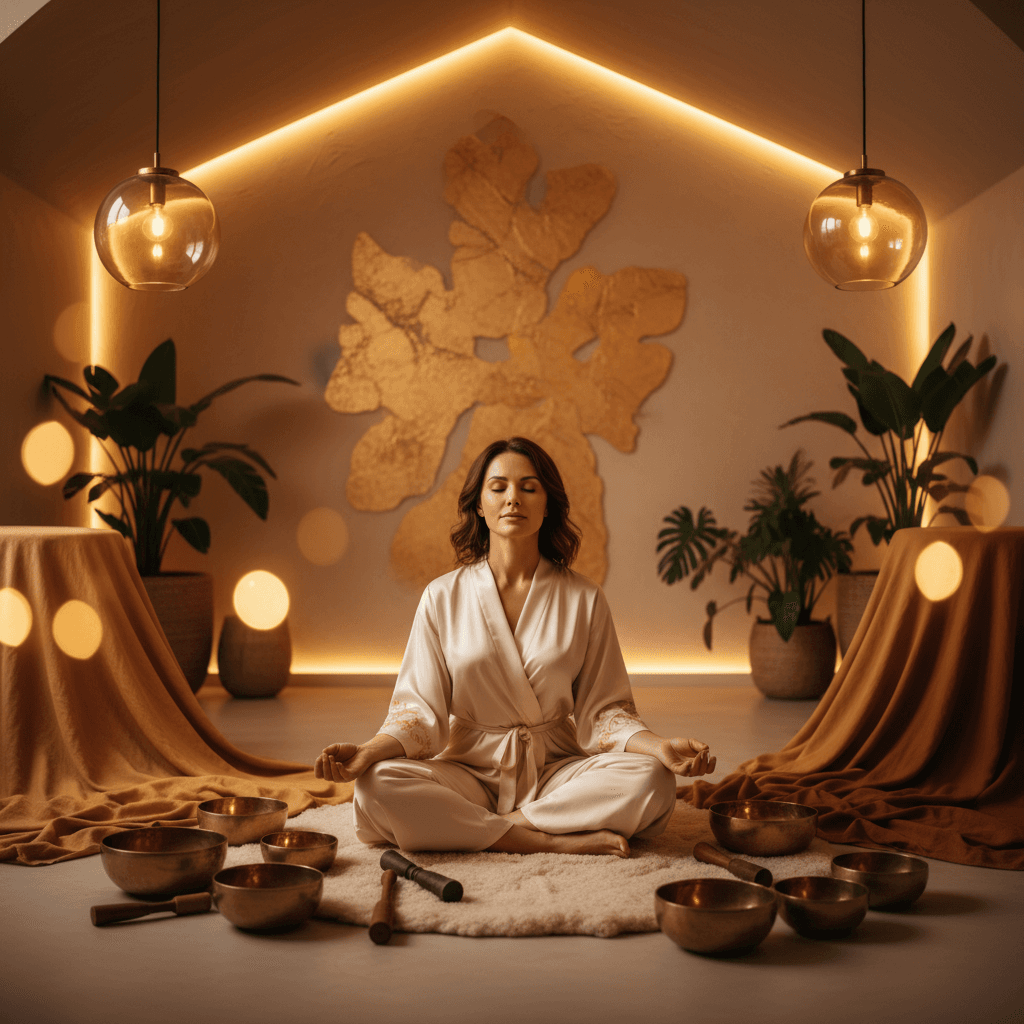
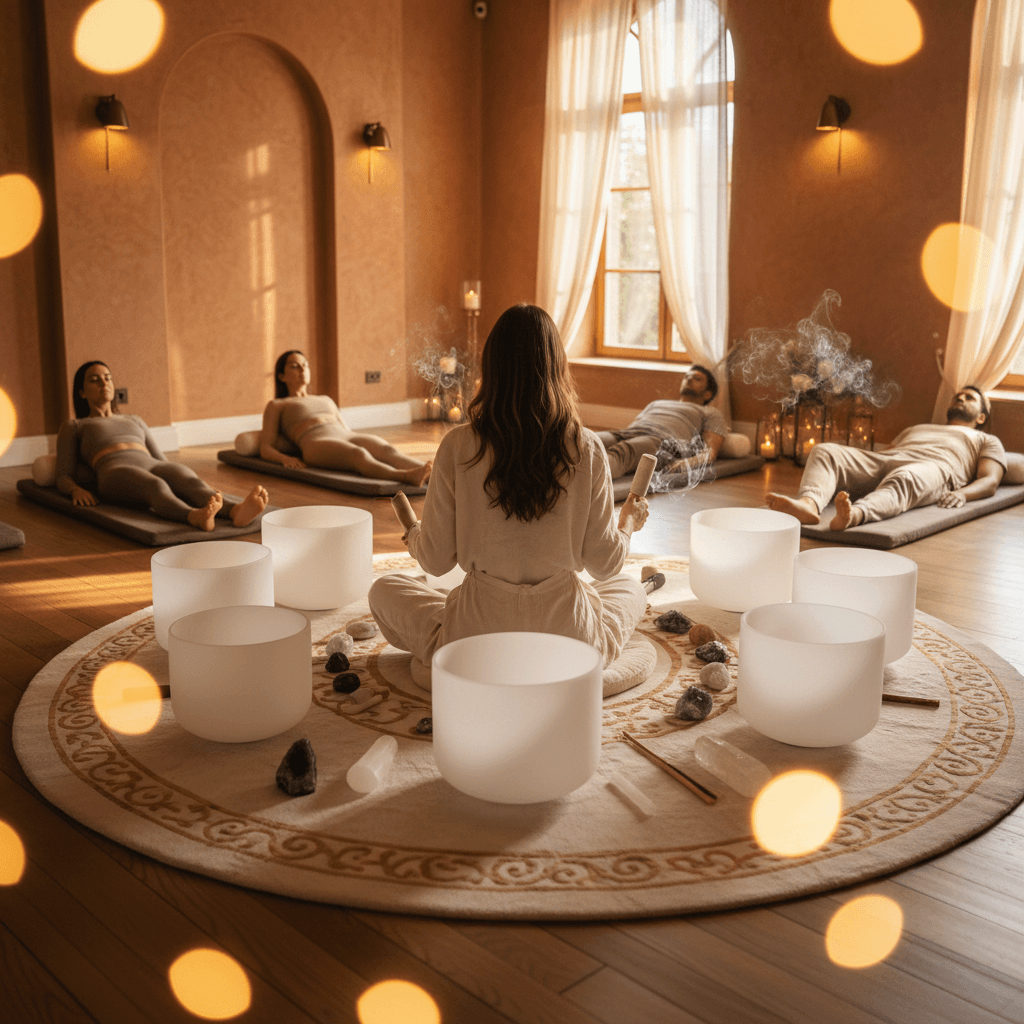
Upon entering a sound wellness session, clients are enveloped in an atmosphere designed for deep receptivity. The carefully curated space, combined with the gentle guidance of an experienced facilitator, encourages the nervous system to shift into a state of profound calm. This setting is crucial for maximizing the benefits of the sound experience, preparing both body and mind to receive the therapeutic frequencies.
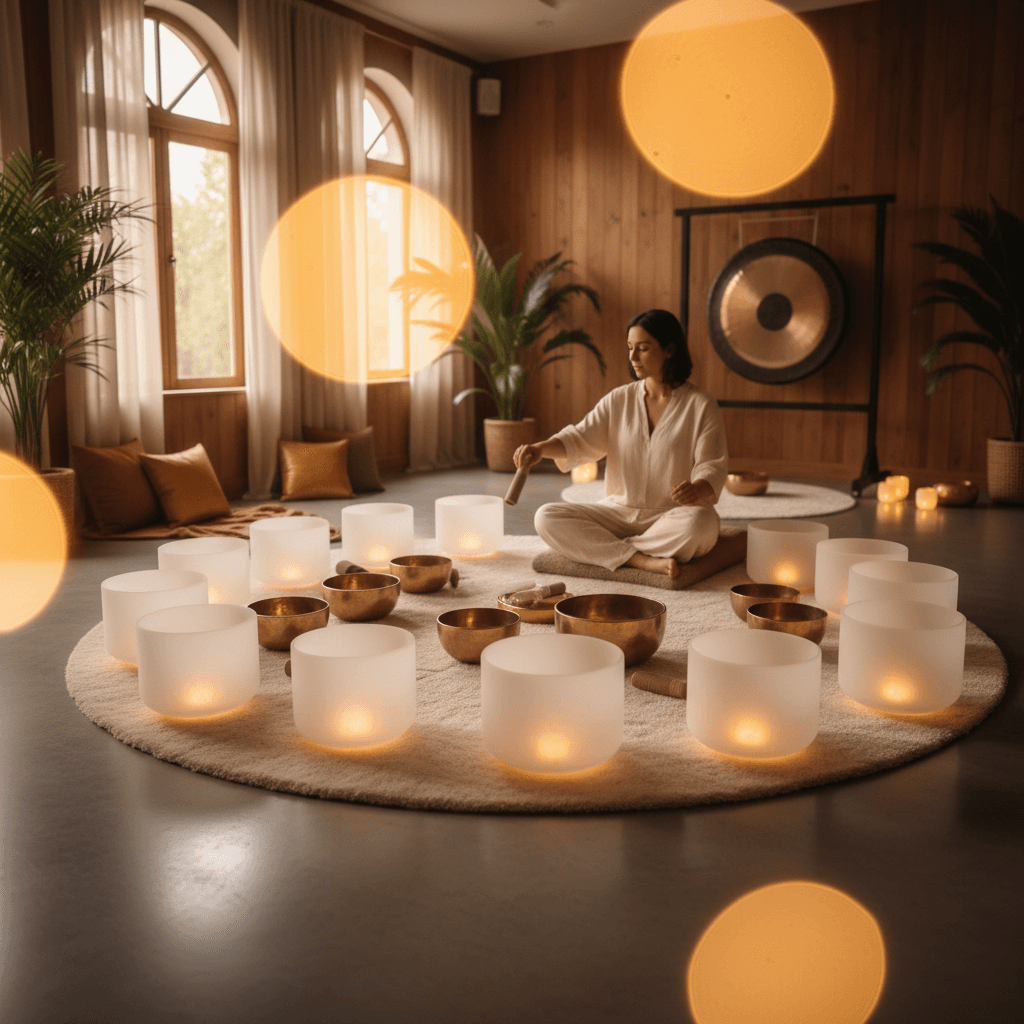
The air itself seems to shimmer with anticipation as instruments like Himalayan singing bowls, crystal bowls, gongs, and the unique monochord are introduced. These instruments are not merely played; their vibrations are felt as much as heard, creating a multi-sensory experience that bypasses the conscious mind and speaks directly to the cellular level. This deep sensory engagement facilitates the relaxation response, allowing the body to release accumulated tension.
The Power of Vibration
When instruments like the monochord are played, their strings produce a rich tapestry of sounds and vibrations. In studies like MUTIMS, which explored music therapy with a monochord for MS, participants lay on this wooden instrument, feeling the resonant frequencies permeate their bodies. This direct physical contact with sound is often described as deeply soothing, promoting immediate positive effects on body perception.
These gentle, pervasive vibrations act as a form of sensory massage, inviting every cell to relax and recalibrate. Many people report a sensation of release, as if knots of tension are dissolving, leading to an enhanced awareness of the body's subtle energies. This unique aspect of sound wellness helps to ground individuals in the present moment, fostering a deeper connection to their physical self.
Cultivating Inner Harmony
The continuous, enveloping soundscape encourages the brain to slow its activity, shifting from a beta-wave state (associated with alertness and stress) to alpha and theta waves (linked to deep relaxation, meditation, and restorative sleep). This shift in brainwave activity is a cornerstone of the relaxation response, allowing for profound stress reduction. Clients often emerge from sessions reporting a significant decrease in perceived stress, an uplifted mood, and a renewed sense of clarity.
The experience is a personal journey, yet the shared space of a sound session can also foster a sense of community and connection. This communal aspect, especially when offered in group settings, further amplifies the emotional benefits, as music activates areas of the brain that process social signals and emotions. Ultimately, sound wellness provides a sanctuary where individuals can cultivate inner harmony, supporting their emotional well-being and resilience.
Larissa Steinbach's Vision: The Soul Art Difference
At Soul Art, Dubai's premier sound wellness studio, Larissa Steinbach brings a unique blend of expertise, empathy, and artistic sensibility to the practice of sound healing. Her approach is rooted in both ancient wisdom and contemporary scientific understanding, creating an environment where individuals can explore the profound benefits of sound in a supportive and luxurious setting. Larissa's commitment is to offer deeply transformative experiences, tailored to the unique needs of each client.
A Personalized Approach to Well-being
Larissa Steinbach understands that each individual's journey with MS is unique, and therefore, their wellness path should be too. At Soul Art, the experience is not one-size-fits-all. Instead, it begins with an understanding of a client's specific concerns, preferences, and goals. This personalized approach ensures that the soundscape and techniques employed resonate most effectively, maximizing the potential for relaxation and comfort.
Larissa's philosophy centers on creating a safe and nurturing space where clients can fully surrender to the healing power of sound. She carefully curates the frequencies, rhythms, and instruments used, drawing upon her deep knowledge of their therapeutic properties. This meticulous attention to detail is a hallmark of the Soul Art experience, elevating it beyond a simple relaxation session to a truly holistic wellness practice.
The Soul Art Method: Harmonizing Body and Mind
The Soul Art method integrates the scientific principles of neuroplasticity and ANS regulation with an intuitive understanding of energetic flow. Larissa utilizes a diverse array of instruments, including large symphonic gongs, resonant singing bowls crafted from various metals and crystals, and the deeply vibrational monochord. These instruments are chosen for their ability to produce rich overtones and palpable vibrations that penetrate deeply into the body, promoting a state of cellular relaxation.
A signature element of the Soul Art experience is the use of the monochord, which resonates with findings from studies on music therapy for MS. When clients lie on or near this instrument, they not only hear the soothing sounds but also feel the gentle, continuous vibrations permeating their being. This tactile feedback is designed to enhance body perception, reduce physical tension, and facilitate an immediate sense of calm and groundedness. The comprehensive multi-sensory environment crafted by Larissa Steinbach is designed to support the body's natural capacity for self-regulation and restoration.
Beyond Relaxation: Fostering Resilience
While deep relaxation is a primary outcome, the Soul Art approach under Larissa Steinbach aims to foster long-term resilience and emotional well-being. By regularly engaging the parasympathetic nervous system and promoting alpha and theta brainwave states, clients may cultivate a greater capacity for stress management in their daily lives. The consistent practice of sound wellness can help individuals develop a stronger connection to their inner resources, empowering them to navigate challenges with greater ease and presence. Soul Art offers a complementary path, supporting individuals in cultivating inner peace and fostering a harmonious relationship between their mind, body, and spirit.
Empowering Your Wellness Journey: Practical Steps with Sound
Embracing sound wellness as a complementary approach to symptom management for MS is a personal and empowering journey. While dedicated sessions at a studio like Soul Art offer a profound experience, there are also practical steps you can integrate into your daily life to cultivate the benefits of sound. These practices are designed to support your overall well-being and can be easily incorporated into your existing self-care routine.
Explore Guided Meditations and Sound Baths
Many online platforms and apps offer guided meditations that incorporate calming soundscapes, binaural beats, or instrumental music. These resources can provide accessible ways to introduce regular sound relaxation into your routine. Attending local sound baths, either in person or virtually, can also offer a deeper immersion into the therapeutic frequencies of gongs and singing bowls.
Cultivate Mindful Listening
Beyond structured sessions, practice mindful listening in your daily life. Pay attention to the sounds of nature – birdsong, rustling leaves, gentle rain – or intentionally choose music that evokes a sense of peace and calm. Engaging with sound consciously can become a powerful tool for stress reduction and emotional regulation, helping to shift your state of mind throughout the day.
Integrate Gentle Rhythmic Activities
Consider incorporating gentle, rhythmic activities into your routine, such as walking with a steady pace or practicing rhythmic breathing exercises. As some research suggests, rhythmic auditory stimulation may support gait and reduce fatigue perception. Even simple activities, when done mindfully with attention to rhythm, can contribute to improved body awareness and coordination.
Prioritize Restorative Sleep
Sound can be a powerful aid for sleep. Create a tranquil sleep environment by listening to soothing nature sounds, white noise, or gentle instrumental music as you prepare for bed. Establishing a consistent sound routine before sleep may help to signal to your body that it's time to rest, promoting deeper and more restorative sleep cycles.
Consult with Your Healthcare Provider
Always remember that sound wellness is a complementary practice and should not replace professional medical care. It is essential to discuss any new wellness practices with your healthcare provider to ensure they align with your overall treatment plan for MS. Soul Art offers non-medical wellness experiences focused on relaxation and stress management.
Ready to explore the profound potential of sound for your well-being? We invite you to experience the calming frequencies and expert guidance at Soul Art.
Sound and MS Symptom Management: A Harmonious Path to Well-being
The journey with Multiple Sclerosis can present a unique set of challenges, but it also opens doors to exploring complementary paths that foster resilience and enhance quality of life. As this article has explored, scientific insights into neuroplasticity, autonomic nervous system regulation, and rhythmic auditory stimulation provide a compelling foundation for integrating sound wellness. Sound may offer significant support for managing common symptoms such as stress, anxiety, fatigue, and even gait parameters, promoting a deeper sense of physical and emotional balance.
At Soul Art Dubai, Larissa Steinbach and her dedicated team are committed to providing a sanctuary where these benefits can be deeply experienced. Through expertly curated soundscapes and the profound vibrations of instruments like the monochord, Soul Art offers a unique and sophisticated approach to holistic well-being. We invite you to discover how the universal language of sound can become a harmonious part of your wellness journey, supporting your body, calming your mind, and uplifting your spirit.
Bookings Coming Soon
Soul Art is still in preparation. Session details and booking will be published here after launch.
Coming Soon
Wellness Disclaimer: This article is for educational and informational purposes only. It does not constitute medical advice, diagnosis, or treatment. Soul Art Dubai provides non-medical wellness experiences focused on relaxation, stress management, and general wellbeing. Sound wellness is a complementary practice and should not replace professional medical care.