Rhythmic Therapy: Unlocking Motor Recovery Post-Stroke
Key Insights
Explore how rhythmic auditory stimulation and music-based wellness practices, championed by Larissa Steinbach at Soul Art, may support motor recovery and enhance neuroplasticity after a stroke.
Could the simple, fundamental power of rhythm hold a key to unlocking greater motor recovery after a stroke? Imagine a world where the steady beat of a metronome or the soothing melody of carefully chosen music could guide your brain toward renewed movement and independence. This concept, far from mere speculation, is increasingly supported by compelling scientific research.
For individuals navigating the challenging path of post-stroke rehabilitation, the potential for enhanced functional recovery offers immense hope. This article delves into the fascinating neuroscience behind rhythmic therapy, exploring how it may support the brain's inherent capacity for change, known as neuroplasticity, and offer a complementary avenue for improving motor function. We will explore how these principles are thoughtfully integrated into the unique wellness experiences at Soul Art, under the guidance of Larissa Steinbach, offering a holistic approach to well-being.
The Science Explained: The Brain's Symphony for Recovery
The human brain possesses an extraordinary ability to reorganize itself, even after significant injury. This phenomenon, known as neuroplasticity, is the cornerstone of all rehabilitation efforts, allowing the brain to forge new neural pathways or strengthen existing ones to compensate for damaged areas. Stroke, a sudden interruption of blood flow to the brain, can impair motor functions by damaging regions responsible for movement control. However, the brain's capacity for adaptation means recovery is often possible.
Rhythmic therapy, a non-invasive and engaging wellness practice, harnesses specific auditory cues to stimulate these plastic changes. It leverages the brain's innate responsiveness to rhythm, a fundamental element deeply embedded in our cognitive and motor systems. By providing external rhythmic cues, we can help synchronize neural activity, potentially facilitating improved motor control and coordination.
Rhythmic Auditory Stimulation (RAS): A Neurological Tune-Up
One of the most extensively studied forms of rhythmic therapy is Rhythmic Auditory Stimulation (RAS). This technique involves presenting a rhythmic beat, often via a metronome or music, to guide and pace movement. The brain's auditory and motor systems are intimately linked, and RAS capitalizes on this connection to promote neural entrainment.
Neural entrainment is the process where brain oscillations synchronize with an external rhythm. In the context of stroke recovery, this means that the rhythmic cues can help synchronize neuronal firing in motor-related areas, potentially leading to more coordinated and efficient movements. Clinical studies have provided converging evidence for these neural mechanisms, showing that gait training with RAS in post-stroke patients can significantly increase beta-band power in the primary motor cortex and supplementary motor area, correlating with improved step symmetry and reduced gait variability (Altenmüller et al., 2009).
For upper limb recovery, a recent study by Tian et al. (2020) demonstrated that 15 stroke patients who received 30 minutes of rhythmic cued Patterned Sensory Enhancement (PSE) training, in addition to conventional therapy, showed greater improvements from baseline compared to a control group receiving only conventional therapy. This training involved gradually increasing metronome frequency during gross motor tasks like shoulder flexion/extension and grasping. Similarly, MEG recordings have demonstrated enhanced gamma-band coherence between auditory and motor cortices following RAS-based upper limb training, which was associated with faster reaction times and greater movement smoothness, suggesting direct neural modulation (integrating rhythmic auditory stimulation in intelligent rehabilitation... - PMC).
"The brain's ability to 'dance' to an external rhythm, even after injury, is a profound testament to its adaptive potential. Rhythmic therapy offers a gentle, yet powerful, invitation for this neurological rewiring."
RAS is not limited to isolated movements; it also optimizes the effects of other therapeutic strategies for post-stroke gait. For instance, Mainka et al. (2018) found that gait velocity and cadence improved more in patients receiving treadmill training with RAS compared to other therapeutic groups. This finding adds to existing evidence of the beneficial effects of combining RAS with other adjunct therapeutic approaches. The underlying neurophysiological mechanisms involve the modulation of corticomotor excitability and the facilitation of sensorimotor integration, particularly in the lesioned hemisphere.
Beyond RAS: Expanding Rhythmic Modalities
While RAS is a cornerstone, other rhythm and music-based interventions also contribute significantly to motor rehabilitation. These include:
- Music-supported Therapy (MST): This involves actively playing musical instruments, which provides multi-sensory feedback and demands precise motor control, engaging multiple brain regions simultaneously. Research suggests MST is a viable intervention to improve motor function in chronic stroke patients (Improvement in Stroke-induced Motor Dysfunction by Music... - Nature).
- Therapeutic Instrumental Music Performance (TIMP): Similar to MST, TIMP uses musical instruments in a therapeutic context to address specific non-musical goals, such as improving range of motion, strength, and coordination.
- Patterned Sensory Enhancement (PSE): This technique embeds rhythmic and melodic patterns into functional exercises, using auditory cues to structure movement and provide feedback. As mentioned with Tian et al. (2020), PSE can be highly effective for upper limb function.
These interventions all share a common thread: they leverage the inherent power of rhythm to engage and reorganize motor networks in the brain, fostering neuroplasticity and enhancing functional recovery. They offer engaging, non-pharmacological avenues that may complement traditional rehabilitation efforts.
How It Works in Practice: Moving to the Beat of Recovery
Translating the science of rhythmic therapy into practical application involves creating structured, engaging experiences that align with individual rehabilitation goals. At its core, rhythmic therapy for motor recovery post-stroke focuses on repetitive, goal-directed movements synchronized with rhythmic cues. This synchronization helps to structure movement, improve timing, and provide immediate feedback, all of which are crucial for motor learning and neuroplasticity.
Consider a client working on gait rehabilitation. A therapist might provide rhythmic auditory cues—perhaps a metronome beat or music with a clear tempo—adjusted to the client's comfortable walking cadence. As the client's motor control improves, the tempo may be gradually increased, challenging their system to adapt. This process not only helps to normalize gait patterns, such as stride length and symmetry, but also enhances balance and interlimb coordination, as noted in various studies (Wang et al., 2022; Ko et al., 2016).
For upper extremity function, the approach might involve tasks like reaching, grasping, or performing fine motor movements synchronized with a rhythmic beat. For example, during arm-reaching tasks, a client might be cued to extend their arm and grasp an object in time with a specific rhythm. This rhythmic structure provides a temporal framework, reducing variability in movement and potentially enhancing smoothness and precision (Tian et al., 2020; Kim et al., 2014). The sensory experience is profound: the client feels the rhythm guiding their body, transforming what might feel like a struggle into a more fluid, almost dance-like motion.
The consistency of rhythmic input is key. Regular sessions help to reinforce the neural pathways being retrained. Even preliminary studies suggest that music and rhythm may be beneficial for upper motor strength rehabilitation among hemiparetic stroke patients after at least six sessions, with more significant differences observed with longer durations and larger populations (Berklee College of Music, 2011-2012 study). This cumulative effect underscores the importance of sustained engagement in these practices as a complementary approach to traditional physiotherapy.
Beyond the direct motor benefits, the integration of music and rhythm can also have a positive impact on mood and motivation. Rehabilitation can be physically and emotionally demanding, and the engaging nature of music can transform challenging exercises into more enjoyable experiences, potentially increasing adherence to the wellness program. This holistic benefit contributes to overall well-being, which is integral to a successful recovery journey.
The Soul Art Approach: Harmonizing Wellness and Recovery
At Soul Art, Dubai's premier sound wellness studio, Larissa Steinbach understands the profound connection between sound, rhythm, and the human nervous system. Her approach to incorporating rhythmic principles into wellness experiences is rooted in scientific understanding while fostering an environment of calm and restoration. Soul Art’s sessions are not medical treatments, but rather carefully curated wellness practices that may complement traditional rehabilitation, focusing on relaxation, stress reduction, and supporting the body’s innate healing capabilities.
Larissa Steinbach integrates principles akin to Rhythmic Auditory Stimulation (RAS) and Patterned Sensory Enhancement (PSE) into bespoke sound journeys. These experiences are designed to encourage a deep state of relaxation, allowing the brain to be more receptive to subtle rhythmic cues. While clients at Soul Art are engaged in a wellness practice, the underlying mechanisms of rhythmic entrainment are gently at play, potentially supporting neurological coherence and body awareness.
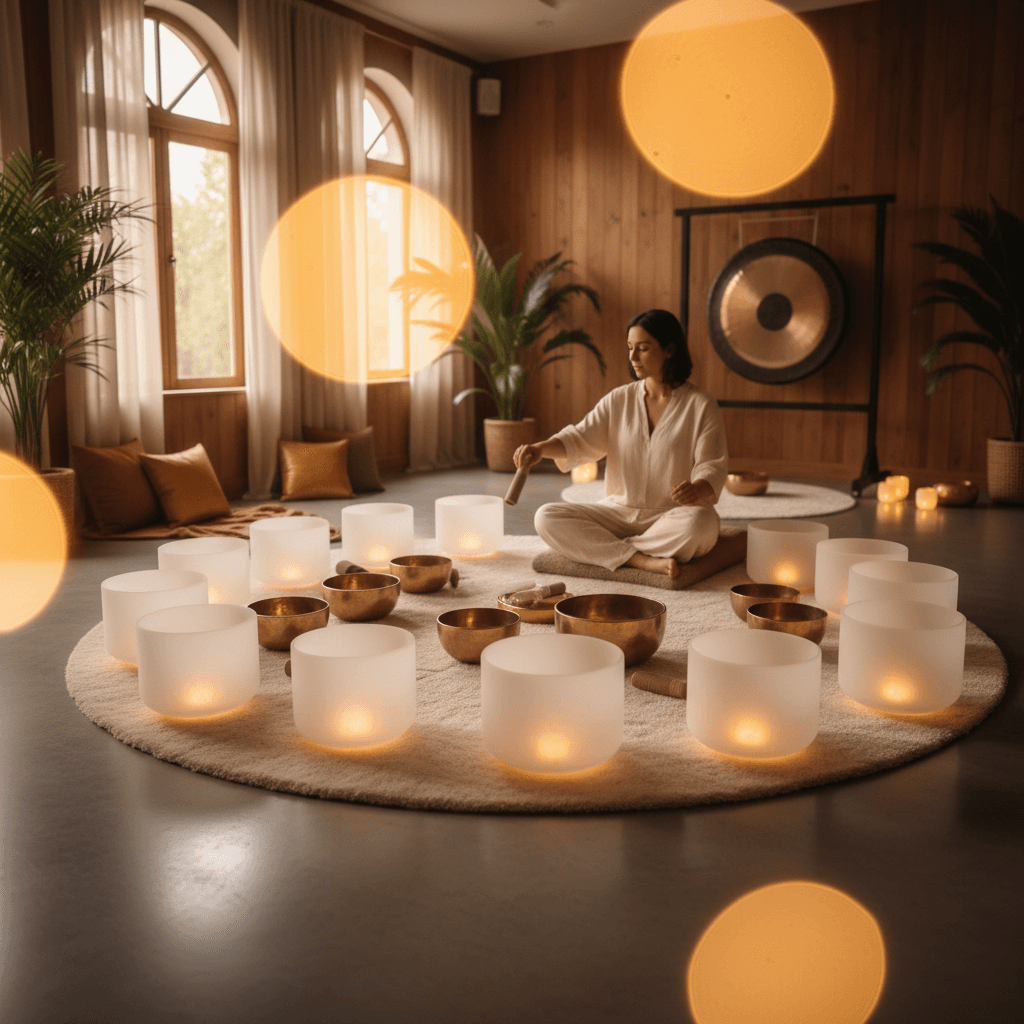
What makes the Soul Art method unique is its holistic integration of diverse sound modalities. Instead of solely a metronome, sessions might feature:
- Live Percussion: Gentle, intentional drumming or rhythmic patterns on various instruments to provide a clear, guiding pulse.
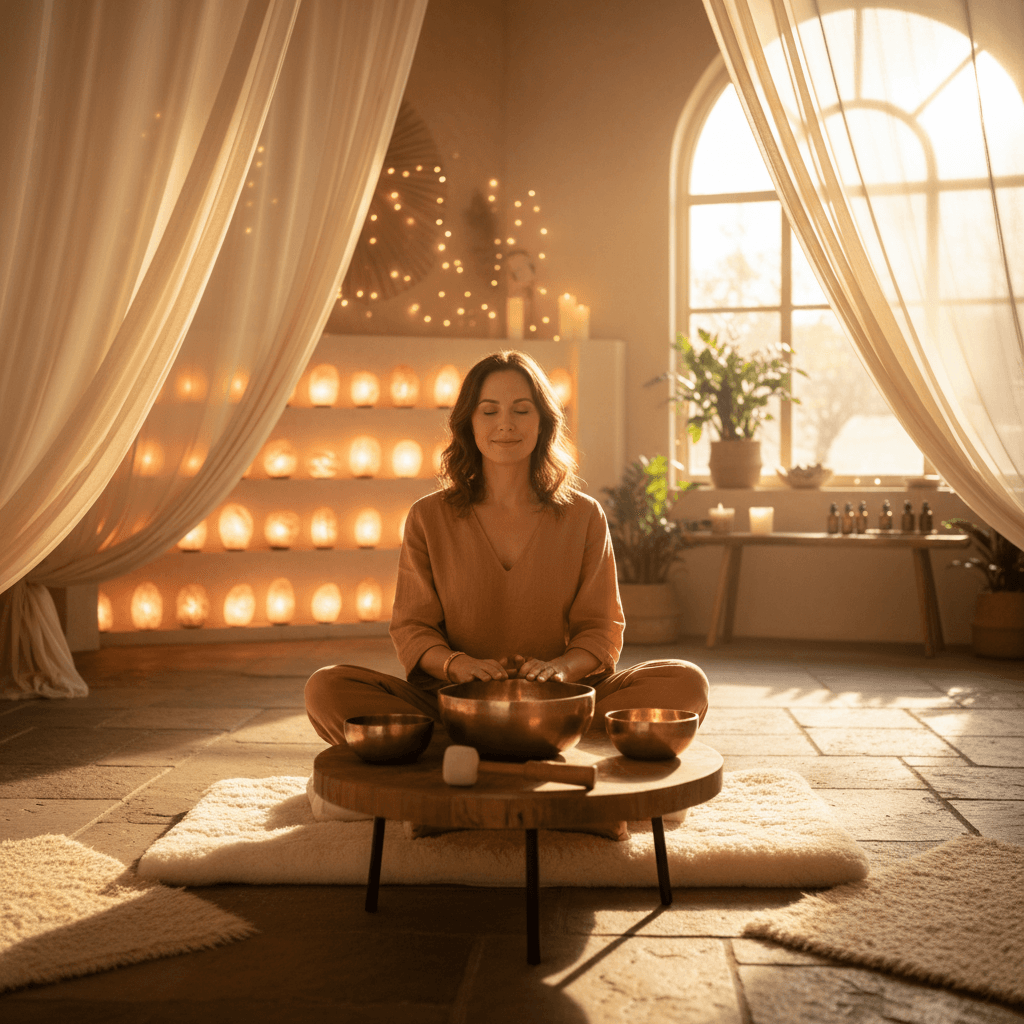
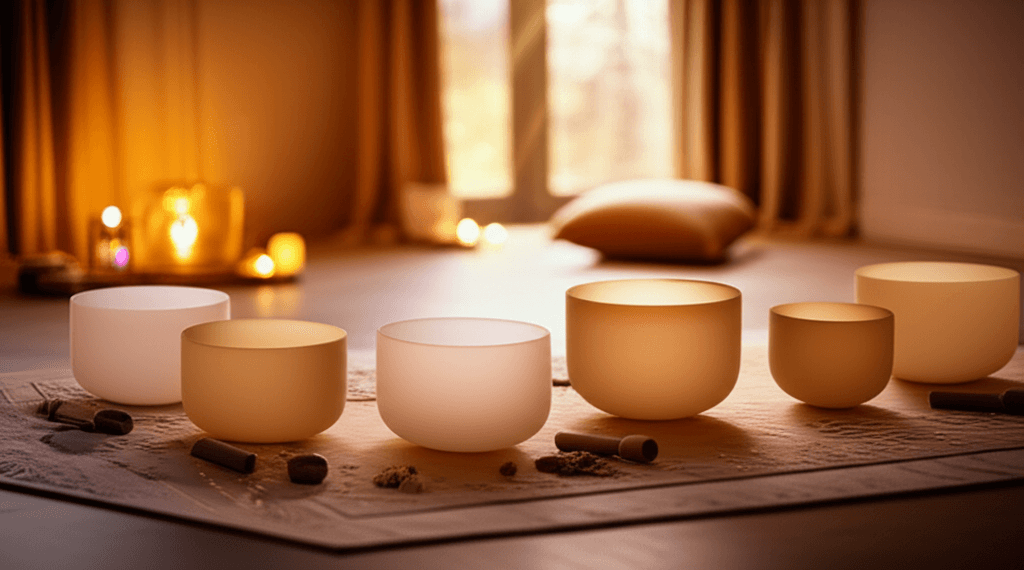
- Singing Bowls and Gongs: These instruments create resonant vibrations that are felt throughout the body, offering a multi-sensory rhythmic experience that encourages cellular relaxation and neurological alignment.
- Chimes and Tingshas: Their delicate, clear tones can be used to mark specific intervals or guide breath, subtly enhancing rhythmic awareness.
- Curated Soundscapes: Larissa Steinbach meticulously crafts sound environments that blend rhythmic elements with harmonious melodies, designed to soothe the nervous system and promote a sense of well-being.
Each session at Soul Art is a personalized journey, respecting individual needs and sensitivities. The focus is on creating a nurturing space where individuals can explore enhanced body awareness, subtle movements, and deep relaxation. This complementary approach supports the body's natural processes, potentially creating a conducive environment for neuroplasticity and general functional improvement. Larissa Steinbach emphasizes that through gentle guidance and immersive sound, individuals can rediscover their body's rhythm and embark on a path toward holistic well-being.
Your Next Steps: Embracing Rhythm in Your Wellness Journey
Integrating rhythmic awareness into your daily life or rehabilitation journey can be a powerful step toward enhanced well-being. While rhythmic therapy is a specialized approach, there are simple ways to incorporate the power of rhythm into your complementary wellness practices. Remember, these are not substitutes for medical advice or prescribed rehabilitation programs, but rather supportive practices to enhance your overall self-care.
Here are some actionable steps you can consider:
- Consult Your Healthcare Team: Always discuss any complementary wellness practices with your doctor or rehabilitation specialist to ensure they align with your specific health needs and rehabilitation plan.
- Explore Rhythmic Movement Practices: Consider gentle movement forms like Tai Chi, Qigong, or even simple walking to a steady beat. Focus on the internal rhythm of your body and synchronize it with external cues, if comfortable.
- Listen to Rhythmic Music: Curate playlists with a clear, steady tempo that you find calming or energizing. Use this music during light activities or as a background for relaxation. Pay attention to how the rhythm impacts your mood and sense of bodily coordination.
- Engage in Sound Wellness: Explore sound baths or sound meditation sessions. These immersive experiences, like those offered at Soul Art, can help attune your body to harmonious rhythms and vibrations, fostering deep relaxation and potentially enhancing body awareness.
- Practice Mindful Breathing: Your breath has a natural rhythm. Practice deep, diaphragmatic breathing, focusing on a consistent inhale and exhale. This simple practice can help regulate your nervous system and improve internal rhythmic coherence.
Embracing rhythm as part of your holistic wellness journey can unlock new avenues for self-discovery and resilience. It's about reconnecting with your body's innate wisdom and allowing sound to guide you towards a greater sense of balance and functional ease.
In Summary: The Resonant Path to Renewal
The journey of motor recovery post-stroke is a testament to the remarkable resilience of the human spirit and brain. Rhythmic therapy, with its roots firmly planted in neuroscience, offers a compelling complementary approach that may support neuroplasticity and enhance functional motor outcomes. From improved gait symmetry and velocity to refined upper limb control, the synchronized power of sound and movement can guide the brain toward new pathways of healing and coordination.
Under the expert guidance of Larissa Steinbach, Soul Art embraces these profound principles, offering carefully crafted sound wellness experiences that foster deep relaxation and encourage the body's natural capacity for restoration. By integrating rhythmic auditory stimulation into a serene and nurturing environment, Soul Art provides a unique sanctuary for individuals seeking a holistic path to enhanced well-being. Discover how the harmonious power of rhythm can resonate within you, igniting a renewed sense of movement and vitality.
Bookings Coming Soon
Soul Art is still in preparation. Session details and booking will be published here after launch.
Coming Soon
Wellness Disclaimer: This article is for educational and informational purposes only. It does not constitute medical advice, diagnosis, or treatment. Soul Art Dubai provides non-medical wellness experiences focused on relaxation, stress management, and general wellbeing. Sound wellness is a complementary practice and should not replace professional medical care.