Sound Wellness: Complementing Medication-Assisted Treatment Support
Key Insights
Explore how sound wellness at Soul Art, led by Larissa Steinbach, can complement Medication-Assisted Treatment (MAT) by reducing stress and fostering holistic well-being in Dubai.
Unlocking Deeper Support: How Sound Wellness Complements Medication-Assisted Treatment
Did you know that despite the significant advancements in addiction treatment, many individuals undergoing recovery still grapple with profound levels of stress, anxiety, and cognitive challenges? Medication-Assisted Treatment (MAT) for Opioid Use Disorder (OUD) has been identified as the most effective intervention, dramatically improving outcomes. However, the journey toward holistic well-being extends beyond medication, encompassing the mind, body, and spirit.
This article delves into the scientifically-backed efficacy of MAT and explores how complementary practices, particularly sound wellness, may offer invaluable support. At Soul Art, Dubai's premier sound wellness studio founded by Larissa Steinbach, we understand the intricate needs of those seeking comprehensive well-being. We aim to illuminate how targeted sound experiences can foster an environment of calm and resilience, supporting individuals on their path to recovery and enhanced quality of life. Understanding this synergy is crucial for anyone seeking a more integrated approach to their well-being journey.
The Science Explained: Understanding MAT & Complementary Support
The opioid crisis has led to millions suffering from Opioid Use Disorder (OUD), a complex condition requiring robust interventions. Medication-Assisted Treatment (MAT) stands out as an evidence-based approach that significantly improves outcomes. It combines U.S. Food and Drug Administration (FDA)-approved medications with counseling and behavioral therapies.
The Foundation of Medication-Assisted Treatment (MAT)
MAT is not merely about medication; it's a comprehensive strategy. The FDA has approved three medications to treat OUD: methadone, buprenorphine, and naltrexone. These medications work by reducing opioid cravings and withdrawal symptoms, thus allowing individuals to focus on their recovery journey. Research consistently shows that MAT significantly increases adherence to treatment and reduces illicit opioid use compared to non-drug approaches.
Furthermore, MAT has been associated with a decrease in opioid-related overdose deaths and a reduction in the transmission of infectious diseases such as HIV and hepatitis C. It can also improve treatment retention, decrease criminal activity linked to opioid use, and enhance an individual's ability to obtain and maintain employment. While "MAT" was initially used to suggest medications "assist" other therapies, current understanding, often referred to as "Medications for Opioid Use Disorder" (MOUD), emphasizes that these medications are a core component of effective treatment, offering tangible benefits even without additional counseling.
The Unseen Burden: Stress, Cognition, and Recovery
While MAT is highly effective, the path to recovery often presents significant emotional and cognitive hurdles. Individuals undergoing MAT may experience heightened stress, anxiety, and even challenges with cognitive functions such as working memory and cognitive speed. Several studies have indicated that MAT patients, when compared to matched "healthy" controls with no history of substance use disorder, may score worse on some cognitive measures. This suggests that while MAT addresses the physiological aspects of OUD, the long-term impact of opioid use and the recovery process itself can take a toll on mental faculties.
Stress, in particular, poses a substantial threat to treatment retention and overall well-being. The experience of chronic stress can contribute to a decision to drop out of treatment, exacerbating the already difficult journey. This persistent stress impacts the nervous system, often keeping it in a heightened state of "fight-or-flight," which can disrupt sleep, impair emotional regulation, and hinder mental clarity essential for sustained recovery. Addressing these accompanying challenges with complementary wellness practices may be vital for comprehensive healing.
The Power of Sound: Modulating the Nervous System
This is where sound wellness enters as a powerful, complementary support. Sound frequencies, especially those found in deep relaxation practices, have been associated with modulating brainwave states. For instance, specific sounds may encourage the brain to shift from beta waves (associated with alertness and anxiety) to alpha waves (associated with calm and relaxed awareness) and even theta waves (linked to deep relaxation and meditative states). This process, sometimes referred to as brainwave entrainment, can help to gently guide the nervous system into a state of repose.
By activating the parasympathetic nervous system, sound wellness practices promote what is known as the "rest and digest" response. This counteracts the stress-induced "fight or flight" response, leading to a cascade of physiological benefits. These benefits may include a reduction in heart rate and blood pressure, slowed and deepened breathing, and muscle relaxation. Many people report an enhanced sense of mental clarity, reduced rumination, and an improved capacity for emotional regulation after sound experiences. Preliminary studies and anecdotal evidence suggest that such practices can significantly contribute to stress reduction, making them a valuable adjunct to established medical treatments like MAT.
How Sound Wellness Works in Practice for MAT Support
Integrating sound wellness into a recovery journey is about creating a profound sensory experience that promotes inner balance and resilience. It's a non-invasive, gentle approach that complements medical treatment without interference. The focus is on providing comfort, reducing tension, and fostering a sense of groundedness.
Creating a Sanctuary for Healing
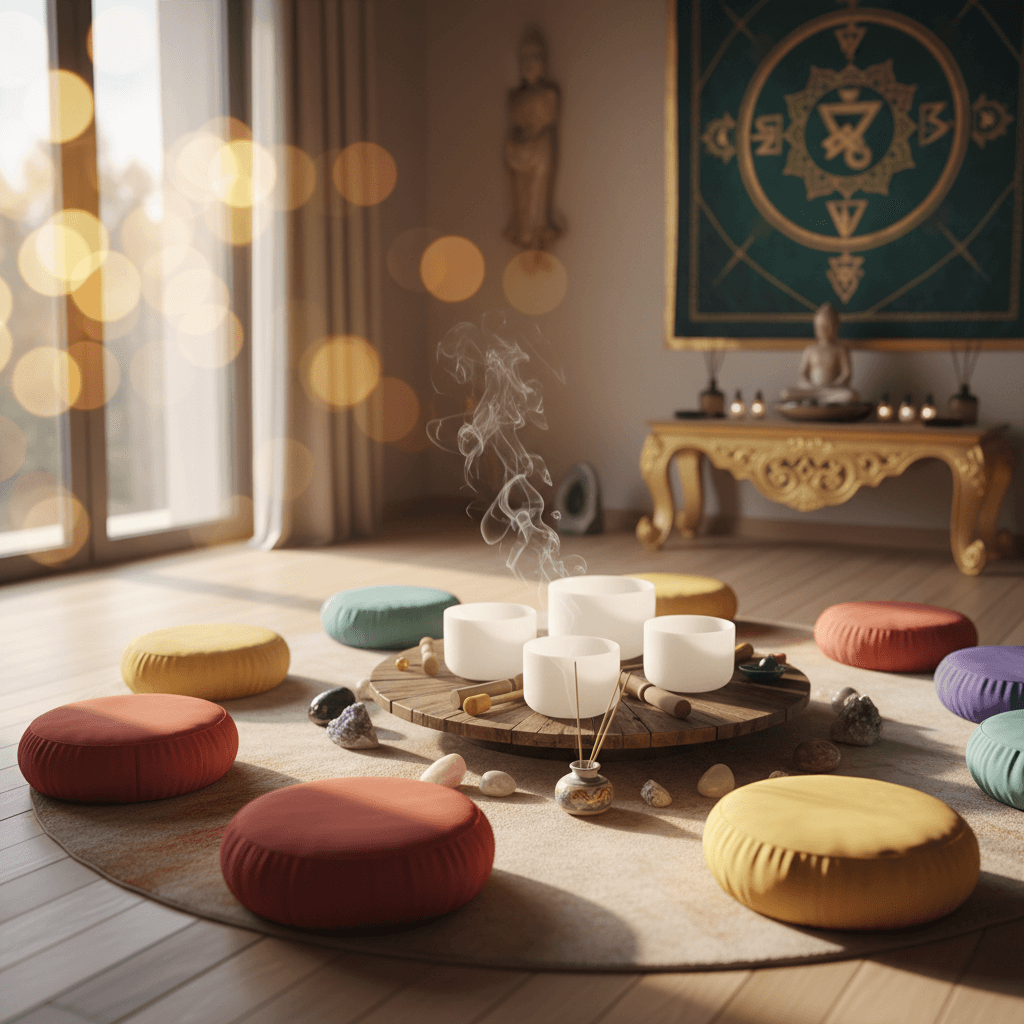
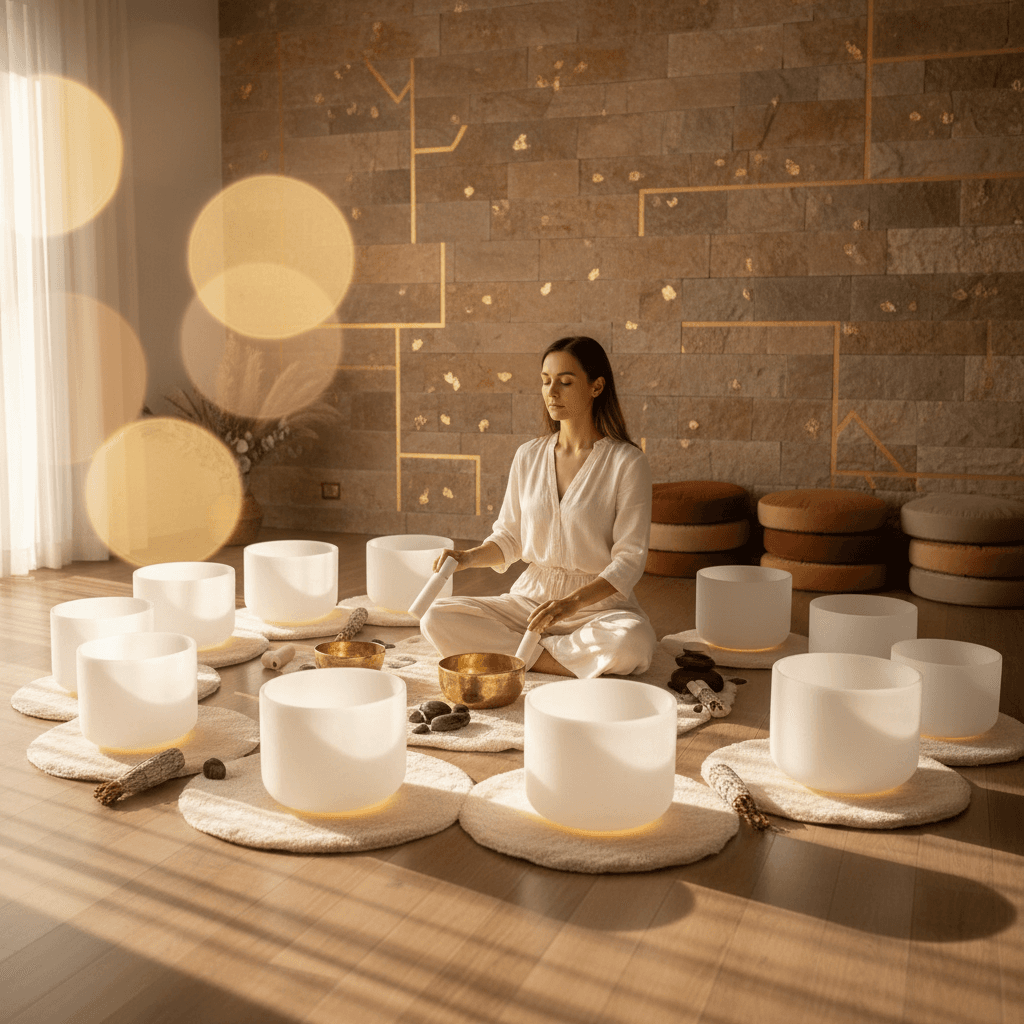
The setting for sound wellness is paramount. At Soul Art, clients step into a meticulously designed space that immediately evokes tranquility. Soft lighting, comfortable mats, and a gentle, non-judgmental atmosphere are carefully curated to ensure a safe and supportive environment. This sanctuary allows individuals to release external pressures and turn their focus inward, a critical step for anyone navigating the complexities of recovery. The absence of overwhelming stimuli creates a conducive space for the nervous system to settle.
The Journey of Sonic Immersion
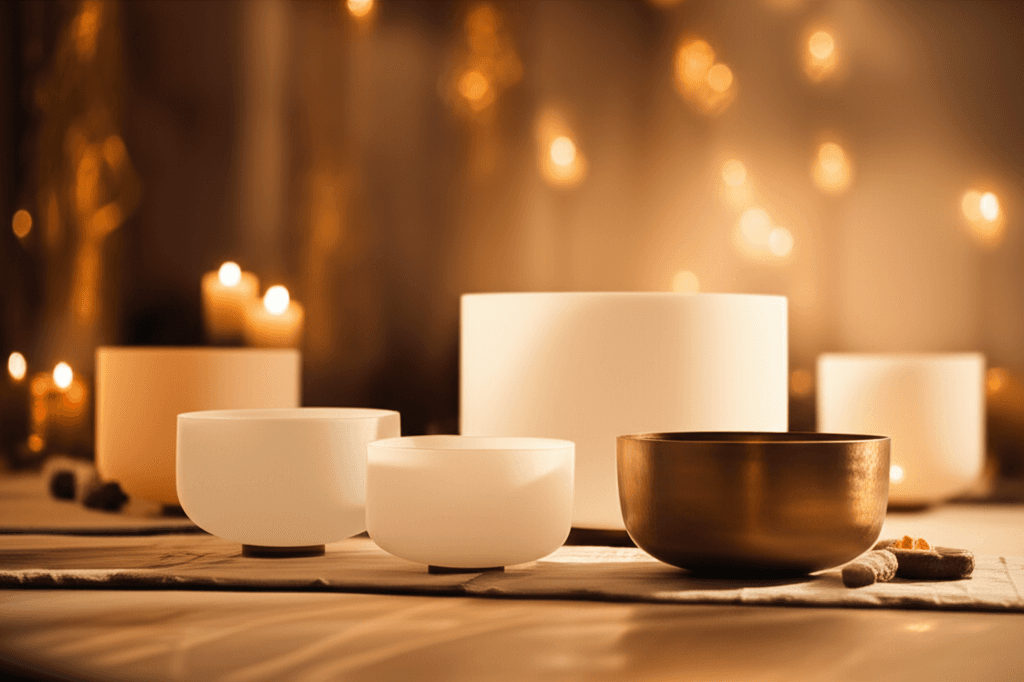
During a sound wellness session, clients typically recline comfortably, often with blankets and eye masks, allowing them to fully immerse themselves in the sonic landscape. Larissa Steinbach and her practitioners utilize a variety of instruments, including crystal singing bowls, Himalayan singing bowls, gongs, chimes, and tuning forks. These instruments produce rich, resonant vibrations that are felt not just with the ears, but throughout the body. The sounds are not just heard; they are experienced.
The sustained tones and harmonic frequencies are believed to encourage a state of deep relaxation. Clients often describe a sensation of floating or a profound sense of peace washing over them. Physiologically, this experience may lead to a slower heart rate, reduced muscle tension, and a more regulated breathing pattern. Mentally, the mind's incessant chatter often subsides, replaced by a quiet awareness and a feeling of being centered. This can provide a much-needed respite from the mental fatigue and emotional turbulence that can accompany the MAT journey.
Addressing Specific Needs
Sound wellness practices can specifically address some of the challenges identified in the MAT journey:
- Stress Reduction: The deep relaxation induced by sound has been associated with significantly lower perceived stress levels. By activating the parasympathetic nervous system, sound can help to mitigate the physiological impact of chronic stress, which is a common factor in treatment retention challenges.
- Emotional Regulation: A safe space for emotional processing can emerge during sound sessions. The calming vibrations may allow individuals to sit with difficult emotions without feeling overwhelmed, fostering a greater capacity for emotional resilience.
- Cognitive Support: While not a direct treatment, the mental clarity and reduced rumination reported by many after sound sessions may offer a complementary boost to cognitive functions. A relaxed mind is often a more focused mind, potentially aiding in the mental recovery process.
- Sleep Quality: Many people report improved sleep quality after regular sound wellness sessions. Restorative sleep is fundamental for physical and mental restoration, playing a vital role in overall well-being and sustained recovery.
"The symphony of recovery extends beyond medicine; it harmonizes with the gentle cadence of inner peace."
The Soul Art Approach: Larissa Steinbach's Vision for Holistic Support
At Soul Art, Dubai's beacon for holistic well-being, Larissa Steinbach has meticulously crafted an approach that integrates ancient wisdom with contemporary scientific understanding. Her vision extends beyond merely providing a service; it is about cultivating a transformative experience that nurtures the whole individual. Larissa Steinbach and her dedicated team are deeply committed to offering a sophisticated and empathetic environment for everyone, including those seeking complementary support for their Medication-Assisted Treatment journey.
The Soul Art method is distinctive in its personalization and depth. We don't offer generic sound baths; instead, Larissa Steinbach curates bespoke sound journeys, often incorporating personalized elements that respond to the individual's specific needs and intentions. This tailored approach ensures that each session is deeply resonant and impactful. For individuals undergoing MAT, this means sound experiences designed to specifically support nervous system regulation, reduce anxiety, and foster emotional equilibrium, all within a non-judgmental and luxurious setting.
Specific instruments, such as master-grade crystal singing bowls, powerful gongs, and precisely tuned chimes, are carefully selected for their unique vibrational qualities. Larissa Steinbach's expertise in combining these instruments creates complex sonic tapestries that may facilitate profound states of relaxation and inner quiet. The integration of breathwork techniques and guided mindful presence further amplifies the benefits, helping clients to drop into deeper states of calm more effectively. This unique blending of modalities helps individuals reconnect with their inner resources and build resilience.
The core objective at Soul Art is not to "treat" OUD, but to profoundly support the individual's journey toward greater resilience, inner peace, and a more regulated nervous system. By offering a serene haven in the heart of Dubai, Larissa Steinbach and Soul Art provide a sanctuary where individuals can find solace and strength, thereby enhancing the efficacy of their established medical treatments. Our approach offers a vital layer of holistic care, underscoring the understanding that recovery is a multi-faceted process.
Your Next Steps: Integrating Sound into Your Wellness Journey
Embarking on a journey of recovery and well-being requires intention and informed choices. If you or someone you know is undergoing Medication-Assisted Treatment, integrating complementary wellness practices like sound can be a profoundly supportive step. These practices do not replace medical care but rather enhance the individual's overall quality of life and resilience.
Here are practical steps you can implement today to explore this holistic pathway:
- Consult Your Healthcare Provider: Always discuss any complementary wellness practices with your medical team. Ensure that sound wellness aligns with your current MAT plan and overall health considerations. Your doctor or therapist can offer personalized guidance.
- Explore Reputable Sound Wellness Centers: Seek out studios with experienced, qualified practitioners who understand the nuances of sensitive wellness support. Soul Art in Dubai, led by Larissa Steinbach, is renowned for its expertise and compassionate approach to sound wellness.
- Prioritize Stress Management: Recognize that stress is a significant factor in recovery. Actively seek out practices that help you manage daily stressors, whether it’s through sound, mindfulness, gentle movement, or spending time in nature. Consistent stress reduction is key.
- Embrace Holistic Self-Care: View your recovery journey as an opportunity to nurture every aspect of your being. This includes adequate sleep, nourishing food, supportive relationships, and engaging in activities that bring you joy and a sense of purpose.
- Maintain Open Communication: Keep an open dialogue with your medical and wellness practitioners. Sharing your experiences and progress allows for a more integrated and effective support system. Your feedback is invaluable for tailoring your unique wellness plan.
In Summary: A Holistic Path to Well-being with Soul Art
Medication-Assisted Treatment offers a critical lifeline for individuals navigating Opioid Use Disorder, providing an evidence-based pathway to recovery. While MAT addresses the physiological aspects, the profound journey of healing also necessitates support for the emotional, mental, and spiritual dimensions. Complementary practices like sound wellness emerge as powerful allies, helping to mitigate stress, regulate the nervous system, and foster a deeper sense of peace.
At Soul Art, Larissa Steinbach's vision for holistic well-being empowers individuals to cultivate inner resilience and enhance their overall quality of life. By offering a sanctuary for sonic immersion, we provide a vital layer of support that works in harmony with established medical treatments. Embrace the potential of sound to bring calm and clarity to your recovery journey, and discover a path to profound well-being in Dubai.
Bookings Coming Soon
Soul Art is still in preparation. Session details and booking will be published here after launch.
Coming Soon
Wellness Disclaimer: This article is for educational and informational purposes only. It does not constitute medical advice, diagnosis, or treatment. Soul Art Dubai provides non-medical wellness experiences focused on relaxation, stress management, and general wellbeing. Sound wellness is a complementary practice and should not replace professional medical care.
Related Articles
LGBTQ+ Recovery: Sound Wellness for Inclusive Healing & Regulation
Relationship Recovery: The Science of Sound for Intimacy
Soulful Connections: The Science of Shared Sound Practices and Well-being Sponsorship