Harmonizing Luxury: Dubai Home Acoustics with Marble & Glass

Key Insights
Explore the scientific interplay of marble, glass, and sound in Dubai luxury homes with Soul Art and Larissa Steinbach. Optimize your acoustic wellbeing.
Harmonizing Luxury: Navigating Marble, Glass, and Acoustics in Dubai Homes
Imagine the serene silence of a desert morning, suddenly punctuated by the distant hum of the city. In Dubai's opulent homes, built with a reverence for aesthetic grandeur, materials like marble and glass are chosen for their visual splendor, reflecting light and exuding sophistication. Yet, these very materials, while stunning, possess distinct acoustic properties that significantly shape the sonic landscape of your living space.
This article delves into the fascinating, scientifically-grounded interplay between these luxurious architectural elements and your home's acoustic environment. We will explore how marble and glass influence sound, uncovering the subtle impacts on your well-being, from relaxation to focus. Understanding these dynamics is not merely about dampening noise; it is about cultivating an environment where sound contributes positively to your holistic wellness.
At Soul Art, founded by Larissa Steinbach, we believe that true luxury extends beyond the visual to encompass a deep sense of peace and harmony within your surroundings. Optimizing the acoustic comfort of your home is a vital step in creating a sanctuary that nurtures your nervous system and supports your overall vitality.
The Science Explained: Unveiling Acoustic Principles
Acoustics, the science of sound, profoundly influences our perception of space and our overall well-being. Every material in a room interacts with sound waves, either reflecting, absorbing, or diffusing them. Understanding these interactions is crucial for designing spaces that feel both luxurious and tranquil.
The Physics of Sound Interaction
Sound travels as waves, and when these waves encounter a surface, several things can happen. Sound reflection occurs when sound waves bounce off a hard, smooth surface, similar to how light reflects off a mirror. This can lead to echoes and reverberation, making a space feel "live" or noisy. Conversely, sound absorption happens when a material converts sound energy into heat, reducing the amount of sound bouncing around. Softer, porous materials are typically good sound absorbers. Sound diffusion, meanwhile, involves scattering sound waves in many directions, which can help to distribute sound more evenly and reduce harsh reflections without necessarily absorbing the sound.
Marble's Acoustic Signature
Marble, a hallmark of luxury in Dubai, is revered for its cool touch, intricate veining, and polished finish. Acoustically, marble is a highly sound-reflective material. Its smooth, dense, and solid surface offers very little sound absorption. This means that when sound waves strike a marble floor or wall, most of them bounce back into the room.
In certain applications, this reflective quality can be intentionally harnessed. For instance, in a dedicated home theater or music room, the sound-reflective properties of marble may allow designers to maximize the wholeness of sound and the impression of space. The reflections can contribute to a richer, more enveloping audio experience, particularly for music. In social areas like living rooms or dining rooms, the sound diffusion capabilities of marble, especially if its surface is not perfectly planar, can help create a more open and active sound environment. This can enhance clarity when speech is being spoken or music is playing in the background, by spreading the sound rather than concentrating it.
However, the weak sound absorption of marble presents a significant design challenge when used extensively. If marble decorates a large area of wall or floor, designers often need to match it with other sound-absorbing materials to balance the overall acoustic effect of the space. Without this balance, rooms dominated by marble can feel excessively "loud," leading to a less comfortable and even irritating acoustic environment.
Glass's Acoustic Dynamics
Glass, another ubiquitous material in Dubai architecture, offers panoramic views and floods interiors with natural light. However, its acoustic performance varies significantly depending on its type and construction. Like marble, ordinary glass is a highly reflective surface, allowing sound waves to pass through it or bounce off it with minimal absorption.
To mitigate this, architects increasingly specify laminated glass in place of ordinary glass, especially in urban environments where external noise pollution is a constant concern. Laminated glass consists of multiple layers of glass bonded by a special interlayer, such as polyvinyl butyral (PVB) or ethylene-vinyl acetate (EVA). This interlayer acts as a crucial sound-dampening barrier, absorbing sound waves and significantly reducing sound transmission from one space to another. The added mass and damping effect of the interlayer make laminated glass far superior for sound insulation.
The thickness of the glass also plays a major role; thicker glass inherently has more mass, which better blocks sound waves. Furthermore, double-glazed windows or glass system walls employ two layers of glass separated by a buffer zone. This air gap, or sometimes an inert gas filling, further absorbs and reduces sound waves, creating a significant improvement in the room’s acoustics and providing both thermal and acoustic insulation. Even the choice of door within a glass wall system is critical; a fully glass door will provide less sound insulation than a robust, acoustically designed door, such as an acoustic sliding door.
The Impact on Well-being: Psycho-acoustics and Health
The quality of our acoustic environment profoundly impacts our mental and physical well-being. Acoustic comfort can be defined as the presence of opportunities for acoustic activities that do not annoy others, whereby undesired sound is absent. In our homes, indoor sound sources can range from fan noise and television to vocal communication and external traffic.
Reduced noise levels in the home have a direct positive impact on occupants' health. A pleasant acoustic ambiance can help you relax, reduce stress, and promote a sense of ease. Conversely, persistent noise pollution has been associated with elevated stress levels, disturbed sleep, and potential long-term hearing impact. Research in indoor acoustics increasingly highlights the importance of psycho-acoustic parameters—how people perceive sound, beyond simple decibel measurements. The "liking" or "irritability" of sound depends not just on its loudness, but on its character, frequency, and context. A home with balanced acoustics, where unwanted noise is minimized and desired sounds are clear, supports a more tranquil and restorative environment, fostering a deeper sense of well-being.
How It Works in Practice: Crafting Sonic Sanctuaries in Dubai
In the bustling metropolis of Dubai, where luxury living often means expansive homes adorned with sleek, hard surfaces and dramatic glass facades, the practical application of acoustic principles becomes paramount. Architects and interior designers face the challenge of balancing visual grandeur with the imperative of creating spaces that feel as good as they look.
Designing for Acoustic Harmony
The inherent acoustic properties of marble and glass mean that intentional design choices are essential. For a luxury home featuring extensive marble flooring or walls, architects often integrate sound-absorbing decorative elements. This might include plush carpets or large area rugs that absorb reflected sound, upholstered furniture with rich fabrics, or even specialized acoustic ceilings discreetly incorporated into the design. These components, working in tandem with the reflective qualities of marble, aim to maximize the clarity and opulence of the room while preventing excessive echo and reverberation.
For example, in a grand living room or dining area, the sound diffusion from marble surfaces can initially create an open, active atmosphere. However, without sufficient absorption, conversations may become muddled, and background music could sound harsh. Adding heavy curtains over large windows, strategic acoustic panels disguised as artwork, or even carefully chosen indoor plants can help to dampen these reflections, creating a more intimate and comfortable auditory experience.
Leveraging Glass for Quiet Luxury
The challenge of noise pollution in Dubai's urban landscape makes the acoustic performance of glass a critical consideration. Standard single-pane glass offers minimal sound insulation, allowing traffic noise, construction sounds, and other urban distractions to permeate the home. This can significantly disrupt the sense of peace and privacy essential for a luxury residence.
This is where the advancements in acoustic glass truly shine. Installing laminated glass, especially with thicker panes and specialized interlayers, can dramatically reduce external noise transmission. Imagine enjoying your morning coffee in a serene living room, bathed in natural light, yet shielded from the cacophony of the city outside. Double-glazed windows, which also provide significant thermal insulation, offer a dual benefit, helping to maintain a comfortable indoor temperature while simultaneously acting as a buffer zone against sound waves. This increased energy efficiency also helps to bring down electricity consumption, a practical benefit in Dubai's hot climate.
For internal partitioning, glass system walls offer modern aesthetics. However, recognizing their acoustic limitations, designers might opt for double-glazed glass partitions or specialized acoustic doors to ensure privacy and sound separation between different zones of a home office or bedroom suite. These innovative solutions transform a potentially noisy glass enclosure into a tranquil and functional space, allowing light to flow without compromising acoustic comfort.
"A truly luxurious home doesn't just look exquisite; it feels exquisite, offering a calm and restorative sanctuary from the world outside. Acoustic design is the silent architect of this profound comfort."
The sensory details of a well-tuned space are subtle yet powerful. Conversations are clear and effortless, music has a pleasant resonance without being overwhelming, and the overall ambiance supports relaxation and focus. In contrast, a poorly tuned space, characterized by excessive echoes and reverberation, can induce subconscious stress, making the environment feel chaotic and unsettling, irrespective of its visual appeal. It's about creating a quiet luxury, where the absence of unwanted noise is a premium amenity itself.
The Soul Art Approach: Harmonizing Within Your Environment
At Soul Art, Larissa Steinbach and her team recognize that while architectural acoustics lay the foundation, true wellness comes from how we interact with and perceive our sound environment. We understand that even in the most beautifully designed homes, the subtle nuances of sound can influence our nervous system and overall state of being.
Larissa Steinbach's philosophy centers on the profound impact of intentional sound and vibration on personal well-being. While Soul Art does not design home acoustics, our practice helps individuals cultivate inner harmony, making them more resilient to their external sonic landscape and more attuned to sounds that promote healing and relaxation. We bridge the gap between the physical acoustics of a space and an individual's psycho-acoustic comfort.
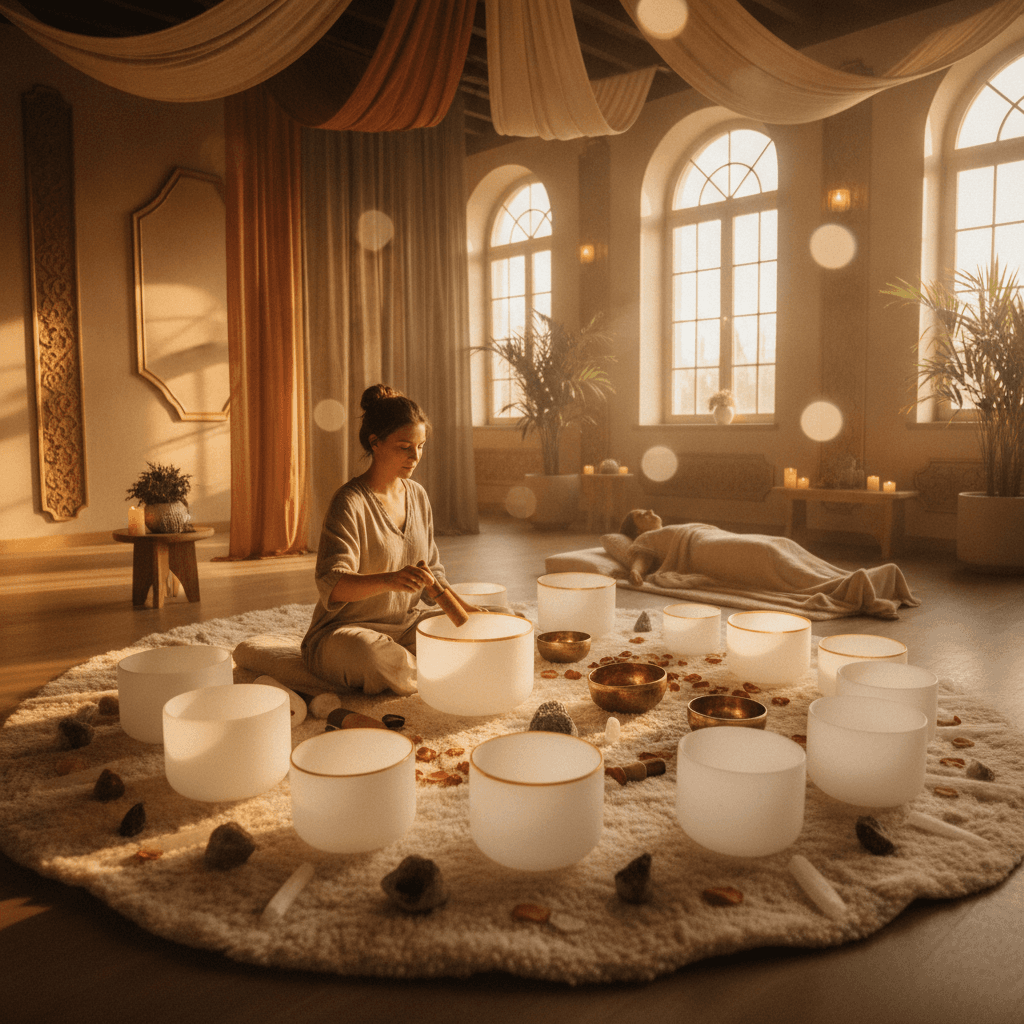
The Soul Art method involves a unique blend of sound wellness practices, including sound baths and vibrational therapy. We utilize carefully selected instruments such as crystal singing bowls, gongs, and chimes, each tuned to specific frequencies. These instruments generate pure, resonant tones and vibrations that gently guide the body and mind into deep states of relaxation. This practice may support a reduction in stress, promote mental clarity, and enhance emotional balance.
We invite clients to experience the profound benefits of these sessions within a curated acoustic environment at our studio, which is designed to optimize sound immersion. However, the principles learned – of listening deeply, allowing sound to wash over you, and finding stillness amidst vibrational stimuli – are transferable. Many people report that engaging in these wellness practices at Soul Art helps them become more aware of the sonic qualities of their own homes. This increased awareness may empower them to make subtle adjustments to their living spaces, or simply to approach their environment with a renewed sense of mindfulness and calm, even amidst the echoes of marble and the reflections of glass.
Larissa Steinbach believes that by harmonizing our internal frequencies, we can better appreciate and positively influence our external acoustic worlds. Soul Art's approach is about tuning the individual, enabling a deeper connection to self and surroundings, transforming even an acoustically challenging space into a potential haven for mindful living. It is a complementary approach that focuses on self-care and holistic wellness.
Your Next Steps: Cultivating Acoustic Comfort at Home
Transforming your Dubai home into a sanctuary of sound wellness doesn't always require a complete overhaul. Small, mindful adjustments can make a significant difference to your acoustic comfort and, by extension, your well-being.
Here are some practical steps you can implement today:
- Assess Your Current Acoustics: Pay attention to how sound behaves in different rooms. Do you notice echoes, harsh reflections, or a general sense of noisiness? Identifying these areas is the first step toward improvement.
- Introduce Soft Furnishings: Combat the reflective properties of marble and glass by adding rugs, heavy drapes, upholstered furniture, and decorative textiles. These elements are excellent sound absorbers and can dramatically reduce reverberation.
- Consider Acoustic Glass Upgrades: If external noise is a significant concern, explore upgrading to laminated or double-glazed windows and doors. This investment provides both sound insulation and enhanced thermal efficiency.
- Mindful Placement of Sound Sources: Position televisions, speakers, and even noisy appliances strategically. Ensure they are not directed towards highly reflective surfaces, and consider acoustic baffling behind speakers if possible.
- Explore Sound Wellness Practices: Engage in self-care practices like mindful listening or guided sound meditations. While not a substitute for architectural solutions, these techniques, as offered by Larissa Steinbach at Soul Art, may support your ability to find calm and focus within your existing environment.
By integrating these practical solutions and embracing a greater awareness of your home's sonic character, you can proactively create an environment that nurtures relaxation and supports your overall vitality.
In Summary: The Symphony of Space and Well-being
The timeless beauty of marble and the expansive clarity of glass define luxury in many Dubai homes. Yet, their inherent acoustic properties—reflection and minimal absorption—demand thoughtful consideration to prevent these exquisite materials from inadvertently creating a noisy, less relaxing environment. Understanding the science behind sound reflection and absorption, and the benefits of solutions like laminated or double-glazed glass, empowers homeowners to strike a beautiful balance.
Acoustic comfort is not just about quiet; it is about creating a harmonious sonic landscape that supports peace, focus, and overall well-being. While architectural elements set the stage, practices like those offered by Larissa Steinbach at Soul Art provide a complementary approach, helping you to align your internal state with your external environment. By intentionally tuning your home's acoustics and your personal receptivity to sound, you can truly elevate your living experience from mere luxury to profound wellness.
Bookings Coming Soon
Soul Art is still in preparation. Session details and booking will be published here after launch.
Coming Soon
Wellness Disclaimer: This article is for educational and informational purposes only. It does not constitute medical advice, diagnosis, or treatment. Soul Art Dubai provides non-medical wellness experiences focused on relaxation, stress management, and general wellbeing. Sound wellness is a complementary practice and should not replace professional medical care.
Related Articles

Choosing Your Sound Sanctuary: A Guide to Premium Sound Baths in Dubai
Create a Spa Atmosphere at Home with Sound Wellness
Discreet Resonance: Premier Wellness for Public Figures in Dubai