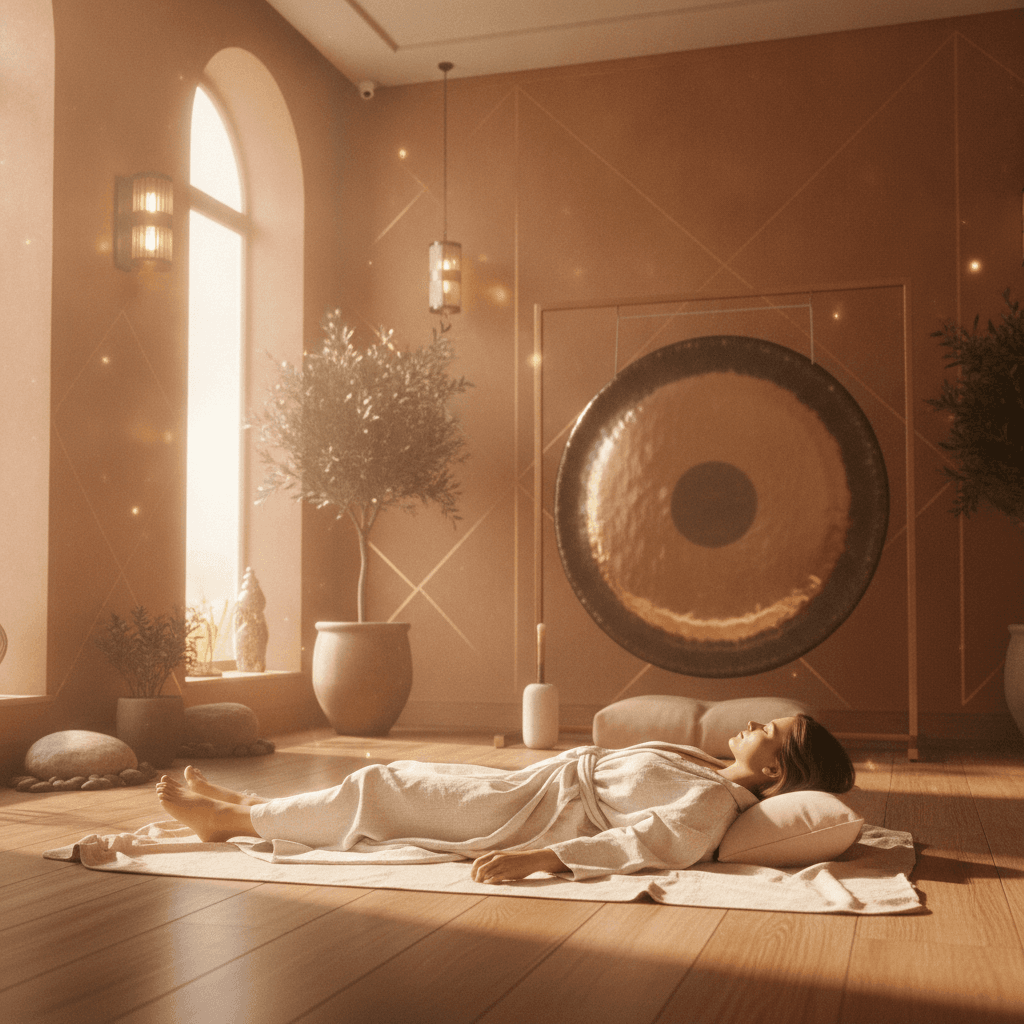
Create a Spa Atmosphere at Home with Sound Wellness
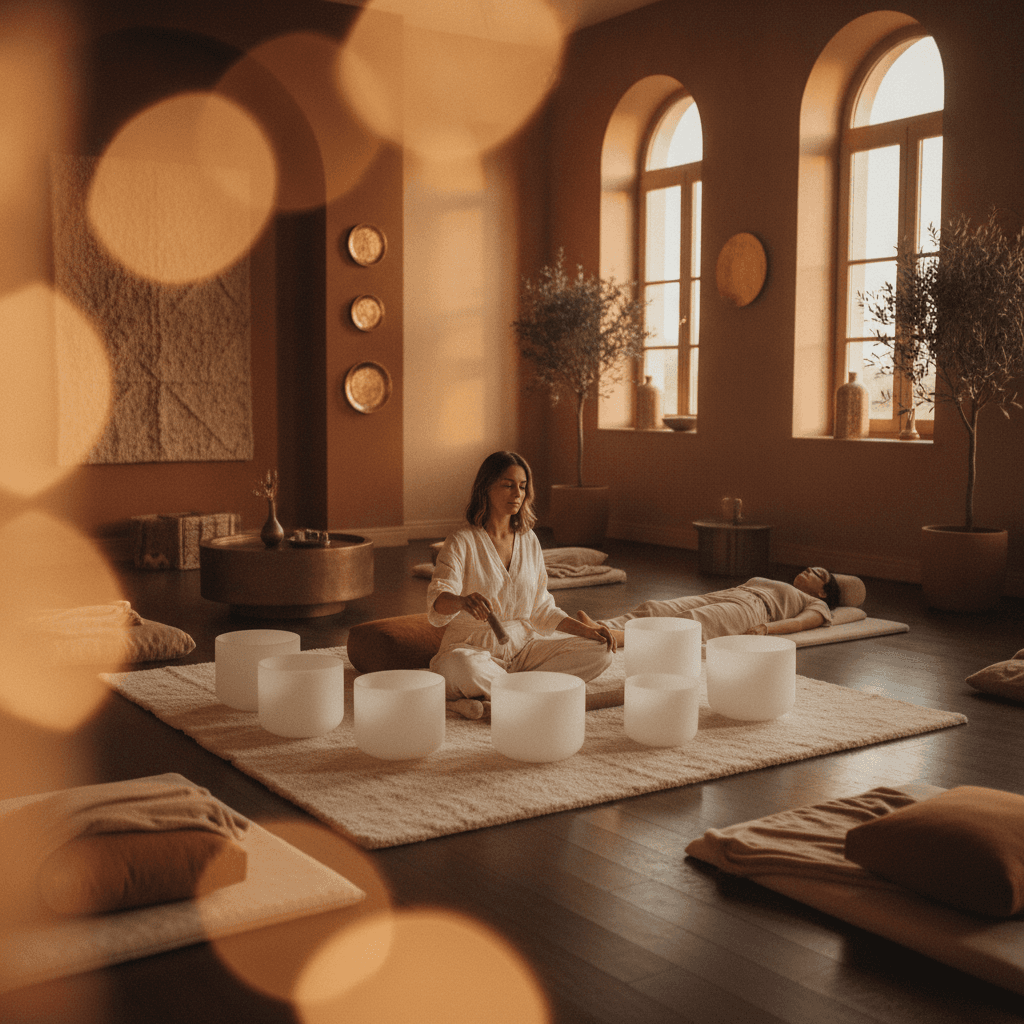
Key Insights
Discover how to transform your home into a serene sanctuary using the science of sound. Learn practical, research-backed techniques from Soul Art Dubai's Larissa Steinbach for deep relaxation and stress relief.
What if the most profound element of a luxury spa—the deep sense of calm that lingers for days—wasn't the plush robes or aromatic oils, but something you could recreate anywhere, anytime? In our hyper-connected world, the lines between work and rest have blurred, making a personal sanctuary not just a luxury, but a necessity. The secret to crafting this oasis lies in an often-overlooked sense: hearing.
This is not simply about playing relaxing music. It’s about leveraging the science of sound to intentionally shift your physiological and psychological state. In this guide, we will explore the research-backed power of sound to create a spa-like atmosphere in your own home. You will learn how specific frequencies can influence your brainwaves, how to curate a therapeutic “soundscape,” and how these principles are applied in professional wellness studios like Soul Art to facilitate deep restoration.
The Science of Serenity: How Sound Shapes Your State
For decades, sound-based wellness was considered a fringe practice. Today, a growing body of evidence from institutions like MIT and findings published in peer-reviewed journals reveal the measurable effects of sound and vibration on the human body. The concept of a spa atmosphere is deeply rooted in this science, engaging our senses to trigger a state of profound relaxation.
From Sound Waves to Brainwaves: The Principle of Entrainment
At the core of sound wellness is a principle called brainwave entrainment. This is the natural tendency of our brainwaves to synchronize with the rhythm of external sensory stimuli, such as sound. When you listen to a slow, steady beat or a resonant frequency, your brain activity may begin to mirror that pattern, shifting from the alert, high-frequency beta waves of a busy mind to the slower alpha (relaxed awareness) and theta (deep meditation) waves.
This shift activates the parasympathetic nervous system, our body’s “rest and digest” mode. As Mark Sands, VP of Wellness at Six Senses, notes, certain sounds can help your muscles relax, breathing to slow, and blood pressure to lower—all without conscious effort. It’s an effortless way to change your emotional state.
The Power of Specific Frequencies
Research is uncovering how particular frequencies can have targeted effects. Studies have explored a range of applications, from pain management to cognitive support.
- Pain Perception: A comprehensive scoping review on vibroacoustic therapy—which involves both sound and physical vibration—found that 40 Hz was the most commonly used frequency for adult pain, with sessions often lasting 20-45 minutes. Research on fibromyalgia also suggests whole-body vibration can lead to immediate improvements in pain intensity and quality of life.
- Cognitive Function: Groundbreaking studies from MIT’s Picower Institute have explored how 40 Hz light and sound may reduce hallmarks of Alzheimer’s pathology in early trials. This process, termed “gamma entrainment using sensory stimulation” (GENUS), highlights the profound potential of sound to interact with our neurological systems.
Creating a Therapeutic Soundscape
A true spa atmosphere is not about absolute silence, but about a rich, therapeutic soundscape. Research into the design of healing environments, like traditional European medical spas, supports this. A study by Methorst et al. (2021) noted that the diversity of bird species in spa parks creates a natural soundscape that has a positive impact on mental health.
This aligns with the Japanese practice of shinrin-yoku or "forest bathing," which encourages immersing all five senses in nature. The rustling leaves, birdsong, and flowing water are not just background noise; they are active ingredients in the restorative experience.
How It Works in Practice
Understanding the science is one thing, but experiencing its effects is another. When theory is translated into practice, sound becomes a powerful tool for inner transformation, moving beyond simple listening to a full-body sensory journey.
The Journey Inward: A Sensory Experience
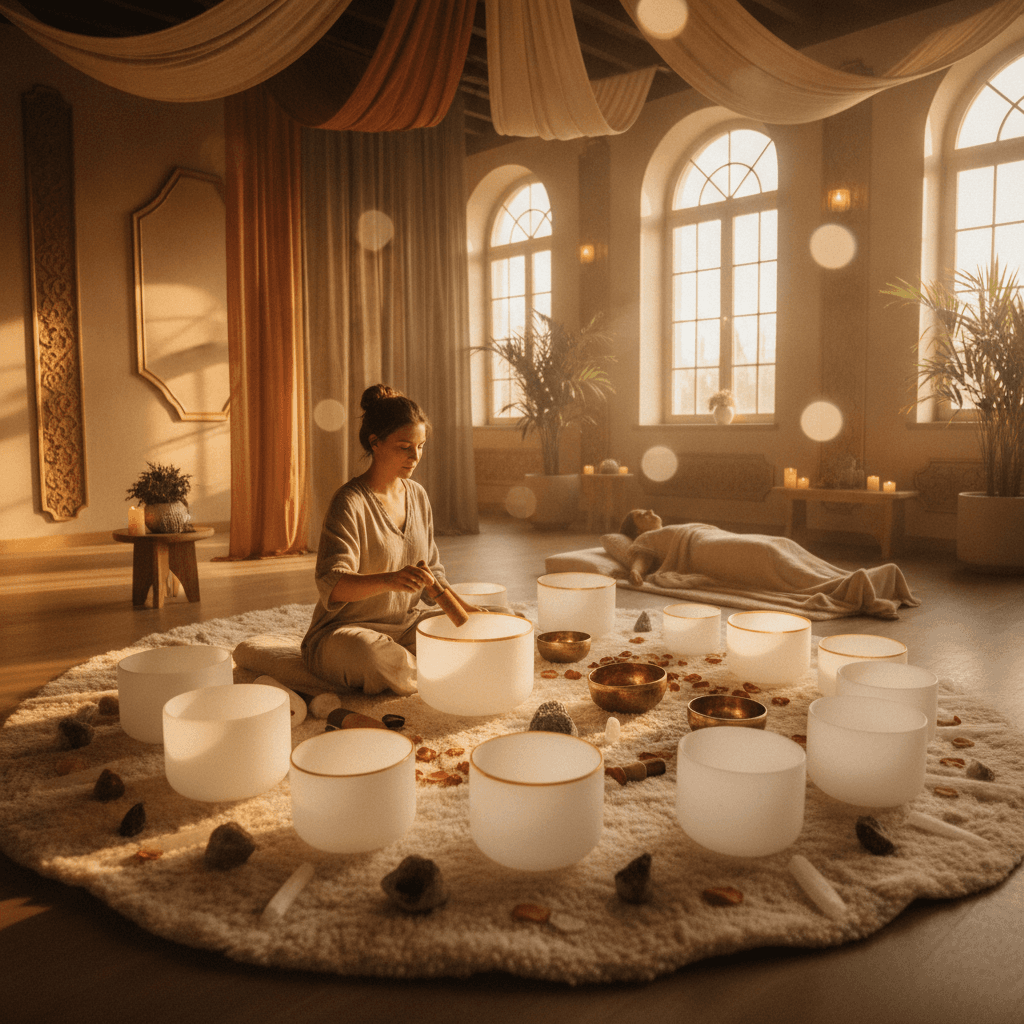
A guided sound session, often called a "sound bath," is designed to immerse you completely. The experience is often described as transformative, allowing for a level of rest that feels deeper and more restorative than other relaxation methods.
"I can think of nothing else that requires you to do nothing but lie there—and you leave feeling better and healthier. The state of relaxation you can reach in such a short time is unparalleled." – A student of sound wellness practitioner Monique Mead
This deep relaxation can significantly enhance mood and reduce stress. A 2022 meta-analysis found that music-based interventions improved mental health–related quality of life, and one study with the University of Pittsburgh reported participants experiencing a 70% drop in perceived stress after a structured sound bath.
More Than Just Hearing: Vibroacoustic Benefits
The magic of instruments like Tibetan singing bowls and gongs is that their impact is not limited to what you hear. The vibrations they produce travel through the air and, when placed on or near the body, through your skin, muscle, and tissue. Your body, which is over 60% water, is an excellent conductor of these vibrations.
This vibroacoustic effect is a key component of the experience. Experts believe these physical vibrations contribute to the health benefits, potentially easing tension in the body and affecting stress hormones that can exacerbate pain. It’s a holistic experience that engages you on a cellular level.
Quieting the 'Monkey Mind'
For many, the biggest obstacle to relaxation is an overactive mind. Sound wellness provides an elegant solution. By giving your brain a simple, engaging task—to listen to the complex overtones of a singing bowl or the sustained resonance of a gong—it helps to quiet incessant thoughts. This focus acts as an anchor, gently guiding you away from anxious loops and into the present moment.
The Soul Art Approach: Curated Sound for Modern Dubai
At Soul Art, we bridge ancient wisdom with modern science to create deeply restorative experiences. Our founder, Larissa Steinbach, has meticulously designed our sessions to be more than just a random collection of sounds. Each session is a carefully curated journey, tailored to guide the urban professional from a state of stress and hyperconnectivity to one of peace and clarity.
Our approach is grounded in the principles of resonance and entrainment, using a specific selection of world-class instruments. We primarily work with Himalayan (Tibetan) singing bowls, whose rich, complex tones are at the heart of our practice. Observational studies, such as those by Goldsby et al., have examined the effects of singing bowl meditation on mood, tension, and well-being, finding significant reductions in tension and anxiety.
What makes the Soul Art method unique is the intentionality. Following practices refined in luxury wellness centers worldwide, we may incorporate the placement of bowls around or on the body. This allows the vibrations to work directly on your system, deepening the release of physical and energetic blockages. It is a precise, high-touch, and profoundly personal application of sound science.
Your At-Home Sound Sanctuary: A Practical Guide
While a professionally guided session offers the deepest experience, you can begin cultivating a spa-like atmosphere at home today. Here are a few practical steps to get started:
- Curate Your Soundscape: Move beyond standard playlists. Explore high-quality recordings of nature sounds (like forests or oceans), binaural beats designed for relaxation (alpha waves), or instrumental music. As noted in The Inspired Room, even a simple choice like Norah Jones can set a calming evening tone.
- Invest in Quality Sound: The difference between listening on tinny phone speakers versus high-fidelity headphones or a good speaker system is immense. Quality sound reproduction ensures you receive the full spectrum of frequencies, enhancing the therapeutic potential.
- Create a Multi-Sensory Ritual: Sound is most powerful when combined with other sensory cues. Dim the lights, put on a fluffy robe, and diffuse essential oils. This signals to your brain that it’s time to unwind.
- Embrace Intentional Quiet: A crucial first step is to reduce auditory clutter. Turn off the TV, silence notifications, and ask for a period of quiet. This creates the space needed for a therapeutic soundscape to work its magic.
The Enduring Resonance of Sound
Creating a spa atmosphere at home is not about lavish spending; it's about the intentional use of sensory tools to shift your state of being. Sound, as we've seen, is arguably the most powerful and accessible of these tools. Grounded in the science of brainwave entrainment and vibroacoustics, specific frequencies and curated soundscapes can activate your body's natural relaxation response.
By consciously choosing what you listen to, you can reduce stress, enhance your mood, and cultivate a sanctuary of calm amidst the noise of daily life. This practice empowers you to take control of your environment and, by extension, your well-being.
Here in Dubai, Larissa Steinbach invites you to experience the profound effects of a professionally guided sound journey at Soul Art. Discover how a session tailored just for you can reset your nervous system and restore your inner balance.
Bookings Coming Soon
Soul Art is still in preparation. Session details and booking will be published here after launch.
Coming Soon
Related Articles
Choosing Your Sound Sanctuary: A Guide to Premium Sound Baths in Dubai
Discreet Resonance: Premier Wellness for Public Figures in Dubai
Unlock Deep Peace: Your Half-Day Private Sound Retreat at Home