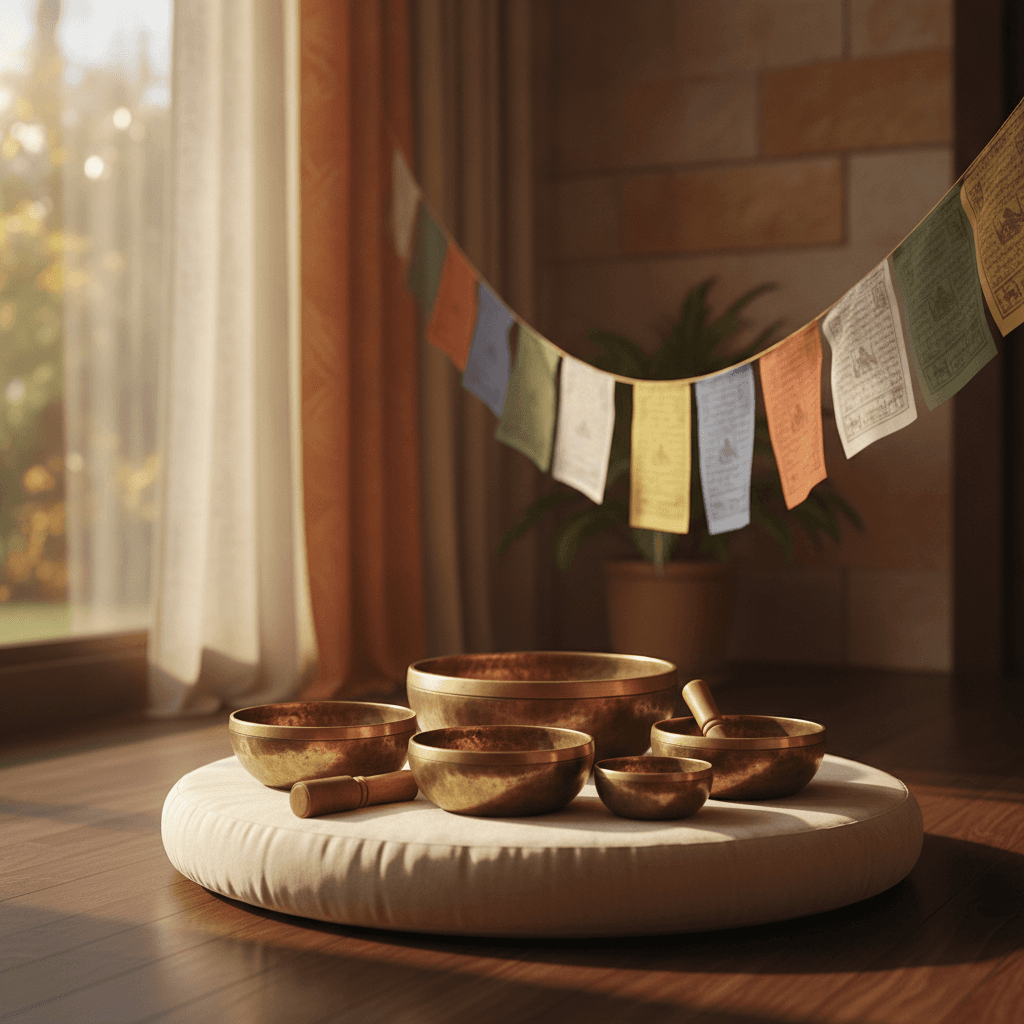
Harmonizing Dubai Homes: Marble, Rugs, and Singing Bowl Resonance for Wellness

Key Insights
Discover how Soul Art and Larissa Steinbach blend Dubai's luxury aesthetics with scientific acoustics, enhancing your home's soundscape for deep relaxation.
Have you ever considered that the very surfaces of your luxurious Dubai home might be shaping your internal peace? In a city renowned for its architectural grandeur, often adorned with resplendent marble, the interplay between your living space and your well-being is more profound than you might imagine. The acoustic environment of a home, frequently overlooked, is a silent contributor to our daily stress levels or, conversely, our deepest states of relaxation.
At Soul Art, Dubai's premier sound wellness studio, founder Larissa Steinbach understands this intricate relationship intimately. We believe that true luxury encompasses not just what you see and touch, but also what you hear and feel. This article will delve into the fascinating science behind home acoustics, explore how common Dubai home elements like marble floors and plush rugs influence sound, and reveal how these factors uniquely interact with the profound resonance of Himalayan singing bowls to enhance your journey towards holistic well-being. Prepare to learn how to curate a sanctuary where sight, sound, and touch converge, fostering an environment where deep relaxation and inner harmony can truly flourish.
The Physics of Sound and Space: Curating Your Home's Auditory Signature
Every surface in your home plays a crucial role in shaping its acoustic character. Sound waves, much like light, either reflect, absorb, or transmit through materials. Understanding this fundamental principle is the first step towards transforming your living space into an oasis of calm. In the vibrant environment of Dubai, where open-plan designs and hard, reflective surfaces are common, this understanding becomes particularly vital for cultivating a serene sanctuary.
Hard Surfaces and Acoustic Reflections: The Marble Effect
The captivating beauty of marble flooring, a hallmark of luxury in many Dubai residences, is undeniable. Its polished surface and dense composition are designed to exude elegance and sophistication. However, these very qualities, while visually stunning, also make marble an excellent sound reflector. When sound waves encounter a hard, smooth surface like marble, they bounce back into the room with minimal energy loss, leading to increased reverberation and echo.
This phenomenon, often described as "lively acoustics," can transform everyday sounds – footsteps, conversations, music – into a cacophony that feels less than harmonious. The gentle echo of footsteps in a grand hallway, or the softened resonance of conversations in a living room, can contribute positively to the emotional experience of a home, but this brilliance must be carefully curated to avoid unwanted noise and discomfort. Imagine attempting a deeply relaxing sound bath in a room where every subtle tone of a singing bowl reverberates harshly, competing with its own echoes. This unwanted amplification can be detrimental to the delicate process of achieving a meditative state.
Similarly, hardwood flooring, another popular choice for its timeless appeal, shares a similar acoustic profile. Hardwood floors also reflect sound waves, contributing to increased noise levels and echoes. While beautiful, without proper acoustic management, these surfaces can make it challenging to create a quiet, focused environment conducive to relaxation practices. Even specific types of marble, like Grey Bliss, with its dense composition, reflects sound crisply, marking transitions between spaces without necessarily amplifying noise, but its primary function is still reflection, which requires careful balancing.
Softening the Echo: The Role of Absorption
To achieve the perfect acoustic equilibrium in interiors with prominent hard surfaces, designers and wellness enthusiasts alike turn to materials that absorb sound. This is where the strategic incorporation of acoustically softer elements becomes paramount. Plush rugs, heavy draperies, upholstered furniture, and even natural indoor greenery act as sound dampeners, scattering and absorbing sound waves rather than reflecting them.
Rugs and runners, strategically placed in high-traffic areas or central to a living space, can significantly help dampen sound reflections and improve overall acoustics. They effectively reduce reverberation time, making a room feel warmer and quieter. Think of how a large, thick area rug can instantly transform a vast, echoing space into one that feels more intimate and comfortable. This not only enhances the comfort and sensory harmony of the room but also creates an environment where sound, particularly the subtle nuances of sound wellness instruments, can be truly appreciated.
Other flooring options like cork are lauded for their natural sound-absorbing properties, offering a serene and harmonious atmosphere. Even laminates and vinyl flooring, which can be acoustically diverse, can contribute positively if chosen with built-in underlayment or thicker planks, which help to dampen sound reflections. Layering these elements alongside diffused ambient lighting, fluted panels, or coffered ceilings further enhances the comfort and sensory harmony, contributing to an atmosphere that truly feels luxurious – not just visually, but audibly. This holistic approach to spatial design, where sight, sound, and touch converge, is integral to shaping how we live and feel within our surroundings, allowing for a future of design focused on holistic experience.
Understanding Resonance: How Singing Bowls Interact with Space
Beyond managing ambient noise, understanding the concept of resonance is key to appreciating the power of Himalayan singing bowls. All objects possess a natural frequency at which they prefer to vibrate. When an external sound wave, like that produced by striking or circling a singing bowl, matches this natural frequency, the object begins to vibrate with greatly increased amplitude – a phenomenon known as resonance.
The sound produced by singing bowls is not just a single tone but a complex symphony of overtones and undertones, each carrying specific vibrational frequencies. These vibrations impact the physical body through sympathetic resonance. Scientific evidence confirms the profound impact of sound vibrations on physical and emotional health, facilitating deep relaxation. A comparative study aimed to examine if sound vibrations from Himalayan Singing Bowls could induce faster and deeper relaxation compared to simple supine silence, hypothesizing better depth of relaxation based on objective physiological parameters like Stress Index and Heart Rate Variability (HRV). Preliminary studies, while observational, provide groundwork for future research regarding the effects of singing bowl meditations on assessments of stress and well-being, suggesting potential benefits to cardiovascular health.
When a singing bowl is played, its edges begin to change shape, creating subtle vibrations that are transmitted to the surrounding air and, if water is present, generating fascinating wave patterns known as Faraday waves. This intricate interplay of vibration and resonance is what allows the sound of the bowls to penetrate deeply, not just through auditory perception but through direct cellular vibration. The human body, being composed largely of water, is particularly receptive to these vibrational frequencies, which may help activate the parasympathetic nervous system, commonly known as the "rest and digest" mode. This shift away from the "fight or flight" mode (sympathetic nervous system hyper-activation) is crucial for stress management and overall well-being.
Research suggests that sound vibrations from therapeutic interventions, such as those from singing bowls, can have a profound impact on the body and mind, with evidence confirming reduced anxiety and increased well-being. A systematic review on the effects of Tibetan Singing Bowl sound intervention found positive impacts on psychological outcomes (e.g., anxiety, depressive symptoms, and quality of life) and physiological outcomes (e.g., HRV and brainwave activity) in adults. This means that an environment optimized for sound absorption allows the subtle, therapeutic frequencies of the bowls to be felt more purely, without the distracting interference of excessive echoes and reverberation.
How It Works in Practice: Crafting Your Sound Sanctuary
In the modern, often minimalist homes of Dubai, the auditory experience can sometimes feel cold or overly stark due to the prevalence of hard surfaces. Imagine a spacious living room, walls adorned with art, stunning marble floors gleaming under the light, but lacking the warmth of soft furnishings. In such a setting, a conversation might feel distant, and music might lack depth, overwhelmed by echoes. This environment, while visually striking, may not inherently support deep relaxation or immersive sound experiences.
When Larissa Steinbach brings Soul Art’s sound wellness sessions into a client’s home, the existing acoustics are a vital consideration. The goal is to transform the space, however temporarily, into a haven where the therapeutic frequencies of the bowls can be fully experienced. The gentle, sustained tones of a Himalayan singing bowl, when played in an acoustically balanced room, unfold with remarkable clarity and depth. Instead of a harsh echo, you experience a soft, lingering resonance that seems to wash over you, enveloping your senses.
The carefully curated sounds can guide you effortlessly into a meditative state. In a room where rugs and soft furnishings absorb excessive sound, the primary vibrations from the bowls are perceived directly, allowing the body to more readily entrain with their calming frequencies. This creates an immersive experience where the mind can quieten, and the body can release tension, unburdened by auditory clutter. Clients often report feelings of deep relaxation, a sense of inner peace, and a profound connection to the present moment. The serene hush of a bedroom, subtly enhanced by textile layers, contributes significantly to this emotional experience of a home. This controlled resonance allows for an immersive, sensory journey, where the luxurious allure of natural stone harmonizes with the therapeutic power of sound.
"The future of spatial design lies in holistic experience, where sight, sound, and touch converge to shape how we live and feel within our surroundings. Natural stones play an integral role in this narrative of achieving harmony."
This holistic perspective underpins every Soul Art session. The goal isn't just to play instruments, but to create an entire sensory landscape that promotes wellness. From the moment the sound begins, through the nuanced shifts in tone and vibration, to the serene silence that follows, the acoustic environment plays a crucial, often unseen, role in the journey. The combination of reflective and absorptive surfaces, when thoughtfully managed, allows the sound to be both expansive and intimate, creating a truly unique and deeply personal experience.
The Soul Art Approach: Larissa Steinbach's Philosophy
Larissa Steinbach, founder of Soul Art, is a visionary in the field of sound wellness. Her approach is rooted in the understanding that our external environment profoundly impacts our internal state. She recognizes that the luxurious homes of Dubai, while aesthetically magnificent, present unique acoustic challenges that must be addressed to maximize the therapeutic potential of sound. Her expertise lies not only in the masterful playing of Himalayan singing bowls but also in her ability to intuitively assess and adapt to the acoustic landscape of each individual space.
The Soul Art method is unique because it integrates an awareness of architectural acoustics with ancient sound healing practices. Larissa doesn't just conduct a session; she curates an experience tailored to your specific environment. Whether in a grand marble-floored villa or a cozy apartment, she leverages her understanding of sound reflection and absorption to optimize the sound journey. She may suggest subtle adjustments, like positioning the bowls strategically or utilizing existing soft furnishings, to create an optimal sonic field.
At Soul Art, we primarily use high-quality Himalayan singing bowls, renowned for their rich overtone series and powerful vibrational frequencies. These instruments are chosen not only for their sonic purity but also for their ability to induce deep states of relaxation and promote the activation of the parasympathetic nervous system. Larissa's skilled manipulation of these bowls, combined with her intuitive understanding of how sound travels and resonates within different architectural settings, ensures that each session is a deeply personalized and transformative experience. Many people report that these low-tech forms of meditation, guided by expert hands, facilitate deep relaxation without requiring the individual to learn a disciplined form of meditation, making them accessible to everyone. The aim is to provide better depth of relaxation as compared to simple, supine relaxation, as demonstrated by objective physiological parameters.
Beyond the bowls, Larissa incorporates other complementary techniques and instruments as needed, always with the intention of guiding clients towards a state of profound peace and restorative balance. The essence of the Soul Art approach is to create a harmonious resonance between the individual, the sound, and the surrounding space, fostering a holistic sense of well-being that resonates long after the session concludes. This intersection of experience and craftsmanship truly embodies luxury that engages every sense.
Your Next Steps: Cultivating Acoustic Harmony at Home
Creating an acoustically balanced environment doesn't require a complete overhaul; often, small, thoughtful adjustments can make a significant difference. By consciously integrating elements that absorb sound, you can enhance your home's comfort and create a more conducive space for relaxation and self-care practices like sound wellness.
Here are 3-5 actionable steps you can implement today to harmonize your Dubai home's acoustics:
- Embrace Soft Furnishings: Introduce more plush area rugs, thick curtains or drapes, and upholstered furniture. These materials are excellent sound absorbers and can dramatically reduce echo and reverberation, particularly on hard floors like marble or hardwood. Consider layering rugs for an added acoustic benefit.
- Integrate Natural Elements: Indoor plants, especially those with large, dense leaves, can help diffuse sound waves. Fluted panels or wooden accents on walls can also break up sound reflections, contributing to a softer acoustic profile.
- Strategic Furniture Placement: Arrange furniture to break up large, open spaces. Bookshelves filled with books, for instance, are not only aesthetically pleasing but also effective sound diffusers and absorbers. Avoid placing all hard, reflective furniture against walls.
- Consider Acoustic Underlayment: If you're planning new flooring, explore options with built-in underlayment for laminates and vinyl, or acoustic cork flooring. These can provide excellent sound absorption from the ground up, reducing both impact noise and airborne sound reflection.
- Experience Professional Guidance: To truly understand and optimize your home's acoustic potential for deep relaxation, consider booking a personalized sound wellness session with Soul Art. Larissa Steinbach can assess your space and guide you through an experience tailored to its unique auditory signature.
By taking these steps, you not only elevate the aesthetic appeal of your home but also consciously design a space that nourishes your auditory senses and supports your emotional and physical well-being.
In Summary: The Symphony of Your Soul and Space
The quest for well-being in Dubai's dynamic environment extends beyond diet and exercise; it encompasses the very sounds that fill our homes. We've explored how the elegant marble floors and architectural choices common in luxury residences significantly influence a home's acoustics, often creating reverberant spaces that can inadvertently contribute to stress. Yet, with conscious design and the strategic inclusion of soft furnishings like plush rugs, these spaces can be transformed into havens of acoustic harmony.
This acoustic balance is paramount for maximizing the therapeutic power of sound wellness. When the environment supports optimal sound absorption, the profound, healing vibrations of instruments like Himalayan singing bowls can penetrate deeper, facilitating quicker and more profound states of relaxation, reducing anxiety, and supporting overall well-being. Larissa Steinbach and Soul Art are dedicated to helping you unlock this potential, guiding you in creating a home environment where every sound contributes to your peace. Reclaim your sanctuary; let your home resonate with the frequencies of tranquility.
Bookings Coming Soon
Soul Art is still in preparation. Session details and booking will be published here after launch.
Coming Soon
Wellness Disclaimer: This article is for educational and informational purposes only. It does not constitute medical advice, diagnosis, or treatment. Soul Art Dubai provides non-medical wellness experiences focused on relaxation, stress management, and general wellbeing. Sound wellness is a complementary practice and should not replace professional medical care.
Related Articles
Unlock Harmonious Flow: Common Singing Bowl Mistakes to Avoid
Resonance Ready: Preparing a Sound Bowl Set for Private Client Well-being
Microphone Mastery: Recording Singing Bowls for Deeper Wellness