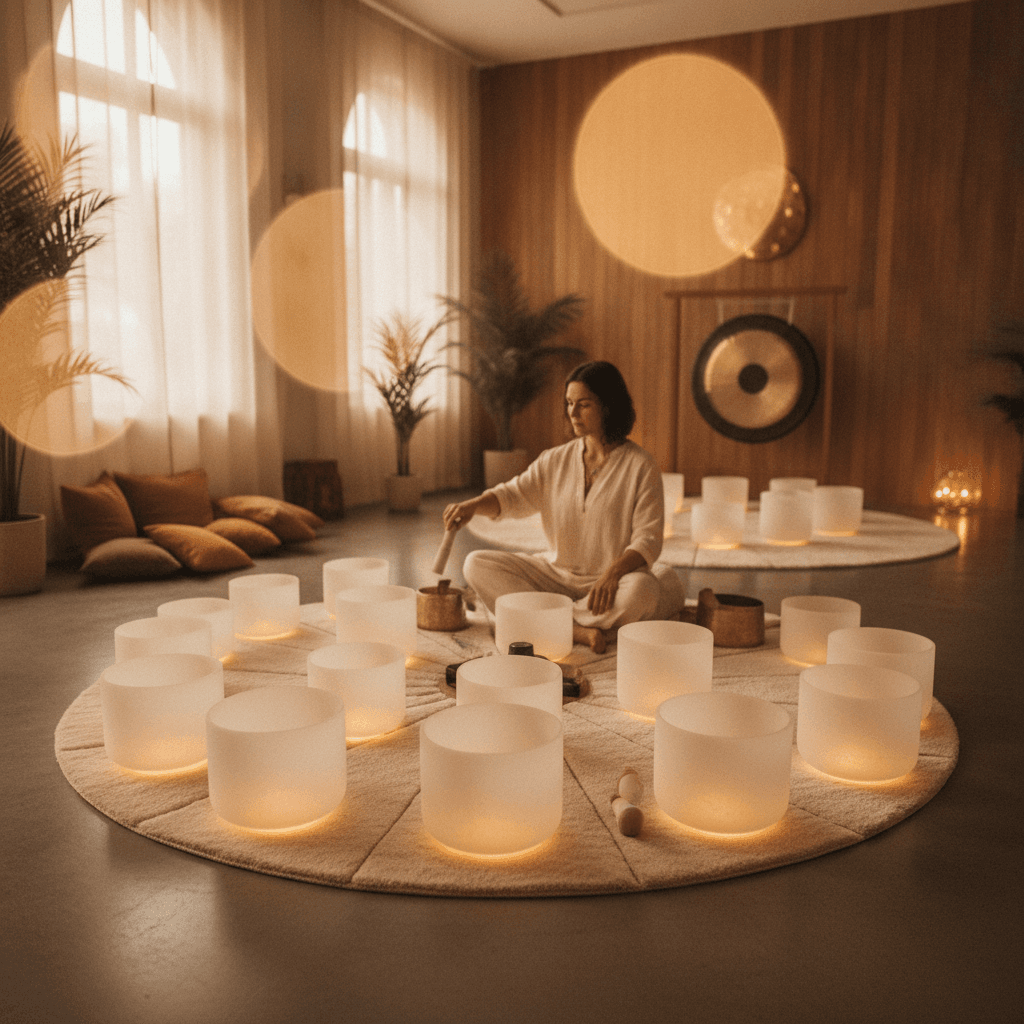
Unlock Harmonious Flow: Common Singing Bowl Mistakes to Avoid
Key Insights
Discover the science behind singing bowls, learn to overcome beginner mistakes, and deepen your relaxation practice with Soul Art Dubai.
Have you ever tried to play a singing bowl, only to produce a discordant rattle or a fleeting hum instead of a sustained, resonant tone? This experience is far more common than you might think, often leading beginners to conclude that sound wellness is simply not for them. Yet, the journey to harmonious sound is not about inherent talent, but about understanding a few fundamental principles and sidestepping prevalent beginner pitfalls.
At Soul Art Dubai, founded by Larissa Steinbach, we believe everyone can unlock the profound relaxation and stress reduction benefits that singing bowls offer. This article will guide you through the scientific underpinnings of these ancient instruments, reveal the most common mistakes beginners make, and equip you with practical techniques to cultivate a truly transformative sound experience. Mastering your singing bowl is not just about technique; it's about fostering a deeper connection to self and cultivating an oasis of calm in our fast-paced world.
The Science Behind the Song: Understanding Singing Bowl Mechanics
The captivating sounds of singing bowls are not born of magic, but rather the elegant dance of physics. These instruments, whether crafted from metal alloys like copper and brass or exquisite quartz crystal, transform physical impact into profound auditory and tactile experiences that resonate deep within us. Understanding this mechanism is the first step toward harnessing their full potential for wellness.
How Sound Works: Vibrations and Resonance
When a singing bowl is struck or rimmed, its material vibrates, creating sound waves that travel through the air. This vibration isn't static; studies, such as those observing Faraday waves, show the bowl's rim changing shape, transferring energy to its surroundings, visibly demonstrated by water dancing within. The unique blend of metals and the bowl's specific shape determine its distinct overtone series, which are the multiple harmonic frequencies that create its rich, complex sound.
This intricate interplay of vibrations and overtones forms a principle known as resonance. When we engage with a singing bowl, its vibrations can entrain our own body's natural rhythms. This means our system, through the principles of sympathetic resonance, begins to synchronize with the bowl's calming frequencies, subtly shifting our internal state.
The Body's Response: Neuroscience of Relaxation
The audible and palpable vibrations of singing bowls trigger measurable physiological and psychological responses, predominantly linked to the activation of the parasympathetic nervous system – our body’s "rest and digest" mode. Some research suggests that engaging with singing bowls can lead to a significant decrease in heart rate and blood pressure, signaling a shift away from the stress response.
Preliminary studies indicate a reduction in cortisol and other stress hormones, which are pivotal in managing the body's reaction to stress. Furthermore, listening to singing bowls has been associated with an increase in alpha brain wave activity, a state commonly linked with deep relaxation, mindfulness, and pre-sleep tranquility. A 2019 study, for instance, found that Himalayan singing bowls could induce a deeper and more consistent state of relaxation than simply lying in silence, often in less than 20 minutes. A 2020 research review highlighted that singing bowl therapy has been associated with improved mental and emotional health, echoing findings from an earlier 2016 observational study.
While the exact mechanisms behind all reported benefits are still areas of ongoing research, what we can confidently say is that the benefits of singing bowls likely relate to their capacity to enhance relaxation, support meditation, and effectively reduce stress.
It is vital to approach claims about singing bowls with a discerning mind. Many popular assertions, such as "cellular-level healing," "energy clearing," or "curing specific conditions," currently lack robust scientific backing. While anecdotal evidence is plentiful and inspiring, it is important to distinguish between scientifically supported benefits like stress reduction and those claims that remain unproven by rigorous, peer-reviewed studies. Soul Art focuses on the demonstrable benefits, offering a grounded and effective approach to well-being.
Mastering the Art: Common Beginner Mistakes and How to Avoid Them
Embarking on the journey of playing singing bowls can be incredibly rewarding, yet many beginners encounter common hurdles that can dampen their initial enthusiasm. Understanding these typical mistakes and how to correct them is crucial for unlocking the full, resonant potential of your bowl and, by extension, your wellness practice.
The Striking Method: A Foundation for Sound
The striking method is often the easiest starting point for beginners. It involves a simple, direct interaction with the bowl to initiate sound.
- Placement: Always place your singing bowl on a cushion or hold it gently in the flat palm of your non-dominant hand. This allows the bowl to vibrate freely without obstruction.
- Mallet Grip: Hold your mallet like you would a pen or a light drumstick, with a relaxed but firm grip. Avoid clenching, as tension in your hand can transfer to the strike.
- The Strike: With a firm but gentle force, strike the outer rim of the bowl at a medium angle. The goal is to initiate vibration, not to produce a loud clang.
- Listen and Let Be: Allow the sound to develop, sustain, and fade completely. This teaches you to appreciate the full life cycle of the bowl's unique tone.
The Rimming Method: Cultivating a Continuous Song
The rimming method, often referred to as "making the bowl sing," requires more practice but produces a continuous, meditative tone.
- Initiate Vibration: Begin by striking the bowl once to awaken its initial vibration. This "primes" the bowl for the continuous motion.
- Circular Motion: Immediately after the strike, begin moving the mallet in a circular motion around the outer rim of the bowl.
- Steady Pressure: Maintain steady, even pressure against the edge of the bowl. Too little pressure won't create sound; too much will dampen it.
- Consistent Speed: Keep your speed consistent – neither too fast nor too slow. Experiment to find the "sweet spot" where your bowl sings most clearly.
- Listen for the Song: Wait patiently for the continuous singing tone to emerge. This often takes several rotations.
The Pitfalls: Common Beginner Errors
Understanding these common mistakes can significantly accelerate your learning curve:
- Dampening Vibration with Improper Hand Position: A frequent error is holding the bowl too tightly or letting your fingers touch the sides, which immediately stifles the natural vibrations. Always ensure the bowl rests freely, whether on a cushion or an open, flat palm.
- Inconsistent Pressure or Speed While Rimming: The rimming method demands a delicate balance. Varying pressure or speed will lead to an intermittent or fractured sound, preventing the continuous "singing" tone from emerging. Practice maintaining a uniform touch and pace.
- Moving Too Quickly Around the Rim: Rushing the process is counterproductive. A frantic pace often creates a harsh, scraping sound rather than a smooth, evolving tone. Slow down, be deliberate, and allow the bowl's resonance to build organically.
- Striking Too Hard: While it might seem intuitive to hit harder for more sound, striking a singing bowl with excessive force often creates jarring, harsh overtones rather than a rich, harmonious sound. In extreme cases, it could potentially cause discomfort or, rarely, hearing strain. A firm but gentle strike is key to unlocking its clear voice.
- Giving Up Before Developing the Skill: Learning to play a singing bowl is a skill that requires patience and practice. Many give up after a few unsuccessful attempts, missing out on the joy of mastering the instrument. Persistence truly pays off.
- Buzzing of the Bowls: If you hear a buzzing sound, it often indicates that you are not allowing the bowl to resonate fully. This could be due to incorrect mallet angle, insufficient pressure, or moving too quickly. The goal is to let the bowl's "voice" ring out, not just create friction.
By being mindful of these common missteps, you can quickly move past initial frustrations and begin to cultivate a beautiful, resonant sound that truly enhances your relaxation and mindfulness practices.
The Soul Art Difference: A Path to Harmonious Well-being with Larissa Steinbach
At Soul Art Dubai, we understand that learning to connect with a singing bowl is more than just mastering a technique; it's about cultivating a deeper sense of inner peace and equilibrium. Larissa Steinbach, our esteemed founder, has meticulously developed an approach that blends scientific understanding with intuitive practice, guiding individuals toward a truly harmonious wellness journey.
Larissa's method goes beyond mere instruction; it focuses on teaching mindful engagement with sound. She emphasizes listening not just to the notes, but to the subtle vibrations and the profound effect they have on your entire being. This holistic perspective ensures that every interaction with a singing bowl becomes a purposeful act of self-care and stress reduction.
What makes the Soul Art method unique is its dedication to personalized guidance. We recognize that each individual's journey with sound is distinct. Larissa and her team provide tailored support, helping you to identify and correct your specific beginner mistakes, ensuring you develop confidence and proficiency. We use a curated selection of high-quality instruments, including both traditional metal alloy bowls and crystal quartz bowls, each chosen for its smooth, even tone and exceptional resonance.
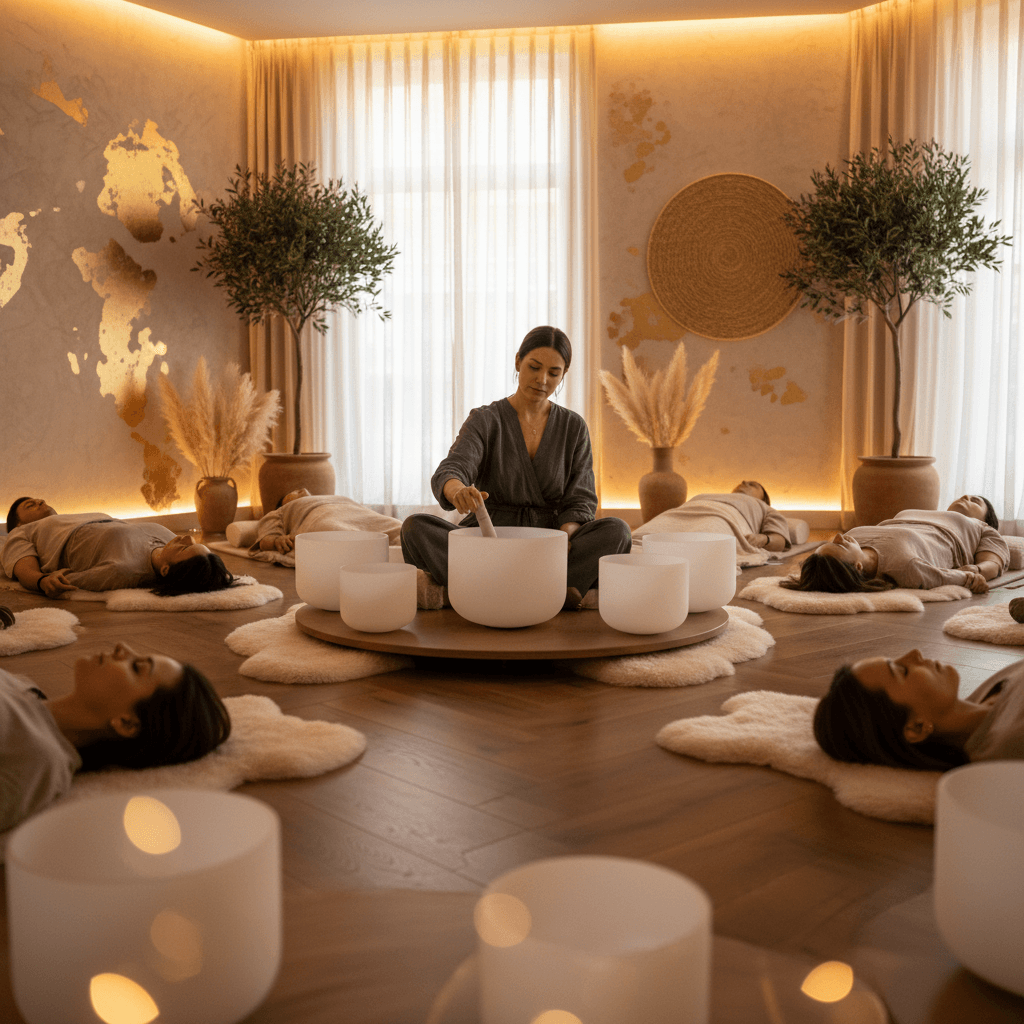
Soul Art’s environment is specifically designed to facilitate deep relaxation. Whether you are learning to play your own bowl or experiencing a sound bath, the serene atmosphere complements the scientific principles of sound wellness. Here, the focus is on enabling you to access states of profound relaxation, supporting emotional balance, and promoting a genuine sense of well-being, all grounded in practices that are both effective and accessible.
Cultivating Your Sound Journey: Practical Steps for Beginners
Embarking on your sound wellness journey with singing bowls is a delightful path to self-discovery and tranquility. Moving beyond beginner mistakes is about conscious practice and mindful engagement. Here are some actionable steps you can implement today to deepen your connection with your singing bowl.
- Embrace Patience and Practice: Recognize that mastery takes time. Dedicate a few minutes each day to practice, even if it's just five to ten minutes. Consistency is more important than duration.
- Start with the Striking Method: Before attempting to "sing" the bowl, become proficient with the striking technique. Focus on creating a clear, resonant tone and letting it fade completely. This builds a strong foundation.
- Cultivate Mindful Listening: Pay close attention to the sound the bowl produces. Notice the subtle changes, the overtones, and how the vibration feels in your hand and body. This deep listening enhances the meditative aspect of the practice.
- Seek Expert Guidance: Consider attending a sound bath or a workshop. Observing experienced practitioners and receiving direct feedback on your technique can dramatically improve your results and deepen your understanding. Soul Art offers a supportive environment perfect for this.
- Create a Peaceful Space: Designate a quiet area for your practice. Eliminate distractions, perhaps light a candle or dim the lights. A calm external environment supports a calm internal state, enhancing the bowl's effects.
By integrating these steps into your routine, you'll not only refine your technique but also unlock a powerful tool for relaxation, stress reduction, and emotional balance.
In Summary: Embracing the Potential of Singing Bowls
The journey with singing bowls, though sometimes met with initial challenges, offers an accessible and profound path to enhanced well-being. We've explored how common beginner mistakes, from improper grip to inconsistent rimming, can hinder the beautiful sounds these instruments are capable of producing. Understanding the underlying science – how vibrations activate our parasympathetic nervous system, decrease stress hormones, and encourage alpha brain wave activity – clarifies why proper technique is so vital for achieving deep relaxation.
At Soul Art, Larissa Steinbach guides individuals through these nuances, offering a method that is both scientifically informed and deeply intuitive. By avoiding typical pitfalls and embracing mindful practice, you can transform your experience, moving from hesitant hums to rich, sustained resonance. This journey is not just about playing an instrument; it's about cultivating an inner sanctuary of calm and harnessing the power of sound for stress reduction and emotional balance.
Bookings Coming Soon
Soul Art is still in preparation. Session details and booking will be published here after launch.
Coming Soon
Wellness Disclaimer: This article is for educational and informational purposes only. It does not constitute medical advice, diagnosis, or treatment. Soul Art Dubai provides non-medical wellness experiences focused on relaxation, stress management, and general wellbeing. Sound wellness is a complementary practice and should not replace professional medical care.
Related Articles
Resonance Ready: Preparing a Sound Bowl Set for Private Client Well-being
Microphone Mastery: Recording Singing Bowls for Deeper Wellness
Himalayan Bowls: Science, Wellness & Respectful Storytelling at Soul Art