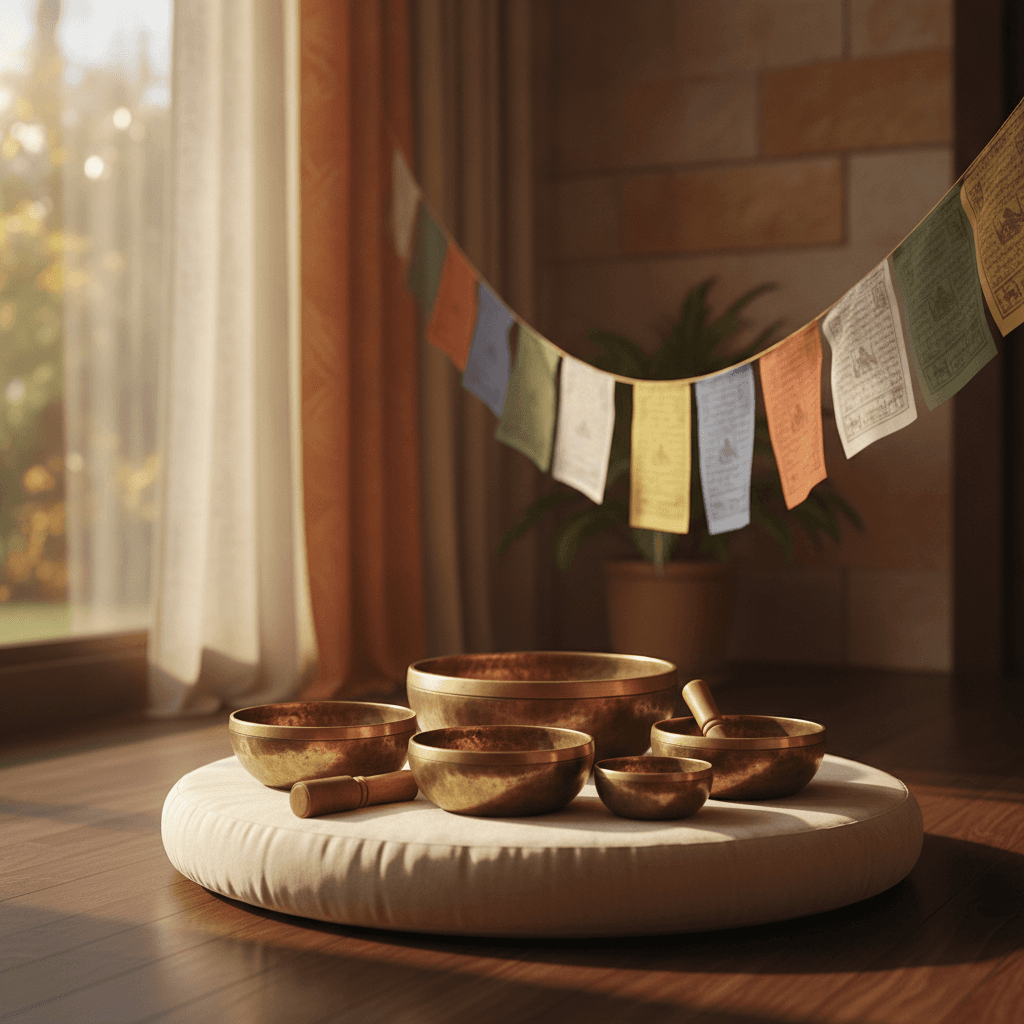
The Physics of Resonance: Mastering Mallet, Pressure & Strike for Singing Bowls
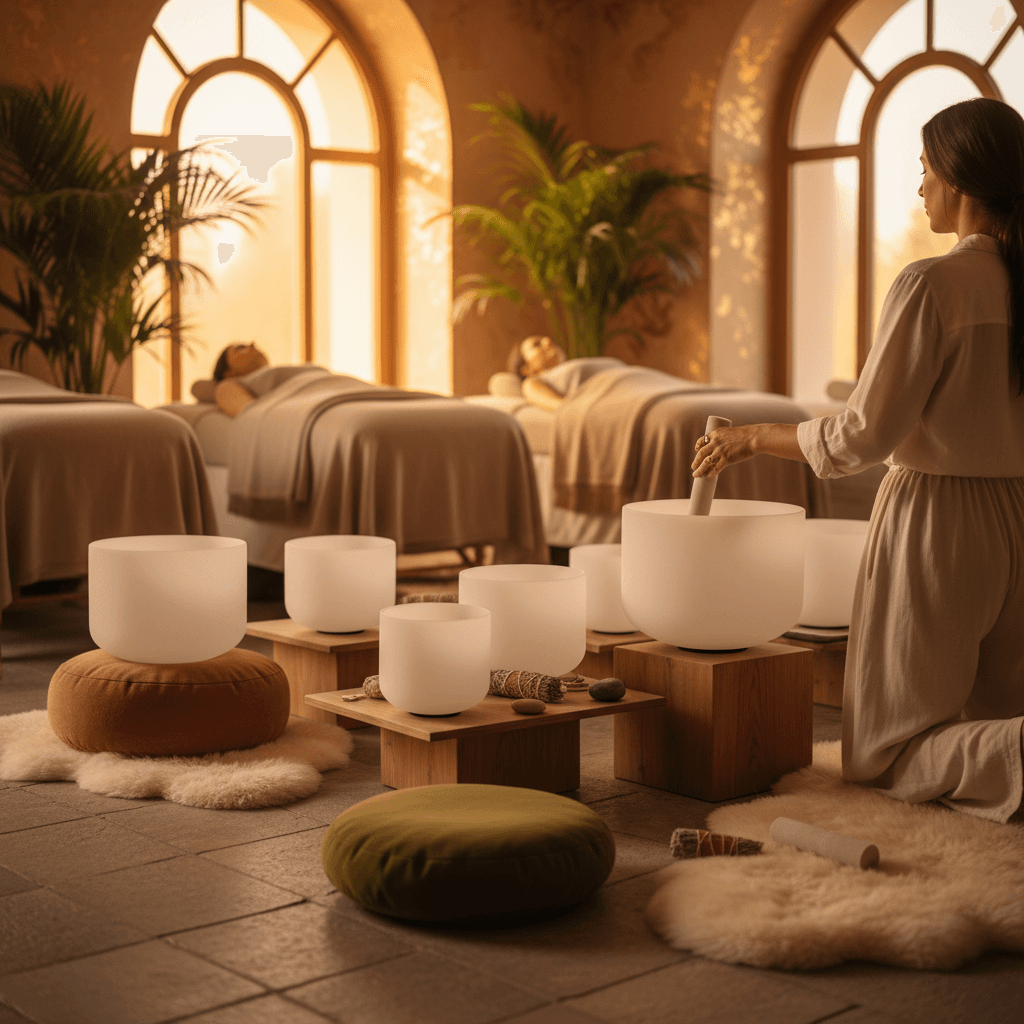
Key Insights
Unlock the scientific secrets behind singing bowls. Explore mallet techniques, pressure dynamics, and strike methods for profound sound wellness with Soul Art.
The Physics of Resonance: Mastering Mallet, Pressure & Strike for Singing Bowls
Have you ever wondered what truly makes a singing bowl "sing"? Is it ancient magic, mystical energy, or something more grounded in our observable world? At Soul Art, we understand that while the experience feels profoundly spiritual, the captivating tones of singing bowls are, at their heart, a magnificent display of physics in action.
This article delves into the fascinating science behind these resonant instruments, specifically focusing on the critical roles of mallet selection, applied pressure, and striking technique. We will explore how these seemingly simple actions unlock a symphony of vibrations, influencing our physical, mental, and emotional landscapes. Join Larissa Steinbach and the Soul Art team as we uncover the secrets to creating truly transformative sound.
Understanding the mechanics empowers you to not just play a bowl, but to truly engage with its potential, fostering a deeper connection to its harmonic power and enhancing your personal wellness journey. Prepare to see singing bowls not just as instruments, but as finely tuned scientific marvels.
The Science Explained: Unveiling the Mechanics of Sound
The enchanting chorus of a singing bowl is far from mystical; it is a direct consequence of fundamental physics principles. When a singing bowl produces sound, it's primarily due to a carefully orchestrated interplay of friction, vibration, and resonance. These elements transform kinetic energy from a mallet into the audible and palpable waves we experience.
Friction, Vibration, and Resonance: The Core Principles
To initiate sound, one must either strike the bowl or rub its rim with a mallet. This initial action generates friction, which is the very first step in creating the bowl’s characteristic sound. As explained by Science Made Simple UK, this friction sets the bowl’s material—whether metal alloy or crystal—into rapid vibration.
These vibrations are the source of the sound waves that travel through the air to our ears and are felt when holding the bowl. The continuous rubbing of the rim, known as "rimming," sustains this friction, keeping the vibrations and thus the sound going. This sustained vibration and amplification of sound at specific frequencies is known as resonance. Resonance is the phenomenon that allows the note to continue to be heard long after the player ceases contact with the mallet, creating the beautiful, decaying tones singing bowls are famous for. The bowl's inherent size, shape, and material are crucial determinants of these unique frequencies.
Brainwave Activity and Hormonal Influence
Beyond the immediate sound, the resonant vibrations produced by singing bowls may exert deeper influences on our physiology. Research suggests these vibrations can influence brainwave activity, potentially guiding the brain into states associated with deep relaxation, such as alpha and theta waves. This shift in brainwave patterns is often linked to reduced mental chatter and an increased sense of calm.
Furthermore, some preliminary studies indicate that exposure to singing bowl sounds may support the reduction of stress hormones like cortisol. By fostering an environment conducive to relaxation, sound wellness practices with singing bowls act as a complementary approach to stress management, supporting the body's natural processes for balance and well-being. A study published in the Journal of Evidence-Based Integrative Medicine demonstrated that singing bowl meditation produced significant improvements in mood, tension, and well-being among participants, especially those new to meditation.
Navigating the Scientific Landscape
It is important to approach claims regarding the therapeutic effects of singing bowls with a balanced perspective. While anecdotal evidence overwhelmingly points to positive physical, mental, and emotional effects, the scientific literature is still evolving. As Chris Kyriakakis, a professor of audio signal processing at the University of Southern California, has noted, there is a scarcity of "scientific published peer-reviewed papers" that fully support claims about sound therapy "unblocking or redirecting energy in the body" or direct interactions with human vibrational frequencies.
However, this does not negate the observed benefits. A systematic review of clinical studies published between 2008 and 2024 identified nineteen studies, including Randomized Controlled Trials (RCTs), demonstrating potential effects on psychological functions such as depression, anxiety, stress, and mood, as well as physiological functions including heart rate variability and respiration rate. These findings underscore the role of singing bowls as a powerful tool for relaxation and stress reduction, even as the precise mechanisms continue to be explored. Soul Art emphasizes these evidence-based benefits for overall well-being.
How It Works in Practice: The Art of Precision
Translating the science of friction, vibration, and resonance into tangible, therapeutic sound requires an understanding of precise playing techniques. The player's interaction with the bowl – through striking or rimming, and the nuanced application of pressure and speed – directly shapes the sonic output and, consequently, the client's experience. This practical application transforms raw physics into an art form.
Striking vs. Rimming: Two Paths to Resonance
There are two primary methods for eliciting sound from singing bowls, each yielding distinct acoustic qualities and applications within a sound wellness session. Striking involves tapping the bowl's edge or side with a padded mallet. This technique produces an immediate, clear tone that decays naturally over time, akin to a bell. It is excellent for marking transitions, punctuating meditation segments, or introducing rhythmic elements into a soundscape.
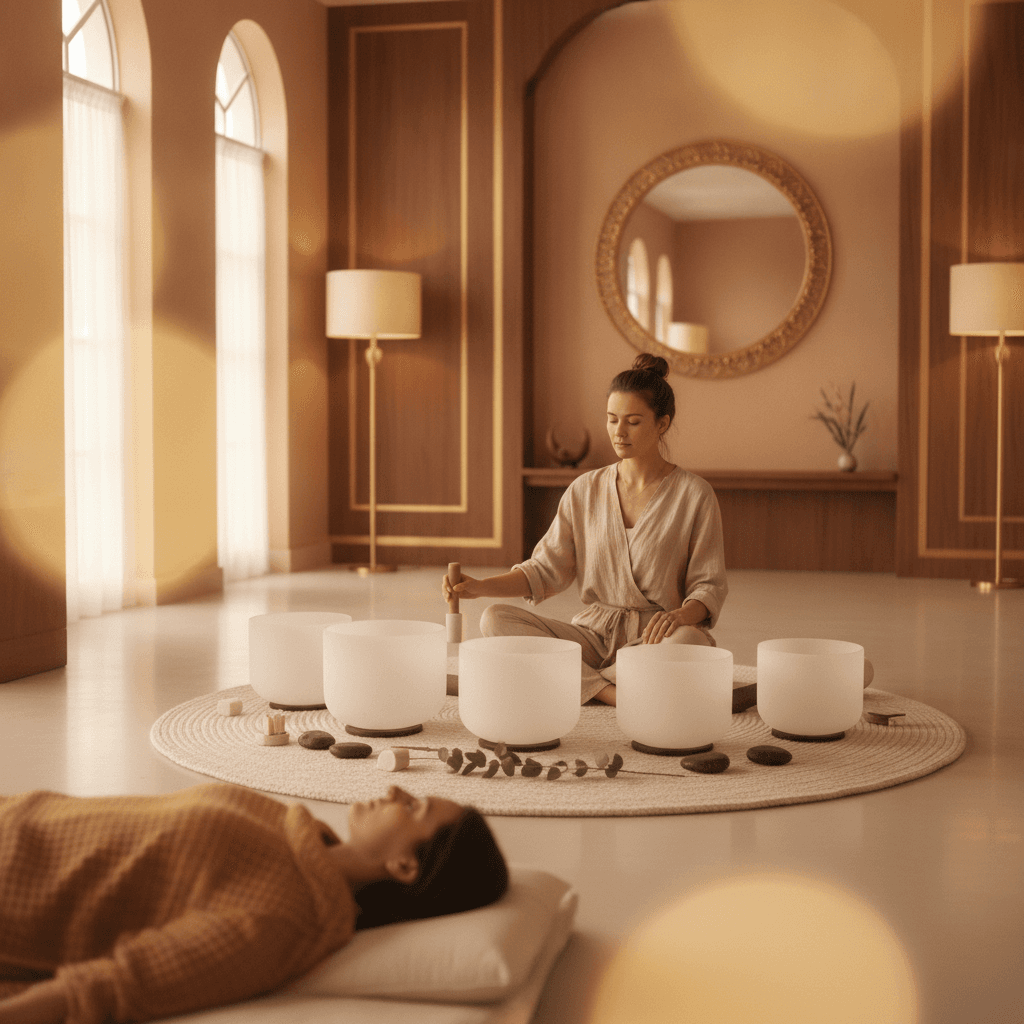
Rimming, also known as playing around the rim, involves applying consistent pressure with a mallet while circling the bowl's outer edge. This technique generates sustained drone tones that gradually build in intensity and complexity. The continuous friction keeps the sound going, allowing for prolonged, immersive vibrations that many people report are deeply relaxing and meditative. For effective rimming, move your arm from the shoulder, rather than just the wrist, to maintain a steady, even motion.
The Nuance of Pressure and Speed
Mastering the "sing" of a bowl lies in the delicate balance of pressure and velocity. Too little pressure, and the sound may fade rapidly or fail to build. Too much, and the bowl might produce an undesirable rattling sound. The mallet must maintain constant, pressurized contact with the rim, held at a slight angle to maximize friction.
When rimming, consistent, moderate pressure is key. If the tone fades quickly, increase pressure. If a rattling sound occurs, slow down and apply more equal pressure. The speed of the mallet's rotation also significantly influences the sound; a steady speed allows the tone to catch and build, while an inconsistent pace can disrupt the vibration. Experimentation is crucial, as each bowl responds uniquely to these variables.
"The more you explore how they respond to pressure, speed, and mallet material, the more personal the instrument becomes. A single bowl can feel simple at first, then surprisingly deep."
Mallet Material Matters: Shaping the Sonic Palette
The choice of mallet is a critical factor in determining the character of the sound produced. Different mallet materials emphasize various overtones, allowing for a diverse sonic palette. A thicker mallet, for instance, often works more effectively for larger singing bowls, helping to bring out their deeper vibrations.
Wooden mallets tend to highlight higher overtones, resulting in a brighter, more percussive sound. Suede or leather-padded mallets, conversely, often emphasize the lower, richer vibrations, creating a velvety, sustained tone. Felt mallets can offer a balanced sound, while bare wood mallets may produce a sharper, more direct impact. Experienced practitioners at Soul Art often use a variety of mallets within a single session to create a dynamic and multi-layered sound experience.
The Intentional Touch: Beyond Mechanics
While the physics and techniques are fundamental, the human element profoundly shapes the experience. Holding the bowl gently on a flat palm or cushion allows it to vibrate more freely, enhancing its resonance. The player’s focus and intention, combined with patient listening, elevate the interaction from a mere mechanical process to a mindful practice. This conscious connection with the bowl enhances the quality of the sound and the overall therapeutic effect, making each session a unique and deeply personal journey into sound.
The Soul Art Approach: Larissa Steinbach's Expertise
At Soul Art, Dubai's premier sound wellness studio, Larissa Steinbach meticulously integrates the scientific principles of sound with an intuitive, empathetic approach to well-being. Her methodology goes beyond simply playing singing bowls; it embodies a profound understanding of how mallets, pressure, and strike techniques can be precisely calibrated to create deeply therapeutic soundscapes tailored to individual needs. This thoughtful fusion is what makes the Soul Art method truly unique.
Larissa's expertise lies in her ability to discern the subtle nuances of each singing bowl, understanding how its unique resonant frequencies respond to different mallets and applications of force. She recognizes that every bowl possesses its own voice, and her skill is in bringing that voice forth with intention and precision. This means selecting the appropriate mallet—be it a soft suede for grounding low tones, a felt for a balanced resonance, or a wood for clear, crisp articulation—to achieve specific sonic effects.
In a Soul Art session, the application of pressure is not arbitrary; it is a finely tuned art. Larissa understands that consistent, moderate pressure is crucial for sustained, building tones, while carefully varied pressure can introduce dynamic shifts that guide the listener into deeper states of relaxation. She expertly manages speed and contact to avoid any jarring sounds, ensuring a smooth, continuous flow of harmonious vibrations. This attention to detail prevents common issues like rattling and ensures the sound remains pure and inviting.
The striking technique at Soul Art is equally deliberate. Whether it's a gentle tap to introduce a specific frequency or a rhythmic pulse to anchor a meditation, each strike is intentional. Larissa leverages striking to reveal a bowl's natural decay and to punctuate sound journeys, creating a rich tapestry of sound that resonates with the body and mind. This meticulous control over technique allows for a bespoke experience, where the sound practitioner truly becomes a conductor of well-being.
Clients at Soul Art benefit from Larissa's deep dedication to her craft, experiencing sound journeys that are not only beautiful but also scientifically informed. Her method cultivates an environment where the resonant vibrations can effectively support nervous system regulation, stress reduction, and mental clarity, providing a holistic pathway to self-care and profound relaxation.
Your Next Steps: Cultivating Your Sound Practice
Embarking on a journey with singing bowls is a rewarding path to enhanced well-being, whether you're a seasoned practitioner or a curious newcomer. Understanding the practical application of mallet techniques, pressure, and strike allows you to unlock deeper layers of sound and self-discovery. Here are some actionable steps you can take today to cultivate your personal sound practice:
- Experiment with Mallets: Don't limit yourself to one type. Acquire a few different mallets—suede, felt, wood—and explore how each one changes the overtones and fundamental sound of your bowl. Notice which material resonates most with you and your intentions for the session.
- Master Consistent Pressure and Speed: Practice rimming your bowl, focusing intently on maintaining an even pressure and a steady speed throughout the entire rotation. Slow down and adjust pressure if you hear rattling or if the sound fades too quickly. Patience is key to letting the tone build beautifully.
- Embrace Patient Listening: Strike or rub your bowl, then close your eyes and simply listen. Allow the sound to fully decay before initiating the next tone. This practice helps you understand your bowl's unique voice and encourages mindfulness.
- Hold Gently: When holding a small bowl, ensure your hand is relaxed and flat, allowing the bowl to vibrate freely without dampening its sound. For larger bowls, use a stable cushion that minimizes interference with its resonance.
- Seek Expert Guidance: While self-practice is valuable, learning from experienced practitioners like Larissa Steinbach at Soul Art can dramatically accelerate your understanding and refine your technique. Expert guidance can unlock nuances you might not discover on your own.
These practices are not just about making a "good" sound; they are about fostering a deeper connection with the instrument and, by extension, with yourself. They represent an opportunity for self-care, stress management, and profound relaxation that many people report transforms their daily lives.
Bookings Coming Soon
Soul Art is still in preparation. Session details and booking will be published here after launch.
Coming Soon
In Summary: The Art and Science of Resonance
The captivating sounds of singing bowls are a beautiful testament to the power of physics, brought to life through skilled technique. Friction, vibration, and resonance are the scientific pillars upon which their therapeutic qualities rest, influencing brainwave activity and supporting a reduction in stress. Mastering the selection of mallets, the precision of pressure, and the art of the strike allows practitioners to unlock the full potential of these ancient instruments.
At Soul Art, Larissa Steinbach champions an approach that marries scientific understanding with intuitive practice, creating bespoke sound experiences designed for profound relaxation and holistic well-being. By understanding these intricate dynamics, you can deepen your personal practice and harness the harmonic power of singing bowls. Soul Art invites you to explore this synergy of science and serenity.
Related Articles
Unlock Harmonious Flow: Common Singing Bowl Mistakes to Avoid
Resonance Ready: Preparing a Sound Bowl Set for Private Client Well-being
Microphone Mastery: Recording Singing Bowls for Deeper Wellness