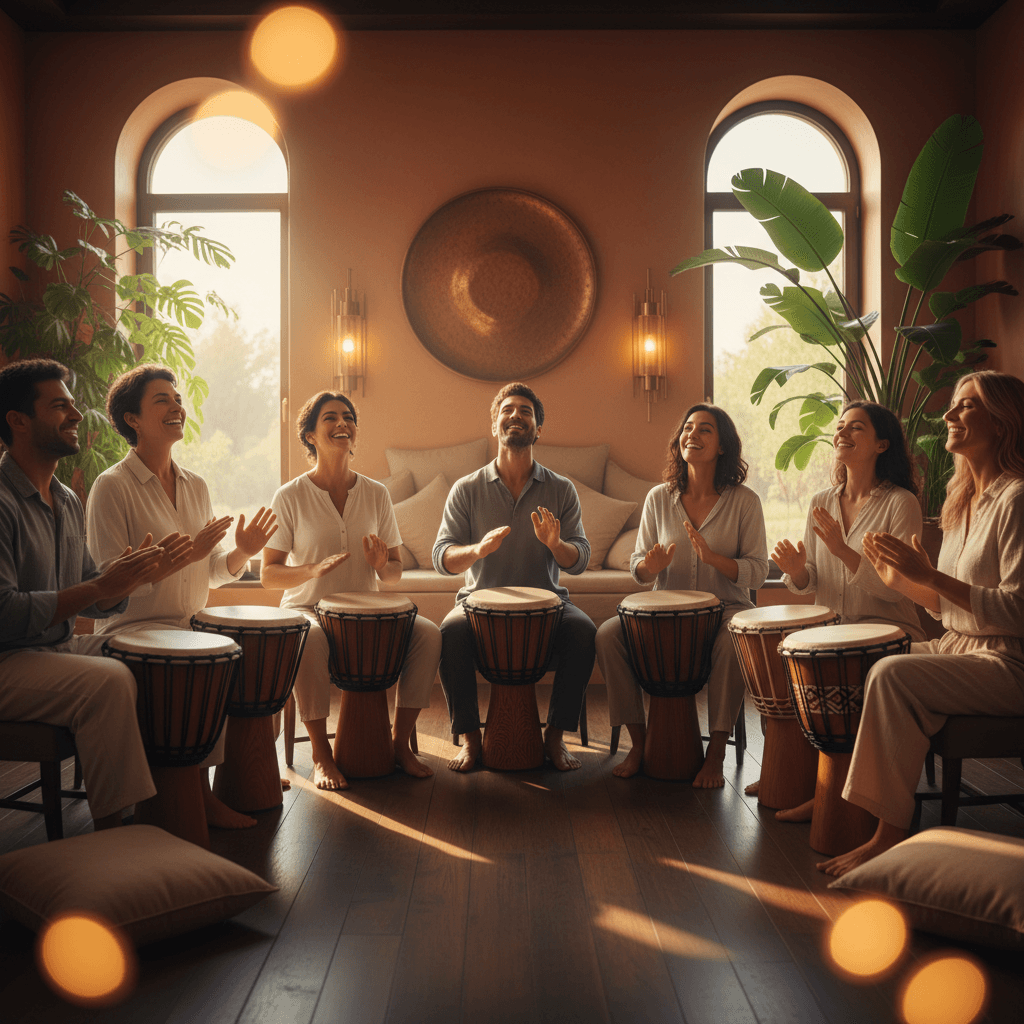
AI-Powered Adaptive Sound: The Future of Personalized Wellness
Key Insights
Explore how machine learning is revolutionizing sound therapy, creating deeply personalized and responsive wellness experiences at Soul Art Dubai with Larissa Steinbach.
Imagine a sound experience so perfectly attuned to your being that it intuitively shifts and evolves with your every breath, your every subtle physiological change. What if your journey to deep relaxation and profound well-being could be guided by an intelligent system, learning from you in real-time to deliver precisely what you need in that very moment? This isn't a distant dream; it's the frontier of personalized wellness, powered by Machine Learning: Adaptive Sound Therapy.
At Soul Art Dubai, founded by the visionary Larissa Steinbach, we are exploring how cutting-edge artificial intelligence and machine learning are transforming the ancient practice of sound healing. This revolutionary approach promises to unlock new dimensions of stress reduction, emotional balance, and holistic well-being, moving beyond a one-size-fits-all model to create truly bespoke soundscapes. Dive into this article to discover the science behind adaptive sound, how it works, and how Soul Art is harnessing its potential to elevate your wellness journey.
The Science Explained: Orchestrating Inner Harmony with AI
The human body is an intricate orchestra, constantly adjusting to internal and external stimuli. Sound, with its profound capacity to influence our nervous system, has long been recognized as a powerful tool for wellness. However, what works for one person might not resonate with another, and even for the same individual, needs can vary minute by minute. This is where machine learning introduces a paradigm shift.
The Dynamics of Personalized Sound Adaptation
Machine learning (ML) algorithms are uniquely positioned to address this variability by creating truly adaptive sound experiences. Unlike static recordings, adaptive sound systems can adjust musical parameters – such as tempo, intensity, melodic complexity, and even specific frequency ranges – in real-time based on continuous feedback. This "closed-loop" model ensures the soundscape is always optimized for the user's current state. For example, emerging evidence suggests that combining AI with biofeedback enables an effective approach to personalized music therapy (Jiao, 2025; Kant & Sharma, 2023; Li & Xiong, 2016; Rashmi & Shantala, 2024). These systems can generate music based on emotional labels or physiological signals, dynamically adjusting parameters if, for instance, they detect increased sympathetic nervous system activity (indicating tension), perhaps by slowing the musical tempo or simplifying melodic complexity to guide the user back to a relaxed state (Şahin, 2025).
Preliminary studies in related fields, such as hearing aid personalization, offer compelling insights into the power of adaptive systems. Research by Akbarzadeh et al. (2022) demonstrated that Adaptive Dynamic Range Optimization (ADRO) could be trained adaptively using the Maximum Likelihood Inverse Reinforcement Learning (MLIRL) method. This approach considered incoming sound-level percentiles and a user’s hearing comfort level, leading to a statistically significant preference for personalized ADRO over standard versions. While this specific study focused on speech comprehension in hearing aids, its core principle of online machine learning personalization for individual comfort and performance is highly relevant to sound wellness. Similarly, Nielsen et al. (2014) explored self-adjustment methods like SoundSense Learn (SSL), where users optimize settings based on personal preferences in various sound scenarios, showing subjective benefits in audio quality.
Neuroscience, Biofeedback, and Auditory Features
The efficacy of sound wellness practices is rooted in sound's ability to engage brain regions involved in emotion and cognition, influencing our mental health and stress recovery (Juslin & Sloboda, 2010). Music listening has been associated with stress recovery in healthy individuals, as indicated by systematic reviews and meta-analyses (Adiasto et al., 2022, 2023a, 2023b). Machine learning algorithms can analyze various musical audio features—such as danceability, energy, loudness, mode, speechiness, acousticness, instrumentalness, liveness, and tempo—to understand their relationship with psychological stress (Anand et al., 2025). This sophisticated analysis allows AI to generate or select functional music specifically intended to induce desired emotional states (Williams et al., 2020; Scholar Commons, 2024).
The integration of AI also facilitates the continuous collection of physiological data through biofeedback, establishing a closed-loop system (PMC12874394). As anonymized datasets expand, machine learning models can discern which combinations of interventions may work best for specific populations under various conditions (Jiao, 2025). This iterative refinement process—where interventions are deployed, outcomes analyzed, and algorithms updated—can establish evidence-based guidelines, enhance reproducibility, and create standardized therapeutic frameworks within wellness practices. This combination of AI's computational precision and sound's emotional resonance holds the potential to foster more effective psychological recovery and well-being, blending scientific accuracy with humanistic support (PMC12874394).
How It Works in Practice: A Symphony of Personalization
Imagine stepping into a Soul Art session, not knowing precisely what sounds await you, but trusting that they will be sculpted exclusively for your present moment. This is the promise of adaptive sound therapy. The practical application of machine learning transforms a passive listening experience into an active, responsive dialogue between you and the soundscape, designed to support your unique path to holistic well-being.
Your journey might begin with an initial, brief assessment where you articulate your current emotional state, energy levels, and wellness goals. This qualitative feedback provides the baseline for the adaptive system. As the session progresses, a sophisticated blend of biometric sensors—perhaps a wearable device discreetly monitoring your heart rate variability, skin conductance, or even brainwave patterns—begins to collect physiological data in real-time. This is often integrated with direct perceptual user feedback, where you might offer simple, intuitive responses to subtle changes in the sound, such as through pairwise comparison feedback (Akbarzadeh et al., 2022; Nielsen et al., 2014).
The machine learning algorithms, trained on vast datasets linking physiological responses and subjective preferences to specific sound parameters, process this incoming information instantly. If the system detects signs of heightened tension, for example, it may subtly adjust the frequency, reduce the tempo, or introduce more calming, resonant tones. Conversely, if gentle stimulation is needed to uplift or energize, the soundscape might adapt to incorporate brighter timbres or a slightly more dynamic rhythm. The beauty lies in its fluidity; the sound is not merely played but co-created in response to your unique biofeedback.
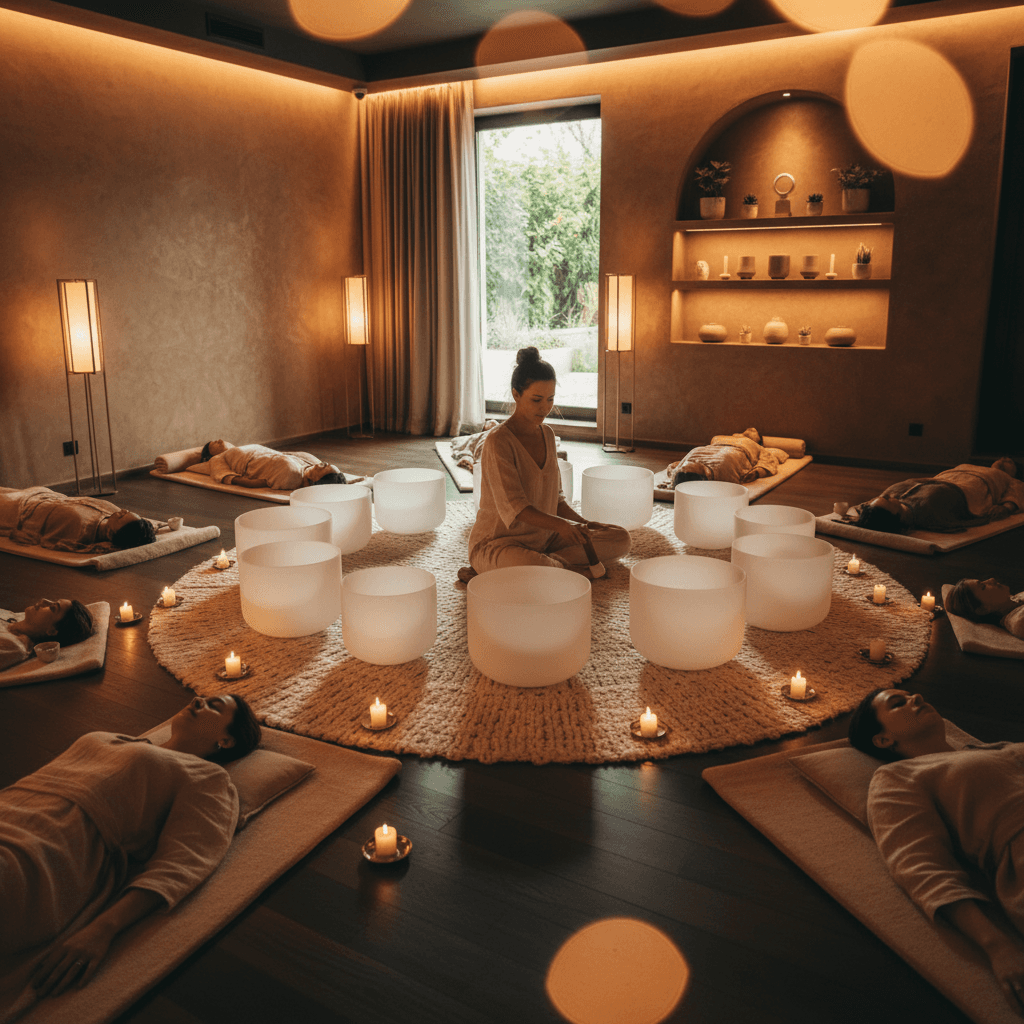
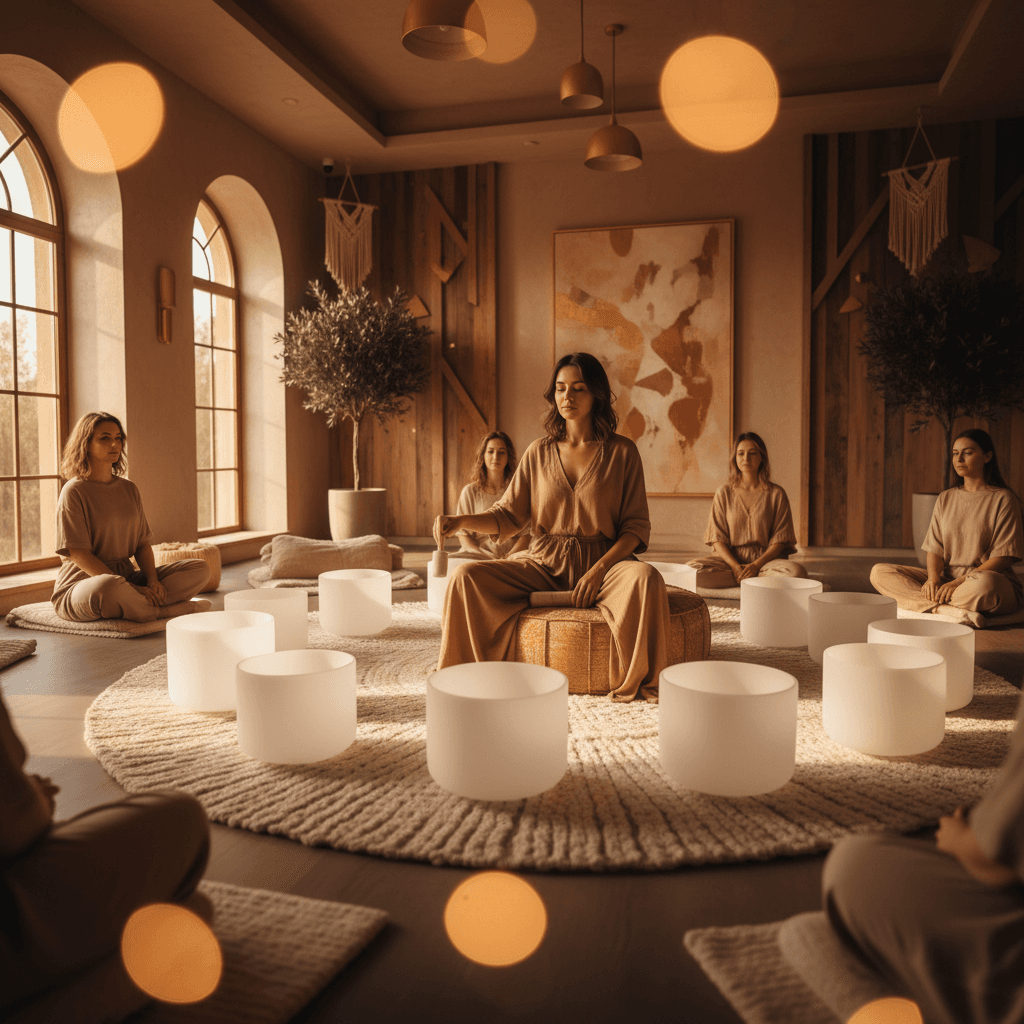
You might experience a deep sense of immersion as the sounds of crystal singing bowls, gongs, or chimes gently shift and evolve around you, their vibrations seeming to penetrate deeper, guided by an unseen intelligence. The sounds are not chosen randomly; they are meticulously curated and generated to create a harmonious environment that encourages your nervous system to regulate. This continuous, iterative adjustment creates a truly enveloping experience, designed to guide you towards a state of profound relaxation, mental clarity, or emotional release, tailored moment-by-moment to your evolving needs.
The Soul Art Approach: Larissa Steinbach's Vision for Adaptive Wellness
At Soul Art Dubai, Larissa Steinbach envisioned a sanctuary where ancient healing modalities meet modern innovation to deliver unparalleled wellness experiences. Her pioneering spirit has led Soul Art to explore the integration of machine learning into traditional sound healing practices, creating a unique methodology that honors both intuition and precision.
The Soul Art approach to adaptive sound therapy is not about replacing the human element but enhancing it. While machine learning algorithms provide real-time, data-driven insights into your state, the profound empathy and expertise of our practitioners remain central. They act as skilled facilitators, interpreting your expressed needs and physiological cues, and collaborating with the adaptive system to guide your journey. This ensures that the technology serves as a powerful tool to deepen the human connection to sound, rather than diminishing it.
We work with a rich tapestry of instruments known for their therapeutic vibrations: the pure, sustained tones of crystal singing bowls, the deep resonance of Himalayan singing bowls, the expansive waves of gongs, and the delicate clarity of chimes. In an adaptive setting, the output from these instruments can be digitally manipulated or modulated in real-time, or the AI can guide the practitioner on which tones or sequences to emphasize based on the live feedback. For instance, the system might recommend a particular frequency range from a set of tuning forks or suggest a specific rhythmic pattern for a gong wash, all aimed at fostering your optimal state.
"True well-being emerges when we embrace personalized care. Machine learning allows us to listen to the body's subtle whispers and respond with unparalleled precision, transforming sound into a truly bespoke pathway to inner peace." — Larissa Steinbach
Larissa Steinbach's vision for Soul Art is to create experiences that are not just relaxing, but deeply transformative. By combining the profound vibrational qualities of these instruments with the intelligent adaptability of machine learning, Soul Art offers sessions that are dynamically responsive, ensuring that each moment of your sound journey is perfectly calibrated to support your unique path to holistic balance and inner peace. This fusion fosters an environment where you can truly let go, knowing that the soundscape is intelligently flowing with you.
Your Next Steps: Embracing Personalized Sound for Well-being
The integration of machine learning into sound wellness marks an exciting evolution, offering pathways to deeper relaxation and enhanced self-awareness. If the idea of a truly personalized sound experience resonates with you, there are several steps you can take to explore this innovative frontier in holistic well-being.
- Cultivate Self-Awareness: Begin by paying closer attention to how different sounds and musical elements impact your mood, energy, and physical sensations. Notice what calms you, what energizes you, and what helps you find focus. This self-awareness can enhance your experience with adaptive systems.
- Explore Reputable Wellness Studios: Seek out studios and practitioners who are embracing innovative, scientifically-grounded approaches to sound wellness. Inquire about their methods and how they personalize experiences, ensuring they align with your wellness goals.
- Embrace Biofeedback Opportunities: If available, explore wellness practices that incorporate biofeedback, even outside of sound therapy. Understanding your body's physiological responses can empower your journey toward greater self-regulation and well-being.
- Integrate Sound Mindfully: Consider incorporating intentional sound into your daily routine. This could be through guided meditations with sound, listening to calming frequencies, or simply creating a peaceful auditory environment at home. Many people report that even simple mindful listening can significantly reduce daily stress.
- Experience Adaptive Sound Firsthand: The best way to understand the profound potential of adaptive sound therapy is to experience it yourself. A personalized session can offer deep insights into how truly responsive sound can elevate your well-being, providing a unique and tailored relaxation technique.
In Summary: The Future is Tuned to You
Machine learning is not just a technological advancement; it's a profound leap forward in the quest for personalized well-being. By enabling sound experiences that adapt in real-time to your unique physiological and emotional state, adaptive sound therapy moves beyond generic approaches, offering a truly bespoke pathway to inner harmony. This fusion of AI's computational precision with sound's emotional resonance promises deeper relaxation, more effective stress management, and a powerful tool for holistic wellness.
At Soul Art Dubai, Larissa Steinbach and her team are dedicated to pioneering this future, creating a sanctuary where cutting-edge technology enhances ancient wisdom. Discover how the intelligent orchestration of sound can transform your personal wellness journey. We invite you to experience the transformative power of adaptive sound therapy, meticulously crafted for your individual needs.
Bookings Coming Soon
Soul Art is still in preparation. Session details and booking will be published here after launch.
Coming Soon
Wellness Disclaimer: This article is for educational and informational purposes only. It does not constitute medical advice, diagnosis, or treatment. Soul Art Dubai provides non-medical wellness experiences focused on relaxation, stress management, and general wellbeing. Sound wellness is a complementary practice and should not replace professional medical care.
Related Articles
Unseen Ears: Unpacking Voice-Activated Sound & Your Wellbeing
Precision Resonance: Digital Audio Workstations for Healing
Spectrum Analyzers: Unveiling the Science of Sound for Wellness