Finding Harmony: Sound Wellness for Persistent Lyme Symptoms
Key Insights
Explore how sound wellness offers a scientifically-grounded, complementary approach to manage chronic fatigue, brain fog, and pain associated with Post-Treatment Lyme Disease Syndrome (PTLDS). Discover Soul Art's unique methods for holistic well-being.
Have you ever considered that the echoes of ancient wisdom, amplified by modern science, could offer a profound path to managing chronic illness? For many navigating the persistent and often debilitating symptoms of Post-Treatment Lyme Disease Syndrome (PTLDS), this question is becoming increasingly relevant. The journey through PTLDS can be isolating, marked by a pervasive sense of misunderstanding regarding its complex impact on the body and mind.
This article delves into the scientifically-backed reality of PTLDS, exploring its profound neurological and physiological underpinnings. We will uncover how the subtle yet powerful vibrations of sound, a cornerstone of holistic wellness at Soul Art Dubai, may support individuals in finding relief and restoring balance. Prepare to discover how targeted sound experiences, guided by experts like our founder Larissa Steinbach, can become a vital component of a comprehensive self-care regimen for chronic symptoms.
At Soul Art, we understand that true well-being extends beyond the absence of disease; it encompasses a state of harmony within oneself. We believe that by integrating innovative wellness practices grounded in scientific understanding, we can empower our community to navigate life's challenges with greater resilience and inner peace. This exploration into sound wellness for PTLDS is an invitation to consider a complementary path towards deeper comfort and enhanced quality of life.
The Science Explained: Understanding Persistent Lyme Symptoms
For too long, the persistent symptoms following Lyme disease treatment were often dismissed or misattributed, leaving many patients feeling unheard and unseen. However, groundbreaking research from institutions like the Johns Hopkins Lyme Disease Research Center has definitively confirmed that Post-Treatment Lyme Disease (PTLD) is a real, biologically based condition, not a psychosomatic illness. This acknowledgment marks a crucial shift in understanding the profound impact of this complex condition.
Studies indicate that approximately 10-20% of individuals who contract Lyme disease and receive standard antibiotic treatment still develop persistent, functionally impairing symptoms. These lingering issues, collectively termed PTLDS (or sometimes Lyme Infection-Associated Chronic Illnesses – Lyme IACI), can include severe fatigue, widespread body pain, and significant cognitive difficulties often described as "brain fog." These symptoms are far beyond everyday discomfort; they substantially reduce quality of life and are not merely psychological in origin.
The Biological Landscape of PTLDS
The scientific community is increasingly pointing to an "inflammatory aftermath" as a key driver of PTLDS symptoms, rather than persistent bacterial infection in most cases. This mirrors observations in other post-infectious syndromes, such as long COVID. Research highlights several critical biological changes:
- Neurological Alterations: Dr. Cherie Marvel at Johns Hopkins leads research using advanced MRI brain imaging techniques that objectively demonstrate structural and functional brain changes in PTLDS patients. This provides clear scientific evidence that Lyme disease-associated brain fog is a biologically based condition. Her novel research reveals significant insights into unexpected white matter changes, indicating concrete neurological impacts.
- Immune System Dysregulation and Chronic Inflammation: Evidence suggests that persistent symptoms may stem from ongoing immune dysfunction and chronic inflammation. Borrelia burgdorferi, the bacteria causing Lyme disease, has a remarkable ability to modulate host immune responses. This modulation can contribute to prolonged symptoms even after the bacteria are no longer detectable, reinforcing the idea that immune dysregulation, rather than active infection, is a primary factor.
- Autonomic Nervous System Dysfunction: Dr. Brit Adler at Johns Hopkins works with PTLDS patients experiencing dysautonomia and Postural Orthostatic Tachycardia Syndrome (POTS). Her research identifies previously unrecognized autonomic nervous system dysfunction that can significantly contribute to cognitive problems, as well as symptoms of anxiety and depression. The autonomic nervous system, responsible for involuntary bodily functions, can become dysregulated, affecting heart rate, blood pressure, digestion, and stress responses.
- Neuropsychiatric Manifestations: New-onset psychiatric symptoms, including anxiety, mood disorders, and even suicidality, are observed in later stages of Lyme disease. Importantly, Johns Hopkins research indicates that these are often consequences of the chronic illness, rather than its initial cause. Patients may also experience sensory hyperarousal to sound and/or light, indicating a heightened sensitivity in the nervous system. A pilot study using PET imaging has even demonstrated higher binding of radioactive tracers by microglia (the brain's resident immune cells) in several brain regions, supporting the hypothesis of cerebral inflammation in persistent symptoms.
- Subtle Physical Inflammation: Beyond brain inflammation, Dr. John Miller has published evidence that some individuals with persistent pain after acute Lyme disease can have ongoing, often subtle, joint inflammation. This can be detected through musculoskeletal ultrasound, demonstrating a tangible physical component to the chronic pain experience.
These multifaceted findings underscore the reality that PTLDS is a complex syndrome involving significant physiological and neurological changes. It is a condition that warrants comprehensive support, acknowledging the profound impact it has on an individual's physical, mental, and emotional well-being. Recognizing these underlying biological mechanisms is crucial for developing and implementing effective complementary strategies for symptom management.
How It Works in Practice: Sound for Nervous System Regulation
Given the complex interplay of inflammation, immune dysregulation, and autonomic nervous system dysfunction in PTLDS, strategies focused on nervous system regulation and stress reduction can be profoundly beneficial. This is where sound wellness, a non-invasive and deeply experiential practice, may offer significant support. The human body is highly receptive to vibrations and frequencies, which can directly influence our physiological state.
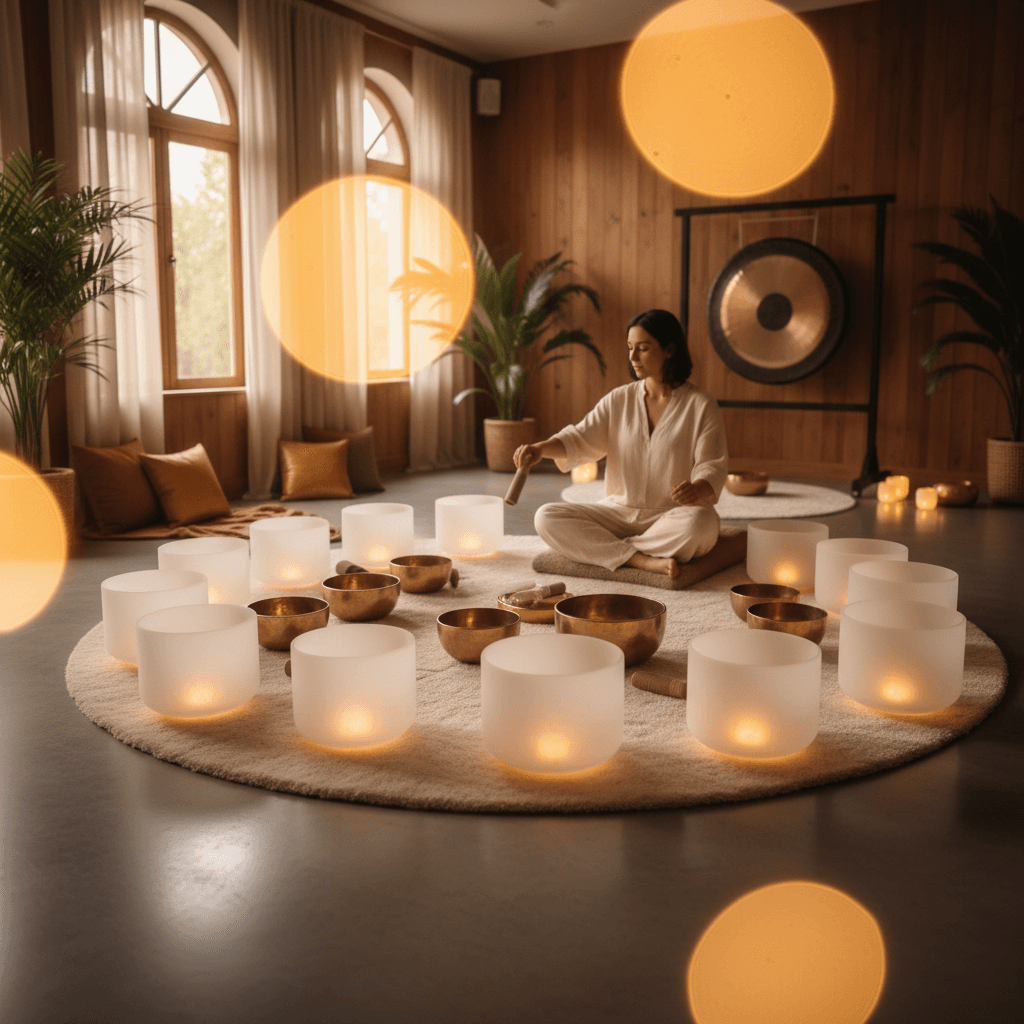
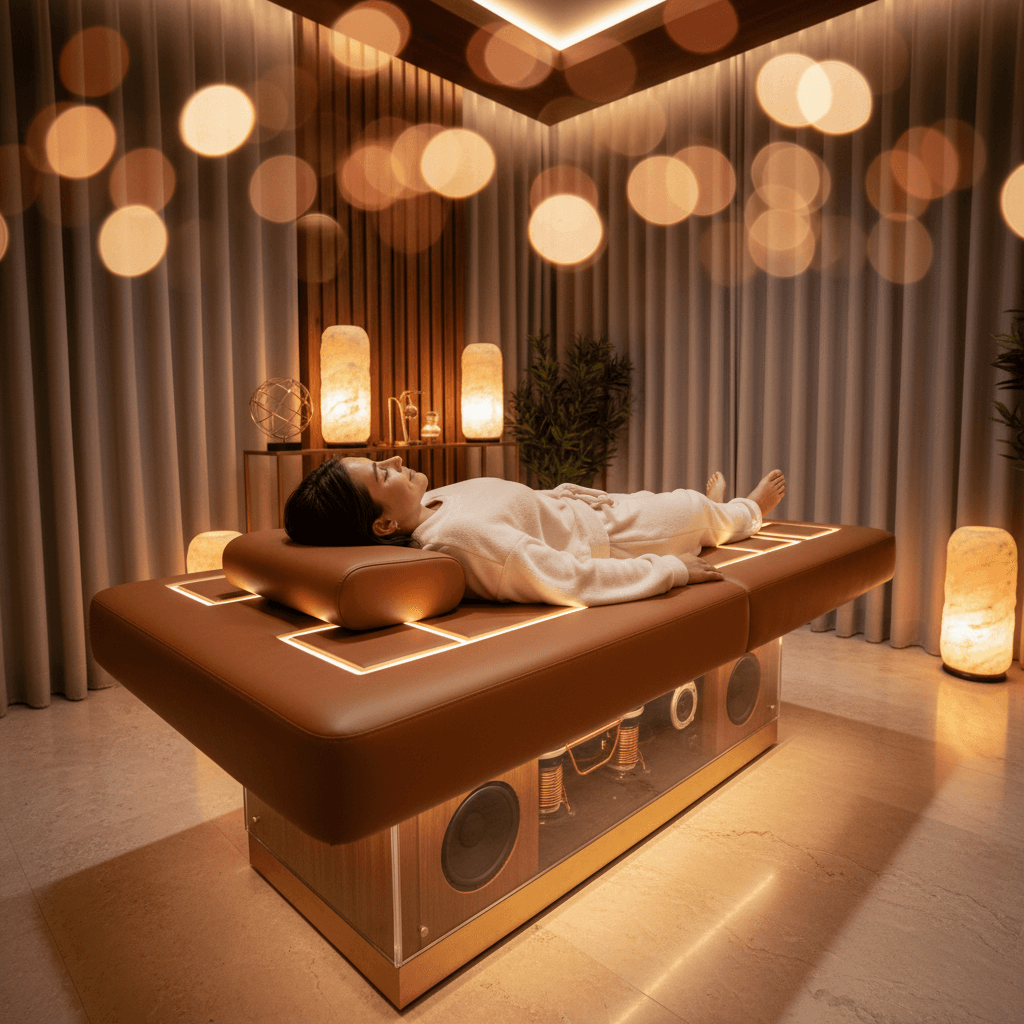
Sound wellness practices, such as sound baths, utilize specific frequencies and resonant tones to guide the body and mind into a state of deep relaxation. This intentional exposure to therapeutic sound waves can initiate a cascade of beneficial responses within the nervous system. The vibrations from instruments like gongs, crystal singing bowls, and tuning forks can be felt throughout the body, engaging both auditory and somatic senses.
The Vagus Nerve Connection
One of the most compelling scientific bridges between sound and well-being, particularly for PTLDS symptoms, lies in the vagus nerve. This cranial nerve is a critical component of the parasympathetic nervous system, responsible for the "rest and digest" response. It plays a vital role in regulating heart rate, breathing, digestion, and inflammation, and its activation is crucial for emotional regulation, pain modulation, and cognitive function.
Research, including studies on Vagus Nerve Stimulation (VNS) for neuropsychiatric conditions, demonstrates the nerve's significant impact on mood, pain, and inflammation. While sound wellness does not directly stimulate the vagus nerve in the same way an implanted device would, it functions as a powerful neuromodulation technique. The calming frequencies and resonant tones of sound baths encourage a shift from the sympathetic "fight or flight" state to the parasympathetic "rest and repair" state. This shift is mediated, in part, by the vagus nerve's influence on various bodily systems.
"The symphony of sound can gently coax the nervous system from a state of hyperarousal to one of profound calm, offering a vital respite for bodies constantly battling chronic discomfort."
In practice, clients experiencing sound wellness sessions often report a noticeable reduction in stress and anxiety. The deep relaxation induced by the harmonious sounds can help to quiet an overactive nervous system, potentially mitigating sensory hyperarousal—a common symptom in PTLDS. This state of relaxation may also contribute to a decreased perception of chronic pain, as the body’s pain response is intricately linked to its stress levels. By promoting an environment of calm, sound wellness may support the body's natural healing processes and help to alleviate the burden of persistent symptoms like fatigue and brain fog. The coherent vibrations can encourage brainwave states associated with relaxation (alpha and theta waves), which are conducive to mental clarity and restorative rest.
The Soul Art Approach: Larissa Steinbach's Vision
At Soul Art, Dubai's premier sound wellness studio, we approach chronic symptom management with a deep understanding of the body's innate capacity for self-regulation and healing. Our founder, Larissa Steinbach, has meticulously crafted an experience that integrates ancient wisdom with contemporary scientific insights, providing a sanctuary where individuals can find profound relief and restoration. The Soul Art method is designed to be a highly personalized and empathetic journey, acknowledging the unique challenges faced by those with PTLDS.
Larissa Steinbach's vision for Soul Art is to create a space for genuine connection and transformative wellness. She emphasizes that while sound wellness is not a medical treatment, it serves as a powerful complementary tool within a holistic self-care strategy. Her approach is rooted in creating an immersive auditory and vibrational environment that gently guides the nervous system back into balance. This is particularly crucial for individuals whose nervous systems may be in a state of chronic hyperarousal due to PTLDS.
Uniquely Crafted Experiences
What makes the Soul Art method unique is its dedication to crafting experiences that are both deeply relaxing and strategically supportive. We utilize a diverse array of high-quality, resonant instruments, each chosen for its specific vibrational properties:
- Himalayan and Crystal Singing Bowls: These instruments produce rich, sustained tones that create full-body vibrations, promoting deep cellular relaxation and stress release.
- Gongs: The expansive, intricate sounds of gongs facilitate entry into meditative states, often leading to profound shifts in consciousness and a sense of emotional release.
- Tuning Forks: Applied directly or near the body, tuning forks offer precise frequencies that may target specific areas, potentially easing localized tension and promoting energetic balance.
- Harmonic Chimes and Other Instruments: These add layers of texture and beauty, enriching the overall soundscape and enhancing the immersive experience.
Larissa Steinbach and her team focus on intention-setting and creating a safe, nurturing space where clients can fully surrender to the experience. The frequencies are carefully curated to foster coherence within the body's energy systems, encouraging the brain to shift into more restorative wave patterns. This process may support the downregulation of inflammatory responses and promote a greater sense of calm and well-being, which are often elusive for those living with persistent Lyme symptoms.
The Soul Art approach goes beyond mere relaxation; it's about recalibrating the nervous system, enhancing self-awareness, and fostering a resilient inner state. By consistently engaging in these practices, clients may find an improved ability to manage their chronic symptoms, experience better sleep quality, and cultivate a renewed sense of mental clarity and emotional stability. Larissa Steinbach is committed to empowering individuals to reclaim their vitality through the therapeutic power of sound.
Your Next Steps: Integrating Sound into Your Wellness Journey
Navigating the complexities of persistent Lyme disease symptoms requires a holistic and proactive approach to self-care. While sound wellness is a powerful complementary practice, remember it works best as part of a broader strategy focused on supporting your overall well-being. Integrating sound experiences into your routine can offer significant benefits for managing stress, pain, and cognitive challenges associated with PTLDS.
Consider these actionable steps to explore the potential benefits of sound wellness:
- Prioritize Nervous System Regulation: Recognize that chronic symptoms often stem from an overtaxed nervous system. Seek out practices that actively promote relaxation and parasympathetic activation, such as deep breathing exercises, gentle movement, and of course, sound wellness.
- Explore Sound Experiences: Attend a sound bath or individual sound healing session. Pay attention to how your body and mind respond to the frequencies and vibrations. Many people report a sense of profound calm, reduced pain perception, and improved mental clarity following these sessions.
- Cultivate a Consistent Practice: Like any wellness modality, consistency is key. Regular engagement with sound, whether through guided meditations with healing frequencies at home or scheduled sessions at a studio like Soul Art, can cumulatively enhance its benefits.
- Combine with Other Complementary Therapies: Sound wellness may synergize well with other supportive practices. Think about integrating it alongside gentle yoga, mindfulness meditation, a nutrient-dense diet, and adequate sleep hygiene to create a robust wellness framework.
- Consult with Professionals: Always discuss new wellness practices with your healthcare provider, especially if you have a medical condition. Sound wellness is intended to complement, not replace, conventional medical care.
Embracing sound as a tool for self-care can be a transformative step on your journey toward greater comfort and resilience. It’s an invitation to tune into your body’s needs and allow the ancient art of vibration to support your modern quest for well-being.
In Summary: A New Path to Well-being
Post-Treatment Lyme Disease Syndrome (PTLDS) is a scientifically validated condition marked by debilitating symptoms like chronic fatigue, brain fog, and pain, stemming from inflammatory aftermath and nervous system dysregulation, not persistent infection in most cases. Johns Hopkins and other research unequivocally show that these symptoms are real and have biological underpinnings, including structural brain changes and autonomic dysfunction. Sound wellness, through practices like those offered at Soul Art, presents a compelling complementary approach to manage these chronic symptoms.
By engaging the vagus nerve and promoting deep relaxation, sound experiences can help to regulate the nervous system, reduce inflammation, mitigate sensory hyperarousal, and ease pain. Larissa Steinbach's vision for Soul Art provides a sanctuary in Dubai where expertly curated sound sessions offer profound stress reduction and foster a renewed sense of harmony. We invite you to explore this gentle yet powerful path towards enhanced well-being and discover how sound can support your journey to a more comfortable and balanced life.
Bookings Coming Soon
Soul Art is still in preparation. Session details and booking will be published here after launch.
Coming Soon
Wellness Disclaimer: This article is for educational and informational purposes only. It does not constitute medical advice, diagnosis, or treatment. Soul Art Dubai provides non-medical wellness experiences focused on relaxation, stress management, and general wellbeing. Sound wellness is a complementary practice and should not replace professional medical care.