Sound for Sustained Sobriety: A Path to Holistic Recovery
Key Insights
Explore how sound wellness, a complementary practice at Soul Art Dubai, may support sustained sobriety by fostering neurological healing, stress reduction, and new coping mechanisms. Discover the Soul Art method with Larissa Steinbach.
The journey to long-term sobriety is profoundly transformative, yet often challenging, marked by fluctuating statistics and personal triumphs. While the initial phases of recovery can see relapse rates between 40% and 60%, research offers a beacon of hope: after five years of continuous sobriety, this risk dramatically decreases to less than 15%, aligning with rates for other chronic conditions. This striking shift underscores that sustained recovery is not only possible but common, representing a remarkable achievement.
At Soul Art, Dubai's premier sound wellness studio founded by Larissa Steinbach, we understand that true sobriety transcends mere abstinence. It has evolved into a comprehensive, evidence-based approach that embraces neurological healing, trauma-informed care, and personalized wellness protocols. This article delves into how complementary sound wellness practices may offer profound support for individuals navigating the intricate path to sustained recovery. We will explore the scientific underpinnings, practical applications, and the unique Soul Art approach to fostering enduring well-being.
The Science Explained: How Sound May Support Sustained Recovery
The landscape of addiction recovery has transformed, moving beyond traditional models to embrace a holistic view that acknowledges the complex interplay of genetic, psychological, and social factors. Modern evidence-based care now champions personalization and addresses the neurobiological aspects underpinning substance use disorders. In this evolving paradigm, sound wellness emerges as a powerful complementary practice, offering pathways to neurological healing and profound stress reduction.
Neurological Rebalancing and the Autonomic Nervous System
Substance use disorders can significantly impact the brain's delicate balance, particularly affecting reward pathways, stress response systems, and emotional regulation centers. Chronic stress, a known trigger for relapse, keeps the body in a heightened state of alert, often referred to as the "fight or flight" response, governed by the sympathetic nervous system. Sound wellness practices, through specific frequencies and harmonic vibrations, are thought to gently guide the body towards a state of deep relaxation.
This shift activates the parasympathetic nervous system, promoting "rest and digest" functions. Many people report that the calming effects of sound help to downregulate the overactive sympathetic response, reducing cortisol levels – the body’s primary stress hormone – and potentially facilitating an increase in feel-good neurotransmitters like serotonin and dopamine. By fostering this internal environment, sound may support the brain's natural capacity for healing and rebalancing. Preliminary studies indicate that such practices can cultivate a sense of inner calm, crucial for managing the intense cravings and emotional dysregulation often experienced in recovery.
Enhancing Mindfulness and Emotional Regulation
The research notes highlight meditation for mindfulness as a key habit for long-term sobriety, helping individuals stay present and manage urges effectively. Sound wellness sessions naturally cultivate a state akin to deep meditative practice. The immersive auditory experience, often involving instruments like gongs, crystal bowls, and chimes, helps to quiet the incessant mental chatter. This allows individuals to enter brainwave states such as alpha (relaxed alertness) and theta (deep relaxation, creativity, meditation), which are conducive to introspection and emotional processing.
Through consistent practice, sound-facilitated mindfulness may empower individuals to observe their thoughts and feelings non-judgmentally, including cravings and memories of past substance use. This practice can strengthen the ability to identify triggers without immediate reaction, fostering new, healthier coping strategies. The ability to sit with discomfort, rather than escape it, is a vital skill in sustained recovery, and sound wellness offers a supportive framework for developing this capacity.
Cultivating Social Connection and Improved Communication
While sound wellness sessions are deeply personal experiences, group sound baths at Soul Art may also contribute to a sense of shared community and reduced isolation. The collective experience of deep relaxation in a safe, non-judgmental space can foster a unique bond among participants. Research consistently emphasizes the crucial role of social support – from friends, family, and recovery groups – in achieving long-term sobriety.
"Support groups play a significant role in achieving long-term sobriety. They provide a platform for individuals to share their experiences, learn from others, and gain emotional support during their recovery journey."
A calmer, more regulated nervous system, supported by sound wellness, may enhance an individual's capacity for clear communication, empathy, and engagement with their support networks. By reducing anxiety and improving emotional resilience, sound can help individuals better navigate social interactions and strengthen the very relationships that are foundational to sustained recovery. This holistic approach supports not only internal well-being but also external connectedness, which is vital for a thriving life in sobriety.
How It Works in Practice: The Transformative Experience
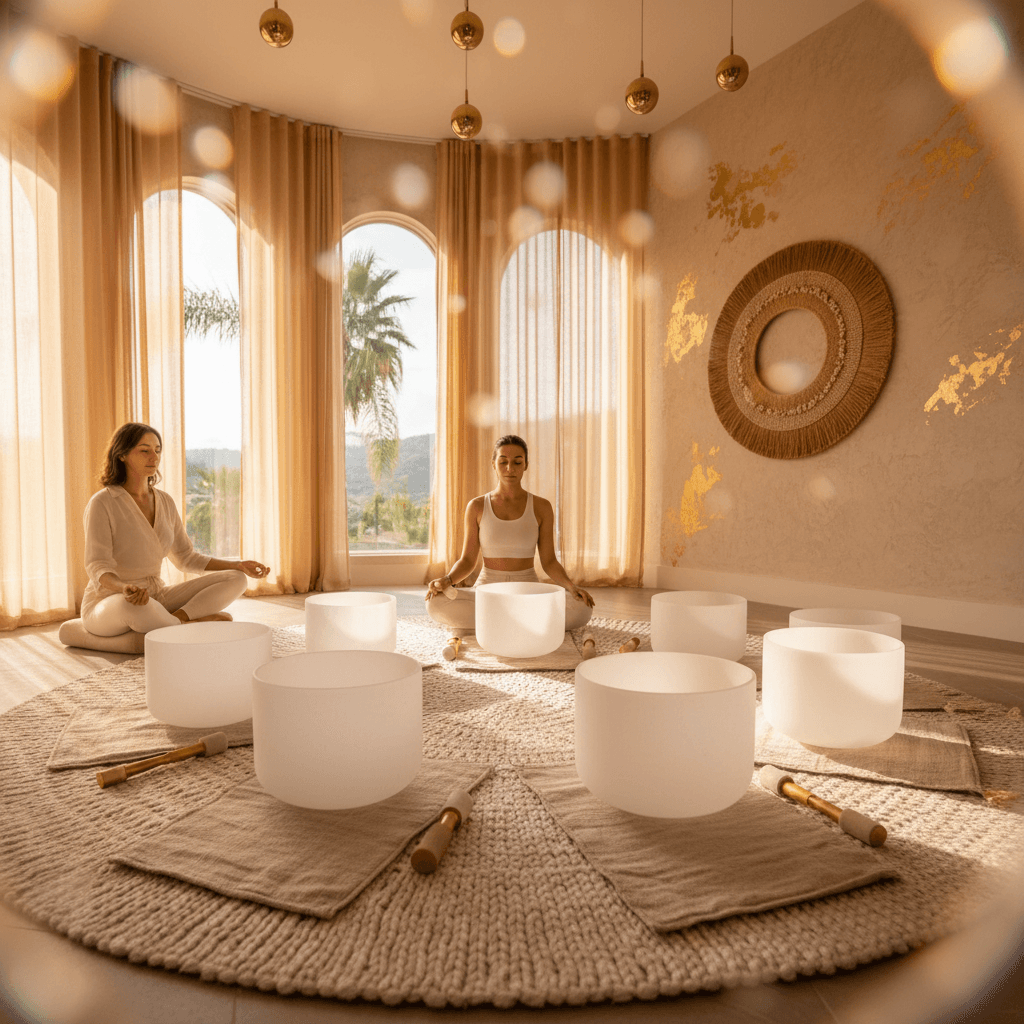
Stepping into a sound wellness session at Soul Art is an invitation to profound relaxation and inner exploration. It’s a space where the theoretical benefits of sound on the nervous system and mind transition into tangible, lived experience. Clients are typically invited to lie down comfortably, often on mats with blankets and bolsters, ensuring complete physical ease. The lights are often dimmed, creating a serene and introspective atmosphere designed for deep surrender.
The session begins with the gentle introduction of sounds – perhaps the soft reverberation of a Tibetan singing bowl, building into the resonant waves of a large gong, or the delicate chimes that dance through the air. These aren't just noises; they are carefully curated soundscapes, rich with harmonic overtones and specific frequencies. The sensory experience is deeply immersive; you don't just hear the sounds, you feel them as vibrations ripple through your body, gently coaxing tension from muscles and quietening the mind.
Clients often describe a journey into altered states of consciousness, where time seems to slow down, and the busy mind finds an uncommon stillness. This deep relaxation is more than just feeling calm; it's a state where the body's natural healing mechanisms are supported. Many people report a release of stored emotional tension, a clearing of mental fog, and an overall sense of peace that can be profoundly restorative. This active engagement with one's internal landscape, facilitated by the sound, may help individuals to process past experiences and develop new perspectives without the overwhelm often associated with such introspection.
In the context of recovery, this practice provides a sanctuary from daily stressors and potential triggers. By regularly experiencing deep states of calm, individuals may develop a greater capacity to manage cravings and emotional challenges outside the session. It teaches the body and mind what true relaxation feels like, offering a powerful contrast to the artificial relief sought through substances. This blending of physical relaxation with mental clarity establishes a foundation for a healthier way of living, one that encourages sustained sobriety by fostering a renewed appreciation for "the great little things" in everyday life and strengthening cognitive and emotional resilience.
The Soul Art Approach: Larissa Steinbach's Vision for Well-being
At Soul Art, Larissa Steinbach’s vision for wellness extends beyond conventional approaches, embracing the profound potential of sound as a catalyst for holistic healing and sustained recovery. Drawing from decades of clinical research that highlights the neurobiological, psychological, and social factors integral to sustainable addiction recovery, Larissa has meticulously crafted a methodology that is both scientifically informed and deeply intuitive. Her approach at Soul Art is designed to meet individuals exactly where they are on their wellness journey, offering a complementary path to traditional recovery support.
Larissa Steinbach champions an evidence-based approach, focusing on creating personalized wellness protocols within the realm of sound. She integrates ancient wisdom with contemporary scientific understanding of how sound and vibration can influence human physiology and psychology. This makes the Soul Art method unique: it’s not merely about playing instruments, but about orchestrating a precise vibrational experience to support the body’s natural ability to restore balance and calm.
At Soul Art, a diverse array of sacred sound instruments is utilized, each selected for its specific harmonic properties and vibrational impact. Clients will experience the grounding resonance of gongs, known for their powerful ability to induce deep meditative states and release energetic blockages. The pure, clear tones of crystal singing bowls, tuned to specific chakras or energy centers, are employed to promote cellular harmony and emotional clarity. Tibetan singing bowls offer rich, complex overtones that encourage profound relaxation and inner stillness, while tuning forks are used for precise vibrational therapy, targeting specific areas of the body to support nervous system regulation.
Larissa's expertise ensures that each session is carefully attuned to the needs of the participants, fostering a safe and nurturing environment. The intention is to create a space where individuals can explore profound states of relaxation, reduce stress, and cultivate new coping mechanisms. This approach aligns perfectly with the modern understanding of sobriety, which calls for holistic strategies that address the full spectrum of an individual's well-being. Soul Art, under Larissa Steinbach's guidance, provides a powerful complementary tool for anyone seeking a deeper, more sustainable path to long-term well-being and recovery.
Your Next Steps: Integrating Sound Wellness into Your Journey
The path to sustained sobriety is a testament to resilience and dedication, requiring continuous self-care and the adoption of new, healthy habits. Integrating complementary wellness practices like sound can significantly enhance your journey, providing robust support for both your mental and physical well-being. Here are practical steps you can take today to foster a foundation for lasting recovery:
- Explore Mindfulness Through Sound: Begin by incorporating short, guided sound meditations into your daily routine. Many apps offer free sound bath experiences. Even listening to instrumental music with a focus on breath can initiate the process of mindfulness and help you stay present.
- Strengthen Your Support Network: Reaching out to friends, family, or joining a support group is invaluable. Supportive family relationships and greater general social support are associated with increased days of abstinence and decreased risk of recurrence of substance use. Soul Art may offer group sound experiences that foster a sense of community.
- Prioritize Holistic Self-Care: Beyond sound, cultivate habits such as regular, gentle exercise, balanced nutrition, and consistent sleep patterns. These foundational elements work synergistically to improve overall emotional strength and cognitive abilities, crucial for managing the demands of recovery.
- Consider Complementary Practices: Alongside sound wellness, explore other holistic modalities like yoga, breathwork, or journaling. These practices can further enhance your ability to manage stress, process emotions, and connect with your inner self in a constructive manner.
- Embrace Patience and Persistence: Remember that recovery is a dynamic, non-linear process. Celebrate every small victory, learn from setbacks, and continue to seek out resources and practices that resonate with you.
Ready to explore a unique and profound path to supporting your long-term well-being and sustained recovery? Discover how the intentional power of sound can transform your inner landscape.
In Summary
The journey to long-term sobriety is a deeply personal and often challenging endeavor, yet it is profoundly rewarding. As modern understanding of recovery evolves, embracing holistic and evidence-based approaches that address neurological, psychological, and social factors becomes paramount. Sound wellness, as offered by Soul Art, provides a powerful complementary practice that may support individuals in navigating this path.
Through specific frequencies and harmonic vibrations, sound wellness aims to foster neurological rebalancing, reduce chronic stress, and enhance mindfulness. These practices can help cultivate new coping strategies, improve emotional regulation, and strengthen the capacity for meaningful social connection – all critical elements for sustained recovery. Under the expert guidance of Larissa Steinbach, Soul Art offers a sanctuary for deep relaxation and self-discovery, inviting you to experience the transformative power of sound. Embrace a sophisticated, empathetic approach to your well-being, and discover how sound can become an invaluable ally on your journey to a fulfilling, sober life.
Bookings Coming Soon
Soul Art is still in preparation. Session details and booking will be published here after launch.
Coming Soon
Wellness Disclaimer: This article is for educational and informational purposes only. It does not constitute medical advice, diagnosis, or treatment. Soul Art Dubai provides non-medical wellness experiences focused on relaxation, stress management, and general wellbeing. Sound wellness is a complementary practice and should not replace professional medical care.
Related Articles

LGBTQ+ Recovery: Sound Wellness for Inclusive Healing & Regulation
Relationship Recovery: The Science of Sound for Intimacy
Soulful Connections: The Science of Shared Sound Practices and Well-being Sponsorship