Unlock Evening Calm: The Science & Practice of Long Exhale Toning at Soul Art
Key Insights
Discover how intentional long exhales, a powerful nervous system modulator, can bring profound evening calm and improve well-being. Explore Soul Art's unique approach.
Discover the Unseen Power of Your Breath for Profound Evening Calm
Have you ever noticed how your breath subtly shifts when you're under pressure? Perhaps a rapid, shallow gasp during a tense email, or a barely-there flutter as your mind races with tomorrow's to-do list. These subtle signs often betray a deeper state of internal stress, making everything feel harder than it should. While we can’t simply "think" our way out of a stress spiral, emerging research suggests a surprisingly simple, yet profoundly powerful alternative: we may be able to breathe our way through it.
At Soul Art, Dubai’s premier sound wellness studio, we explore the intricate dance between breath, body, and mind. This article delves into the transformative practice of long exhale toning – a technique designed to harness the natural calming mechanisms within your own physiology. You’ll discover the scientific underpinnings of why elongating your exhale can profoundly impact your nervous system, leading to a deeper sense of tranquility and a smoother transition into restful sleep.
Join us as we uncover how this foundational breath practice, enhanced by the unique modalities at Soul Art, can become your personal pathway to serene evenings and a more balanced life. Embrace the potential for inner peace that lies within each conscious breath, especially the slow, deliberate release. This journey is about reclaiming your calm, one elongated exhale at a time.
The Science Explained: How Long Exhales Reprogram Your Nervous System
The idea that simply changing the rhythm of your breath can dramatically alter your internal state might seem too simple to be true. However, a growing body of scientific evidence reveals the intricate connection between breath patterns and nervous system regulation. Your breath acts as a direct conduit to your autonomic nervous system, the control center for your body’s involuntary functions.
When we experience stress, our sympathetic nervous system – often dubbed the "fight-or-flight" response – becomes dominant. This leads to increased heart rate, shallow breathing, and heightened alertness, making relaxation a distant prospect. The beauty of long exhale toning lies in its ability to gently shift this dominance towards the parasympathetic nervous system, or the "rest-and-digest" mode. This profound internal shift can restore a sense of balance and calm.
The Vagus Nerve: Your Internal "Brake Pedal"
Central to the calming effects of long exhales is the vagus nerve, the longest cranial nerve in the body. It acts like a superhighway connecting your brain to many vital organs, including your heart, lungs, and digestive system. When you engage in slow, controlled breathing, particularly with extended exhalations, you stimulate this crucial nerve.
During inhalation, the sympathetic nervous system briefly accelerates heart rate. Conversely, during exhalation, the vagus nerve releases a neurotransmitter called acetylcholine (ACh), which signals the parasympathetic nervous system to slow down heart rate and promote relaxation. This respiratory vagal nerve stimulation is a key mechanism through which long exhales exert their calming influence, effectively acting as an internal "brake pedal" for your stress response.
Heart Rate Variability (HRV) and Resilience
One of the most robust scientific markers of nervous system flexibility and resilience is Heart Rate Variability (HRV). HRV measures the variation in time between successive heartbeats. A higher HRV is associated with better emotional regulation, reduced anxiety, and a greater capacity to adapt to stress. Conversely, low HRV often indicates chronic stress and a less resilient nervous system.
Studies have consistently shown that slow, diaphragmatic breathing practices, especially those emphasizing longer exhales, can significantly improve HRV metrics. For instance, research published in Frontiers in Psychology (2018) highlighted how mindfulness meditation, which often incorporates breath awareness, enhanced participants' ability to cope with stress by improving HRV. By consciously elongating your exhale, you are actively training your nervous system to be more adaptable and less reactive to daily stressors. This measurable physiological change underlies the profound sense of calm that many people report.
Beyond the Nervous System: Broad Benefits
The impact of long exhales extends beyond immediate physiological shifts. Dutch researchers, in a 2018 review of contemplative activities, found a vast array of beneficial effects across three domains:
- Physical Health: Including potential improvements in cardiovascular function and stress hormone regulation.
- Mental Health: Diminished perceived stress, reduced anxiety, and enhanced mood have been observed.
- Cognitive Performance: Some studies suggest improvements in decision-making capabilities, even after short breathing interventions.
The beauty of this practice is its accessibility. You don’t need specialized equipment or a dedicated hour. Even just a few minutes of conscious, long exhales can begin to shift your internal state, offering a tangible pathway to peace amidst the demands of modern life. It's a testament to the elegant design of the human body and the simple power of breath.
How It Works in Practice: Breathing Your Way to Serenity
Understanding the science behind long exhales is one thing; experiencing its profound effects is another. In practice, long exhale toning involves consciously extending the exhalation phase of your breath, making it longer than your inhalation. This simple shift provides a direct signal to your body to transition from a state of alertness to one of deep relaxation. It’s an act of self-regulation that becomes more intuitive with practice.
Many people report an almost immediate sense of calm and release when they begin to focus on their exhales. The experience can be quite grounding, pulling your awareness away from looping thoughts and into the present moment. It's a gentle invitation to let go, both literally and figuratively, as you release stale air and accumulated tension.
The Sensory Experience of Letting Go
When clients at Soul Art engage in long exhale toning, the experience is often multisensory. You might notice:
- A release of muscular tension: Particularly in the jaw, shoulders, and abdomen, as the body’s "fight-or-flight" grip loosens.
- A softening of the gaze: As the eyes relax and the intensity of external focus diminishes.
- A palpable slowing of the heart rate: Leading to a feeling of deep internal quietude.
- A mental clarity: Thoughts that once raced begin to settle, replaced by a spacious awareness.
The key is not to force the exhale but to allow it to lengthen naturally, gently encouraging it to be longer than the inhale. This subtle guidance is enough to activate the vagus nerve and initiate the cascade of calming responses throughout your system. It's a practice of surrender, allowing the breath to lead you into a state of repose.
Practical Techniques to Explore
While variations exist, the core principle remains consistent: prioritize the exhale. Here are a few common approaches that demonstrate the power of long exhale toning:
- Coherent Breathing (4-6 Method): Inhale for approximately 4 seconds, then exhale slowly for about 6 seconds. This aims for around 4-6 breaths per minute, a rhythm scientifically associated with optimal vagal nerve activation and HRV improvement.
- Cyclic Sighing: As researched by Stanford Medicine, this involves a double inhale (a comfortable breath, followed by a second, deeper "sip" of air to fully expand the lungs), then a very slow, complete exhale through the mouth. This technique emphasizes the maximal exhalation and has shown rapid benefits for reducing anxiety.
- The 4-7-8 Technique (Modified): While often used for sleep, the emphasis on the elongated exhale is key. Inhale for 4 seconds, hold for 7 seconds (if comfortable), then exhale for a full 8 seconds. The extended exhale here directly calms the nervous system.
Consistency is more important than intensity. Even a few minutes of these practices daily can yield measurable benefits. As Little, a renowned breathwork expert, emphasizes, "the most important aspect of any breathing technique is the exhale – expel all the air first and this will open you up to be able to take in enough air." This simple yet profound action sets the stage for deep restoration.
The Soul Art Approach: Larissa Steinbach's Harmonious Integration
At Soul Art, Larissa Steinbach, our esteemed founder, has masterfully integrated the scientifically-backed principles of long exhale toning with the profound vibrational healing of sound. She understands that while breath is the anchor, sound can be the guide, amplifying and deepening the body's natural relaxation response. The Soul Art method is not merely about breathing; it’s about toning the nervous system through harmonious resonance and intentional breathwork, creating an unparalleled journey to inner peace.
Larissa's approach is designed to provide a "quiet luxury" experience, where every detail is curated to support deep restoration. The studio environment itself is an oasis, fostering a sense of safety and tranquility essential for opening up to these practices. Here, the wisdom of ancient traditions meets modern scientific understanding, crafting a unique pathway to wellbeing.
"The breath is the rhythm of life, and when we intentionally lengthen the exhale, we're not just letting go of air, we're releasing tension, inviting calm, and harmonizing our entire being. At Soul Art, we amplify this profound release through the exquisite resonance of sound, guiding you to a deeper state of evening calm." – Larissa Steinbach
Synergizing Breath with Sound and Resonance
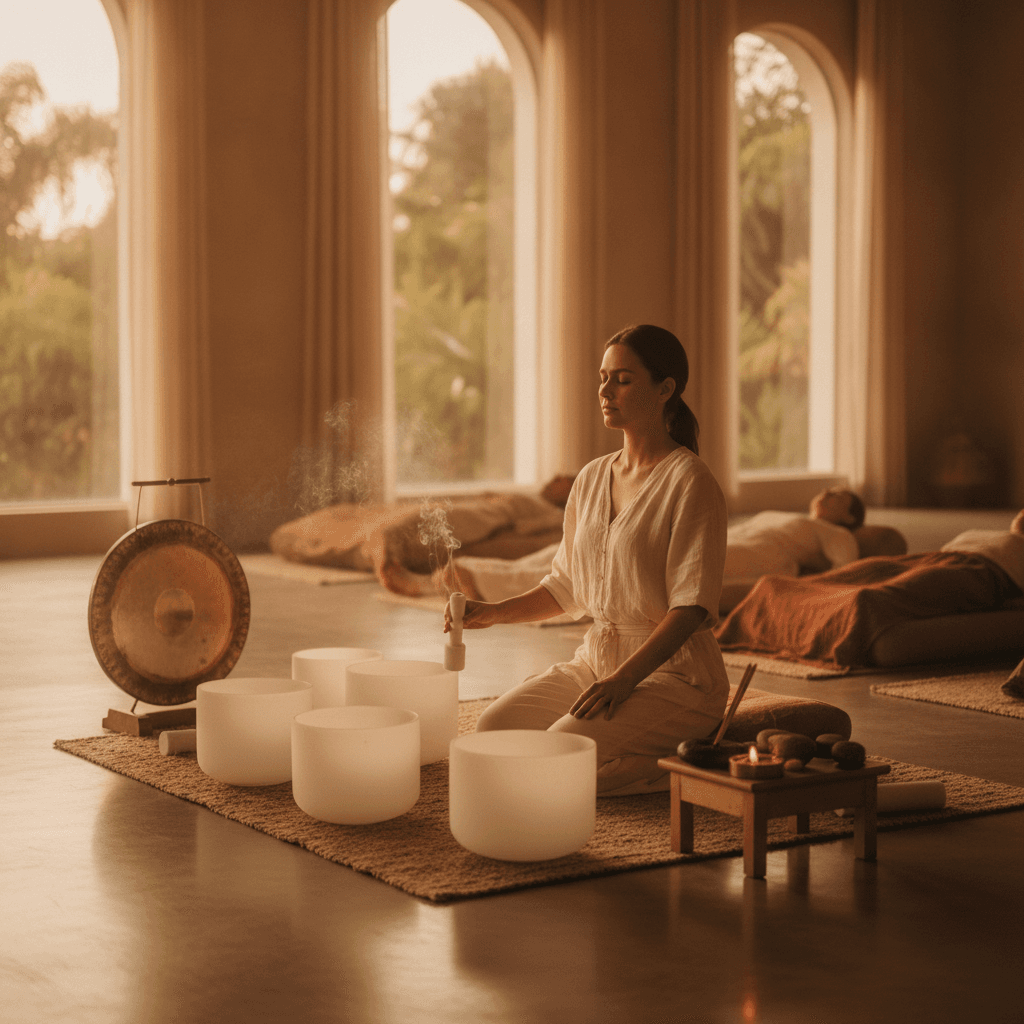
What makes the Soul Art method truly unique is the elegant synergy between breathwork and carefully selected sound frequencies. Larissa Steinbach utilizes a range of instruments, including:
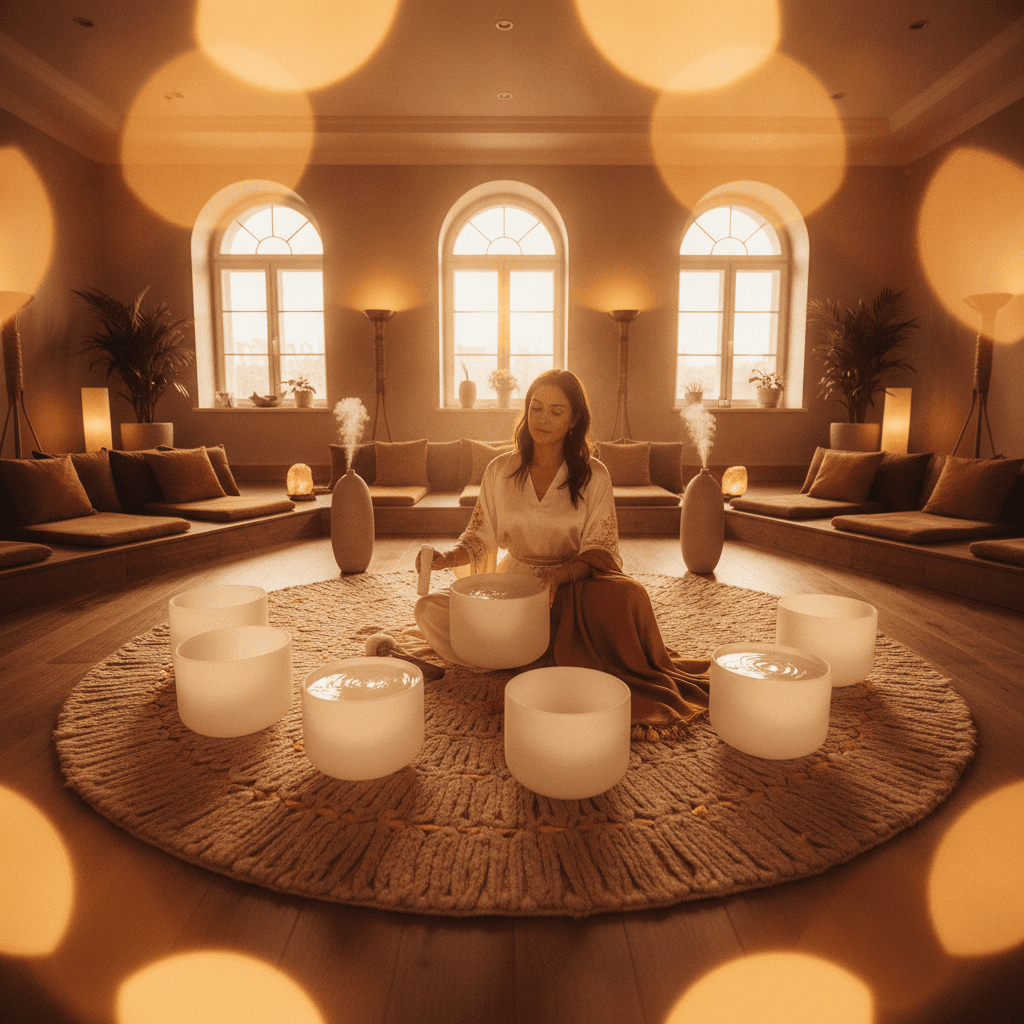
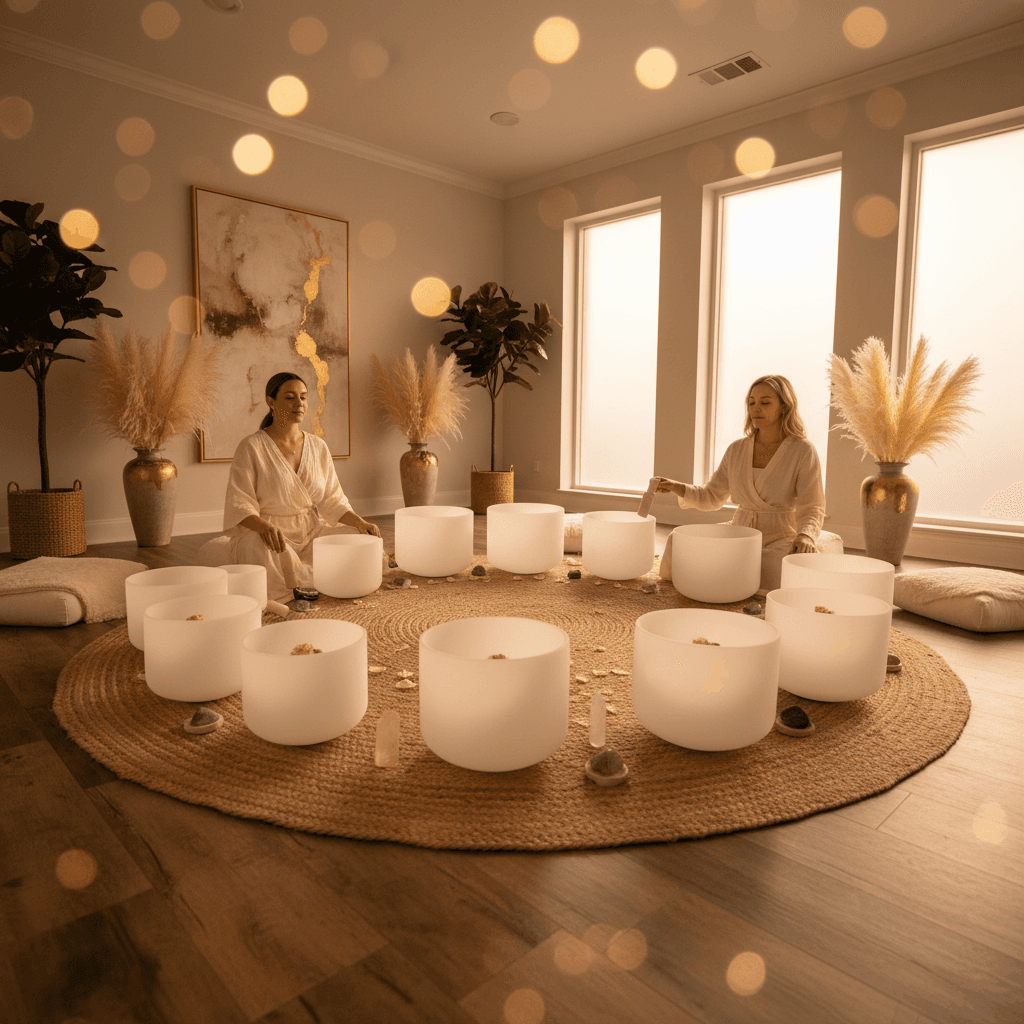
- Crystal Singing Bowls: Their pure, resonant tones are known to entrain brainwaves to alpha and theta states, conducive to deep relaxation and meditation. As clients practice long exhales, the vibrations of the bowls seem to physically guide the breath, making the exhale feel smoother and more extended.
- Gongs: The deep, immersive vibrations of gongs create a sonic bath that helps to release physical and emotional blockages, allowing for an even deeper surrender during breathwork.
- Chimes and Other Tuned Percussion: Used to punctuate and sweeten the soundscape, supporting a continuous state of mindful presence and relaxation.
These instruments are not mere background music; they are active participants in the toning process. The vibrations work in concert with the elongated breath to gently massage the vagus nerve and encourage the parasympathetic nervous system to take the lead. This multi-sensory approach can make the practice of long exhale toning feel more accessible and profound, especially for those who find traditional meditation challenging.
Cultivating Consistent Calm
Larissa’s sessions at Soul Art emphasize consistency over intensity. Clients are guided through intentional long exhale practices, often accompanied by diaphragmatic belly breathing, in a supportive group or private setting. The focus is always on a gentle, natural lengthening, ensuring the experience is calming rather than effortful.
The goal is to empower individuals to integrate these powerful techniques into their daily lives, particularly in the evening. By regularly practicing long exhale toning within the nurturing environment of Soul Art, clients may develop a more resilient nervous system, better emotional regulation, and a natural ability to transition into peaceful sleep. It's a holistic wellness practice that addresses stress at its physiological root, fostering a sustainable state of evening calm.
Your Next Steps: Integrating Long Exhale Toning for Evening Calm
The journey to evening calm is an intentional one, and long exhale toning offers a simple yet profound tool for transformation. Integrating this practice into your daily routine can yield significant benefits for your overall well-being. Remember, consistency is key, even if you start with just a few minutes. Your nervous system responds to repetition, not necessarily intensity.
Here are actionable steps you can implement today to begin cultivating deep evening calm:
- Start Small and Consistent: Dedicate just 3-5 minutes each evening before bed. Find a quiet, comfortable space where you won't be disturbed. Even a short, focused practice can signal your body that it's time to unwind.
- Focus on the Exhale: Begin by simply noticing your natural breath. Then, gently try to make your exhale slightly longer than your inhale. A ratio of 1:1.5 or 1:2 (e.g., inhale for 4 counts, exhale for 6 or 8 counts) can be a good starting point. Breathe slowly and deeply through your nose.
- Diaphragmatic Breathing: Ensure your breath comes from your diaphragm (belly breathing) rather than shallow chest breaths. Place one hand on your chest and one on your belly; the hand on your belly should rise more with each inhale. This activates the lower lobes of the lungs, which are richer in vagal nerve endings.
- Incorporate Grounding Techniques: As you exhale, imagine releasing any tension or worries from your body. You might visualize stress leaving your body with the outgoing breath, or focus on the sensation of your body becoming heavier and more rooted to the surface beneath you.
- Make it a Ritual: Pair your long exhale practice with another calming evening activity, like dimming the lights, enjoying a warm herbal tea, or journaling. This creates a powerful signal to your body that it's time to prepare for rest.
These practices are not about reaching perfection, but about cultivating a mindful connection with your breath. With consistent practice, you may find yourself experiencing less anxiety, a better mood, and a significantly easier transition into restful sleep.
Bookings Coming Soon
Soul Art is still in preparation. Session details and booking will be published here after launch.
Coming Soon
In Summary: Embracing Your Breath for a Serene Tomorrow
The power of the long exhale is a scientifically-grounded tool for stress management and profound relaxation, readily available within each of us. By intentionally elongating your exhalation, you send a direct signal to your vagus nerve, activating your parasympathetic nervous system and shifting your body into a state of calm and repair. This simple yet effective practice has been associated with reduced anxiety, improved heart rate variability, and a more peaceful transition into sleep.
At Soul Art, Larissa Steinbach enhances this fundamental breathwork with the exquisite power of sound wellness, creating a uniquely harmonious and deeply restorative experience. We invite you to explore this luxurious pathway to evening calm and discover how conscious breath, guided by resonant frequencies, can transform your nights and enrich your days. Reclaim your inner peace; your breath is waiting to guide you home.
Wellness Disclaimer: This article is for educational and informational purposes only. It does not constitute medical advice, diagnosis, or treatment. Soul Art Dubai provides non-medical wellness experiences focused on relaxation, stress management, and general wellbeing. Sound wellness is a complementary practice and should not replace professional medical care.
Related Articles
The Science of Connection: Call and Response Chanting for Wellness
Deepen Your Bond: Couples Breath & Tone Practice at Soul Art
Harmonize Your Voice: Humming for Public Speaking Nerves