Navigating Wellness: A Guide to Licensing and Insurance

Key Insights
Discover the essential legal and ethical frameworks of licensing and insurance in sound wellness. Learn why these standards are vital for your safety and peace of mind.
When you settle into a space for a sound bath, preparing to let go of the outside world, a fundamental question underpins your ability to relax: Am I safe? This feeling of security is not just about a calm ambiance; it is built on an invisible foundation of professionalism, ethics, and accountability. While topics like licensing and insurance may seem far removed from the transcendent experience of sound wellness, they are, in fact, the very structures that create a trusted space for deep restoration.
In this journal, we will explore the critical importance of these legal and ethical requirements. We will delve into the science and principles behind professional standards, understand how they translate into practice, and see why they are non-negotiable for any serious wellness practitioner. This knowledge empowers you not only to appreciate the integrity behind a professional practice but also to make informed choices that protect and enhance your wellbeing journey.
The Science of Trust: Regulatory Frameworks in Wellness
While the field of sound wellness doesn't have the same rigid, government-mandated licensing as medicine or law, the principles that govern professional conduct in those fields offer a powerful blueprint for ensuring client safety and practitioner competence. The core idea is to create a system of accountability that protects the public.
The Principle of Non-Exploitation in Client Care
In formal clinical research, guidelines are explicit about protecting participants. For instance, the NIH highlights the "principles of nonexploitation," which state that any study must have a mechanism for compensation and care for participants, often through insurance. This ethical stance is directly applicable to wellness. A practitioner has a duty of care, ensuring their practice is a sanctuary, not a source of risk.
Professional liability insurance is the practical application of this principle. It serves two primary functions:
- Client Protection: It provides a safety net, ensuring that in the rare event of an unforeseen incident (from a slip and fall to an adverse emotional response), resources are available to support the client.
- Practitioner Viability: It protects the practitioner and their business from potentially devastating financial and legal consequences, allowing them to operate with confidence and integrity.
This framework shifts the dynamic from a casual interaction to a professional service, where the client’s wellbeing is structurally protected.
Models of Competence: Lessons from Regulated Industries
Studies in fields like transportation, such as research on driver licensing policies, show a direct correlation between more restrictive renewal requirements (like in-person tests) and lower rates of injury. While driving a car and facilitating a sound bath are vastly different, the underlying logic is the same: verified, ongoing competence reduces risk.
In the wellness world, this translates to:
- Initial Certification: Completing a comprehensive training program from a reputable institution. This is the equivalent of passing the initial driving test.
- Continuing Education: Regularly updating skills and knowledge. This mirrors the license renewal process, ensuring a practitioner’s methods remain current, safe, and effective.
A practitioner who invests in continuous learning demonstrates a commitment to excellence and safety, acknowledging that mastery is a journey, not a destination.
Self-Regulation and Global Standards
In sectors with evolving regulations, like health laboratories, different models emerge to ensure quality. Some countries use legislation, while others rely on health insurance contracts or accreditation with international standards (like ISO 15189) to enforce quality.
Sound wellness currently operates primarily on a self-regulation model. Credibility is established not by a government stamp, but by aligning with the highest standards available. This includes seeking out rigorous training, adhering to a code of ethics, and maintaining comprehensive insurance. This proactive approach demonstrates a practitioner's commitment to professionalism in an industry where standards can vary widely.
"True professionalism in wellness is not about meeting the minimum legal requirement. It's about exceeding it, creating an environment of such profound safety and integrity that the client can truly let go."
How It Works in Practice: From Paperwork to Peace of Mind
Understanding the theory is one thing; seeing how it manifests in a wellness studio is another. These legal structures are not just bureaucratic hurdles; they are the silent guardians of the client experience.
When a practitioner holds robust insurance and recognized certifications, it fundamentally shapes the service they provide. It means they have been trained to handle a variety of situations, from managing the energetic dynamics of a group session to providing appropriate support if a client has a powerful emotional release. It means they understand the scope of their practice and the importance of not making medical claims.
For you, the client, this translates into tangible peace of mind. You can relax more deeply, knowing you are in the hands of a professional who has invested in their craft and your safety. You are not just paying for sounds; you are paying for expertise, safety, and a professionally held space.
This professionalism is often felt in the details:
- Clear Intake Process: A practitioner asks about your health history and what you hope to achieve.
- Defined Boundaries: They clearly state that their work is for wellness and relaxation, not a substitute for medical treatment.
- A Safe Environment: The physical space is clean, safe, and thoughtfully arranged to prevent accidents.
These practices are the direct result of the discipline and awareness instilled by formal training and the accountability required by insurance providers.
The Soul Art Approach: A Commitment to Unseen Excellence
At Soul Art, our philosophy is built upon a foundation of unwavering professional integrity. Founder Larissa Steinbach believes that the most profound healing experiences can only occur in an atmosphere of complete trust. This trust is earned not just through skill with the instruments, but through a rigorous commitment to the highest ethical and professional standards.
Our approach is rooted in several key commitments:
- Verifiable, In-Depth Training: Larissa has pursued extensive education from globally recognized masters in the field of sound and vibrational wellness, ensuring every technique used at Soul Art is grounded in a deep understanding of its principles and effects.
- Comprehensive Insurance: We maintain top-tier professional and public liability insurance, a testament to our commitment to client safety and our belief in professional accountability. This is a non-negotiable aspect of our operations.
- Ethical Practice: We operate with complete transparency. We provide clear information about what a session entails, maintain strict client confidentiality, and are diligent about working within our professional scope as a complementary wellness practice.
This dedication to the "unseen" aspects of the practice is what defines the Soul Art experience. It’s a quiet luxury—the assurance that every detail, from the resonance of the bowls to the legal framework of the business, has been attended to with meticulous care.
Your Next Steps: Choosing a Practitioner with Confidence
As you continue your wellness journey, you are your own best advocate. To ensure you are always in safe and capable hands, consider this a checklist for evaluating any wellness practitioner, whether in sound or another modality.
- Inquire About Training: Don't hesitate to ask, "Could you tell me about your training and certification?" A professional will be happy to share their qualifications and lineage.
- Confirm They Are Insured: A simple question like, "Do you hold professional liability insurance?" is a perfectly acceptable and important inquiry. The answer should be a confident "yes."
- Assess Their Professionalism: Observe their communication. Do they set clear expectations? Do they respect boundaries and avoid making unrealistic or medical claims?
- Listen to Your Gut: Beyond the credentials, trust your intuition. A truly professional and safe environment will feel grounded, respectful, and secure.
Taking these simple steps empowers you to make informed decisions, ensuring your investment in your wellbeing is always placed in the hands of a true professional.
In Summary: The Foundation of Trust
While licensing and insurance may seem like dry, technical subjects, they are the bedrock of a safe, ethical, and effective wellness practice. They represent a practitioner's commitment to a professional standard of care, ensuring that clients are protected and respected. This framework of accountability is not a limitation; it is the very thing that liberates the client to fully immerse themselves in the experience of deep relaxation and self-discovery.
This commitment to integrity is at the heart of everything we do. We invite you to experience the difference that a professionally held space can make on your journey to balance and harmony at Soul Art.
Bookings Coming Soon
Soul Art is still in preparation. Session details and booking will be published here after launch.
Coming Soon
Related Articles
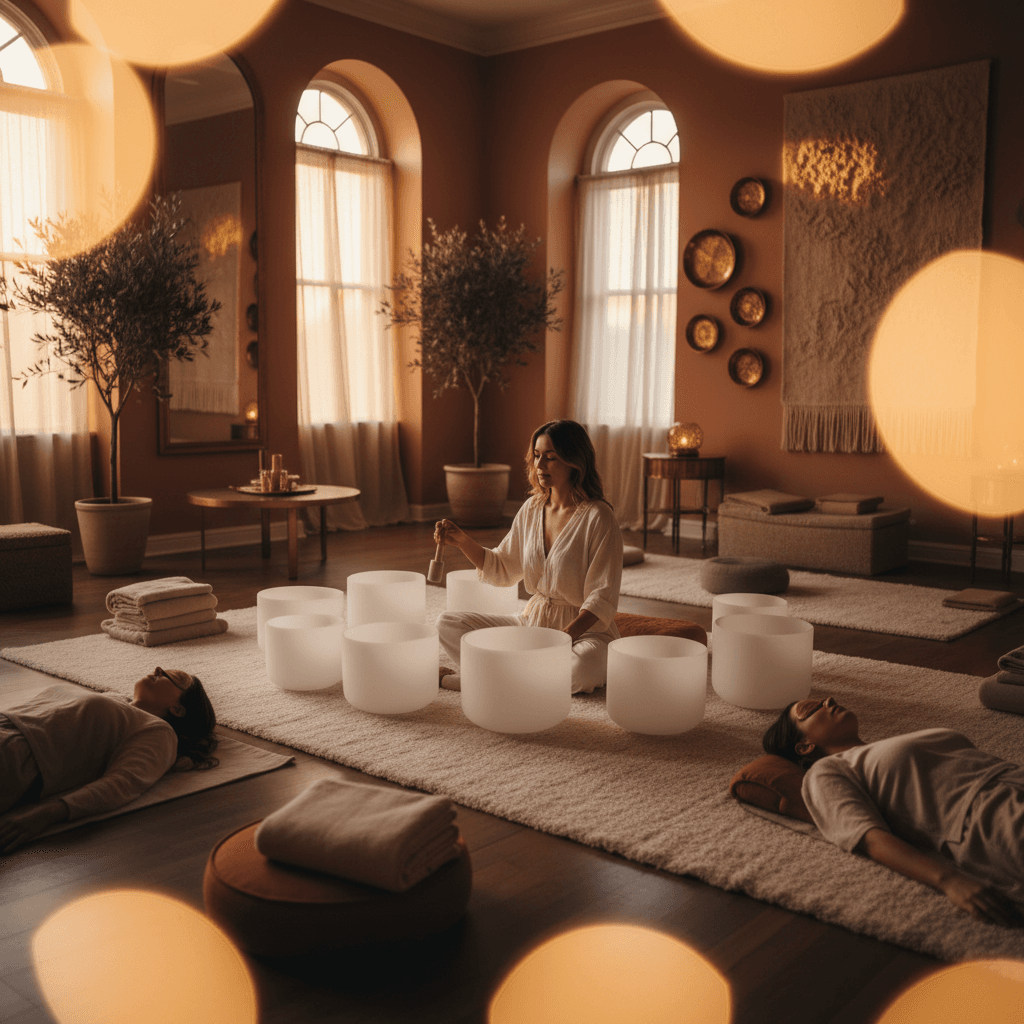
Mastering Your Craft: The Lifelong Journey of Continuing Education
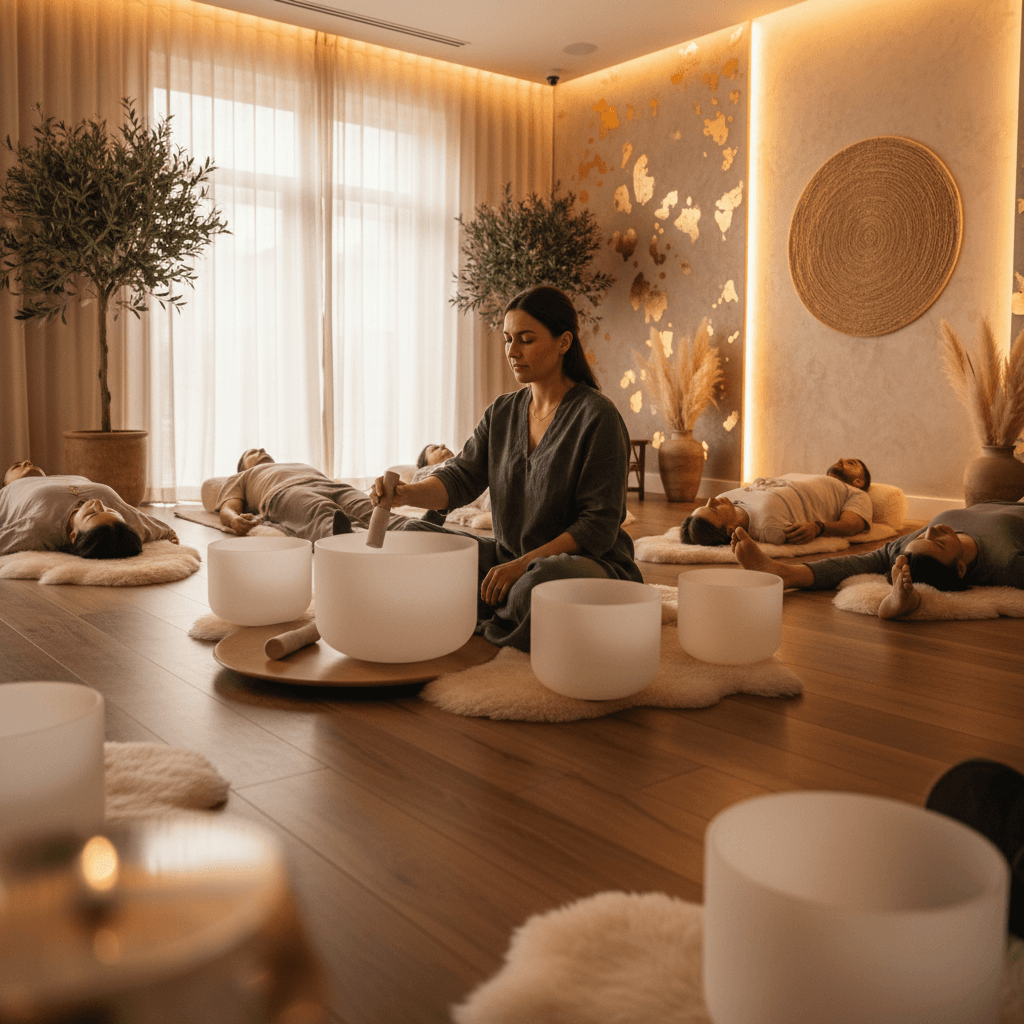
Niche Specialization: The Science of Finding Your Focus

Scaling Your Soul: Growth Strategies for Wellness Practices