Lake Stillness: The Deep Science of Calm Waters at Soul Art
Key Insights
Uncover the neurological reasons why water brings peace. Explore the 'Blue Mind' effect and how Soul Art, led by Larissa Steinbach, harnesses this for profound wellness.
Have you ever felt an unexplainable, profound calm wash over you when standing by a lake, ocean, or river? This deep sense of peace, often dismissed as merely the "holiday effect," is far more than anecdotal; it’s a scientifically recognized neurochemical response within your brain. Recent research illuminates why some individuals experience this phenomenon so intensely, revealing a fascinating connection to our nervous systems.
This journey into "Lake Stillness: Sound of Calm Waters" will explore the scientific underpinnings of this profound connection. We’ll delve into the "Blue Mind" theory, understand how water sounds interrupt cognitive noise, and discover how Soul Art, under the guidance of Larissa Steinbach, integrates these powerful insights into transformative wellness experiences. Prepare to uncover the calming secrets that water has whispered to humanity for millennia, now validated by modern science.
Unveiling the Blue Mind: The Neuroscience of Water's Calm
The intuitive sense that water is calming has now been extensively backed by scientific inquiry. A large-scale study published in Scientific Reports, encompassing over 16,000 people across 18 countries, found a consistent association between regular visits to "blue spaces" (bodies of water) and positive wellbeing, alongside reduced mental distress. This relationship transcended cultures, climates, and demographics, highlighting a universal human response.
What's particularly compelling is that those carrying the highest baseline cognitive and emotional load seem to benefit most dramatically. This suggests that the more background noise your nervous system is running, the more powerfully water can interrupt and quiet it, offering a much-needed respite.
The 'Blue Mind' Phenomenon
Marine biologist Dr. Wallace J. Nichols coined the term Blue Mind, defining it as a mildly meditative state of calm, peacefulness, and satisfaction that the brain enters when it's near water. His work, supported by neuroscience research using EEGs and fMRI imaging, reveals that proximity to water triggers a genuine neurochemical cascade in the brain. It’s not just a feeling; it’s a physiological shift.
Our senses receive a unique combination of stimuli from water. This includes the rhythmic sound of lapping waves, the mesmerizing visual movement, the distinct smell of fresh or salty air, and even the negative ions prevalent in coastal environments. The brain processes these inputs and responds by releasing a beneficial constellation of feel-good chemicals.
These neurochemicals include dopamine, associated with pleasure and reward; serotonin, a mood stabilizer; oxytocin, the "bonding hormone" fostering trust and calm; and endorphins, natural pain relievers. Crucially, water also prompts the release of GABA, the brain's primary calming neurotransmitter, which helps to slow down nerve activity and promote relaxation.
Interrupting the Noise: Why Water Quiets the Mind
For many, modern life is characterized by a constant influx of information, demands, and stressors, leading to an overactive nervous system. This continuous "noise" contributes to mental fatigue, anxiety, and a diminished sense of wellbeing. Blue spaces act as a powerful antidote, offering a unique form of cognitive restoration.
The consistent, rhythmic patterns of water provide a gentle, non-threatening stimulus that allows the brain to shift from a state of hyper-vigilance to one of relaxed alertness. This shift helps to quiet the mind's incessant chatter, creating space for deeper self-reflection and mindfulness. The presence of water can encourage a sense of awe, which further draws attention away from internal worries and towards the external environment.
"The more noise your nervous system is running in the background, the more powerfully water interrupts it."
Water Sounds: A Direct Pathway to Stress Reduction
Beyond the full sensory experience, the auditory component of water alone holds significant therapeutic potential. Preliminary evidence from studies, including one published in PMC, highlights the stress-reducing effect of listening to water sounds. This research indicates that specific frequencies and patterns found in natural water sounds can significantly impact our physiological stress responses.
One study found that listening to water sounds before a major stress situation significantly reduced the subsequent cortisol response. Cortisol is a key indicator of the hypothalamus-pituitary-adrenal (HPA) axis activation, which is our body's central stress system. A reduction in cortisol suggests a calmer, more regulated stress response.
These findings imply that engaging with natural sounds, particularly those of water, may serve as a simple yet highly accessible intervention capable of positively affecting our major human stress systems. This effect is reflected in changes to the endocrine system (hormone regulation) and the autonomous nervous system, promoting a state of calm and balance.
Lakes vs. Oceans: The Nuances of Blue Space Benefits
While coastal communities often garner attention for "blue space" benefits, the serene power of lakes should not be underestimated. Research indicates that a large enough lake can offer benefits very similar to those derived from the sea. Countries like Finland, with their abundant lakes, are actively funding research into the unique wellness properties of these freshwater bodies.
The "sound of water is mainly driven by hydrology," meaning the volume and speed of water flow influence its auditory characteristics. While flowing rivers might have a more dynamic soundscape, the gentle lapping or subtle murmurs of a relatively still lake provide a unique auditory experience. This "stillness" can be profoundly grounding, offering a constant, soothing frequency that supports deep relaxation and mental clarity. It's about the consistency and the absence of jarring sounds, creating an ideal environment for nervous system regulation.
Translating Science into Sensory Experience
Understanding the science behind water's calming effect allows us to intentionally design environments and experiences that replicate and amplify these benefits. The rhythmic sounds, subtle visual cues, and the underlying sense of awe that water inspires can be meticulously recreated and harnessed, even in an urban setting.
When clients engage with a sound wellness experience rooted in these principles, they are not merely listening to sounds; they are inviting a neurochemical shift. The carefully curated sonic landscapes, often featuring the gentle ebb and flow of water, bypass the overthinking mind and directly engage the parasympathetic nervous system – our "rest and digest" mode.
The experience often begins with a subtle release of tension, mirroring the unclenching of muscles and the deepening of breath that occurs by an actual lakeside. As the soothing frequencies permeate the space, clients may report a sense of weightlessness, a softening of mental edges, and a gentle slowing of brainwaves. This immersive state encourages mindfulness and self-reflection, allowing individuals to process thoughts and emotions from a place of calm observation rather than reactive engagement.
The power of water's sensory effects extends beyond direct physical presence. Even virtually or through carefully crafted soundscapes, the brain can tap into these ancient, calming patterns. This promotes a uniquely positive state of mind, fostering inner peace, emotional balance, and a renewed sense of clarity. For those navigating stress, anxiety, or simply seeking a deeper connection to tranquility, these experiences offer a potent pathway.
Soul Art: Harnessing Lake Stillness for Modern Wellness
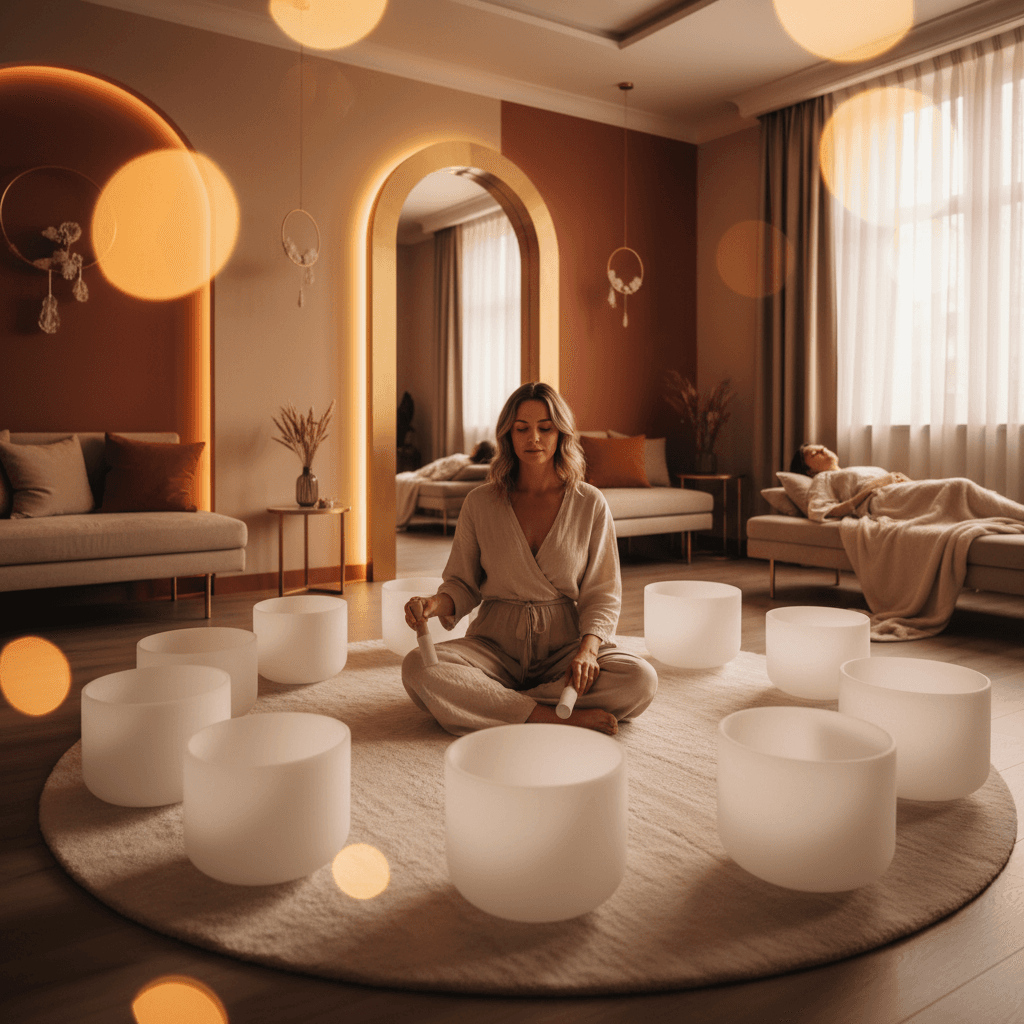
At Soul Art, Dubai's premier sound wellness studio, Larissa Steinbach has meticulously integrated the profound science of blue spaces into her unique healing methodologies. Larissa's vision is to bring the restorative power of nature's deepest calm into the heart of modern life, offering a sanctuary where the nervous system can truly reset. Her approach to "Lake Stillness" is a testament to this commitment, transforming scientific insights into tangible, deeply impactful experiences.
The Soul Art Lake Stillness sound journey is specifically designed to evoke the meditative state of the Blue Mind. Larissa Steinbach masterfully curates frequencies and vibrations that mimic the gentle, rhythmic sounds of calm waters – the subtle lapping against a shore, the almost imperceptible hum of a vast, still lake. This is achieved through a bespoke combination of instruments, including resonant Himalayan singing bowls, deep-toned gongs, and delicate chimes, alongside specially engineered natural sound recordings that transport the listener.
What makes the Soul Art method unique is its holistic embrace of these principles. Larissa understands that the benefits extend beyond mere relaxation; it's about nervous system regulation and fostering neurochemical balance. Each session is an immersive journey, guiding the client through layers of sound that gently encourage the release of stress hormones and promote the secretion of feel-good neurotransmitters like serotonin and GABA.
The intention is to provide a complementary approach to wellbeing, offering a powerful stress management tool that supports mental and emotional resilience. Clients often report emerging from a Lake Stillness session feeling profoundly rejuvenated, with enhanced clarity, reduced anxiety, and a lasting sense of inner peace – a direct echo of the calm found by pristine waters.
Cultivating Your Own Calm: Practical Steps
Integrating the benefits of "blue spaces" into your daily life doesn't always require a trip to the coast or a lakeside retreat. You can cultivate a deeper sense of calm through intentional practices, leveraging the insights from neurological research. These simple steps may support your mental and emotional wellbeing, helping you manage stress and foster a more peaceful state of mind.
Here are 3-5 actionable bullet points you can implement today:
- Seek Out Natural Water Bodies: Whenever possible, spend time near lakes, rivers, or even fountains. Engage all your senses: listen to the sounds, observe the movement, and simply be present. Regular exposure has been associated with reduced mental distress.
- Incorporate Water Sounds Virtually: Utilize high-quality recordings of gentle lake sounds, soft ocean waves, or tranquil rainfall during your workday, meditation, or before sleep. Some research suggests this can significantly support a reduction in stress hormones like cortisol.
- Practice Mindful Listening: Whether by real water or through recordings, dedicate specific time to truly listen. Close your eyes and focus solely on the rhythmic patterns and subtle variations in the water's sound. This practice encourages mindfulness and interrupts cognitive noise.
- Conscious Breathing by Water: Combine your water exposure (real or virtual) with deep, conscious breathing exercises. Inhale deeply, allowing your belly to rise, and exhale slowly. This amplifies the calming effect on your nervous system, promoting greater relaxation.
- Explore Sound Wellness Sessions: Consider booking a specialized sound journey at a studio like Soul Art. Experiences crafted by experts like Larissa Steinbach are designed to harness these scientific principles, offering an immersive environment for profound nervous system recalibration and deep relaxation.
Bookings Coming Soon
Soul Art is still in preparation. Session details and booking will be published here after launch.
Coming Soon
Embrace the Serenity: A Call to Deeper Calm
The profound calm we feel near water is far from coincidence; it's a testament to our innate biological connection to nature, deeply rooted in our neurological makeup. The "Blue Mind" theory provides a compelling scientific framework for understanding how the rhythmic sounds, visual flow, and unique atmospheric elements of water trigger a cascade of feel-good neurochemicals in our brains, effectively interrupting cognitive noise and fostering deep relaxation.
This article has unveiled how water, particularly the serene stillness of lakes, serves as a powerful yet easily accessible wellness practice for stress management and enhancing overall wellbeing. By understanding these mechanisms, we can intentionally seek out or recreate these beneficial environments. Larissa Steinbach and Soul Art stand at the forefront of this holistic wellness approach, offering meticulously designed sound journeys that harness the very essence of "Lake Stillness" to guide you towards profound inner peace and nervous system harmony.
Related Articles
Harmonic Paws: Unveiling Animal-Assisted Sound Therapy at Soul Art Dubai
Biophilic Soundscapes: Designing Wellness Through Nature's Acoustics
City Noise vs Nature Sound: A Soul Art Path to Serenity