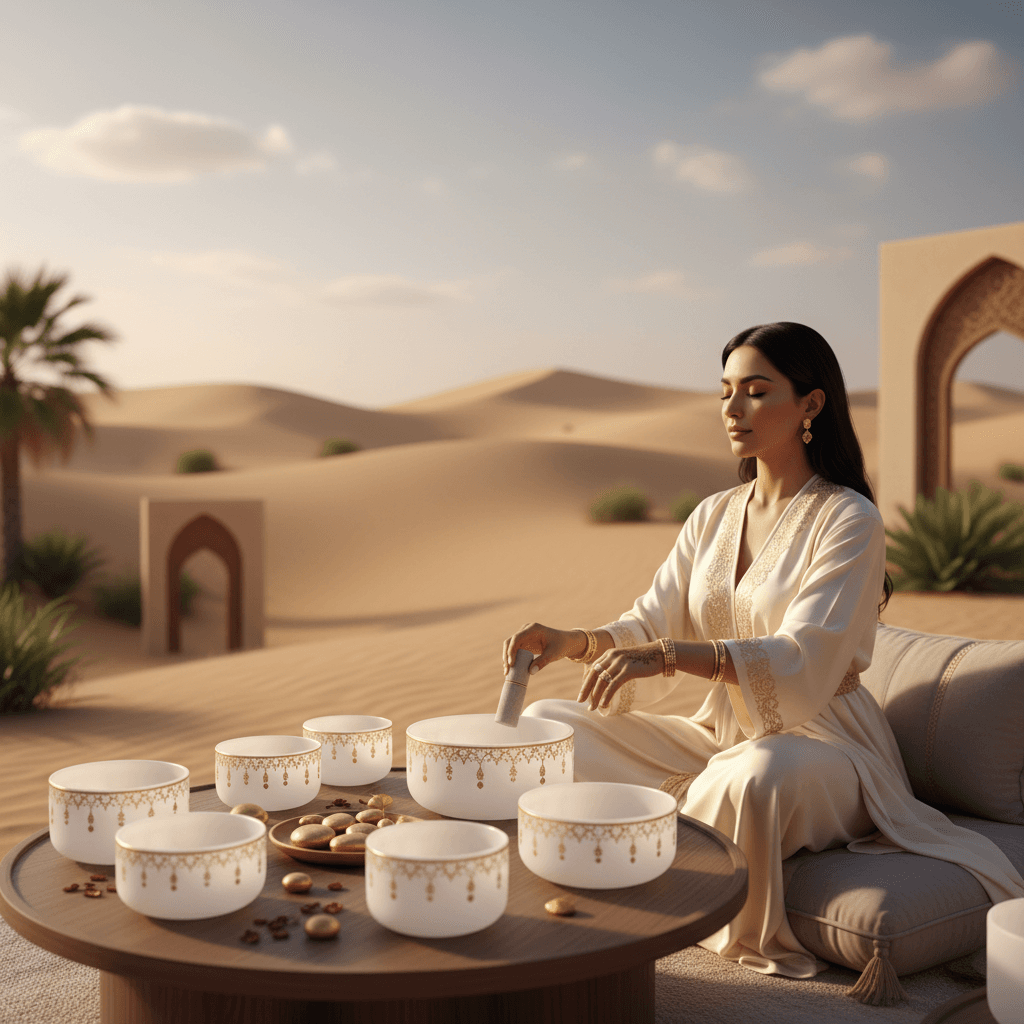
Koto's Ancient Echoes: Japanese Strings for Modern Calm
Key Insights
Discover how the serene melodies of the Koto, a traditional Japanese string instrument, offer profound relaxation and stress relief.
Have you ever considered that an instrument, dating back over a thousand years, could hold the key to unlocking profound relaxation in our fast-paced modern world? The Koto, Japan's iconic traditional string instrument, is more than just a relic of history; it is a vibrant source of intricate melodies and resonant vibrations, deeply rooted in the art of mindful listening. Its gentle yet powerful sounds have been cherished for centuries, fostering tranquility and introspection.
At Soul Art, Dubai's premier sound wellness studio, we believe in harnessing the subtle yet profound power of sound to restore balance and promote well-being. This article delves into the fascinating world of Koto music, exploring the scientific principles that underscore its ability to soothe the nervous system and melt away stress. We will journey from ancient traditions to contemporary scientific insights, revealing how this elegant instrument offers a unique pathway to inner peace, aligning perfectly with the holistic wellness philosophy championed by our founder, Larissa Steinbach. Prepare to discover how the captivating tones of the Koto may support your journey towards a more relaxed and centered self.
The Science Explained: Unraveling Music's Relaxing Power
The idea that music can relax and heal is not merely an anecdotal observation; it is a concept increasingly supported by scientific research. Various studies have explored the physiological and psychological mechanisms through which different types of music can influence our state of mind and body. Understanding these mechanisms helps us appreciate the therapeutic potential of instruments like the Koto.
Blood Flow and Physiological Relaxation
One of the measurable effects of listening to relaxing music is its impact on our circulatory system. Researchers have found that certain types of music can actually increase blood flow volume in the body, which is associated with a state of relaxation. For instance, a study published in Scientific Research, conducted by researchers at Juntendo University in Japan and led by Kenichi Itao, examined the health benefits of music.
The study revealed that participants experienced an increase in blood flow volume in their fingertips when listening to classical music. This increase was indicative of a relaxation effect. While the study specifically tested "Pachelbel’s Canon" as classical music, the Koto, as a classical and traditional string instrument, produces a similar calming acoustic profile that may also promote comparable physiological responses.
Heart Rate Variability and Autonomic Nervous System Balance
Beyond blood flow, music has a significant impact on our autonomic nervous system (ANS), which controls involuntary bodily functions like heart rate, breathing, and digestion. The ANS comprises two branches: the sympathetic nervous system (responsible for "fight or flight" responses) and the parasympathetic nervous system (responsible for "rest and digest"). A healthy balance between these two systems is crucial for well-being.
The Juntendo University study also investigated heart rate variability (HRV), a key indicator of ANS activity. It found that both high and low-frequency heart rate decreased while listening to music compared to before and after the music played. More significantly, when participants listened to classical and "healing" music, the ratios decreased even further. This outcome suggested that the sympathetic nervous system's activity was lessened, while the parasympathetic nervous system was heightened, providing strong evidence of a relaxation effect. This shift towards parasympathetic dominance is precisely what sound wellness aims to achieve, helping the body move from a state of stress to one of calm and recovery.
Hormonal Balance and the Power of Frequency
The influence of music extends to our endocrine system, impacting the release of key hormones related to stress and well-being. Specific frequencies, sometimes referred to as "healing" frequencies, have garnered attention for their potential to foster a sense of comfort and reduce stress at a biochemical level.
A study investigating the effects of 528 Hz music, often cited as a "love frequency," revealed intriguing results. In this research, participants who listened to 528 Hz music showed a significant decrease in salivary cortisol levels, a primary stress hormone. Concurrently, their oxytocin levels, often called the "love hormone" associated with bonding and well-being, significantly increased. Researchers inferred that the 528 Hz music was perceived as a pleasing sensation, which then influenced the amygdaloid body and subsequently reduced stress levels by modulating the HPA axis through oxytocin. While specific Koto pieces may not always be tuned to exactly 528 Hz, the instrument's rich harmonic palette and resonant tones can produce frequencies that resonate deeply within the listener, potentially eliciting similar beneficial endocrine responses.
"The subtle vibrations of sound do not merely caress the ear; they weave themselves into the very fabric of our being, offering a pathway to innate harmony and healing."
String Instruments and Tactile Engagement for Stress Relief
The Koto's classification as a string instrument is also significant in the context of stress reduction. Research suggests that string instruments, generally, are particularly effective in promoting relaxation. This is attributed to their ability to combine melody, harmony, and tactile engagement. Instruments like the violin, guitar, and sitar create soothing sounds that naturally relax the mind.
The Koto, a large zither with 13 strings stretched across a resonant soundbox, creates a unique auditory and almost tactile experience. The act of plucking its strings, whether by a performer or through the sympathetic resonance felt by a listener, creates a complex tapestry of vibrations. These vibrations, combined with the Koto's often meditative and unfolding melodies, can induce a "flow state" where mental chatter diminishes and stress naturally dissipates. The physical characteristics of the Koto—its length, the tension of its strings, and the way it is played—all contribute to its distinctive sound profile, which is inherently calming and conducive to deep relaxation.
How It Works in Practice: The Koto Experience
Translating scientific findings into a lived experience requires understanding the sensory and emotional journey clients undertake during a Koto sound session. The Koto is not just an instrument; it is a storyteller, an emotional conduit, and a source of profound somatic resonance. Its practical application in wellness settings centers on its unique sonic qualities and the deep meditative states it can foster.
When a Koto is played, the sound travels through the air as vibrations, which are then perceived by the listener's ears and felt throughout their body. The instrument's long, resonating body amplifies the delicate plucking of its strings, creating a rich, multi-layered soundscape. Each note played on the Koto often has a gentle decay, allowing its resonance to linger in the air, inviting a sense of spaciousness and contemplation. This extended sustain creates an auditory environment where the mind can slow down and enter a more receptive state.
Clients often describe the experience of Koto music as deeply immersive. The melodies, ranging from ancient court music (gagaku) to contemporary compositions, are typically characterized by their nuanced expression and unhurried pacing. This allows the listener to let go of external distractions and turn their attention inward. The repetitive yet evolving patterns found in many Koto pieces can act as a gentle anchor for the mind, guiding it away from anxious thoughts and into a state of present-moment awareness.
The physical sensation of Koto vibrations can also be a powerful component of the experience. Although not directly touching the instrument, many people report feeling a subtle, pervasive vibration throughout their bodies. This somatic feedback may contribute to a sense of cellular relaxation and release of physical tension. It is a gentle reminder that sound is a physical phenomenon, capable of interacting directly with our physiological systems. Emotionally, Koto music often evokes feelings of peace, nostalgia, and sometimes a poignant beauty. It can create a safe space for emotional release, allowing feelings to surface and gently dissipate, contributing to overall emotional well-being.
The Soul Art Approach: Larissa Steinbach's Vision
At Soul Art, Larissa Steinbach envisioned a sanctuary where ancient wisdom meets modern well-being, and the Koto fits perfectly into this philosophy. Our approach to integrating Koto music into our sound wellness offerings is both intentional and deeply rooted in the principles of holistic healing. We recognize the Koto's unique capacity to transcend cultural boundaries and speak directly to the human spirit, fostering deep relaxation and internal harmony.
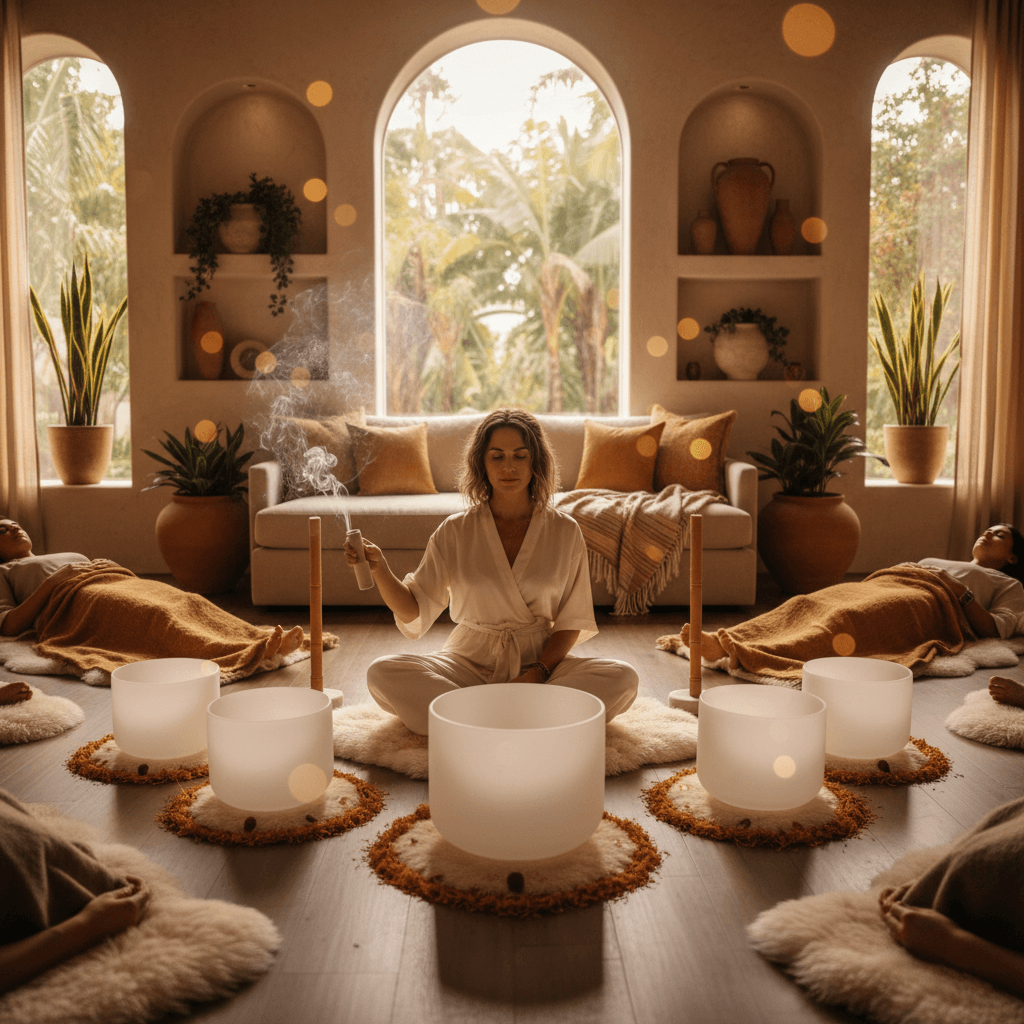
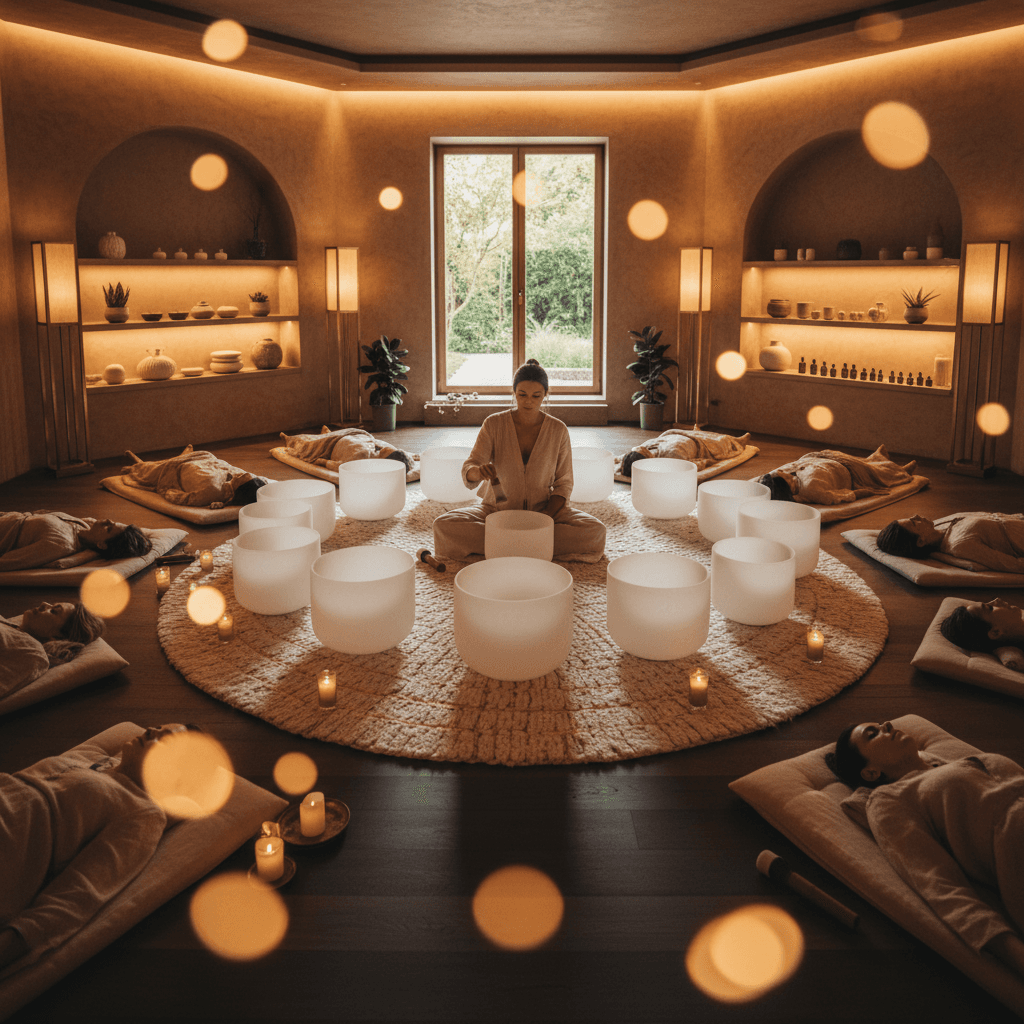
Larissa Steinbach's methodology at Soul Art emphasizes creating a truly immersive and personalized experience. When featuring Koto music, the sessions are carefully curated to maximize its therapeutic potential. This may involve solo Koto performances, where the pure, unadulterated sound of the instrument takes center stage, allowing clients to fully absorb its delicate nuances and powerful resonance. Alternatively, Koto melodies may be integrated with other complementary sound instruments, such as crystal singing bowls or gentle percussion, to create a richer, more expansive sound bath experience.
What makes the Soul Art method unique is its dedication to tailoring the sound journey to individual needs. Our practitioners are trained to observe and respond to the energy of the room, selecting Koto pieces and playing styles that best support the collective or individual intention for the session—whether it's deep meditation, stress release, or emotional balance. The environment at Soul Art is meticulously designed to enhance the experience, with soft lighting, comfortable seating, and an atmosphere of serene tranquility that complements the Koto's calming presence.
Through the thoughtful application of Koto music, Larissa Steinbach and the Soul Art team aim to guide clients toward a state of profound peace, inviting them to rediscover their inner stillness. It is about more than just listening to music; it is about experiencing the subtle frequencies and resonant qualities that may support the body's natural ability to self-regulate and restore balance, making it a powerful component of our comprehensive sound wellness offerings.
Your Next Steps: Embracing Koto for Personal Well-being
The journey towards greater peace and reduced stress is a continuous one, and incorporating the gentle power of Koto music can be a delightful and effective step. You don't need to be an expert in Japanese culture or music theory to begin experiencing its benefits. Here are a few practical ways you can start to integrate the calming influence of Koto into your daily life:
- Explore Koto Recordings: Seek out high-quality recordings of traditional and contemporary Koto music online or through streaming services. Create a dedicated playlist for relaxation, meditation, or as background music during tasks that benefit from calm focus. Pay attention to how different pieces make you feel.
- Mindful Listening Practice: Dedicate specific time, even just 10-15 minutes, to listen to Koto music without distraction. Find a quiet space, close your eyes, and simply observe the sounds. Notice the vibrations, the melody, and any sensations in your body. This mindful practice can deepen the relaxation effect.
- Combine with Other Practices: Integrate Koto music into your existing self-care routines. Play it during gentle yoga, stretching, or before bedtime to unwind. Its serene qualities make it an excellent accompaniment for calming activities, potentially enhancing their stress-reducing benefits.
- Learn More About the Instrument: Understanding the history and cultural significance of the Koto can enrich your listening experience. Learning about its construction and playing techniques can foster a deeper appreciation for the artistry and intentionality behind the music.
- Experience Professional Sound Wellness: For a truly immersive and guided experience, consider booking a sound wellness session that features the Koto. Soul Art Dubai offers expertly facilitated sessions where you can surrender to the soothing frequencies and allow skilled practitioners to guide you into a state of deep relaxation.
In Summary: The Koto's Enduring Harmony
The Koto, with its ancient origins and captivating sounds, offers a unique and powerful pathway to modern relaxation and stress management. Scientific research consistently points to music's ability to influence physiological markers of stress, such as blood flow and heart rate variability, and may even positively impact hormonal balance. As a classical string instrument, the Koto aligns with these findings, providing a rich tapestry of resonant frequencies that invite the listener into a state of profound calm.
At Soul Art, Larissa Steinbach and our team are dedicated to bringing these transformative experiences to our community in Dubai. By thoughtfully integrating the Koto into our wellness offerings, we provide a sophisticated and effective method for individuals to unwind, rebalance, and reconnect with their inner peace. Embrace the serene elegance of Koto music and discover a complementary approach to nurturing your holistic well-being.
Bookings Coming Soon
Soul Art is still in preparation. Session details and booking will be published here after launch.
Coming Soon
Wellness Disclaimer: This article is for educational and informational purposes only. It does not constitute medical advice, diagnosis, or treatment. Soul Art Dubai provides non-medical wellness experiences focused on relaxation, stress management, and general wellbeing. Sound wellness is a complementary practice and should not replace professional medical care.
Related Articles
Maori Poi & Sound: Pacific Traditions for Modern Well-being
Swedish Nyckelharpa: The Science of Nordic String Healing
Apollo's Ancient Echoes: Sound Healing & Holistic Wellness