Johns Hopkins & Music Therapy: The Science of Sound Wellness
Key Insights
Explore Johns Hopkins' pioneering research in music therapy and its profound impact on holistic well-being. Discover how sound supports mind-body harmony.
Unlocking the Brain's Symphony: Johns Hopkins and the Science of Sound Wellness
Imagine a world where the very melodies that soothe your soul could also recalibrate your nervous system, ease discomfort, and sharpen your mind. This isn't a futuristic fantasy, but a rapidly evolving reality, thanks to the pioneering scientific investigations conducted by institutions like Johns Hopkins University. Their cutting-edge research is continuously validating what ancient cultures, including those inspiring principles like Raag Chikitsa, have long intuited: music is a profound tool for healing and holistic well-being.
At Soul Art, founded by Larissa Steinbach, we deeply resonate with this scientific exploration into music's therapeutic power. We believe that understanding the intricate mechanisms through which sound influences our brain and body is essential for cultivating genuinely transformative wellness experiences. This article delves into the remarkable contributions of Johns Hopkins in establishing music therapy as a credible and indispensable complementary practice in modern healthcare and wellness, offering invaluable insights for anyone seeking deeper harmony and vitality in their lives. Prepare to discover how carefully curated soundscapes, backed by rigorous scientific inquiry, may unlock your innate capacity for peace and restoration.
Unveiling the Neuroscientific Harmony: Johns Hopkins' Research into Music's Healing Power
The exploration of music's profound influence on human health is not a new endeavor, yet Johns Hopkins University stands at the forefront of scientifically quantifying and applying these ancient insights. Since 2015, the Johns Hopkins Center for Music and Medicine has been dedicated to investigating how music affects the brain and body, charting its potential to support individuals facing various challenges, from neurological conditions to stress management. Their work provides a robust scientific foundation for understanding the integrative power of sound in promoting well-being.
Neuroplasticity and Brain Activation
At the core of music's remarkable impact lies its ability to engage the brain in multifaceted ways. Dr. Alex Pantelyat, a neurologist and violinist who co-founded the Center for Music and Medicine, explains that music activates multiple networks in the brain simultaneously. These include crucial reward and emotion centers, which are instrumental in promoting relaxation and fostering a positive mood. This simultaneous activation is key to understanding music's broad influence.
The repeated engagement of these neural networks through music leads to measurable and lasting brain changes, a phenomenon known as neuroplasticity. This process strengthens existing neural pathways and helps to form entirely new connections, demonstrating the brain's incredible adaptability and capacity for reorganization. Research at Johns Hopkins has shown that these changes can translate into tangible improvements across several vital functions, including enhanced executive function, memory, attention, and emotional processing. These findings underscore music's potential as a potent tool for cognitive and emotional support.
A Historical Perspective: From World Wars to Modern Research
While the scientific basis for music therapy has seen rapid advancements recently, its roots in modern medicine trace back to a poignant period in history. The profound therapeutic benefits of music were witnessed on an unparalleled scale after the horror of both world wars. Community musicians, both amateur and professional, began visiting veterans' hospitals across the United States, providing comfort and relief to those recovering from physical and psychological trauma.
The observed positive effects were so significant that doctors began requesting hospitals to hire these musicians. This growing recognition led to the U.S. War Department launching an official program for the use of music in its Army hospitals in 1945. It quickly became evident that these musicians required specialized training to maximize their therapeutic impact, prompting the establishment of the first academic degree programs in music therapy. Today, the field has grown exponentially, with approximately 10,000 board-certified music therapists practicing in the United States, and extensive research into the connection between music and well-being is funded by federal agencies like the National Institutes of Health and the National Endowment for the Arts. This rich history underscores music therapy’s evolution from anecdotal observation to an evidence-based practice.
Modulating Pain, Anxiety, and Stress
One of the most compelling applications of music therapy, extensively explored by Johns Hopkins and other leading institutions, is its ability to mitigate pain, anxiety, and stress in clinical and daily life settings. Scientific studies consistently show that music can activate the brain’s reward and emotion centers, thereby promoting relaxation and fostering a positive mood. This is particularly valuable in today's healthcare environment, where healing extends beyond medicine and machines to encompass the whole person.
Research indicates that listening to personally selected music can significantly reduce pain perception and improve tolerance, with active and focused listening playing a crucial role. While music is not a replacement for medical treatment, it serves as a powerful complementary approach that may help lower anxiety, instill a sense of control, and potentially reduce reliance on pain medication. The effectiveness of music in this context appears to be closely linked to patient preference rather than specific genres, highlighting that individualized music interventions can profoundly enhance patient care and recovery experiences. For instance, a major study led by researchers at University Hospitals, including Samuel Rodgers-Melnick, PhD, MPH, LPMT, MT-BC, on over 2,000 music therapy sessions, demonstrated how music therapy impacts pain management, suggesting safer, non-opioid approaches.
Hospitals are increasingly using music therapy to:
- Reduce pain and anxiety during medical procedures.
- Help patients cope with stress, trauma, or long hospital stays.
- Provide comfort in palliative care, creating moments of peace in challenging times.
Music's Impact on Cognitive and Motor Function
The scientific inquiries at Johns Hopkins further extend to music's capacity to support cognitive and motor functions, offering new avenues for individuals managing complex neurological conditions. Studies conducted by Dr. Pantelyat and his team, including Serap Bastepe-Gray, co-founder of the Center for Music and Medicine, have yielded promising results, particularly in neurodegenerative diseases. Their research consistently indicates that music can lead to improved executive function, memory, attention, and emotional processing.
In the realm of Parkinson’s disease, Johns Hopkins’ research has demonstrated clinically significant improvements in quality of life. Through self-reporting questionnaires, participants noted positive changes across eight dimensions, including mobility, communication, emotional well-being, and cognitive function. A particularly innovative finding revealed that walking to a march-like beat improved gait in patients with Parkinsonian disorders, with these benefits persisting even after the music stopped. This showcases music’s ability to retrain motor pathways through rhythm.
For patients with mild cognitive impairment and mild dementia due to Alzheimer’s disease, innovative studies are evaluating the benefit of virtual music therapy sessions in their homes. These sessions leverage autobiographical memory, encouraging participants to listen to their favorite music—such as Frank Sinatra’s “My Way”—and then comparing its effects to scrambled versions or songs without personal meaning. MRI testing is conducted to identify differences in brain connectivity before and after the eight-week study, looking for improvements in memory, mood, and overall well-being. Dr. Pantelyat notes, "Previous studies have suggested that exposure to music even for a short period of time could lead to measurable changes in the brain." The aim is to understand how various brain networks respond to music and how this might link back to improving memory loss.
Even in severe conditions like Glioblastoma, Johns Hopkins is exploring the feasibility of music therapy as part of standard care. Participants in clinical trials engage in virtual music therapy sessions, either receiving live guidance from a music therapist or independently listening to curated playlists. These sessions, typically twice a week for eight weeks, are coupled with weekly surveys to measure quality of life, illustrating the holistic approach to patient support. Furthermore, Johns Hopkins researchers are investigating how music impacts psychedelic experiences, studying its role in modulating emotion, well-being, and brain function (using EEG and MRI) when combined with psilocybin. These diverse studies collectively underscore the profound and varied potential of music to support health and well-being across a wide spectrum of human experiences.
How It Works in Practice: The Transformative Journey of Sound
Translating the sophisticated scientific findings from Johns Hopkins into real-world applications provides a clear pathway for individuals to experience the benefits of music and sound for their well-being. Whether in a clinical setting or a dedicated sound wellness studio, the practical application of music therapy principles focuses on harnessing sound's innate ability to influence our physiological and psychological states. This is not merely passive listening; it is often a carefully guided and deeply personalized experience.
Clients engaging in sound wellness sessions typically encounter an environment designed for deep relaxation and introspection. The process often begins with an intake or conversation to understand individual needs, preferences, and intentions. Based on this, a bespoke sound experience can be crafted, recognizing that individualized music interventions are most effective, as indicated by research. For some, this might involve listening to personally selected music that evokes positive memories or promotes a sense of calm. For others, it could involve specific frequencies and rhythms designed to guide the brain into states conducive to relaxation and healing.
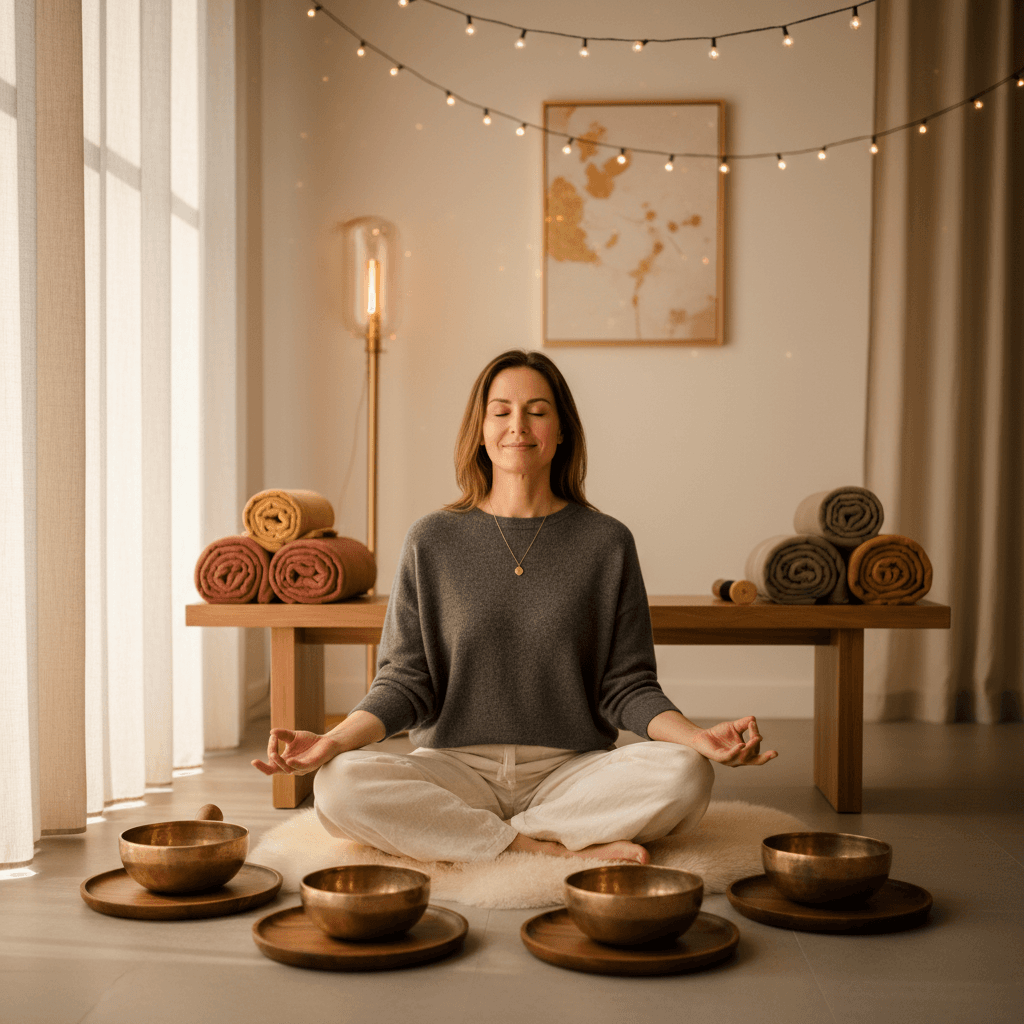
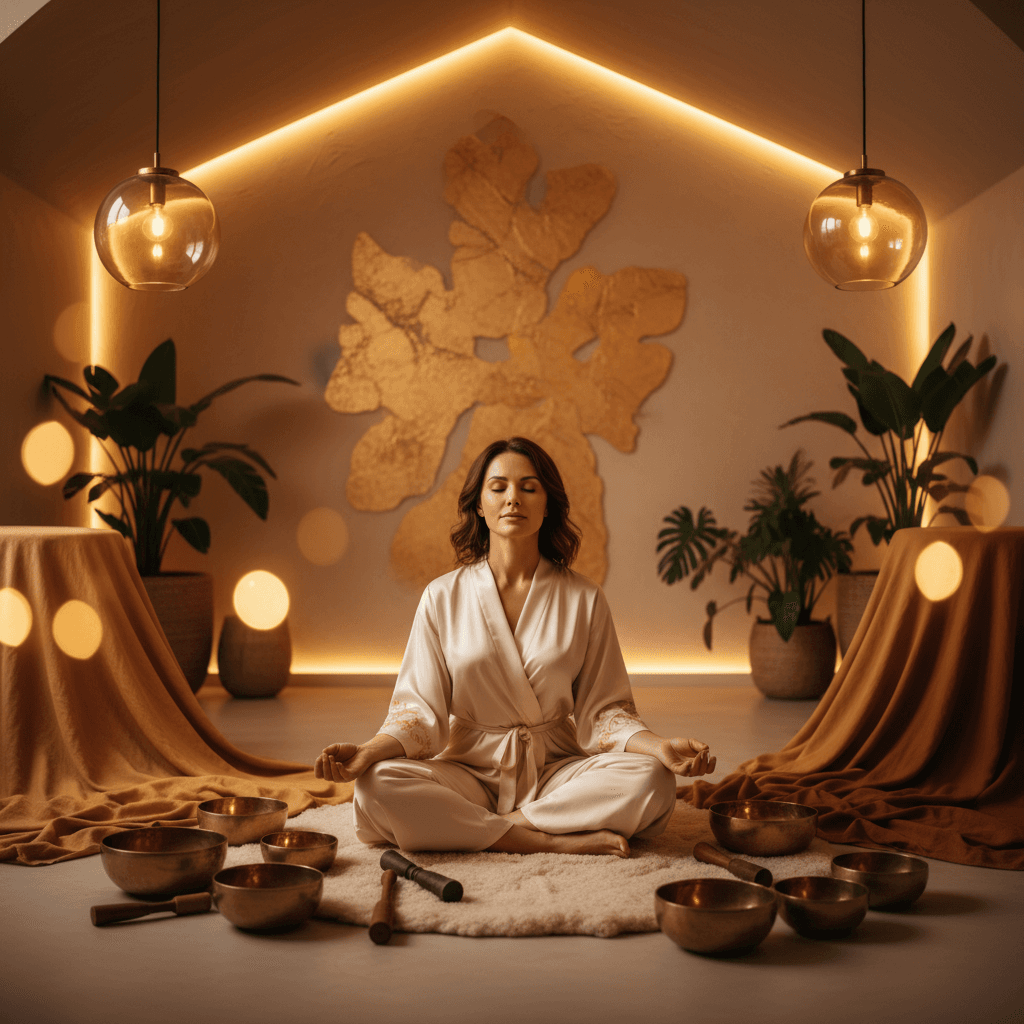
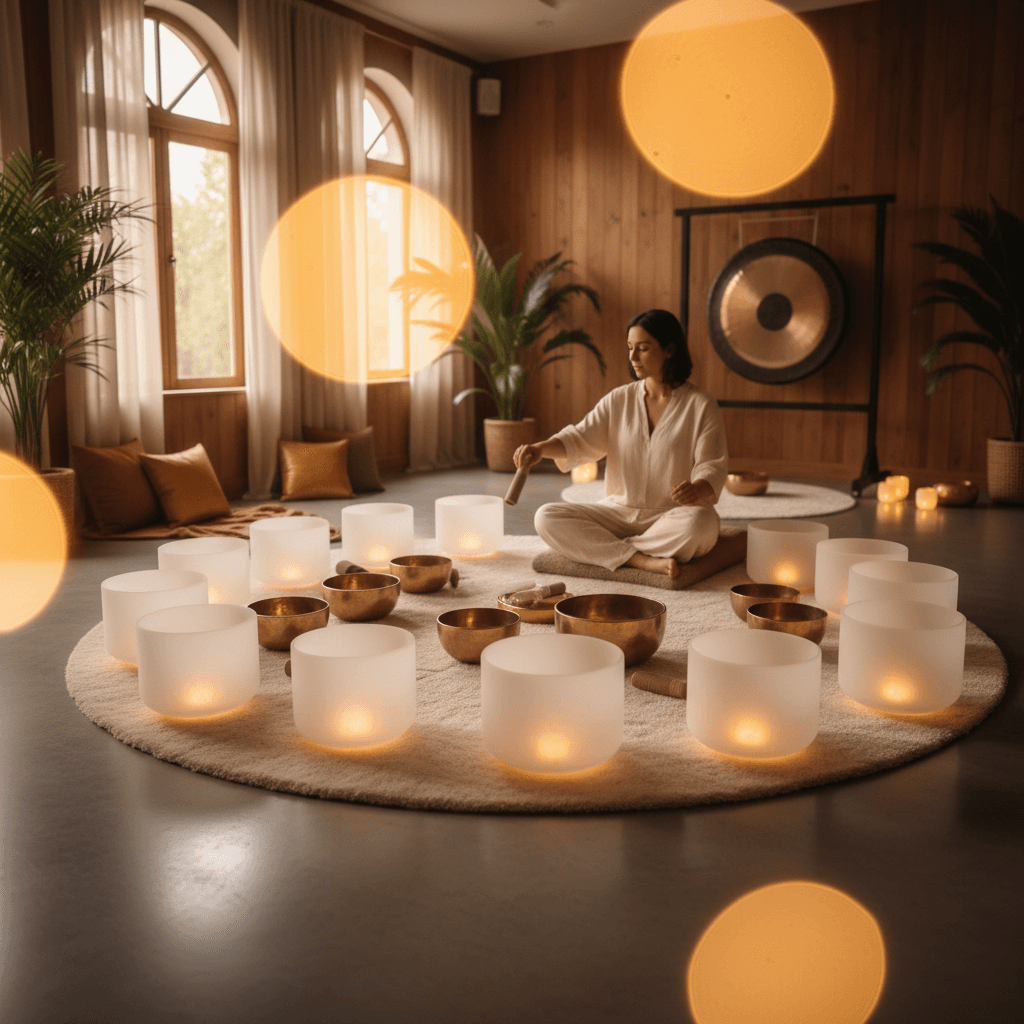
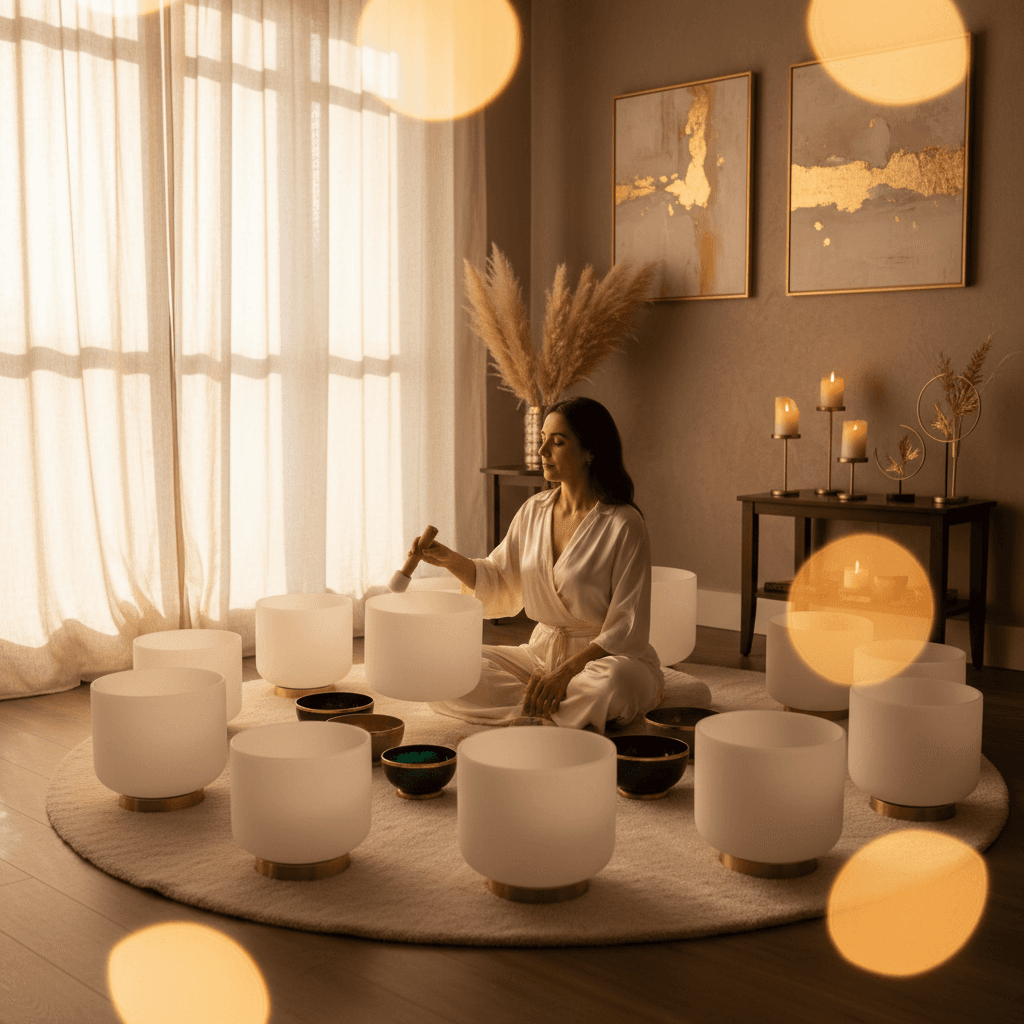
The experience itself is rich with sensory details. Imagine the gentle resonance of crystal singing bowls, their pure tones washing over you, or the deep, grounding vibrations of gongs that seem to ripple through every cell of your body. These sounds are not just heard; they are felt. The focused listening advocated by researchers translates into a meditative engagement, where attention is drawn away from external stressors and towards the internal landscape of sensation and feeling. This intentional engagement helps to quiet the "inner chatter" of the mind, fostering a state of mindful presence.
During these sessions, the connection between theory and application becomes palpable. As the music unfolds, clients often report a reduction in perceived stress, a softening of physical tension, and an overall sense of peace. The activation of the brain's reward centers can lead to an uplifted mood, while the rhythmic elements may help to stabilize heart rate and breathing, mimicking the body's natural relaxation response. It's a journey where the external soundscape guides an internal shift, promoting a sense of harmony and restoring balance to the nervous system.
Many people report leaving a session feeling lighter, more centered, and with enhanced clarity. This holistic approach supports the whole person, connecting mind, body, and spirit through the universal language of sound. The practical application of music therapy, as illuminated by scientific understanding, offers a powerful, non-invasive method to cultivate resilience, manage stress, and embark on a path of deeper self-care and profound well-being.
"Music is an extraordinary messenger, reaching parts of us that words often cannot touch. Its vibrations resonate not just in our ears, but deep within our being, awakening our innate capacity for balance and peace."
The Soul Art Approach: Harmonizing Science with Ancient Wisdom
At Soul Art, Larissa Steinbach meticulously integrates the scientific advancements championed by Johns Hopkins with a deep respect for ancient healing traditions, including principles inspired by the concept of Raag Chikitsa. Our unique approach to sound wellness is designed to provide transformative experiences that resonate on physical, mental, and spiritual levels. We understand that while science provides the 'how,' the intention and artistry behind the sound provide the 'why' and the 'what' of deep healing.
Larissa Steinbach's methodology is rooted in creating bespoke sound journeys that leverage specific frequencies and vibrations to guide the body and mind into profound states of relaxation and restoration. Drawing from the understanding that personalized interventions are most effective, each Soul Art session is thoughtfully curated. We recognize that the human body is a finely tuned instrument, and just as Johns Hopkins research explores neuroplasticity, Soul Art aims to facilitate an inner re-tuning, strengthening neural pathways that promote calm and well-being.
What makes the Soul Art method unique is its blend of precise sound mechanics with a luxurious, empathetic, and intuitive delivery. We utilize a diverse array of sacred instruments, each carefully selected for its unique vibrational quality. The deep, resonant tones of our Nepalese singing bowls, the expansive, otherworldly vibrations of large gongs, and the delicate, crystalline melodies of crystal harp, crystal pyramids, and chimes are expertly woven together. These instruments create rich soundscapes that encourage deep alpha and theta brainwave states, conducive to meditation, stress reduction, and inner peace.
Larissa Steinbach ensures that every session is not just an auditory experience, but a full-body immersion. The vibrations are felt as much as they are heard, gently encouraging the release of tension and promoting energetic alignment. This intentional use of sound acts as a complementary approach to modern life's stressors, supporting the nervous system's ability to down-regulate and find equilibrium. We empower individuals to tap into their innate healing capabilities, offering a luxurious sanctuary where they can reconnect with their true selves.
Our commitment at Soul Art is to provide a sophisticated yet warm environment where scientific understanding meets heartfelt practice. We are not just creating beautiful sounds; we are crafting carefully designed experiences, informed by research, to support mental clarity, emotional balance, and physical ease. Larissa Steinbach and the Soul Art team are dedicated to elevating the standard of sound wellness, making it an indispensable part of a holistic lifestyle for discerning individuals seeking profound well-being.
Your Next Steps: Integrating Sound into Your Daily Well-being
Understanding the compelling research from Johns Hopkins and the profound impact of music and sound on our well-being is the first step. The next is to actively integrate these insights into your daily life. Embracing sound wellness doesn't require complex rituals; it begins with simple, intentional practices that can significantly enhance your quality of life. Consider these actionable steps to harness the power of sound for your own peace and restoration:
- Curate Your Personal Sound Sanctuary: Create playlists tailored to specific moods or activities. Have uplifting music for focus, calming melodies for relaxation, and gentle sounds for sleep. Remember, individualized music interventions are most effective, so prioritize what resonates deeply with you.
- Practice Mindful Listening: Instead of just having music as background noise, dedicate specific times to actively listen. Close your eyes, notice the instruments, the rhythm, and how the sounds make you feel. This practice can be a powerful form of meditation.
- Explore Binaural Beats and Isochronic Tones: These specialized audio frequencies can guide your brainwaves towards states of deep relaxation, focus, or even enhanced creativity. Experiment with different frequencies to discover what works best for your needs.
- Integrate Sound Baths and Vibrational Therapy: Seek out local sound wellness studios, like Soul Art, that offer guided sound bath experiences. The immersive nature of these sessions, utilizing instruments like gongs and crystal bowls, can facilitate profound relaxation and energetic recalibration, echoing the principles of stress reduction seen in clinical research.
- Mindful Movement to Music: Combine gentle movement, such as yoga or stretching, with calming or inspiring music. This can enhance body awareness, reduce physical tension, and deepen your connection between mind and body, similar to how rhythmic cues support motor function in research.
By consciously incorporating sound into your self-care routine, you activate the very neuroplasticity and emotional regulation pathways illuminated by Johns Hopkins’ groundbreaking studies. Begin today, and experience the transformative power of sound in enhancing your overall well-being.
In Summary
Johns Hopkins University's extensive research unequivocally validates music therapy as a powerful, evidence-based complementary approach to well-being. Their studies illuminate how music activates crucial brain networks, fosters neuroplasticity, and significantly supports the reduction of pain, anxiety, and stress while enhancing cognitive and motor functions. These findings solidify music's role beyond entertainment, establishing it as a vital tool for holistic health.
At Soul Art, Larissa Steinbach meticulously translates these scientific principles into luxurious, transformative sound wellness experiences. We combine ancient wisdom with modern understanding, utilizing expertly curated soundscapes to promote profound relaxation, nervous system regulation, and inner harmony. Embrace the scientifically-backed power of sound to elevate your well-being.
Bookings Coming Soon
Soul Art is still in preparation. Session details and booking will be published here after launch.
Coming Soon
Wellness Disclaimer: This article is for educational and informational purposes only. It does not constitute medical advice, diagnosis, or treatment. Soul Art Dubai provides non-medical wellness experiences focused on relaxation, stress management, and general wellbeing. Sound wellness is a complementary practice and should not replace professional medical care.