Japa Meditation: Unlocking Serenity Through Mantra Repetition
Key Insights
Explore Japa Meditation, a powerful mantra repetition technique, and its scientific benefits for stress relief, mental clarity, and holistic well-being at Soul Art Dubai with Larissa Steinbach.
Have you ever wondered if ancient practices hold keys to modern well-being, validated by contemporary science? In our fast-paced world, the quest for inner peace and sustained mental clarity often leads us back to timeless traditions. One such profound practice, Japa Meditation, offers a powerful yet accessible pathway to deep serenity and enhanced cognitive function through the rhythmic repetition of sacred sounds.
At Soul Art, Dubai's premier sound wellness studio, we believe in integrating proven techniques that nurture the mind, body, and spirit. This article delves into the scientifically-backed benefits of Japa Meditation, exploring how this mantra repetition technique can transform your inner landscape. You'll discover the neurological underpinnings, practical applications, and how Larissa Steinbach masterfully incorporates these principles into the unique Soul Art experience to guide you toward holistic well-being.
Japa Meditation is more than just chanting; it's a deliberate, focused journey inward that has been cherished across cultures for centuries. Understanding its mechanisms empowers you to harness its profound potential for stress reduction, improved focus, and a deeper connection to your authentic self. Prepare to unlock a powerful tool for self-care and personal expansion.
The Science Explained: The Profound Impact of Repetitive Sound
The practice of mantra repetition, or Japa, has garnered significant attention from the scientific community for its measurable impact on human health and cognitive function. What was once considered purely spiritual is now being illuminated by neuroscience and psychophysiology, revealing concrete benefits that extend from the brain to the cellular level. This ancient technique, involving the repetition of a chosen word, phrase, or set of syllables, actively helps in passively disregarding internal or external distractions, fostering a state of profound mindfulness.
Neural Pathways and Cognitive Enhancement
Research consistently points to distinct neurological changes associated with mantra repetition. Studies indicate that mantra repetition activates specific brain regions, including the precentral gyrus, parietal cortex, and medial frontal gyrus. These areas are crucial for attention, sensory processing, and self-awareness, suggesting a robust engagement of the brain's regulatory systems during Japa practice. This neurological activation is a cornerstone of its efficacy.
Furthermore, mantra meditation has been found to elicit neuroplastic changes in vital brain regions. The prefrontal cortex and anterior cingulate cortex, areas indispensable for executive function, attention, and emotional regulation, show enhancements. This means that regular Japa practice may not only improve sustained attention and working memory capacity but also foster greater cognitive flexibility, benefits that extend far beyond the meditation session into daily cognitive performance.
One fascinating aspect of Japa's neurological impact involves the Default Mode Network (DMN). The DMN is a brain system typically active during mind-wandering, self-referential thought, and rumination. Scientific investigations have demonstrated that mantra meditation helps reduce DMN activity. This reduction correlates with practitioners' subjective reports of decreased worry and rumination, suggesting an enhanced capacity to modulate self-referential thinking by strengthening connections between the DMN and executive control regions of the brain. The quieting of the DMN can lead to a more present and less internally distracted state.
Physiological Benefits and Cellular Well-being
Beyond direct brain activation, the systemic effects of Japa Meditation are equally compelling. Dr. Shamini Jain, a leader in biofield science, highlights studies that show not only reductions in mental and emotional suffering, such as stress, but also increases in markers of cell aging. Specifically, research has observed shifts in an enzyme called telomerase, which plays a critical role in protecting our cells against aging. This preliminary evidence suggests that mantra practice may influence our very cellular health, a truly remarkable discovery.
Additionally, some research indicates a connection between mantra-based meditation and improved cardiovascular health. A randomized controlled trial on healthy college students, for instance, reported that participants practicing Transcendental Meditation (a form of mantra-based meditation) experienced a small but consistent reduction in blood pressure. While further extensive research is always valuable, such findings contribute to the growing body of evidence supporting Japa as a beneficial wellness practice for overall physical health. These physiological changes underscore the holistic nature of the practice.
Styles of Japa: Tailoring Repetition for Deeper Focus
The ancient wisdom traditions recognize different modalities of mantra repetition, each designed to optimize the meditator's focus and experience. These variations allow individuals to choose a style that best suits their needs and environment, enhancing the accessibility and adaptability of Japa. Understanding these styles can help tailor your practice for maximum benefit and sustained engagement.
- Manasika Japa (Mental Repetition): This involves the silent, mental recitation of the mantra. It is considered very powerful as it internalizes the focus, drawing attention away from external distractions and deep into one's inner consciousness. This style is often practiced with closed eyes, allowing for deep concentration and a profound sense of inner stillness.
- Vaikhari Japa (Verbal or Loud Chanting): This style involves repeating the mantra audibly. Loud chanting is particularly effective in "hushing out all worldly sounds without giving any pause," as described in research. The vibrational quality of the sound, combined with the focus required for verbal articulation, can be deeply grounding and help to anchor the mind, especially for beginners or in environments with ambient noise.
- Upamshu Japa (Whisper or Humming Repetition): This form of Japa involves repeating the mantra in a whisper or a soft hum. It bridges the gap between loud verbal repetition and silent mental recitation. Upamshu Japa provides a subtle auditory anchor that is less outwardly expressive than Vaikhari but more tangible than Manasika, making it ideal for maintaining focus while in public or during group practices where silent meditation is preferred.
Regardless of the style, the intention behind Japa remains consistent: to cultivate a state of mindfulness and passive disregard of distractions. Each style engages the cognitive and sensory systems in slightly different ways, offering a versatile approach to this transformative practice. The consistent application of any of these methods fosters a profound internal shift, allowing for greater peace and mental clarity.
How It Works in Practice: The Transformative Experience
Engaging in Japa Meditation is an immersive experience that gently guides the mind away from its usual chaotic patterns into a state of focused tranquility. It's a practice designed to be accessible, requiring only your presence and the willingness to repeat a sacred sound. Many individuals find that the simplicity of the technique belies its profound impact, leading to immediate and lasting benefits.
When you sit comfortably, perhaps with eyes closed, and begin the rhythmic repetition of a mantra, your attention naturally starts to converge. The chosen word or phrase becomes an anchor, a gentle point of focus that helps the mind disengage from its habitual cycles of thought and emotion. This consistent mental or verbal repetition acts as a soft barrier against the incessant chatter of the external world and the internal dialogue.
"The beauty of Japa lies in its elegant simplicity; it offers a direct line to stillness, bypassing the mind's complexity by giving it a singular, positive task."
Clients often report a noticeable shift in their internal state even after a short session. The sensory experience of Japa can be rich, whether it's the gentle hum of Upamshu Japa resonating within, the focused articulation of Vaikhari Japa, or the subtle, internal vibration of Manasika Japa. This sensory engagement can be incredibly grounding, drawing your awareness into the present moment and away from future worries or past regrets. The repetitive nature also creates a soothing rhythm, much like a lullaby for the busy mind.
The ongoing practice of Japa helps cultivate metacognitive awareness, meaning you become more aware of your own thought processes. Instead of being swept away by every thought, you learn to observe them with a degree of detachment. This shift can lead to improved emotional regulation, as you gain a greater capacity to respond thoughtfully rather than react impulsively. The repetition is not about forcing thoughts away, but rather about providing a gentle, persistent alternative for the mind to focus on.
Furthermore, Japa Meditation is a highly portable mindfulness practice. It does not require elaborate setups or extended, regularized periods of sitting. This means you can integrate mantram repetition into your daily life – while walking, doing chores, commuting, or whenever you feel the need for an anchor. This flexibility makes it an exceptionally practical tool for managing responses to stress, emotions, physical symptoms, pain, insomnia, unwanted thoughts, flashbacks, and potentially triggering events in real-time. It’s a powerful self-care practice that you can carry with you, always available to restore a sense of calm and centeredness.
The Soul Art Approach: Harmonizing Japa with Sound Wellness
At Soul Art, Larissa Steinbach embraces Japa Meditation as a fundamental pillar of holistic well-being, seamlessly integrating this ancient wisdom into a contemporary sound wellness framework. Our unique approach goes beyond mere instruction; it cultivates an immersive environment where the power of mantra repetition is amplified by the resonant frequencies of carefully selected sound instruments. Larissa's expertise ensures that each session is not just a practice, but a profound journey towards self-discovery and inner harmony.
Larissa Steinbach, the visionary founder of Soul Art, understands that true wellness emerges from a synergy of practices. She guides clients through personalized Japa experiences, helping them select mantras that resonate deeply with their individual intentions and energy. This bespoke approach ensures that the mantra repetition is not a rote exercise, but a meaningful connection to one's higher self and personal aspirations. The guidance provided empowers individuals to engage with their chosen mantra with full devotion and presence.
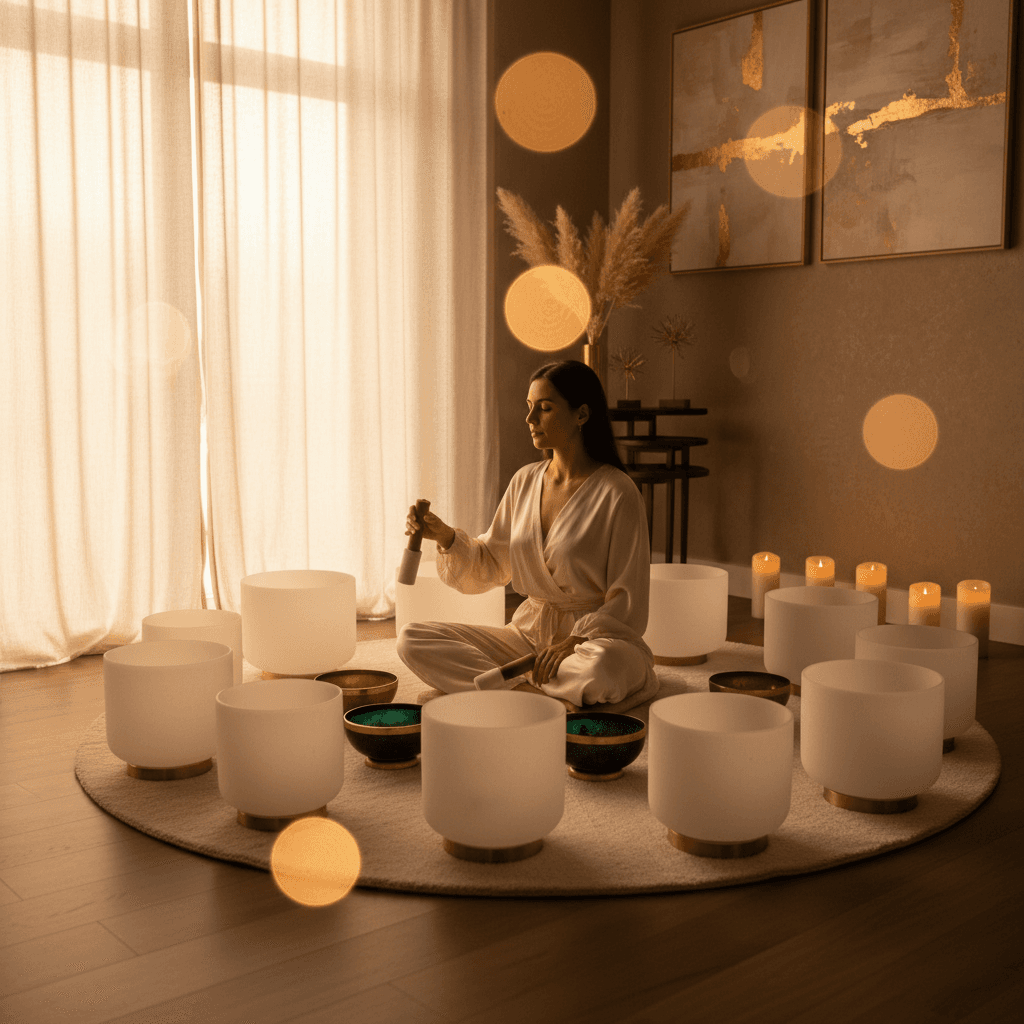
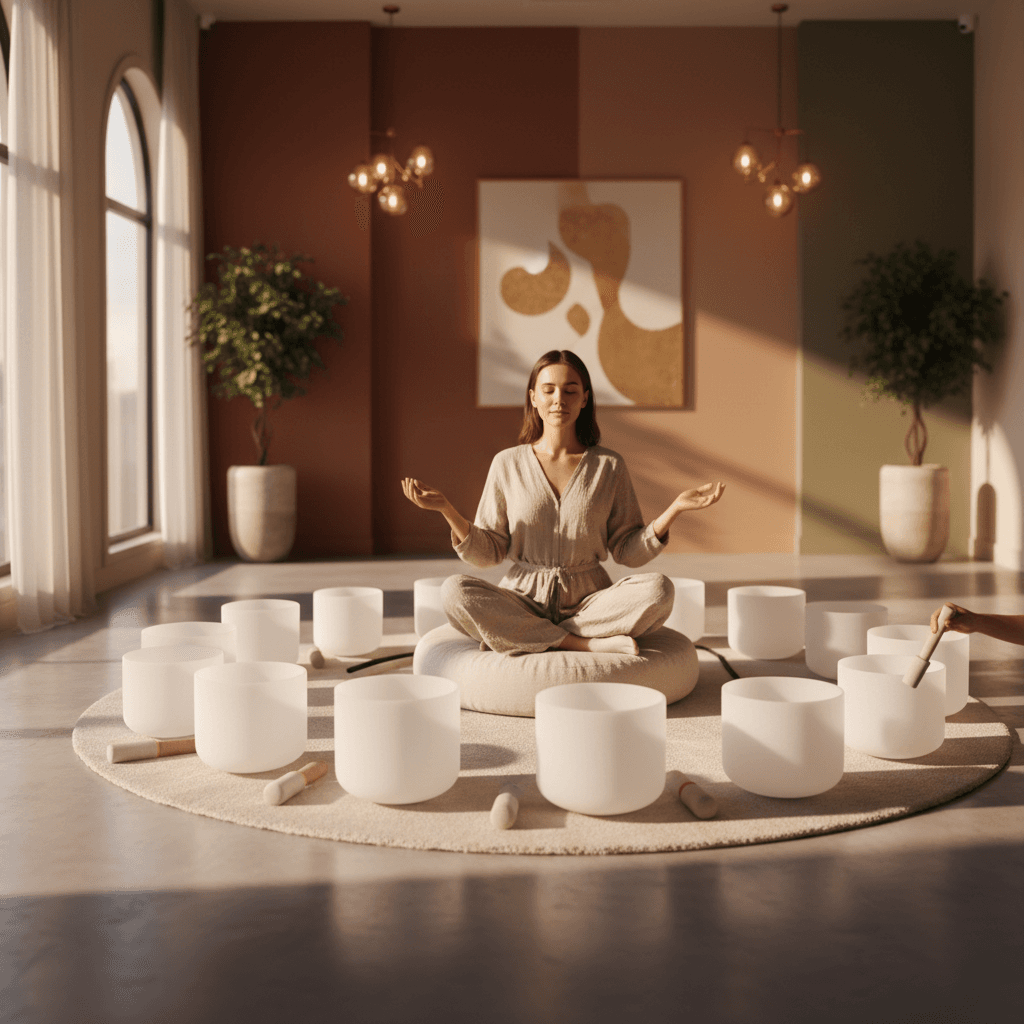
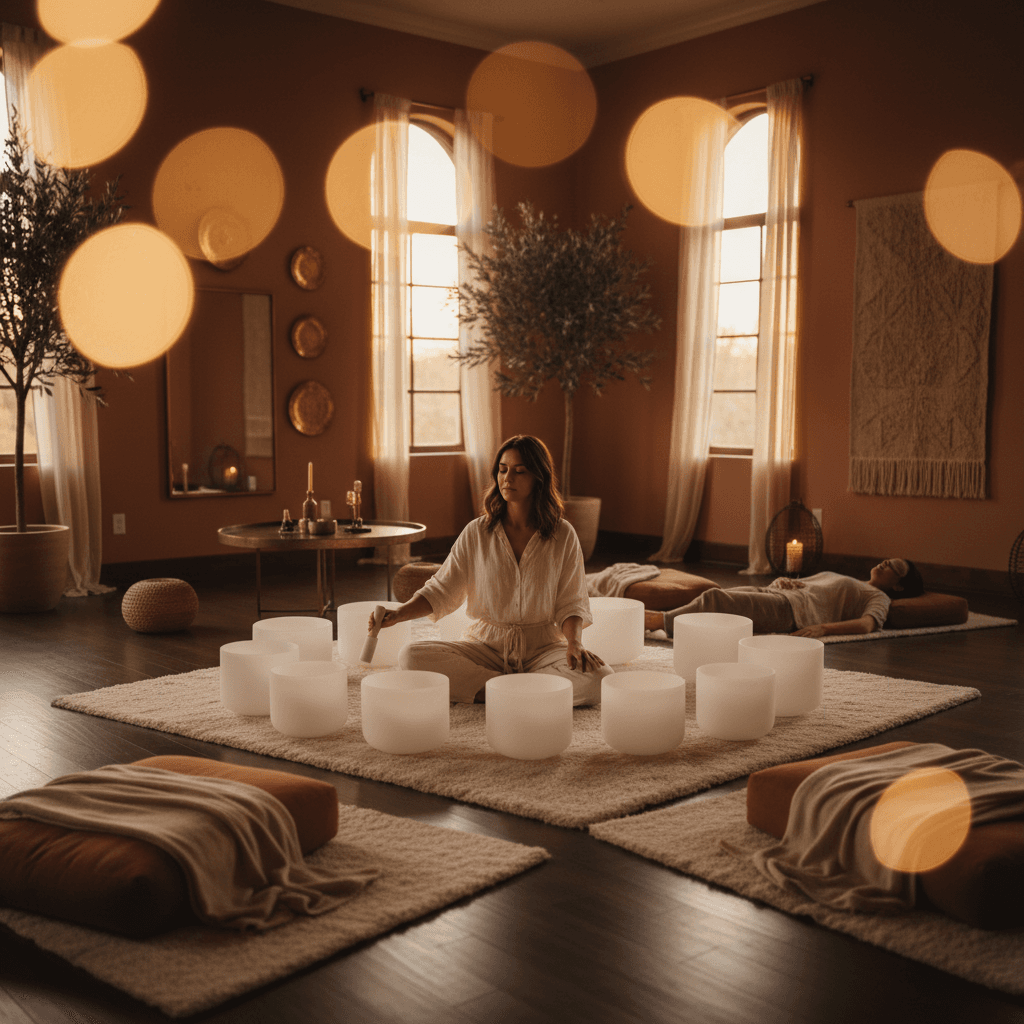
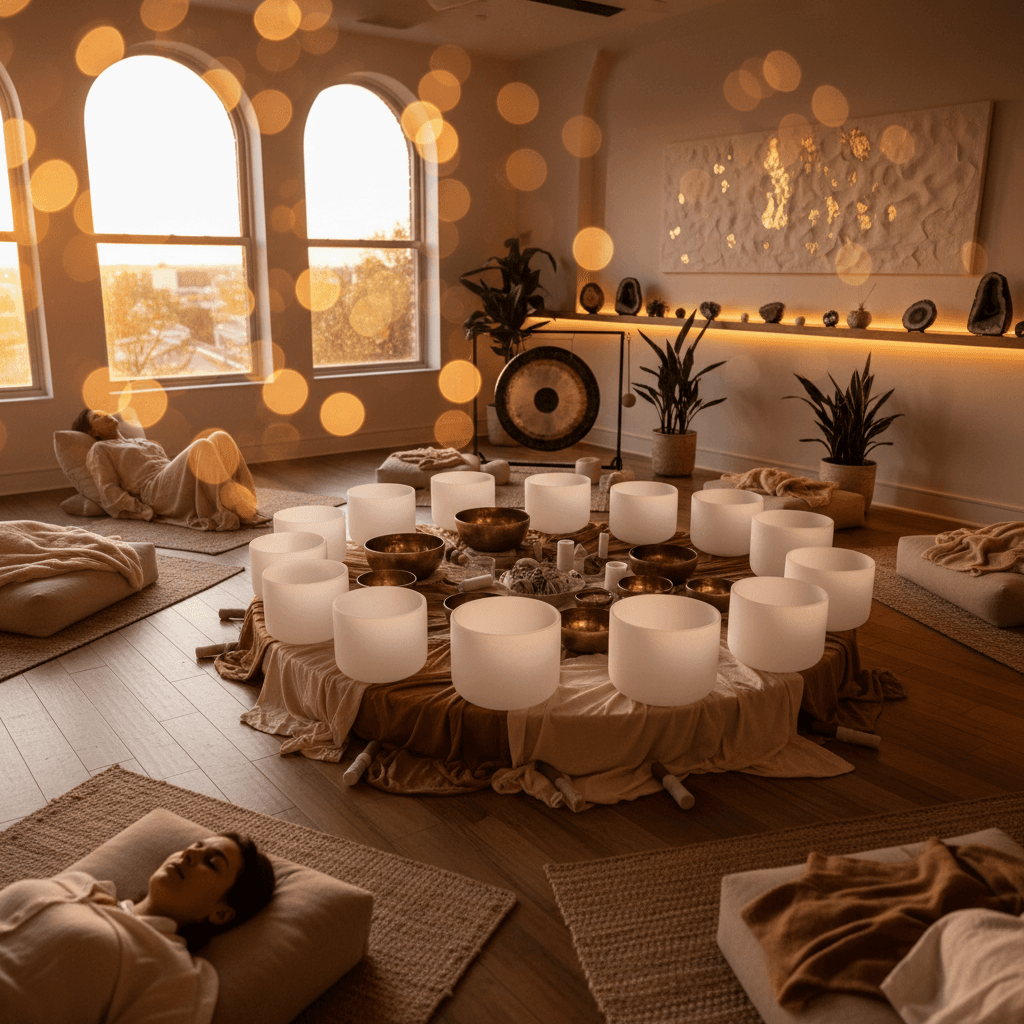
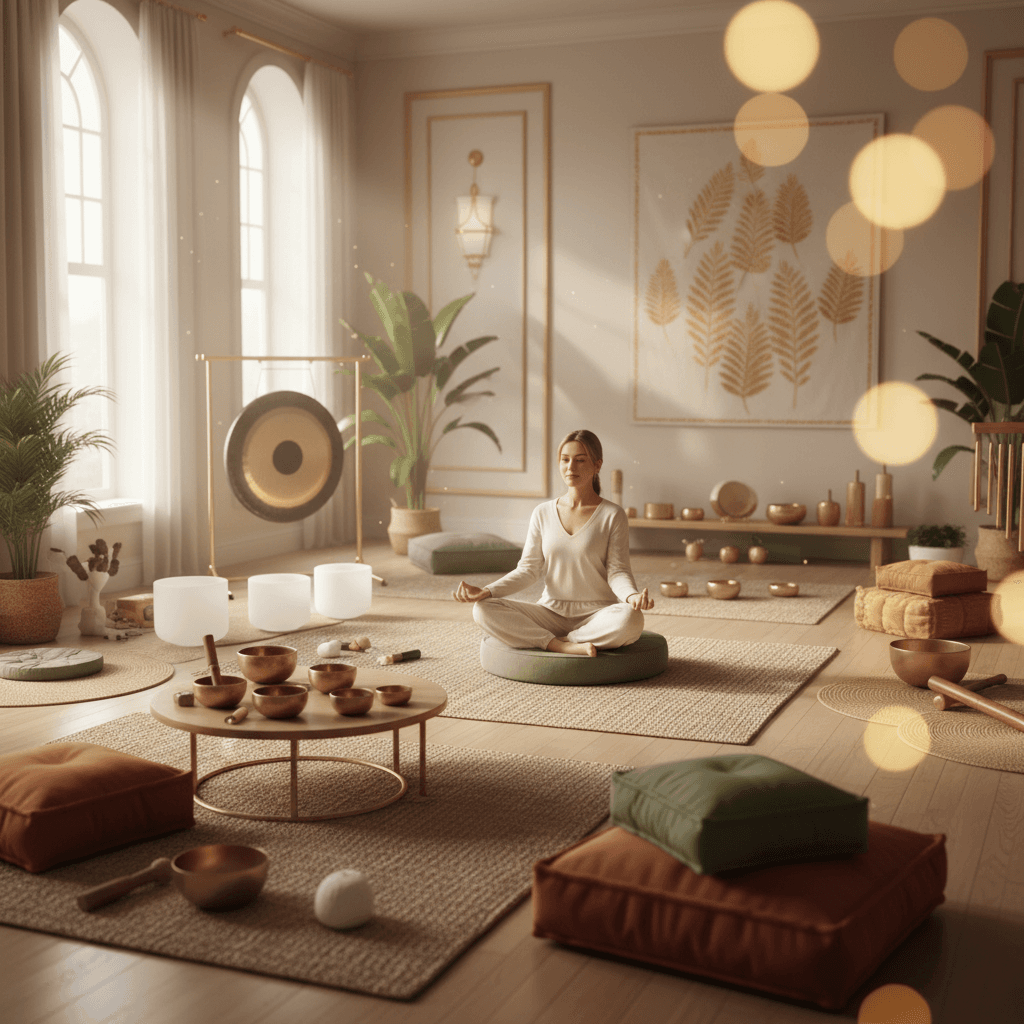
What sets the Soul Art method apart is the exquisite fusion of Japa with carefully curated soundscapes. While clients engage in their chosen form of mantra repetition – be it Manasika, Vaikhari, or Upamshu Japa – they are enveloped in the therapeutic vibrations of instruments such as Tibetan singing bowls, crystal bowls, gongs, and chimes. These rich, harmonic frequencies create an ideal auditory environment that enhances the meditative state, deepens concentration, and further calms the nervous system. The sound acts as a supportive layer, facilitating an even quicker descent into a state of profound relaxation and expanded consciousness.
The unique combination employed by Larissa Steinbach helps to quiet the mind more effectively, making the mantra repetition even more potent. The resonant vibrations from the instruments can subtly influence brainwave patterns, gently guiding the mind into alpha and theta states, which are associated with deep relaxation, creativity, and inner healing. This synergistic effect allows practitioners to access deeper levels of awareness and experience the benefits of Japa on an accelerated timeline.
Soul Art's environment is meticulously designed to foster a sense of tranquility and luxury. From the ambient lighting to the comfortable seating, every detail supports a serene and focused practice. Larissa Steinbach’s empathetic guidance, coupled with her deep knowledge of both ancient sound traditions and modern wellness science, creates a safe and nurturing space for clients to explore the transformative power of Japa Meditation. We empower you to harness this potent tool, integrating it into a holistic lifestyle for sustained peace and mental clarity.
Your Next Steps: Integrating Japa into Daily Life
Embarking on your Japa Meditation journey is a powerful step towards enhanced well-being. Even short, consistent periods of practice can yield remarkable benefits for stress management, focus, and emotional balance. Here are some actionable steps you can take today to begin integrating this transformative technique into your daily routine:
- Choose Your Mantra Wisely: Select a word, phrase, or sacred sound that resonates deeply with you. This could be a simple "Om," a phrase like "I am peace," or a traditional mantra. The key is to choose something positive and meaningful that you feel comfortable repeating.
- Find Your Sacred Space: Designate a quiet, comfortable spot where you can sit undisturbed for your practice. It doesn't need to be elaborate; a comfortable cushion in a peaceful corner is perfect. Over time, this space will become associated with calm.
- Start Small and Build Consistency: Begin with short sessions, perhaps 5-10 minutes daily. As you become more comfortable and focused, gradually extend the duration. Consistency is more important than length when building a new habit.
- Experiment with Japa Styles: Try Manasika (mental), Vaikhari (loud), or Upamshu (whisper/humming) Japa to discover which style feels most natural and effective for you. You might find different styles suit different moods or environments.
- Observe Without Judgment: During your practice, thoughts will inevitably arise. The goal is not to eliminate thoughts but to gently bring your attention back to the mantra whenever your mind wanders, without self-criticism. This builds mental discipline and compassion.
By incorporating these simple steps, you can begin to cultivate a profound sense of inner calm and focus, making Japa Meditation a cornerstone of your personal wellness journey. Ready to deepen your practice and experience the full spectrum of its benefits?
Bookings Coming Soon
Soul Art is still in preparation. Session details and booking will be published here after launch.
Coming Soon
In Summary: Embrace the Power of Your Inner Sound
Japa Meditation, the ancient practice of mantra repetition, stands as a scientifically-validated path to profound well-being. From activating key brain regions and fostering neuroplasticity to potentially impacting cellular health and reducing stress, its benefits are far-reaching. By engaging the mind with a chosen sound, it cultivates focus, reduces mental chatter, and offers a portable tool for navigating the complexities of modern life.
At Soul Art, Larissa Steinbach harmonizes this potent technique with the immersive power of sound wellness, creating an unparalleled experience. We invite you to explore this transformative practice, guided by expert care in a serene environment. Discover how Japa Meditation can unlock deeper calm, enhance clarity, and elevate your holistic wellness journey, allowing you to resonate with your true potential.