Inuit Throat Singing: Arctic Sound Traditions & Sound Wellness
Key Insights
Explore Inuit throat singing, an ancient Arctic vocal tradition, and its resonant connection to modern sound wellness practices for deep relaxation and stress relief at Soul Art Dubai.
Inuit Throat Singing: Arctic Sound Traditions & the Resonance of Wellness
Imagine a sound born from the icy breath of the Arctic, a rhythmic vocalization passed down through generations of Inuit women, not just as music, but as a vital part of daily life and connection. This is the essence of Inuit throat singing, or katajjaq, a unique tradition that captivates with its raw beauty and profound cultural significance. Far from being merely an ancient performance, this intricate vocal practice offers surprising insights into the power of sound for relaxation and well-being, echoing principles we explore today at Soul Art.
In this article, we journey to the northern reaches of Canada, where Inuit communities have cultivated a distinct form of vocal art. We will delve into the scientific underpinnings of how these unique sounds are produced and experienced. Moreover, we will explore how the deep wisdom embedded in these traditions can illuminate our understanding of contemporary sound wellness, offering a holistic perspective on stress management and inner harmony through practices championed by Larissa Steinbach and Soul Art.
The Science of Arctic Vocalizations
Inuit throat singing, known by various names such as katajjaq in Quebec, pirkusirtuk on Baffin Island, and nipaquhiit in Nunavut, is a testament to the ingenuity and adaptability of the human voice. Unlike the overtone-rich styles found in Central Asia, Inuit throat singing, as noted by Bruno Deschênes, "does not produce extra notes." Instead, it is characterized by its focus on breathy, rhythmic sounds, an intricate interplay of low-pitched undertones and higher-pitched notes.
A Distinctive Vocal Technique
Ethnomusicologists, after observing the use of "the voice, the throat, deep breathy sounds, rhythms," have categorized this practice as throat singing, recognizing its parallels to other global traditions. However, it is vital to understand that the Inuit themselves often refer to these as "vocal games," underscoring their communal and playful nature. This distinction highlights that the practice extends beyond mere vocalization, embedding itself deeply in social interaction.
The technique itself involves the masterful manipulation of the vocal apparatus. Singers adeptly engage their larynx, tongue, and lips, producing sounds that are often described as animalistic and rhythmic. This involves short, sharp inhalations and exhalations of breath, creating complex rhythmic patterns when two or more women perform together. This communal aspect sets it apart from many solo throat-singing traditions globally.
The Physiology of Resonance and Rhythm
From a physiological perspective, Inuit throat singing is a powerful demonstration of how the body can be used as a resonating instrument. The deep breathy sounds and rhythmic patterns generated create vibrations that are felt throughout the performers' bodies. As researcher Rohr explains regarding katajjaq, "your whole body vibrates when you’re throat singing." This internal resonance is a key component, not just of the performance, but potentially of its perceived wellness benefits.
The rhythmic nature of Inuit throat singing may also have a profound impact on the autonomic nervous system. Entrainment to these repetitive, often soothing, rhythms can help shift the body from a state of sympathetic (fight or flight) arousal to parasympathetic (rest and digest) dominance. This physiological shift is crucial for relaxation, stress reduction, and fostering a sense of calm. Preliminary studies indicate that rhythmic auditory stimuli can influence brainwave activity, potentially encouraging states associated with deep relaxation and mindfulness.
Cultural Resilience and Modern Resonance
Maintaining their language has been instrumental in the Inuit's ability to preserve this unique vocal tradition, highlighting the deep connection between linguistic and cultural heritage. While initially recorded by Western explorers and ethnographers who sometimes struggled to classify it as "music," its significance as a cultural marker has only grown. The practice experienced suppression by Christian missionaries in the early 20th century, who deemed it "bad" or "Satanic," leading to its near extinction.
However, in recent decades, there has been a significant revival, particularly among Inuit youth who see it as a vital connection to their heritage and identity. This resurgence demonstrates the inherent power of cultural practices to adapt, transform, and resist erasure, becoming a potent symbol of resilience and pride. Modern artists are even blending traditional throat singing with contemporary genres, bringing this ancient art form to new audiences worldwide.
How Inuit Throat Singing Works in Practice
At its core, Inuit throat singing is a communal practice, predominantly performed by two or more women facing each other. This intimate arrangement facilitates a call-and-response dynamic, where singers intricately weave their breathy, rhythmic sounds into complex patterns. The physical proximity allows for shared breathing and subtle non-verbal cues, deepening the connection between performers.
A Game of Sound and Endurance
Traditionally, Inuit throat singing served multiple purposes during the long, dark Arctic winter nights. It was often a "traditional game the women employed... to entertain the children, while the men were away hunting" (Deschênes). This friendly competition involved intricate rhythmic interplay and a test of vocal endurance, creating a lively and engaging atmosphere for the community. The focus was not on complex harmonics but on the nuanced textures of breath, voice, and rhythm.
Beyond entertainment, anecdotal evidence suggests that katajjaq was also used to soothe babies. Women would carry their infants in an amauti (a traditional parka) on their backs, and "through the vibrations – because your whole body vibrates when you’re throat singing – the baby would go to sleep" (Rohr). This speaks to the innate capacity of vibrational sound to induce states of calm and sleep, a principle central to modern sound wellness practices. The gentle, rhythmic sounds, combined with the mother's bodily vibrations, created a profound sense of security and relaxation for the child.
Embodied Experience and Cultural Connection
The sensory experience of Inuit throat singing is deeply embodied. Participants feel the vibrations resonating through their chests, diaphragms, and vocal cords. This physical sensation, combined with the rhythmic breathing and focused vocalization, creates a meditative state for performers. It requires immense concentration and coordination, fostering a deep connection to one's own breath and body.
For the Inuit people, this practice is not just a performance; it is a living tradition that reinforces social bonds and cultural identity. It connects individuals to their ancestors, their land, and their community. The shared act of creating these unique sounds strengthens cultural ties and provides a powerful medium for expressing their unique worldview. The modern revival underscores its role as a "powerful marker of Inuit identity," reflecting resilience and pride in their heritage.
"The deep, vibrational resonance of ancient vocal traditions like Inuit throat singing reminds us that sound is not merely heard, but felt—a powerful conduit for connection, calm, and cultural memory."
While the direct context of ancient Inuit life is distinct from a contemporary wellness studio, the underlying principles of rhythmic sound, breath control, and vibrational resonance for well-being are universal. The power of sound to soothe, entertain, and connect is a timeless human experience.
The Soul Art Approach: Harmonizing Ancient Wisdom with Modern Wellness
At Soul Art, founded by Larissa Steinbach, we deeply appreciate the profound wisdom embedded in ancient sound traditions like Inuit throat singing. While our methods are adapted for a contemporary wellness context, the core principles of using vocalization, rhythm, and vibration for holistic well-being resonate strongly with our philosophy. We believe in harnessing the subtle yet potent power of sound to guide individuals towards deep relaxation and inner harmony.
Larissa Steinbach's approach at Soul Art integrates diverse sound modalities to create a unique and transformative experience. We draw inspiration from traditions that emphasize breath, resonance, and rhythmic patterns – elements intrinsically present in katajjaq. Our guided sound journeys are meticulously crafted to support nervous system regulation, reduce stress, and foster a profound sense of peace. We recognize that intentional sound creation, whether through vocalizations or instruments, can be a powerful self-care practice.
Guided Sound Journeys and Vibrational Alchemy
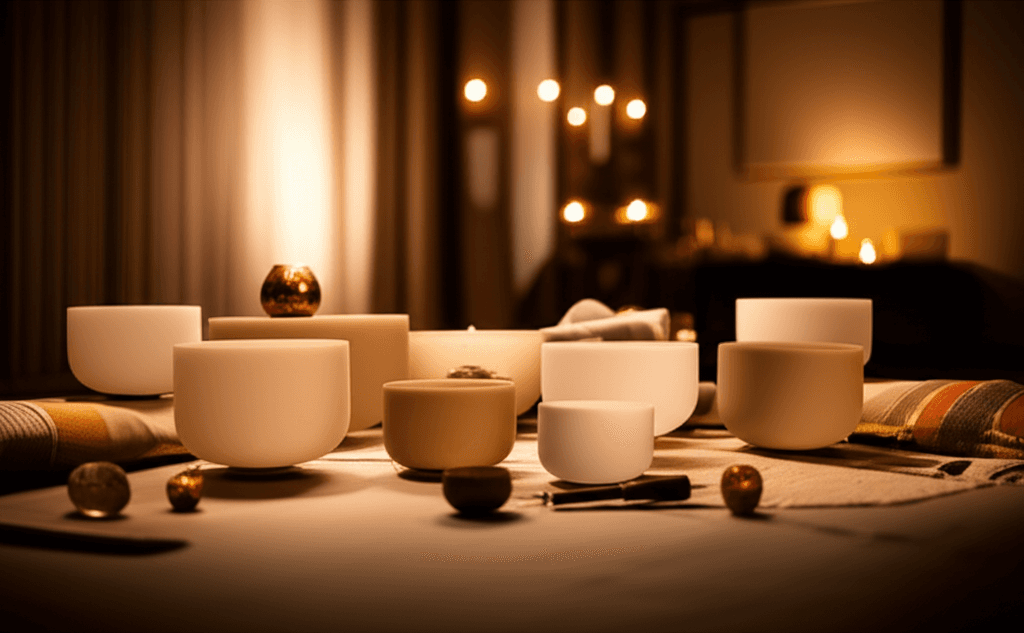
At Soul Art, we focus on facilitating experiences where clients can gently immerse themselves in resonant soundscapes. We utilize instruments like crystal singing bowls, gongs, and chimes, alongside carefully curated vocalizations and breathwork techniques. These elements are chosen for their ability to generate soothing frequencies and vibrations that may support the body's natural healing processes. The rhythmic pulsing and sustained tones used in our sessions can encourage brainwave states associated with meditation and deep relaxation.
Our unique method emphasizes creating a safe and nurturing environment where individuals can explore the subtle effects of sound on their mind and body. Larissa Steinbach designs each session to be an invitation to slow down, listen inwardly, and release tension. Just as Inuit women used vocal games to entertain and soothe, Soul Art offers a space for adults to reconnect with themselves, finding solace and rejuvenation in a world that often demands constant activity. We don't replicate Inuit throat singing, but we honor the spirit of intentional vocal and rhythmic sound for human flourishing.
Facilitating Connection and Inner Harmony
The communal aspect of Inuit throat singing, where women connect through shared vocalization, also inspires our understanding of group sound baths. While our clients are typically receptive listeners, the shared experience of deep relaxation in a resonant space can foster a sense of collective calm and connection. Larissa Steinbach emphasizes the importance of intention and presence in every session, creating a sanctuary where individuals can tap into their innate capacity for self-regulation and peace.
Soul Art's commitment is to offer a complementary approach to well-being, focusing on the powerful, non-invasive benefits of sound. We provide tools and experiences that may support stress reduction, improve sleep quality, and enhance overall mental clarity. This aligns with the understanding that practices involving rhythmic breath and vocalization, such as those found in Inuit traditions, have historically served as vital components of holistic health.
Your Next Steps: Embracing the Power of Sound for Wellness
The legacy of Inuit throat singing offers a profound reminder of sound's incredible potential for human well-being. Even without practicing katajjaq ourselves, we can integrate the principles of intentional sound, breath, and vibration into our daily lives to support our own holistic wellness journey.
Here are some practical steps you can take today:
- Mindful Listening: Dedicate time each day to truly listen to resonant sounds in your environment or curated soundscapes. Notice how different frequencies and rhythms affect your mood and body.
- Conscious Breathing: Integrate deep, rhythmic breathing exercises into your routine. Just like Inuit singers use controlled breath, intentional breathing can calm the nervous system and enhance focus.
- Explore Cultural Soundscapes: Seek out authentic recordings of various cultural sound traditions. Many people report that listening to such unique vocalizations can be a powerful way to unwind and connect with different sonic worlds.
- Experience Vibrational Sound: Consider exploring sound baths or guided meditations that incorporate crystal bowls, gongs, or other resonant instruments. These experiences may support deep relaxation and stress relief.
- Embrace Self-Care: Recognize that prioritizing moments of stillness and resonant sound is a vital component of self-care, much like the Inuit women used their vocal games as a form of social and personal nourishment during challenging times.
Soul Art is still in preparation. Session details and booking will be published here after launch.
Bookings Coming Soon
Soul Art is still in preparation. Session details and booking will be published here after launch.
Coming Soon
In Summary
Inuit throat singing, an ancient and exclusively female tradition from the Arctic, is more than just a vocal art form; it's a testament to the power of breath, rhythm, and communal sound for well-being. Distinguished by its breathy, rhythmic "vocal games" rather than overtones, it historically served to entertain, soothe babies through bodily vibrations, and strengthen cultural bonds during long winter nights. Despite past suppression, its modern revival underscores its vital role in Inuit identity.
At Soul Art, Larissa Steinbach and her team honor these profound insights by offering contemporary sound wellness experiences. We harness the principles of vibrational resonance and mindful breathing to guide clients towards deep relaxation and stress management. By connecting with the ancient wisdom of traditions like katajjaq, Soul Art invites you to explore the transformative power of sound for a more harmonious life.
Wellness Disclaimer: This article is for educational and informational purposes only. It does not constitute medical advice, diagnosis, or treatment. Soul Art Dubai provides non-medical wellness experiences focused on relaxation, stress management, and general wellbeing. Sound wellness is a complementary practice and should not replace professional medical care.
Related Articles
Maori Poi & Sound: Pacific Traditions for Modern Well-being
Swedish Nyckelharpa: The Science of Nordic String Healing
Apollo's Ancient Echoes: Sound Healing & Holistic Wellness