Sound Solutions for Insomnia in Early Recovery: A Soul Art Perspective
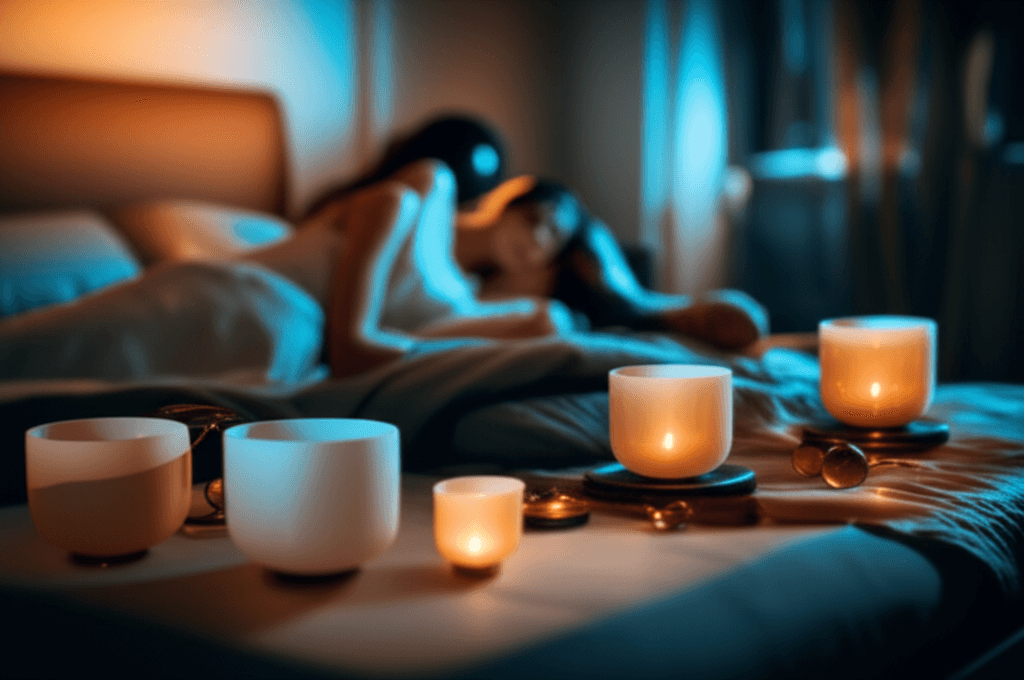
Key Insights
Explore how personalized sound wellness, guided by Larissa Steinbach at Soul Art Dubai, may support sleep quality in early recovery journeys.
Unlocking Serene Nights: Sound Solutions for Insomnia in Early Recovery
Did you know that sleep isn't merely a passive state, but an active, regenerative process crucial for both physical and mental well-being, especially during periods of significant life change? For many navigating the sensitive journey of early recovery, restorative sleep can feel like an elusive dream. Insomnia, characterized by difficulty falling or staying asleep, or waking too early without the ability to return to slumber, is a pervasive challenge that can profoundly impact energy levels, mood, and overall health.
At Soul Art, Dubai's premier sound wellness studio, we understand the delicate balance required for true healing and restoration. Under the visionary guidance of Larissa Steinbach, we explore how precisely curated sound experiences may offer a gentle yet powerful pathway to deeper rest. This article delves into the fascinating science behind sound wellness and its potential to support improved sleep quality, offering a beacon of hope for those seeking natural, complementary approaches to manage insomnia during early recovery.
Join us as we uncover how the harmonious frequencies of sound may help quiet the mind, regulate the nervous system, and usher in the tranquil nights essential for a thriving recovery journey.
The Science Explained: How Sound May Reshape Your Sleep
Our modern world often inundates us with stimuli, making the transition to restful sleep increasingly difficult. Yet, emerging scientific insights suggest that carefully designed auditory experiences may hold a key to unlocking deeper, more restorative sleep cycles. The brain's natural rhythms are profoundly influenced by sound, and by understanding this connection, we can explore innovative ways to encourage the states of consciousness conducive to slumber.
The Power of Slow-Wave Sleep (SWS)
Central to the concept of restorative sleep is slow-wave sleep (SWS), often referred to as deep sleep. This critical phase is when the body and mind undergo significant repair and consolidation. Research consistently highlights SWS as indispensable for physical recovery, cellular regeneration, and memory consolidation, making its enhancement a primary goal for anyone struggling with insomnia. A lack of adequate SWS can leave individuals feeling unrefreshed, impair cognitive function, and contribute to a cycle of fatigue that hinders daily life.
Zeller et al. (2024) demonstrated in their systematic review and meta-analysis that specific acoustic stimulation could enhance slow-wave sleep, directly linking it to improved sleep quality and the potential alleviation of insomnia symptoms. This crucial finding underpins the belief that targeted sound interventions can guide the brain towards these restorative deep sleep states.
Personalized Sound for Enhanced Sleep Quality
Imagine listening to the sound of your own brain waves – transformed into a relaxing melody specifically for you. A compelling pilot study explored this very concept, examining the effects of relaxing personalized sound sequences (PSS), derived from an individual's slow-wave brain activity, on sleep in adults experiencing subjective insomnia. Participants underwent a night of polysomnography (PSG) to record their unique delta wave activity, the very rhythm of deep sleep. This raw brainwave data was then meticulously converted into individualized sound sequences.
The study, utilizing a randomized, single-blind, crossover protocol, found significant positive changes. Compared to a non-personalized placebo sound sequence, the PSS condition significantly increased total sleep time, with an average increase of over 21 minutes. It also enhanced REM sleep proportion and reduced REM latency, signifying a quicker entry into dream sleep, which is vital for emotional processing and learning. Furthermore, participants reported improved overall sleep quality. Exploratory trends suggested even greater improvements for individuals with more severe sleep difficulties, such as shorter baseline sleep duration or longer sleep onset latencies, indicating a potentially targeted benefit for those most in need. This preliminary research suggests that listening to one's own slow brain waves, converted into sound, may meaningfully improve both the quality and quantity of sleep.
Acoustic Stimulation: A Broad Spectrum of Benefits
Beyond highly personalized brainwave-derived sounds, broader categories of acoustic stimulation have also shown promise. Kanzler et al. (2023) found that acoustic stimulation can effectively reduce the time it takes to fall asleep (sleep onset latency), increase the overall duration of sleep, and decrease the frequency of nocturnal awakenings. These are all critical factors in addressing the multi-faceted nature of insomnia.
Marina Wunderlin et al. (2024), using polysomnography, observed that individuals receiving acoustic stimulation experienced a significantly higher proportion of slow-wave sleep compared to control groups. This further substantiates the efficacy of acoustic stimulation in promoting deep sleep, a cornerstone of genuine rest. A meta-analysis of eight studies involving 419 cases indicated that acoustic stimulation is effective in managing insomnia. This meta-analysis, examining PSQI and ISI scores, concluded that acoustic stimulation significantly improved insomnia severity and increased total sleep duration.
Navigating the Nuances of Sound: Not All Sounds Are Equal
While the potential benefits of acoustic stimulation are compelling, it is crucial to recognize that not all sounds are created equal when it comes to sleep. Generic background noise or un-calibrated sound can, in fact, be detrimental. A recent study from the University of Pennsylvania Perelman School of Medicine, published in the journal Sleep, highlighted that listening to pink noise at 50 decibels (similar to moderate rainfall) could decrease REM sleep by almost 19 minutes.
The study suggested that pink noise might act as a continuous auditory load, specifically fragmenting and reducing REM sleep. This research underscores the importance of precision and intention in sound applications for sleep. Unlike generalized white or pink noise, targeted sound wellness involves carefully composed frequencies designed to guide the brain into specific, beneficial states, rather than simply masking environmental noise or creating a constant auditory demand. The expertise in creating these beneficial soundscapes is paramount.
"The journey to restorative sleep is deeply personal. While many forms of acoustic stimulation hold promise, it is in the careful curation and understanding of individual needs that sound truly becomes a powerful ally for peace and rest."
Brainwave Entrainment and Binaural Beats
Further insights into sound's impact on brain activity come from studies on binaural beats (BB) and brainwave entrainment. Lee et al. (39) conducted a trial using music embedded with binaural beats for individuals with subclinical insomnia. The results indicated an increase in delta and theta power during exposure to BB-enhanced music, alongside a decrease in alpha power. This pattern suggests that such music may promote relaxation and induce sleepiness, as an increase in theta waves is often associated with pre-sleep states.
Similarly, Ho et al. (47) explored an innovative intervention for mild insomnia using an audio pillow delivering brainwave entrainment sounds that synchronized with brain activity. These methods leverage the brain's natural tendency to synchronize its electrical activity with external rhythmic stimuli, offering another pathway for sound to gently guide the mind towards tranquil sleep.
How It Works in Practice: The Sensory Journey to Serenity
Connecting the scientific understanding of sound's impact on brainwaves to a tangible, real-world experience is where the transformative potential of sound wellness truly comes to life. At Soul Art, we bridge this gap by creating immersive auditory environments designed to foster deep relaxation and encourage the natural sleep cycle. This isn't about simply listening to music; it’s about engaging the nervous system in a profound and intentional way.
When you step into a sound wellness session, you enter a carefully curated space where specific frequencies and vibrations are introduced. These sounds, whether from crystal singing bowls, gongs, or other resonant instruments, are chosen for their ability to resonate with the body's energy centers and influence brainwave activity. The experience is often deeply sensory, moving beyond just auditory perception to include subtle physical sensations of vibration and resonance throughout the body.
The goal is to gently guide the brain from the alert, active beta brainwave state, often associated with daily wakefulness and anxiety, through alpha (relaxed wakefulness) and theta (deep relaxation, light sleep) states, towards the delta brainwave frequencies characteristic of deep, restorative sleep. This process, known as brainwave entrainment, happens naturally as the brain's electrical activity begins to synchronize with the external rhythmic stimuli. For someone in early recovery, whose nervous system might be overstimulated or hyper-vigilant, this gentle guidance can be incredibly calming.
Clients often describe a profound sense of peace and a feeling of "letting go" during sessions. The mind, often racing with worries or intrusive thoughts, finds a quiet anchor in the sustained tones and harmonious overtones. This profound state of relaxation can significantly reduce physiological arousal and emotional stress, both of which are common contributors to insomnia. The sustained vibrations help to calm the autonomic nervous system, shifting it from a "fight or flight" response to a "rest and digest" mode, which is essential for initiating and maintaining sleep.
The beauty of this practice lies in its non-invasive and gentle nature. It provides a sanctuary where individuals can release tension, quiet mental chatter, and consciously cultivate a state of deep inner peace, paving the way for more peaceful nights and a more resilient recovery journey. Many people report that regular engagement with sound wellness practices helps them not only sleep better on session nights but also develop a greater capacity for relaxation and self-regulation in their daily lives.
The Soul Art Approach: Larissa Steinbach's Vision for Sound Wellness
At Soul Art, Larissa Steinbach has meticulously crafted an approach to sound wellness that transcends traditional methods, offering a bespoke and deeply impactful experience. Her vision is rooted in a profound understanding of how sound, when delivered with intention and precision, can serve as a powerful catalyst for inner harmony and holistic well-being. This philosophy is particularly pertinent for individuals navigating the challenges of insomnia during early recovery, where stability and gentle support are paramount.
Larissa Steinbach’s expertise lies in her ability to create expertly curated sound journeys that are both scientifically informed and intuitively guided. At Soul Art, the environment itself is a testament to this commitment – a serene sanctuary in the heart of Dubai, designed to optimize the acoustic experience and foster a sense of tranquility from the moment you enter. Rather than a one-size-fits-all approach, Soul Art emphasizes the individual's unique needs, recognizing that each recovery journey is distinct.
While specific instruments may vary, Larissa's sessions often incorporate a diverse array of resonant tools. These might include various crystal singing bowls, each tuned to specific frequencies associated with different energy centers and brainwave states, as well as deeply resonating gongs that produce complex overtones capable of inducing profound relaxation. Tuning forks, meticulously calibrated to therapeutic frequencies, may also be used to create localized vibrations that can further release tension and promote energetic balance. The emphasis is always on the pure, sustained tones and their ability to create a harmonious resonance within the body and mind.
The Soul Art method focuses on guiding participants into states where their brain activity can naturally shift towards the alpha, theta, and delta waves associated with deep relaxation and restorative sleep. This is achieved through carefully orchestrated sequences of sound that gently encourage the nervous system to downregulate and release accumulated stress. Larissa Steinbach’s sessions are not merely passive listening experiences; they are active engagements that allow the body and mind to surrender to the healing frequencies. This unique blend of scientific principle and empathetic practice ensures that each Soul Art session is a journey toward greater peace, clarity, and, importantly, more restful sleep.
Your Next Steps: Embracing Rest and Recovery
Taking proactive steps towards better sleep is a vital component of any recovery journey. While sound wellness offers a powerful complementary approach, integrating holistic lifestyle practices can further amplify your path to restorative rest. Here are some actionable steps you can consider today to support your sleep and overall well-being:
- Establish a Consistent Sleep Routine: Aim to go to bed and wake up at the same time every day, even on weekends. This regularity helps regulate your body's natural sleep-wake cycle, known as the circadian rhythm.
- Prioritize Regular Physical Activity: Engage in moderate exercise most days of the week. Physical activity can enhance sleep quality, but try to complete intense workouts at least a few hours before bedtime to avoid overstimulation.
- Create a Tranquil Sleep Environment: Ensure your bedroom is dark, quiet, and cool. Consider investing in blackout curtains, earplugs, or an eye mask if needed to minimize external distractions.
- Mind Your Intake: Be mindful of caffeine and alcohol consumption, especially in the afternoon and evening, as both can interfere with sleep architecture and quality. Review any regular medications with a healthcare provider to understand their potential impact on sleep.
- Explore Complementary Wellness Practices: Incorporate calming activities into your evening routine, such as gentle stretching, reading a physical book, or practicing mindful breathing techniques. For a deeper journey into tranquility, consider how personalized sound wellness may support your efforts.
These practices, when combined, can create a powerful synergy that supports your body's natural ability to achieve deep and restorative sleep. Remember, the path to sustained well-being is a holistic one, encompassing mind, body, and spirit.
Bookings Coming Soon
Soul Art is still in preparation. Session details and booking will be published here after launch.
Coming Soon
In Summary: Harmonizing Sleep and Recovery
Insomnia in early recovery can be a formidable challenge, impacting every aspect of an individual's journey toward wellness. However, emerging scientific research offers compelling insights into the potential of sound wellness as a powerful, non-pharmacological approach to support sleep. From personalized brainwave-derived sound sequences that significantly increase total sleep time and REM sleep, to broader acoustic stimulation that enhances deep slow-wave sleep and reduces sleep onset latency, the evidence suggests a promising avenue for restorative rest.
At Soul Art, Larissa Steinbach's expertly curated sound journeys in Dubai provide a sanctuary for individuals seeking to harmonize their nervous system and cultivate profound inner peace. By gently guiding the brain into states conducive to deep sleep, Soul Art offers a complementary path to improved sleep quality, fostering the resilience and tranquility essential for a successful recovery. We invite you to explore the transformative potential of sound and embark on a journey toward more serene nights and a revitalized self.
Related Articles
LGBTQ+ Recovery: Sound Wellness for Inclusive Healing & Regulation
Relationship Recovery: The Science of Sound for Intimacy
Soulful Connections: The Science of Shared Sound Practices and Well-being Sponsorship