ICU Sound Therapy: A Path to Critical Care Well-being

Key Insights
Explore how sound and music interventions offer profound physiological and psychological benefits for patients in intensive care units, supporting recovery and relaxation.
Imagine an environment defined by the relentless hum of machines, the urgent beeps of monitors, and the muffled voices of medical teams. This is often the reality within an Intensive Care Unit (ICU), a place of life-saving intervention but also immense stress and sensory overload for patients. For individuals navigating critical illness, this cacophony can exacerbate pain, disrupt sleep, and intensify anxiety, hindering the very recovery process it aims to support.
What if, amidst this intensity, a gentle, non-pharmacological intervention could offer a profound sense of calm? What if precisely curated sounds could act as a therapeutic balm, influencing physiological and psychological well-being? Emerging scientific research suggests that sound therapy holds significant promise, not as a replacement for critical medical care, but as a powerful complementary approach to enhance patient comfort and recovery.
At Soul Art, Larissa Steinbach and her team are dedicated to exploring the transformative potential of sound, drawing inspiration from such rigorous research. This article delves into the science behind ICU sound therapy, revealing how carefully designed auditory experiences can support vital aspects of healing, offering a new dimension of compassionate care. We invite you to discover how these principles resonate with the essence of well-being, applicable far beyond the clinical setting.
The Science of Sonic Sanctuary: Understanding ICU Sound Therapy
The Intensive Care Unit (ICU) environment is inherently challenging, designed for constant monitoring and intervention. However, this life-saving setting often comes with an elevated level of noise and sensory disruption, profoundly impacting patient well-being. Patients frequently report high levels of anxiety, pain, and sleep disturbance, which can impede their recovery journey.
Research indicates that a significant majority of ICU patients experience anxiety, with studies by Chahal et al. finding 85% and Castillo et al. noting 82% of patients grappling with this emotional distress. This highlights the urgent need for effective, gentle interventions to alleviate psychological burdens in critical care. Conventional approaches, while vital, can sometimes benefit from complementary strategies that address the holistic needs of the patient.
The Challenging ICU Environment
The constant presence of alarms, the whirring of ventilators, and the ceaseless activity of medical staff create a soundscape that is anything but restful. This pervasive noise contributes to a state of hyper-vigilance, making it difficult for patients to relax, fall asleep, or even process information. Such an environment can perpetuate a cycle of stress, potentially slowing down the healing process.
Patients in critical care often face complex conditions requiring close monitoring and specialized care, as recognized by Professor Rinaldo Bellomo, an expert in Intensive Care Medicine. Addressing the environmental factors that contribute to patient discomfort is a crucial frontier in improving overall ICU outcomes. Innovative interventions are continuously sought to enhance patient experience alongside life-saving medical care.
Unveiling the Power of Auditory Interventions
A comprehensive systematic review offers compelling evidence for the efficacy of specific auditory interventions in the ICU. This review identified 59 articles, examining both music and non-music sound interventions, to understand their comparative effects on critically ill patients. The findings underscore the profound impact that carefully chosen sounds can have.
The review demonstrated that both slow-tempo music and non-music sound interventions can significantly contribute to several positive outcomes. These include a measurable decrease in pain, an improvement in sleep quality, and the regulation of cortisol levels, a key stress hormone. Additionally, these interventions have been associated with a reduction in the need for sedatives and analgesics, alongside a notable decrease in stress and anxiety, fostering improved relaxation when compared with standard care or noise reduction alone.
While both types of auditory interventions show promise, the review noted that music interventions currently have more robust evidence for affecting stress biomarkers, vital signs, and haemodynamic measures. This distinction suggests that different auditory approaches may offer varying degrees of effectiveness for specific patient outcomes, inviting further investigation into personalized sound strategies. The possibility that non-music sound interventions may be equivalent or even superior for managing discrete symptoms in ICU patients remains an exciting area for future research, pushing the boundaries of complementary care.
Physiological and Psychological Pathways
The positive effects of sound and music are not merely subjective; they are rooted in observable physiological and psychological mechanisms. Sound interacts with our bodies and minds in intricate ways, influencing fundamental biological processes. Understanding these pathways helps to demystify how something as seemingly simple as sound can create profound shifts in well-being.
Brainwave Entrainment
One of the key mechanisms involves brainwave entrainment, where rhythmic auditory stimulation can guide brain activity to specific frequency patterns. Research published in Frontiers in Human Neuroscience demonstrates that targeted frequencies can induce different brain states. For instance, theta waves (4–7 Hz) are associated with emotional processing and deep meditation.
Alpha waves (8–12 Hz) correlate with relaxation and flow states, while delta waves (0.5–3 Hz) are characteristic of deep rest and healing. By presenting sounds with specific rhythmic qualities, it is possible to encourage the brain to adopt these beneficial states, promoting calm and facilitating recovery. This non-invasive modulation of brain activity underscores the power of sound as a wellness tool.
Autonomic Nervous System Regulation
Sound meditation and specific auditory frequencies can also profoundly influence the autonomic nervous system, the body's control center for involuntary functions. Studies utilizing Heart Rate Variability (HRV) analysis reveal that sound interventions can increase parasympathetic activation. This shift from the 'fight or flight' sympathetic response to the 'rest and digest' parasympathetic state is crucial for healing.
This activation occurs partly by stimulating the vagus nerve, a critical component of the parasympathetic system. Additionally, sound-induced relaxation can promote more diaphragmatic breathing patterns, further reducing sympathetic overactivity. This rebalancing of the nervous system is a cornerstone of deep relaxation and contributes significantly to overall physiological well-being.
Hormonal Shifts
The impact of sound therapy extends to the body's endocrine system, influencing the production and regulation of key hormones. Multiple studies have shown a decrease in cortisol, the primary stress hormone, after sound therapy sessions. Elevated cortisol levels are detrimental to long-term health and can hinder recovery in critical situations.
Conversely, there can be an increase in serotonin and oxytocin levels, hormones associated with mood regulation, well-being, and social bonding. These shifts contribute to a significant drop in stress responses, sometimes within a single session, fostering an internal environment conducive to healing and emotional stability. Balancing these hormonal responses is a powerful aspect of sound wellness.
Pain Perception & Vibrational Analgesia
Sound and vibration can also directly influence pain perception. Low-frequency vibration, such as that produced by certain sound instruments, activates mechanoreceptors in the body. This activation can reduce pain signals through mechanisms like the gate control theory of pain, where non-painful input closes the "gates" to painful input.
Beyond this, vibrational therapy can induce muscle relaxation and may decrease inflammation, further contributing to pain relief. A trial reported in the Journal of Evidence-Based Integrative Medicine observed a reduction in physical tension and pain following Tibetan bowl sound meditation. This highlights the potential for sound to serve as a complementary approach for managing discomfort.
Translating Science into Serenity: Practical Applications in Critical Care
The scientific understanding of how sound impacts the body and mind paves the way for practical applications, particularly in demanding environments like the ICU. The goal is to move beyond simply reducing noise, actively introducing specific auditory interventions that foster a healing atmosphere. This translates theoretical knowledge into tangible benefits for patients.
By carefully curating the sound environment, medical professionals and wellness practitioners can provide a powerful, non-invasive tool to support patient comfort. This shifts the focus from merely enduring a challenging situation to actively promoting a more peaceful and restorative experience for those in critical care. It represents a compassionate evolution in patient support.
Creating a Calming Auditory Environment
In an ICU, the ideal soundscape moves beyond silence; it involves the introduction of gentle, predictable, and non-intrusive sounds. This might include slow-tempo instrumental music, nature sounds, or ambient tones designed to mask the harshness of medical equipment. The aim is to create an auditory "sanctuary" that provides a stark contrast to the chaotic, often alarming sounds that typically pervade these units.
This deliberate crafting of sound is a proactive step towards reducing environmental stressors. Instead of a passive absence of noise, it involves an active presence of soothing frequencies that can help patients feel safer and more grounded. Such an approach prioritizes the sensory experience as a vital component of holistic care.
Patient-Centered Experiences
The effectiveness of auditory interventions is often enhanced when tailored to individual patient preferences. Studies, such as that by Heiderscheit et al., highlight the importance of patient-directed music choices for mechanically ventilated individuals. This personalized approach ensures greater engagement and a more profound impact on well-being.
Music therapy sessions, often conducted during designated visiting hours, have been described by patients as a "pleasant experience" that serves as a vital distraction from their challenging circumstances. As the Madrid study illustrates, allowing patients to focus on themselves and the music can significantly enhance the quality of care and comfort for both patients and their families. This humanistic aspect is crucial in a highly technical environment.
These sessions provide emotional support and a temporary escape, fostering a sense of control and normalcy in an otherwise overwhelming situation. Nurses can play a pivotal role in facilitating these experiences, playing music through headphones for mechanically ventilated patients, thereby reducing stress and anxiety, as shown by various studies. This simple act can make a profound difference.
Observed Benefits in Clinical Settings
The integration of sound and music into critical care has demonstrated tangible benefits across several patient outcomes. Multiple studies, including those summarized by Erbay Dalli and Han et al., consistently report that music interventions, even single sessions, can significantly reduce anxiety levels in ICU patients. This immediate impact on emotional well-being is invaluable.
Furthermore, a comprehensive umbrella review noted that music-based interventions could alleviate pain in ICU patients, with a 20–30-minute session showing demonstrable positive effects. While evidence for reducing delirium or the need for sedation and analgesia is still evolving, the existing data strongly supports the use of sound for pain management and anxiety reduction. Sound offers a low-risk, non-pharmacological adjunct to standard medical treatment, minimizing interference with medications and conventional physiological therapies.
Beyond these core benefits, preliminary observations have even explored the potential influence of music therapy on gastric motility, potentially assisting with issues like nausea and vomiting, as seen in studies involving cancer patients. While more specialized research is needed for ICU populations, these findings collectively underscore the broad physiological reach of sound as a wellness tool. The consistent observation across various studies affirms that music-based intervention can improve uncomfortable symptoms, enhancing the overall patient experience in critical care.
"In the symphony of healing, sometimes the quietest notes resonate the deepest, guiding the body and mind back to a state of equilibrium amidst the storm of critical illness."
The Soul Art Signature: Larissa Steinbach's Vision for Wellness
At Soul Art, Larissa Steinbach embodies a philosophy that seamlessly blends ancient wisdom with cutting-edge scientific understanding of sound and vibration. Her approach to sound wellness is not just about relaxation; it's about facilitating deep nervous system regulation, inspired by the very principles that show promise in critical care environments. Larissa understands that the need for profound calm extends to everyone, regardless of their health status.
Soul Art's method is unique, offering a "quiet luxury" experience that transcends mere auditory pleasure, inviting clients into a state of profound peace and restoration. Larissa Steinbach curates personalized soundscapes designed to gently guide the body's own healing mechanisms, echoing the positive shifts observed in clinical research. This bespoke approach ensures each session is deeply attuned to the individual's needs.
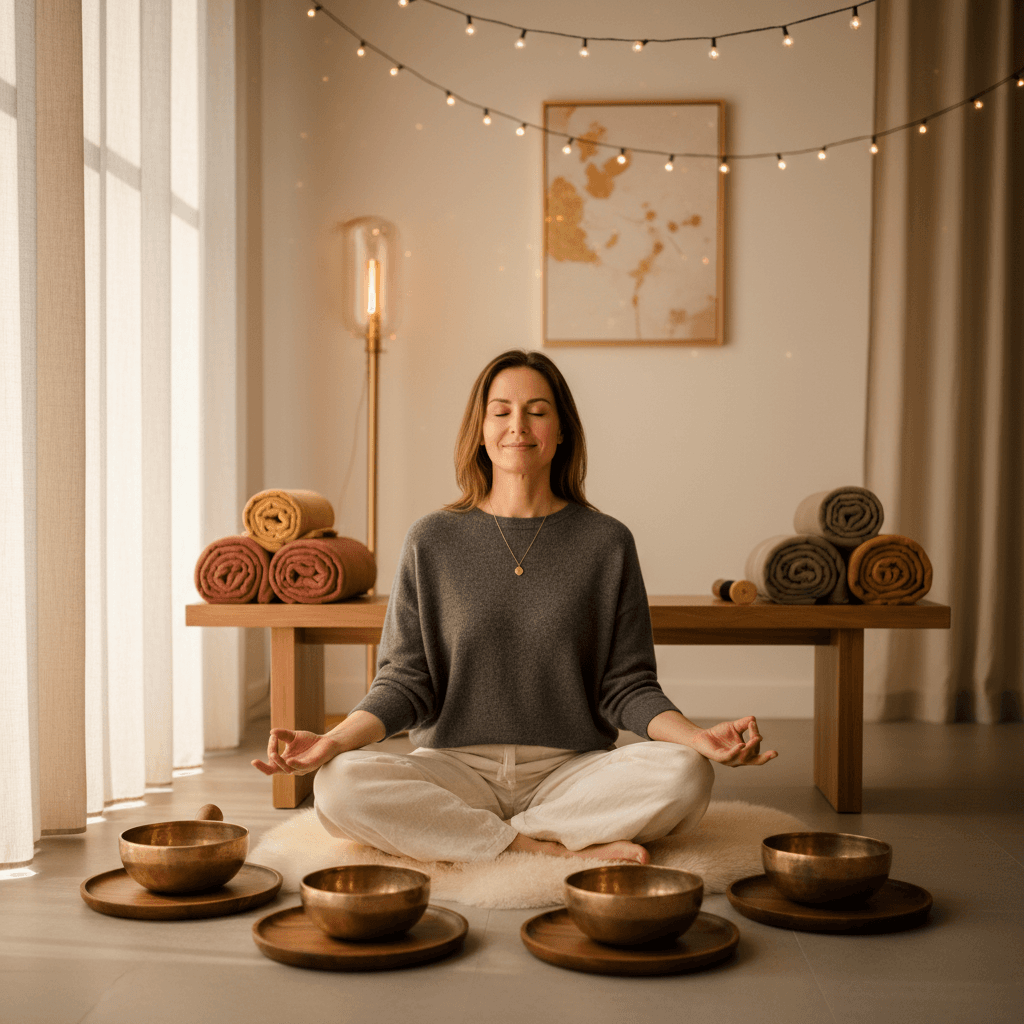
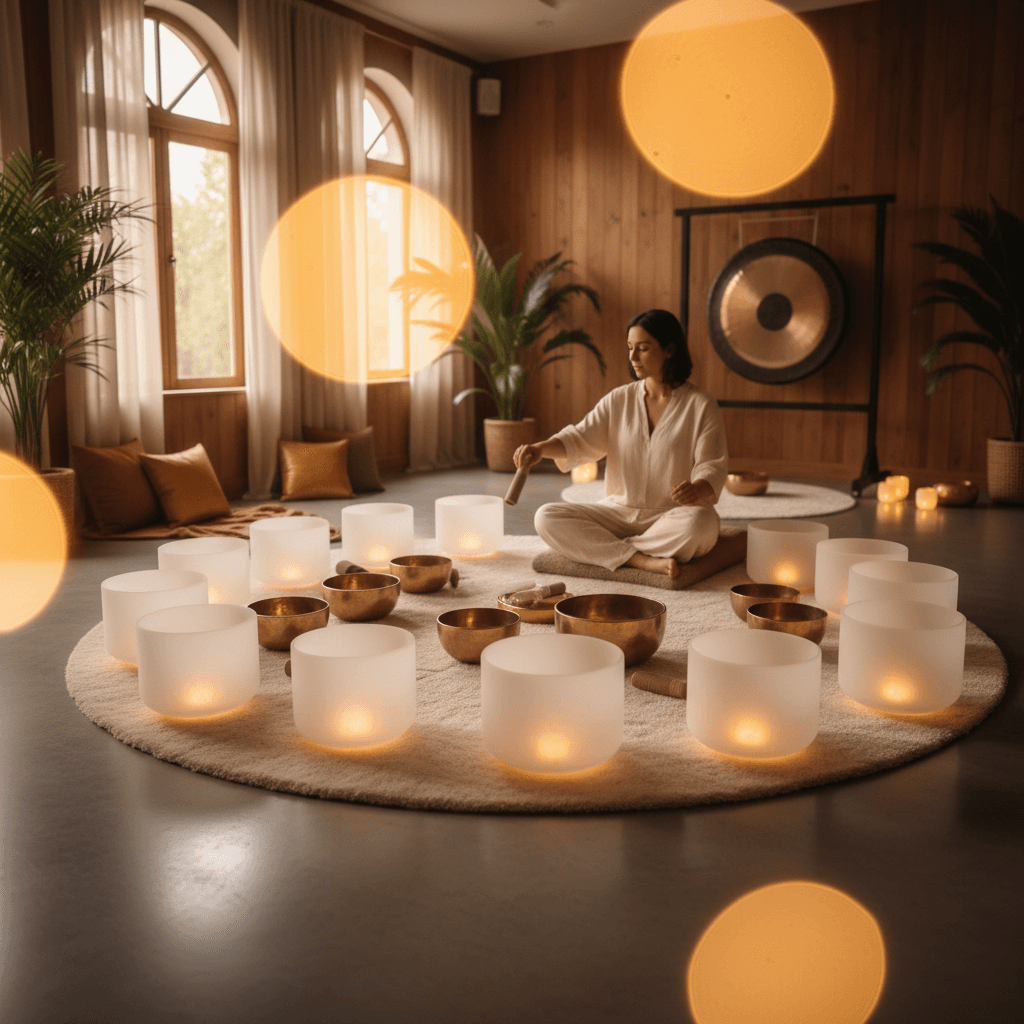
The studio's offerings feature an exquisite array of instruments, each chosen for its specific vibrational qualities. Clients experience the deep, resonant tones of gongs, the harmonizing frequencies of Himalayan and crystal singing bowls, the delicate chimes, and the precise vibrations of tuning forks. These instruments are employed not just for their beautiful sounds, but for their capacity to induce brainwave entrainment, stimulate vagal nerve response, and encourage hormonal balance.
Larissa's expertise lies in her ability to orchestrate these elements into powerful, immersive sound journeys. These sessions encourage a natural unwinding of stress and tension, inviting a mental quietude that is often elusive in our fast-paced world. The Soul Art experience is a testament to the profound potential of sound as a complementary practice for holistic well-being, allowing clients to tap into their innate capacity for self-regulation and peace.
Cultivating Calm: Your Journey Towards Sonic Well-being
The profound insights from ICU sound therapy research are not confined to hospital walls. The principles that bring solace and support to critically ill patients are equally powerful for anyone seeking to manage stress, improve sleep, and enhance overall well-being in their daily lives. Incorporating sound into your self-care routine can be a transformative journey towards greater inner harmony.
Sound is a universally accessible tool for nervous system regulation, offering a gentle yet effective pathway to relaxation. By consciously engaging with specific sounds, you can empower yourself to create moments of peace, counteract daily stressors, and cultivate a deeper sense of presence. This holistic approach supports a resilient mind and body.
Here are your next steps to begin integrating the power of sound into your life:
- Explore Calming Playlists: Discover curated playlists featuring slow-tempo instrumental music, nature sounds, or ambient frequencies. Listen during commutes, before sleep, or during moments of stress to reset your nervous system.
- Practice Mindful Listening: Dedicate a few minutes each day to simply listen. Close your eyes and notice the sounds around you without judgment. This practice enhances awareness and can anchor you in the present moment.
- Consider Guided Meditations with Sound: Many meditation apps and online resources offer guided meditations that incorporate specific sound frequencies. These can deepen your meditative experience and enhance relaxation.
- Experience Professional Sound Wellness Sessions: For an immersive and expertly guided experience, consider booking a sound bath or vibrational therapy session. A skilled practitioner can create a powerful environment for deep relaxation and energy rebalancing.
Soul Art, founded by Larissa Steinbach, provides an unparalleled opportunity to explore the depths of sound wellness in a luxurious and supportive setting. Whether you are new to sound therapy or seeking to deepen your practice, we invite you to experience the transformative effects for yourself. Our bespoke sessions are designed to help you unlock profound states of relaxation and inner peace.
In Summary: Embracing the Transformative Power of Sound
The journey through critical illness in an ICU is undeniably challenging, marked by intense physical and emotional demands. Yet, the growing body of scientific evidence reveals a remarkable truth: sound and music interventions offer significant, non-pharmacological support for physiological and psychological well-being in these vital settings. From decreasing pain and improving sleep to regulating cortisol and reducing anxiety, sound therapy is emerging as a compassionate complementary approach to critical care.
This research underscores the profound, innate connection between sound and human health, demonstrating how carefully orchestrated auditory experiences can foster healing and comfort. At Soul Art, Larissa Steinbach harnesses these powerful principles, crafting bespoke sound wellness experiences that invite deep relaxation and nervous system regulation. We believe that everyone deserves access to these restorative frequencies, creating spaces for profound peace and self-care in their lives.
Bookings Coming Soon
Soul Art is still in preparation. Session details and booking will be published here after launch.
Coming Soon
Wellness Disclaimer: This article is for educational and informational purposes only. It does not constitute medical advice, diagnosis, or treatment. Soul Art Dubai provides non-medical wellness experiences focused on relaxation, stress management, and general wellbeing. Sound wellness is a complementary practice and should not replace professional medical care.