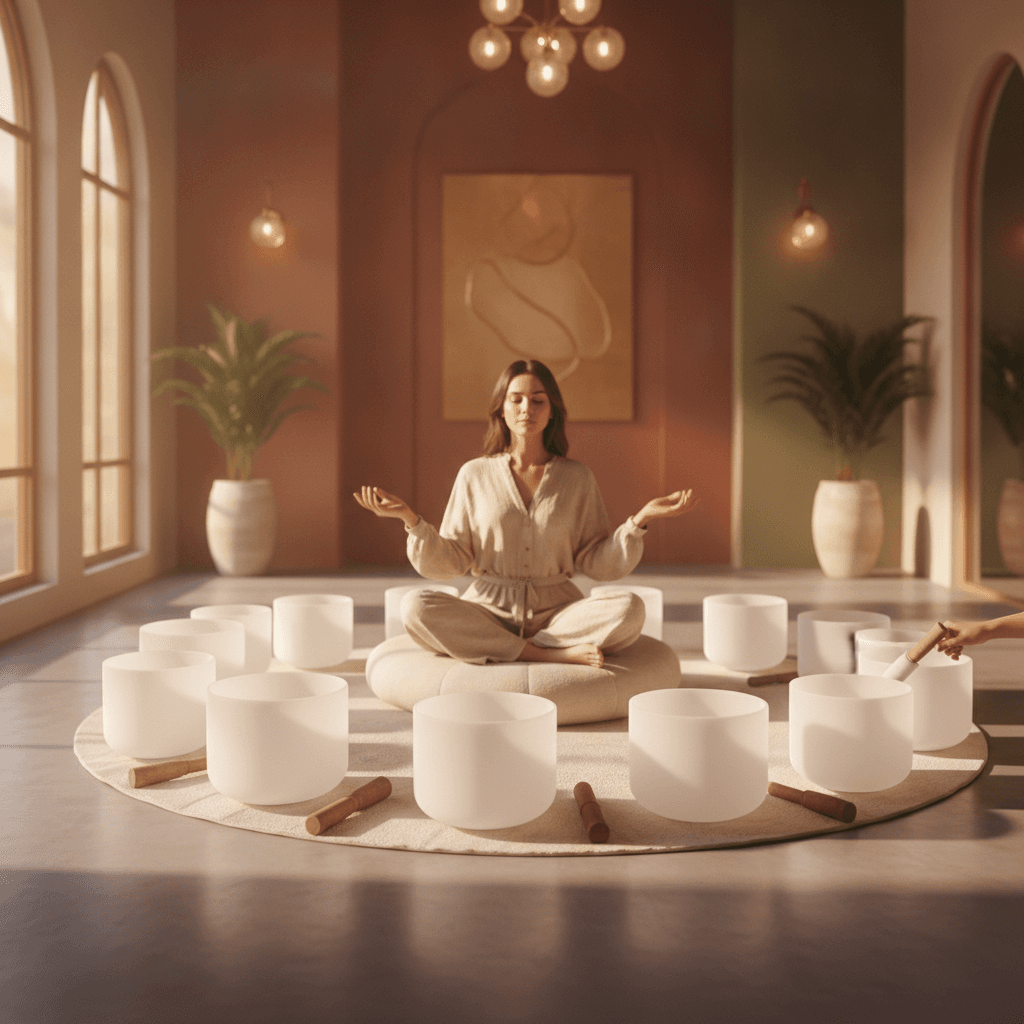
Calming the Inner Alarm: Hypervigilance & Gentle Sound Cues
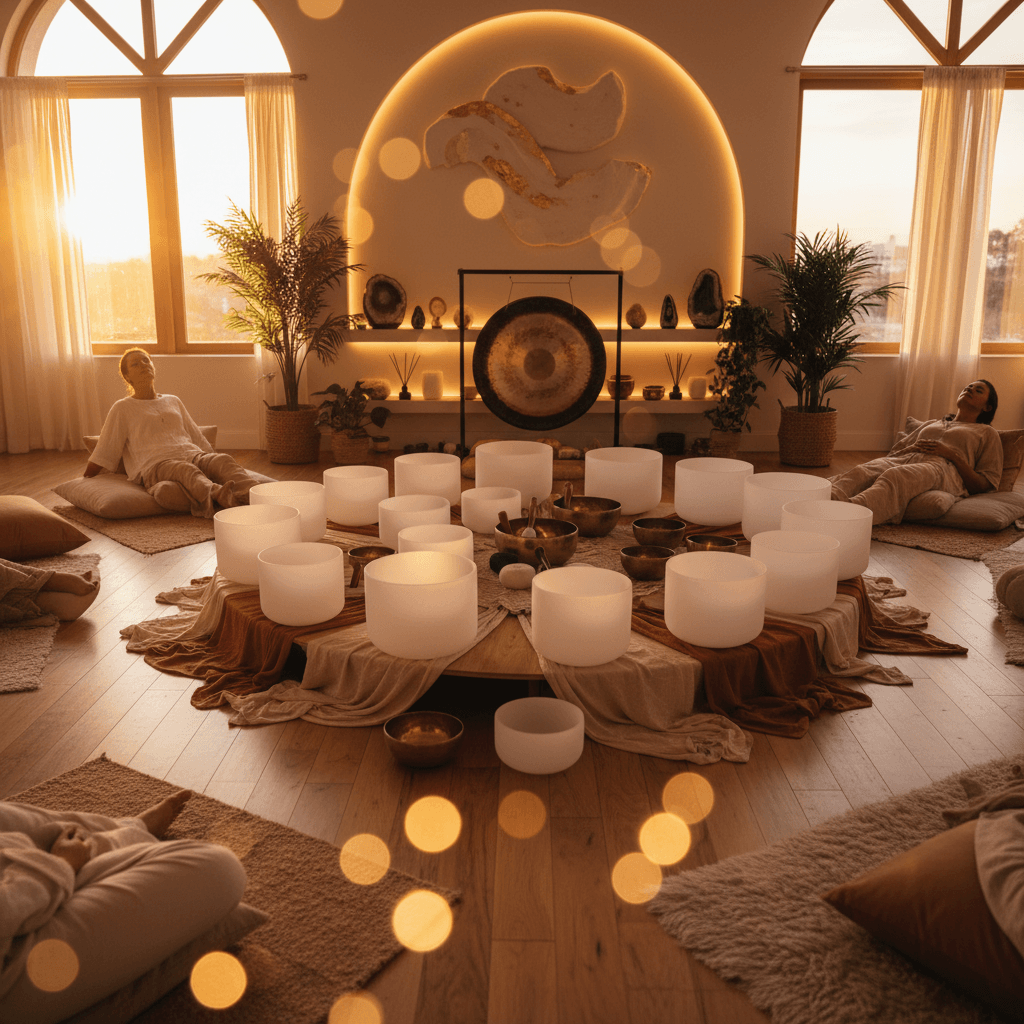
Key Insights
Explore the neuroscience of hypervigilance and how Soul Art Dubai uses gentle sound cues to foster calm and restore nervous system balance.
Calming the Inner Alarm: Hypervigilance and Gentle Sound Cues
Imagine your brain as a highly sophisticated security system. Its primary job is to keep you safe, constantly scanning the environment for potential threats. But what if this system's motion detector becomes overly sensitive, triggering alarms for every rustle of leaves, every distant siren, every benign shadow? This state of perpetual high alert is known as hypervigilance, and it can profoundly impact your quality of life.
Hypervigilance is not a diagnosis in itself, but rather a persistent symptom of a nervous system stuck in overdrive, often associated with past trauma, chronic stress, or anxiety. It leaves individuals feeling perpetually on edge, exhausted, and disconnected from genuine moments of peace. This article will delve into the intricate neuroscience behind hypervigilance and explore how the intentional application of gentle sound cues, as practiced at Soul Art Dubai by Larissa Steinbach, may offer a pathway to recalibrate this overactive internal alarm.
We will explore the brain networks involved, understand how sound interventions can gently soothe an agitated nervous system, and offer practical insights for finding greater calm. Join us as we uncover how subtle frequencies can guide the brain away from a state of constant threat and towards a more balanced, peaceful existence. Understanding these mechanisms is the first step towards reclaiming your inner sanctuary.
The Science Explained: Understanding Hypervigilance
Our brains are designed for survival, equipped with an intricate alarm system to detect and respond to danger. Hypervigilance represents a dysregulation of this system, where the brain perceives threats even in safe environments, maintaining a state of chronic high alert. This constant state of activation can be profoundly draining, affecting every aspect of an individual's wellbeing, from sleep patterns to social interactions.
The Brain on High Alert: Neural Networks in Overdrive
At the heart of hypervigilance lies altered functioning within key brain networks. The Salience Network (SN), responsible for detecting and filtering important stimuli, plays a crucial role. In a hypervigilant state, this network often operates with a "low threshold for perceived saliency," meaning it flags almost anything as significant or potentially threatening. This inability to efficiently regulate normal brain network switching contributes significantly to persistent hypervigilance, as suggested by research from MYNeuroBalance.
Simultaneously, the Default Mode Network (DMN), which is active during mind-wandering and self-referential thought, can also be affected. A continually overactive Salience Network can disrupt the balanced functioning of the DMN, contributing to a sense of being perpetually "on." Studies published in neuroscience journals indicate that hypervigilance is associated with sensory disinhibition and chronic hyperarousal, directly linked to these altered functions within the Salience and Default Mode Networks.
"The hypervigilant brain operates like a security system with an overly sensitive motion detector – it triggers alerts for every small movement, whether it’s a real threat or just leaves blowing in the wind."
Moreover, critical brain structures like the amygdala (the brain's fear center) and the hippocampus (involved in memory and emotional regulation) show altered connectivity in individuals experiencing hypervigilance, particularly those with PTSD. Research, including studies on veterans, indicates that extreme trauma can decrease the size and function of both the amygdalae and hippocampi. This impaired communication between these areas is vital in the symptomatology of PTSD and explains the heightened startle response and difficulty processing threats effectively.
The Cycle of Exhaustion and Sensory Triggers
This persistent state of arousal creates a vicious cycle. Chronic hypervigilance often leads to poor sleep and profound fatigue, which, in turn, further increases alertness and reactivity. For many, this cycle makes it incredibly challenging to ever feel truly safe or relaxed, perpetuating an exhausting loop of stress and vigilance.
A significant aspect of hypervigilance involves sensory triggers. Sounds, smells, textures, or visual cues that resemble aspects of a past traumatic event can instantly reignite the learned sense of threat or danger. These triggers can cause a sudden surge in stress and hypervigilance, even when in an otherwise safe environment. Understanding these deeply embedded patterns is crucial for developing effective strategies that go beyond traditional relaxation techniques.
Recent 2025 meta-analysis research has highlighted the beneficial effects of neurofeedback on PTSD symptoms, examining both traditional neurofeedback and advanced approaches like LENS (Low Energy Neurofeedback System). This research demonstrates that addressing brain network dysfunction can lead to meaningful symptom reduction across multiple domains. LENS works directly with the brain’s electrical activity to restore healthy network communication, addressing the root cause by helping to regulate the overactive salience network and supporting balanced default mode network function. This emphasis on brain network regulation provides a scientific foundation for complementary approaches like sound wellness, which aim to gently guide the brain toward more balanced states.
How It Works in Practice: The Gentle Power of Sound
Connecting the intricate science of hypervigilance to practical applications reveals the unique potential of gentle sound interventions. Unlike sudden or jarring noises that can instantly activate a hypervigilant nervous system, carefully curated gentle sound cues offer a non-threatening pathway to recalibration. This approach aims to gradually lower the brain's "motion detector" sensitivity, allowing the individual to re-experience safety and calm.
Bypassing the Overactive Alarm System
The hypervigilant brain is highly attuned to perceived threats, making it resistant to overt attempts at relaxation. Gentle sound interventions work by providing a sensory experience that is inherently non-threatening. For example, sounds like the gentle rhythm of rain, the soothing murmur of the sea, or specific nature sounds, which have been shown to significantly reduce the severity of PTSD in studies involving mothers of premature infants, do not trigger the "fight or flight" response. Instead, they bypass the overactive salience network, creating a subtle shift in the brain's internal state.
The beauty of gentle sound is its ability to introduce harmonious frequencies without demanding cognitive effort or activating the fear response. This contrasts with traditional relaxation techniques that may feel insufficient for deeply embedded hypervigilant states, as they might require a level of conscious control that is difficult to achieve when the nervous system is chronically dysregulated. The subtle, low-energy signals embedded within these soundscapes are designed to soothe rather than stimulate, offering a profound sense of psychological safety.
Fostering Neural Balance and Emotional Regulation
Scientific evidence suggests that music and sound interventions can play a significant role in balancing brain activity and reducing the amygdala’s startle response. Research from Beck et al. (2017) indicates that participant’s own favorite music, especially that associated with a "chill experience," can enhance the connection between the amygdalae, prefrontal cortex (PFC), and hippocampus. This improved connectivity is vital for processing stimuli more adaptively and moving towards a premorbid state of balance. Joyful music, including classical, jazz, and various global genres, has been shown to elicit strong BOLD signals in the superficial amygdala, suggesting its potential to positively influence emotional processing.
Music therapy has demonstrated beneficial effects on prominent symptoms of post-traumatic stress, including emotionally dysregulating intrusions, avoidance, negative alterations in mood, and arousal. Studies involving Iranian traditional music and non-verbal nature sounds have shown reductions in anxiety symptoms and improvements in quality of life. These findings underscore sound’s capacity to gently re-educate the nervous system, helping it to distinguish between genuine threats and benign sensory input, thus reducing chronic hyperarousal and sensory disinhibition.
By engaging the auditory system in a gentle, rhythmic, and consistent manner, sound wellness practices may support the brain in re-learning states of calm and safety. This can help to restore critical regulatory functions within brain networks, allowing for more efficient switching and a reduced propensity for constant perceived saliency. Over time, this repeated exposure to soothing soundscapes can contribute to a more balanced and resilient nervous system.
The Soul Art Approach: Intentional Sound for Inner Peace
At Soul Art, Dubai's premier sound wellness studio, Larissa Steinbach meticulously crafts experiences designed to address the nuanced challenges of an overactive nervous system, including hypervigilance. The Soul Art approach is rooted in both ancient wisdom and contemporary neuroscience, focusing on the intentional application of gentle sound cues to foster deep relaxation and restore inner balance. Larissa Steinbach's vision is to create a sanctuary where the profound power of sound can facilitate healing and transformation.
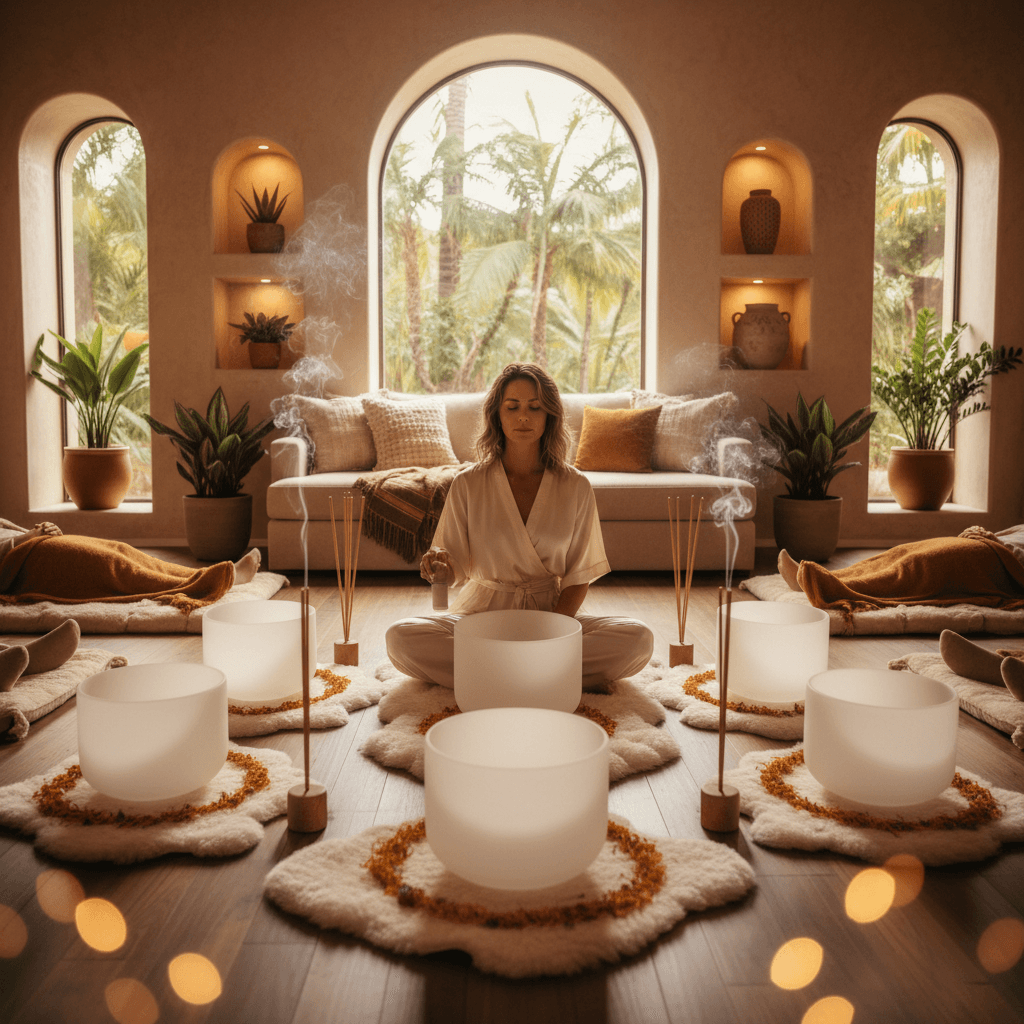
The uniqueness of the Soul Art method lies in its deliberate creation of soundscapes that are inherently non-threatening and deeply resonant. We understand that for individuals experiencing hypervigilance, sudden or intense sounds can be counterproductive. Therefore, our sessions prioritize sustained, harmonious frequencies delivered through a carefully selected array of instruments. These often include the ethereal tones of crystal singing bowls, the deep vibrations of gongs, the delicate chime of koshi bells, and the rhythmic cadence of various percussion instruments.
Larissa Steinbach guides each session with an acute awareness of the nervous system's delicate balance. The sounds are not merely played; they are offered as gentle invitations for the brain to downregulate. The soothing rhythms and consistent frequencies are designed to encourage brainwave states associated with relaxation, such as alpha and theta waves. This intentional curation helps to re-educate the auditory system, allowing the brain to gradually release its grip on the "alert" state and embrace a sense of safety.
Soul Art sessions are more than just passive listening; they are immersive experiences that engage the entire being. The carefully calibrated acoustic environment, combined with Larissa's compassionate guidance, provides a safe space for individuals to surrender to the sound. Many people report that the gentle, flowing nature of the soundscapes allows them to bypass their usual mental chatter and access deeper states of calm, where the nervous system can begin to reset and rebalance. This holistic approach supports the restoration of healthy brain network communication, cultivating a sense of peace that extends beyond the session itself.
Your Next Steps: Cultivating Calm in a Busy World
Navigating hypervigilance is a journey that requires patience, self-compassion, and consistent practices that support nervous system regulation. While the insights provided by neuroscience offer a deeper understanding, integrating practical steps into your daily life can make a significant difference. Here are some actionable recommendations to help you cultivate greater calm and gently recalibrate your inner alarm system:
- Mindful Listening: Start by intentionally tuning into gentle, non-threatening sounds in your environment. This could be the sound of rain, distant birdsong, or the soft hum of your refrigerator. Practice observing these sounds without judgment, allowing your nervous system to register them as safe. This simple exercise can help re-educate your auditory processing.
- Create Your Soothing Sound Sanctuary: Curate a playlist of nature sounds, classical music, or instrumental tracks that you find genuinely calming. Research suggests that music with a slow, gentle, and soothing rhythm, such as the sound of rain or the sea, can significantly reduce stress. Make a habit of listening to this playlist during moments of stress or before sleep.
- Integrate Mindful Breathing with Sound: Combine deep, diaphragmatic breathing with your chosen gentle sounds. As you inhale, focus on the expansion of your belly; as you exhale, imagine releasing tension with the fading notes of the sound. This synchronized practice can enhance vagal tone, a key indicator of nervous system resilience.
- Journal Your Triggers: Become more aware of what specifically triggers your hypervigilance. Is it certain noises, specific environments, or internal sensations? Understanding these patterns, as suggested by SimplyPsychology, helps reduce shame and allows you to proactively plan strategies to manage or gently avoid them, creating a sense of predictability and control.
- Explore Complementary Wellness Practices: Consider incorporating practices like sound wellness sessions at Soul Art, yoga, or gentle meditation into your routine. These modalities are designed to support nervous system regulation and are complementary to any professional medical or psychological support you may be receiving. If you are struggling with persistent hypervigilance or other mental health symptoms, it is always best to reach out to a mental health professional for personalized guidance.
Soul Art is still in preparation. Session details and booking will be published here after launch.
Bookings Coming Soon
Soul Art is still in preparation. Session details and booking will be published here after launch.
Coming Soon
In Summary
Hypervigilance, a persistent state of heightened arousal, can profoundly disrupt our peace and wellbeing by keeping the brain's internal alarm system perpetually active. It is linked to dysregulation within key neural networks like the Salience and Default Mode Networks, often exacerbated by sensory triggers and creating a draining cycle of exhaustion. Understanding these scientific underpinnings reveals why traditional relaxation may not always suffice.
Gentle sound cues, however, offer a unique and accessible pathway to nervous system regulation. By introducing non-threatening frequencies, sound interventions may help bypass the overactive alert system, fostering neural balance and supporting emotional regulation. This approach is designed to gently recalibrate the brain, reducing the amygdala’s startle response and enhancing the connectivity vital for true calm.
At Soul Art, Larissa Steinbach expertly weaves these principles into intentional sound wellness experiences, creating a sanctuary where carefully curated frequencies guide individuals towards deep relaxation and inner peace. Embrace the subtle power of sound to soothe your inner alarm, restore your nervous system, and unlock a profound sense of wellbeing. We invite you to experience this transformative journey with us.
Wellness Disclaimer: This article is for educational and informational purposes only. It does not constitute medical advice, diagnosis, or treatment. Soul Art Dubai provides non-medical wellness experiences focused on relaxation, stress management, and general wellbeing. Sound wellness is a complementary practice and should not replace professional medical care.
Related Articles
Beyond Hearing: Sound Waves & Your Body's Inner Boundaries at Soul Art
Breath Holding & Sound: Releasing Guarded Patterns at Soul Art Dubai
Reclaim Vitality: Soft Sound Practices for Fatigue & Collapse