Huntington's Disease & Rhythm: A Path to Enhanced Well-being
Key Insights
Explore how rhythmic interventions, like those at Soul Art with Larissa Steinbach, may support movement control and cognitive function in Huntington's Disease.
The Brain's Symphony: Rhythmic Interventions for Huntington's Disease
Imagine the intricate symphony of the human brain, where every thought, movement, and emotion is orchestrated by precise timing and rhythm. What happens when this internal conductor faces challenges, as in complex neurological conditions like Huntington's Disease (HD)? At Soul Art, we are deeply invested in exploring complementary wellness practices that offer pathways to improved well-being.
Huntington's Disease, a progressive neurodegenerative disorder, profoundly affects an individual's movement, cognition, and mood. While disease-modifying treatments remain elusive, a growing body of scientific inquiry is illuminating the potential of rhythmic interventions to support those living with HD. This article delves into how the power of rhythm, specifically through Neurologic Music Therapy (NMT) and Rhythmic Auditory Stimulation (RAS), may offer a unique avenue for enhanced motor control, cognitive function, and overall quality of life.
Our exploration will connect cutting-edge research to the practical applications fostered by Larissa Steinbach and the dedicated team at Soul Art. We aim to shed light on how engaging with carefully crafted rhythmic experiences can contribute to a more harmonious existence, offering moments of control and calm amidst neurological complexities. This understanding underscores our commitment to holistic wellness, focusing on relaxation, stress management, and self-care practices.
The Science Explained: Rhythms and Neurological Resilience
The human brain is fundamentally rhythmic, from the firing of neurons to the synchronization of bodily movements. In conditions like Huntington's Disease, disruptions in key brain regions, particularly the basal ganglia, can impair this natural timing and coordination. This often manifests as involuntary movements (chorea), gait difficulties, and cognitive challenges.
Currently, there are no definitive disease-modifying treatments for HD, making supportive and rehabilitative strategies incredibly important. This is where the emerging field of neurologic music therapy (NMT) offers a compelling perspective. NMT, a specialized therapeutic approach, harnesses the power of music and rhythm to address cognitive, motor, and speech impairments resulting from neurological conditions.
The Promise of Neurologic Music Therapy (NMT)
Accumulating evidence suggests that NMT, particularly in the form of Rhythmic Auditory Stimulation (RAS) and Therapeutic Instrumental Music Performance (TIMP), may offer significant benefits. These music-based interventions have shown promise in the rehabilitation of various neurological conditions, including acquired brain injuries and neurodegenerative diseases like Parkinson's Disease (PD) and Huntington's Disease. Recent reviews and meta-analyses highlight their potential to improve gait, enhance the timing of upper extremity functions, and contribute to an improved quality of life.
A systematic review published in the Journal of Huntington's Disease highlighted a potential benefit of music, dance, and rhythm for patients with HD, which is particularly important for a disease that has no cure. These findings underscore the importance of exploring complementary approaches to support individuals navigating the complexities of HD. The feasibility of rhythmic movement training in HD has also been demonstrated through app development studies like HD-DRUM.
How Rhythmic Cues Re-Calibrate the Brain
The mechanisms behind NMT's effectiveness are thought to involve several key processes. One primary theory suggests that Rhythmic Auditory Stimulation (RAS) can compensate for the loss of basal ganglia-generated timing and rhythm signals by providing external rhythmic cues. Essentially, the brain uses the external beat as a scaffold to help regulate internal timing, supporting more controlled and coordinated movement.
Beyond simple compensation, rhythmic movement practices are also believed to promote accelerated learning and increased temporal skills. Engaging with a consistent beat can help retrain neural pathways involved in timing and sequencing movements. The motivational aspects of musical rhythm also play a crucial role, potentially increasing engagement and adherence to therapeutic activities.
"The brain's ability to synchronize with external rhythms offers a profound, non-pharmacological pathway to re-establish internal timing, offering moments of grace and control even when the internal clock falters."
Crucially, research indicates that the type of rhythmic cue matters. Studies comparing different conditions have shown that simple rhythmic cues, such as a steady, pulse-like beat played on a drum, tend to be more effective than complex melodic music or instructions. Simple rhythms can help prevent participants from being overwhelmed, allowing for better focus on motor control and timing. Furthermore, encouraging slower, more deliberate movements, guided by these simple rhythms, has been associated with improved control and a reduction in chorea. This suggests that the external cue helps individuals gain a sense of agency over their body's movements rather than letting the disease dictate their pace. While the precise neural mechanisms in the brains of people with HD are still under investigation, these preliminary findings highlight a promising direction for supportive wellness practices.
How It Works in Practice: Finding Your Beat
Translating these scientific insights into a tangible experience involves a thoughtful and empathetic approach. In a practical setting, rhythmic intervention for individuals with neurological challenges like HD focuses on creating a supportive environment where external rhythmic cues guide and enhance movement and cognitive processes. It's about empowering the individual to connect with their inherent capacity for rhythm, even when internal signals are disrupted.
Imagine a serene space where soft, consistent drum beats resonate, setting a gentle, steady pulse. This pulse is not merely background noise; it is a carefully chosen, therapeutic cue. For someone experiencing gait difficulties, a skilled practitioner might introduce a rhythmic beat matched to their walking speed, or slightly slower, to encourage more controlled and balanced steps. This external auditory guide may help synchronize their footfalls, potentially improving gait stability and reducing the variability often seen in HD.
The application extends beyond walking. For upper extremity functions, simple rhythmic exercises might involve tapping a hand drum or other percussion instruments in time with a beat. This focus on rhythmic precision can help to refine motor control, improve timing, and potentially reduce the involuntary movements associated with chorea. The simplicity of the rhythm is key; complex melodies or fast tempos can be distracting or overwhelming, whereas a clear, steady pulse provides a reliable anchor for movement.
The practitioner's role is critical in adapting the rhythm to the individual's needs and capabilities. This might involve adjusting the tempo, the instrument used, or the complexity of the rhythmic pattern. The goal is always to facilitate a sense of control and empowerment, rather than imposing a rigid structure. The sensory experience is multi-faceted: individuals not only hear the rhythm but also feel the vibrations, engaging both auditory and kinesthetic pathways. This holistic engagement may contribute to a heightened body awareness and a greater sense of presence. Through these mindful interactions with rhythm, individuals may experience a renewed connection to their bodies, fostering improved self-regulation and a reduction in stress.
The Soul Art Approach: Harmonizing Wellness with Larissa Steinbach
At Soul Art Dubai, we believe in curating profound wellness experiences that are deeply rooted in scientific understanding while embracing the holistic nature of human well-being. Our founder, Larissa Steinbach, brings a unique blend of expertise and compassion to the application of sound and rhythmic interventions. For individuals exploring complementary support for conditions like Huntington's Disease, Soul Art offers a carefully considered approach focused on relaxation, nervous system regulation, and enhanced body awareness.
Larissa Steinbach's Vision for Rhythmic Wellness
Larissa Steinbach's vision for Soul Art is to create a sanctuary where the power of sound and vibration can gently guide individuals towards greater harmony within themselves. When it comes to rhythmic interventions, Larissa applies insights from Neurologic Music Therapy research, emphasizing the creation of clear, supportive soundscapes. Her approach is always grounded in promoting general well-being, focusing on the potential for improved self-regulation, cognitive focus, and a greater sense of calm.
At Soul Art, we understand that effective rhythmic intervention is not simply about playing music. It requires a skilled and empathetic approach to select the right sounds and rhythms that can be genuinely supportive without causing sensory overload. Our sessions are designed to be a gentle yet profound journey, encouraging participants to connect with their inner rhythm in a safe and nurturing environment.
The Unique Soul Art Experience
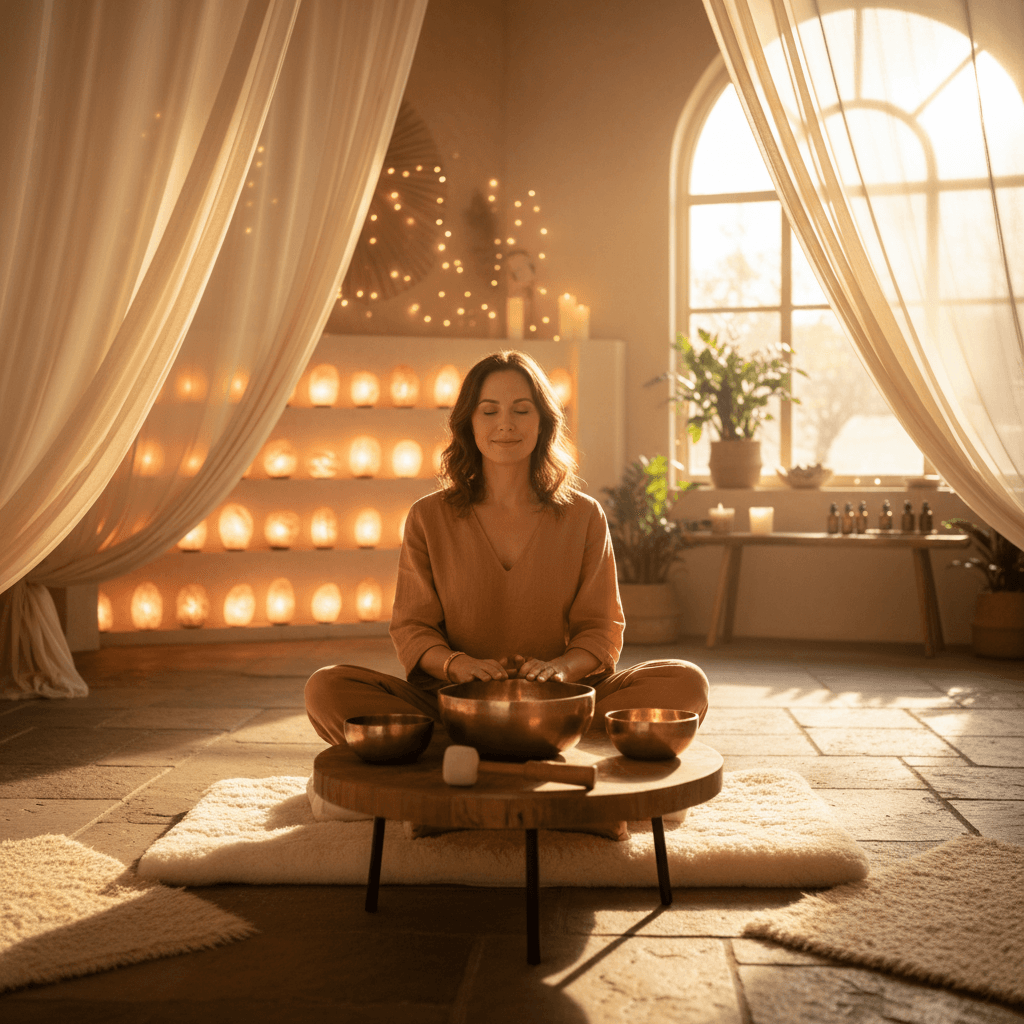
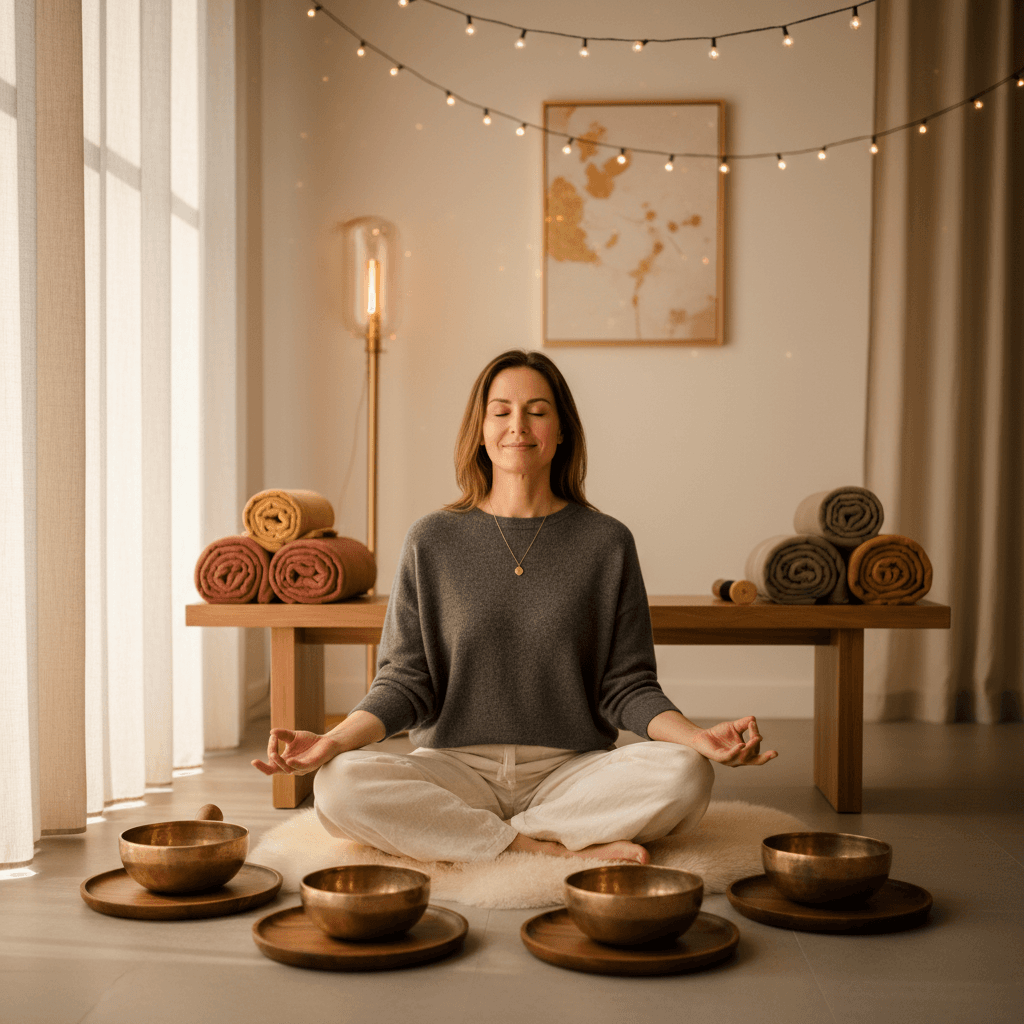
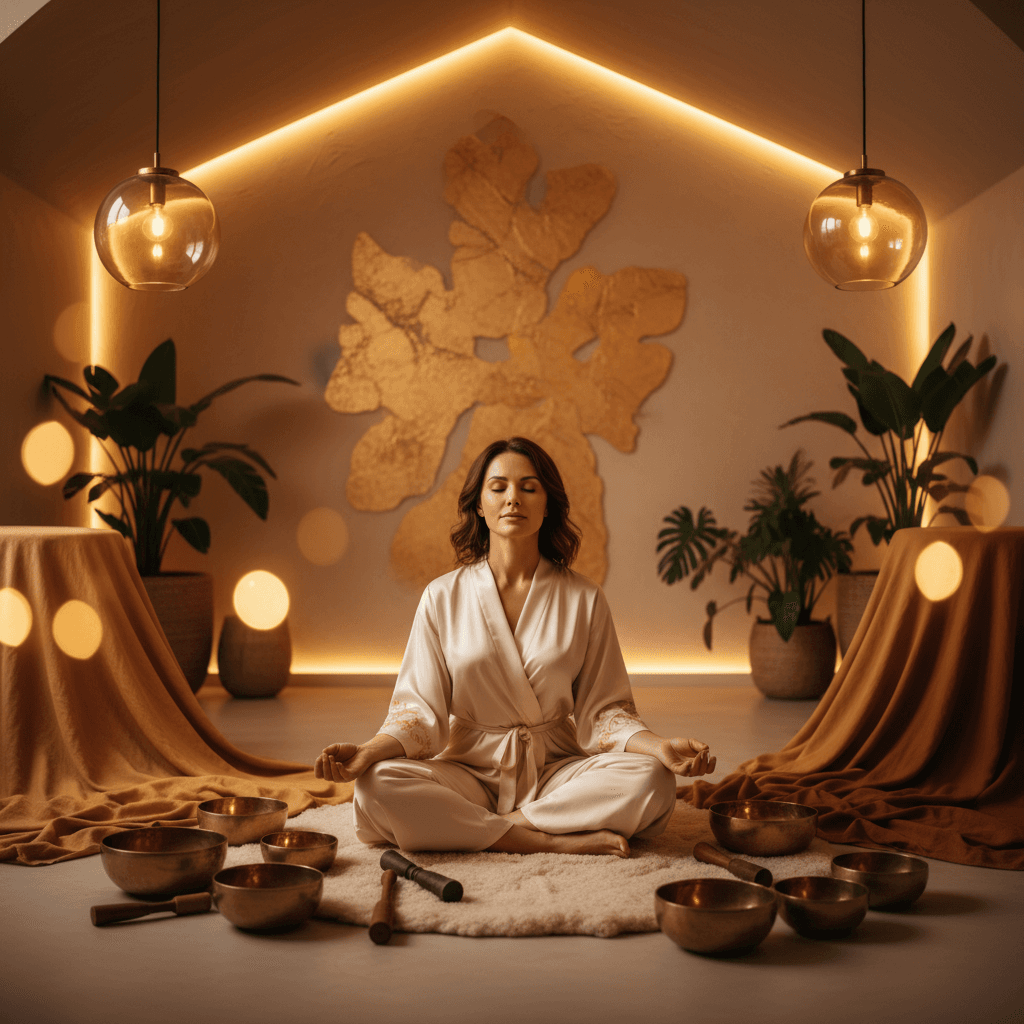
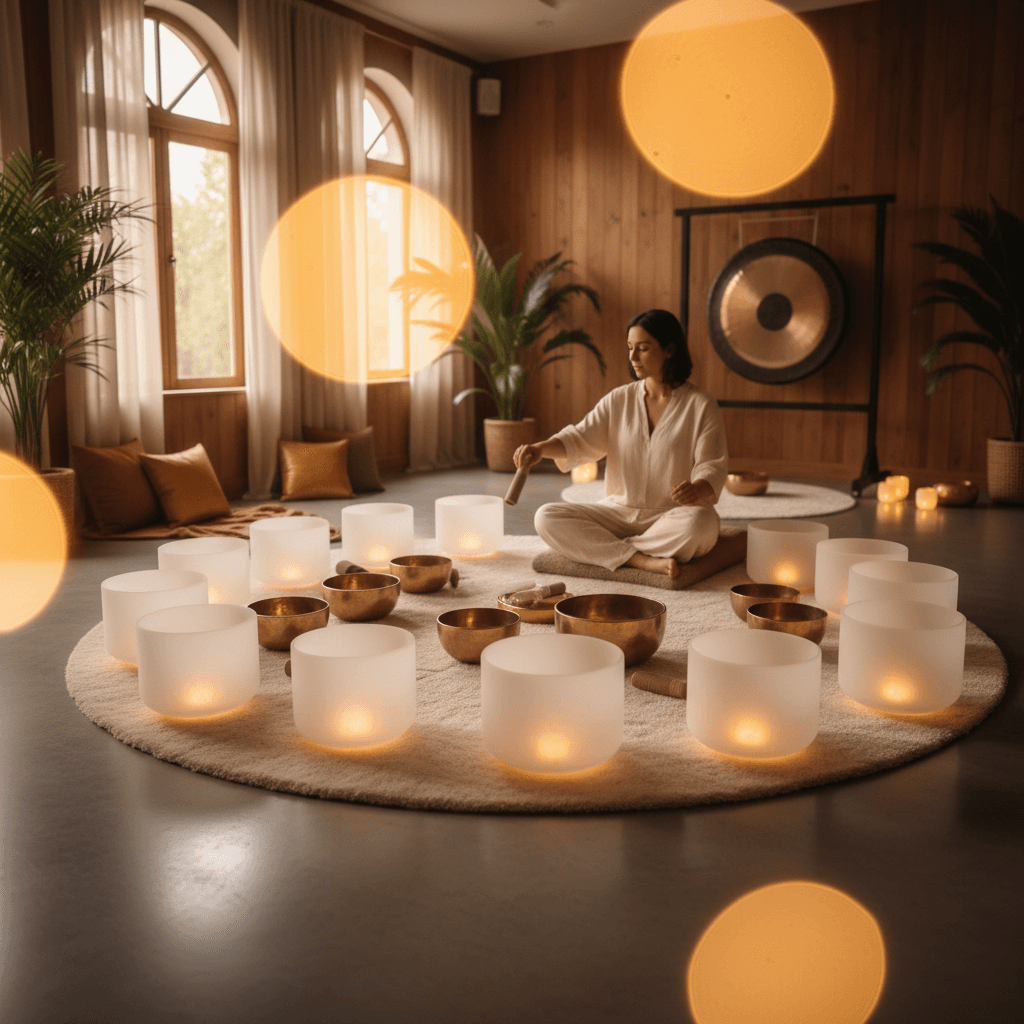
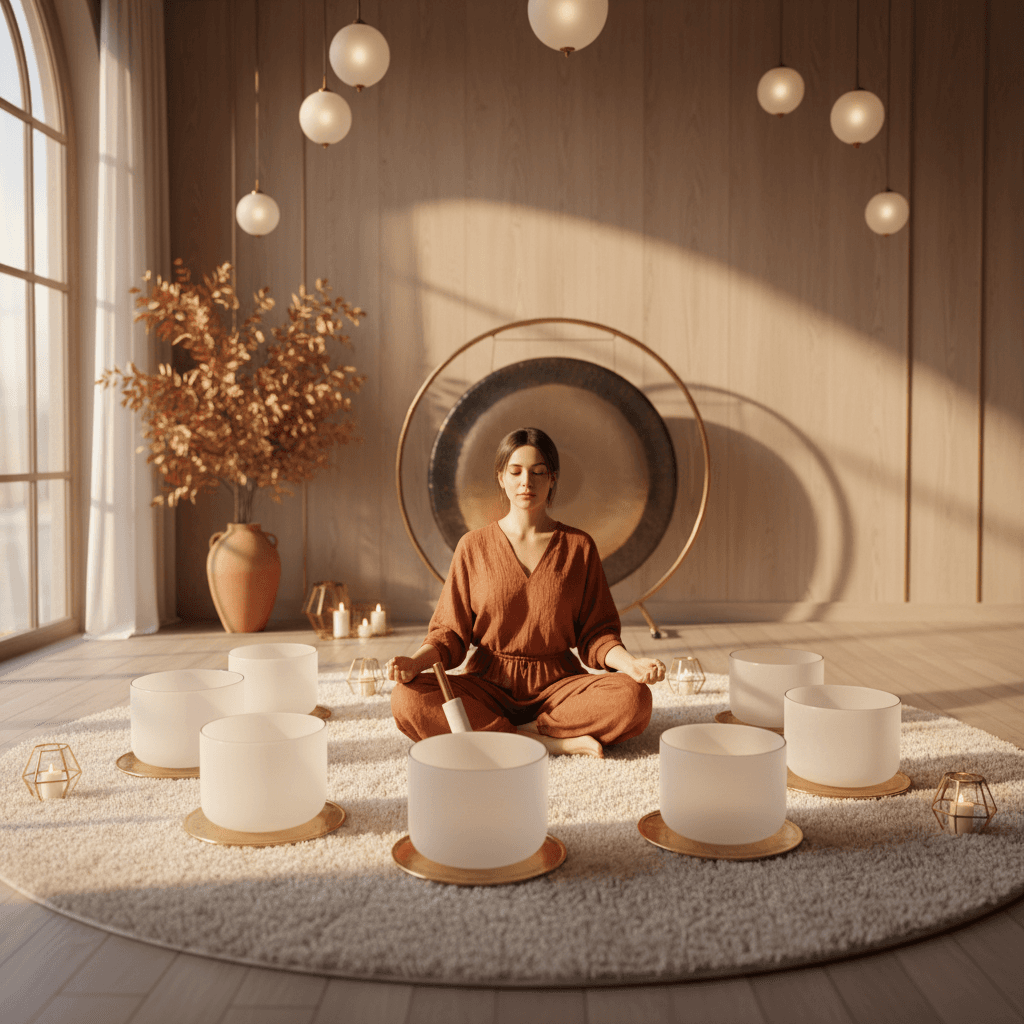
The Soul Art method integrates precise rhythmic applications with a broader sound wellness philosophy. While the focus for specific rhythmic interventions might be on instruments like hand drums, shakers, or metronomes to provide clear, simple cues, our studio also incorporates the resonant frequencies of gongs, singing bowls, and other therapeutic instruments to foster deep relaxation. These broader soundscapes help to regulate the nervous system, creating an optimal state for receiving and integrating rhythmic guidance.
Our sessions are highly personalized, considering each individual's unique needs and comfort levels. Larissa and her team guide participants through experiences designed to enhance proprioception – the body's awareness of its position and movement – and improve temporal skills. We utilize guided rhythmic exercises that encourage mindful movement, helping to potentially refine motor control and coordination in a gentle, non-pressured way. This holistic integration of rhythmic focus and calming sound immersion aims to create an environment where individuals can explore enhanced movement fluidity, cognitive clarity, and a profound sense of peace.
Your Next Steps: Embracing Rhythm for Enhanced Living
While sound wellness practices are not a substitute for medical treatment, integrating rhythm into your daily life may support your overall well-being. Preliminary studies indicate that rhythmic interventions can be a valuable complementary approach, fostering relaxation, stress management, and a deeper connection with your body's natural rhythms. Taking proactive steps to incorporate rhythm can be empowering.
Here are some practical actions you can consider today:
- Mindful Listening: Spend time each day listening to music with a clear, steady beat. Focus on the rhythm and allow your body to gently synchronize with it. Simple instrumental pieces or even metronome apps can be effective.
- Guided Rhythmic Movement: Explore gentle movement practices, such as walking, with the aid of a rhythmic cue. This could be a simple drum track, a metronome, or even the cadence of your own breath, helping to regularize your pace and enhance control.
- Explore Percussion: Engage with simple percussion instruments like a hand drum or shakers. Even basic tapping in a consistent rhythm can be a mindful exercise that connects your auditory and motor systems.
- Consult Wellness Professionals: Seek out wellness practitioners specializing in sound or movement who understand the principles of rhythmic auditory stimulation. They can guide you through personalized exercises tailored to your needs.
- Discover Soul Art: Consider visiting Soul Art Dubai to experience our unique approach to sound wellness. Our guided sessions, led by Larissa Steinbach, offer a tranquil environment to explore how rhythm and sound can support relaxation, nervous system regulation, and a greater sense of bodily harmony.
Embracing rhythm as a self-care practice is a gentle yet powerful way to nurture your neurological health and overall vitality.
In Summary: The Unifying Power of Rhythm
Huntington's Disease presents significant challenges, yet the human spirit's capacity for adaptation and resilience is profound. The scientific exploration into rhythmic interventions, particularly Neurologic Music Therapy and Rhythmic Auditory Stimulation, offers a promising complementary pathway for individuals living with HD. Research suggests these practices may support improved gait, enhanced motor control, and cognitive functions by providing external cues that help re-calibrate the brain's timing mechanisms.
At Soul Art, Larissa Steinbach and her team are dedicated to harnessing these insights, offering meticulously crafted sound wellness experiences. Our goal is to provide a supportive environment where the gentle yet powerful influence of rhythm can foster greater control, reduce stress, and enhance overall quality of life. We invite you to explore the profound potential of rhythm and sound to bring balance and harmony into your life.
Bookings Coming Soon
Soul Art is still in preparation. Session details and booking will be published here after launch.
Coming Soon
Wellness Disclaimer: This article is for educational and informational purposes only. It does not constitute medical advice, diagnosis, or treatment. Soul Art Dubai provides non-medical wellness experiences focused on relaxation, stress management, and general wellbeing. Sound wellness is a complementary practice and should not replace professional medical care.