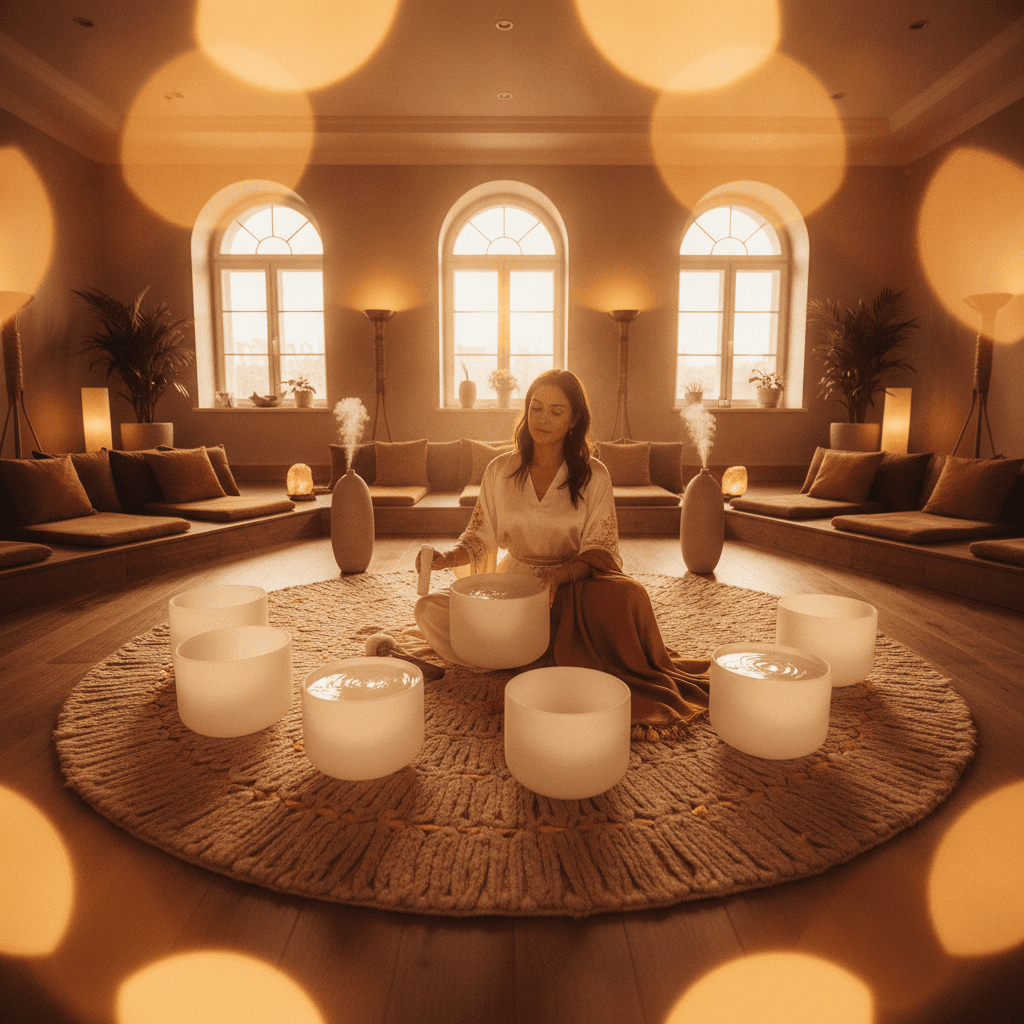
Harmonizing Cultures: Respectful Sound Practices for Wellbeing
Key Insights
Explore how to use cultural sound references respectfully in wellness practices, enhancing global harmony and personal wellbeing at Soul Art, Dubai.
Have you ever considered the profound difference between simply hearing a sound and truly listening to its cultural echoes? Sound is far more than just vibration; it is a powerful carrier of history, emotion, and identity. In our increasingly interconnected world, engaging with diverse cultural sounds for wellness offers immense potential, but it comes with a critical responsibility.
This article delves into the scientific underpinnings of how sound impacts our wellbeing, focusing on the essential art of using cultural sound references with profound respect and intentionality. We will explore how mindful engagement with these rich traditions can deepen our personal resonance and contribute to global harmony. Understanding this balance is key to ensuring that sound wellness practices are not only effective but also ethically grounded and truly transformative for all.
The Deep Resonance of Cultural Sound: A Scientific Perspective
Sound acts as a powerful conduit to our inner world, capable of shifting our physiological and psychological states with remarkable efficiency. From the gentle hum of a meditation bowl to the rhythmic pulse of a drum, different sound frequencies and patterns evoke distinct responses within our nervous system. The impact is profoundly shaped by our personal experiences and, crucially, by the cultural contexts in which these sounds are embedded.
The Brain's Response to Auditory Stimuli
Our brains are intricately wired to process sound, with dedicated pathways that link auditory input directly to emotional centers like the amygdala and memory hubs such as the hippocampus. When we encounter sound, the brain doesn't just register frequencies; it interprets them, associating them with past experiences, learned meanings, and perceived safety or threat. This rapid processing can trigger immediate physiological responses, including changes in heart rate, breathing patterns, and stress hormone levels. Preliminary studies indicate that exposure to specific frequencies and rhythmic patterns may support the regulation of these responses, contributing to a sense of calm and mental clarity.
Research in sound studies emphasizes that prioritizing auditory elements reveals nuanced understandings of social behaviors and cultural practices often obscured by visual dominance (Maier, n.d.). This "sonic turn" helps delineate the distinctive qualities of sound in cultural articulation, highlighting how sound shapes our material and sensory dimensions of popular culture (Sterne, 2003, as cited in MIT Press PDF). Sound, therefore, is not merely a semiotic process but a physical, perceptual, and sensory experience integrating a multitude of cultural traditions and forms of knowledge.
Cultural Context and Neurological Pathways
The way our brain processes sound is not universal; it is heavily influenced by our cultural background. For instance, a melody that evokes joy in one culture might carry a solemn significance in another. This is because cultural experiences shape our neural networks, creating unique interpretations and emotional associations with particular sounds. Interpretive traditions in research aim to "understand what people mean and intend by what they say and do and to locate those understandings within the historical, cultural, institutional, and immediate situational contexts that shape them" (Moss & Haertel, 2016, as cited in WTGrant Foundation PDF). This approach highlights why cultural competence is crucial in sound wellness.
Culturally competent engagement means being deeply aware and sensitive to others' beliefs, attitudes, values, norms, and experiences (Villagran, 2022). Ignoring these crucial dimensions can lead to misunderstandings, or worse, perpetuate stereotypes. When we approach cultural sound references with genuine curiosity and respect, we engage not just with the sound itself, but with the rich tapestry of human experience it represents. This enriched engagement may enhance the positive impact of sound on our wellness, fostering a deeper, more meaningful connection.
The Power of Shared Auditory Experiences
Throughout history, sound has been a cornerstone of communal life, from ceremonial drumming to collective singing. These shared auditory experiences strengthen social bonds, transmit cultural knowledge, and create a sense of collective identity. Engaging with cultural sound references mindfully allows us to tap into this innate human connection. It acknowledges that many traditional sounds have evolved over centuries, imbued with specific intentions and spiritual significance within their original communities.
When integrated respectfully into wellness practices, these sounds can help individuals feel connected to something larger than themselves, fostering a sense of belonging and universal harmony. This isn't about appropriating, but about appreciating and understanding. By honoring the origins and original purposes of these sounds, we can avoid cultural binaries and simplistic categories (Maier, n.d.), instead embracing the fluid, transcultural dynamics that challenge monolithic approaches. This approach aligns with ethical research guidelines that emphasize gaining knowledge about and respecting the local context and social relations when studying culturally defined groups (Forskningsetikk, n.d.).
Translating Theory to Transformative Practice
Understanding the science behind cultural sound engagement is the first step; the next is applying this knowledge ethically and effectively in wellness practices. In a sound wellness setting, this means creating an environment where the power of sound is harnessed not just for its physiological effects, but also for its cultural richness, while upholding integrity and respect.
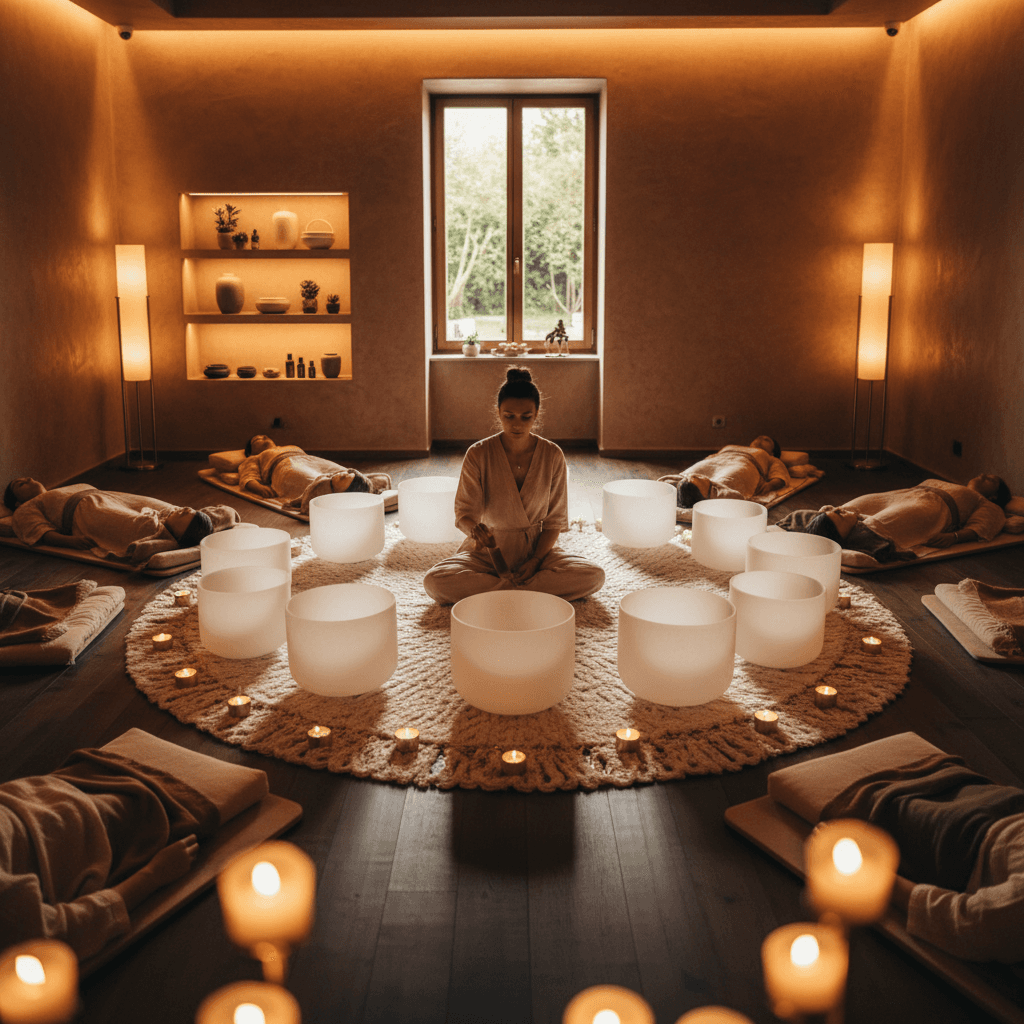
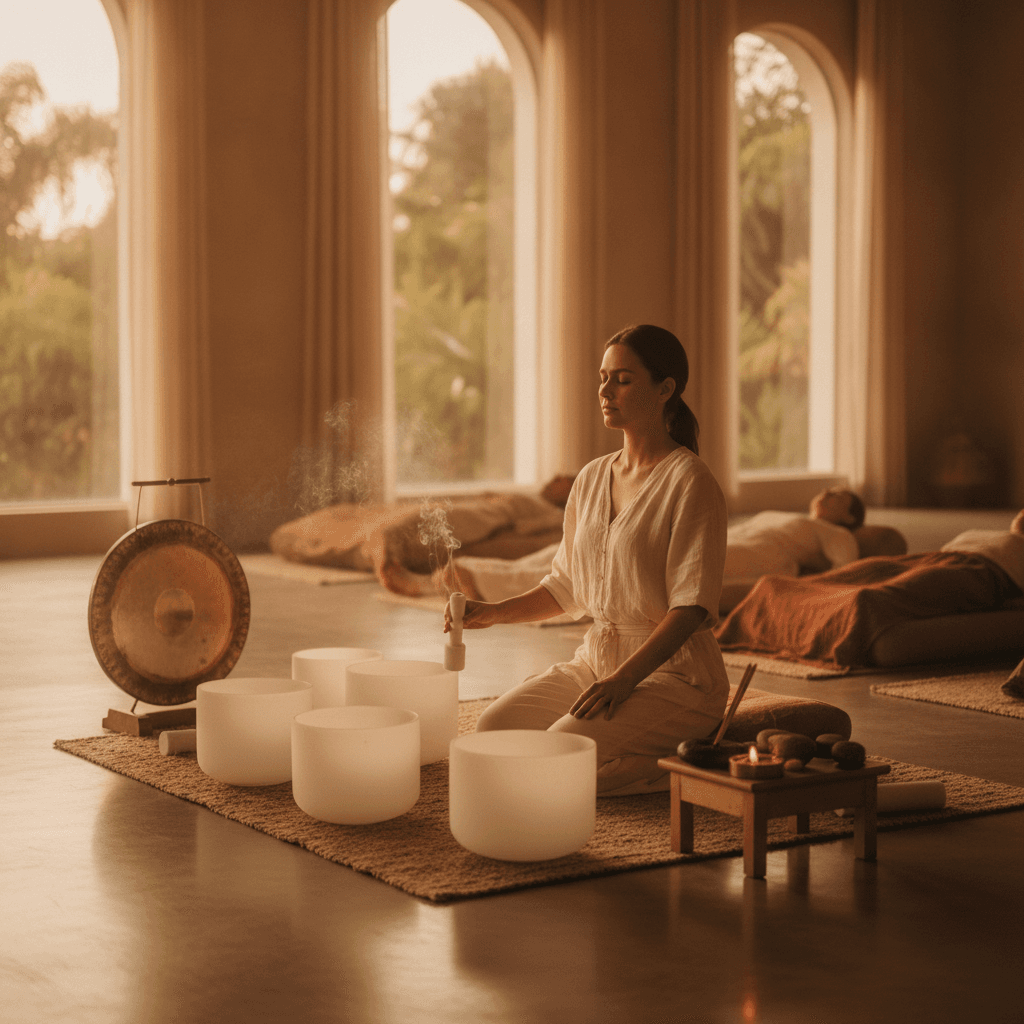
When clients at Soul Art enter a session, they are invited into an intentional space designed for deep relaxation and self-discovery. The use of culturally referenced instruments – such as Tibetan singing bowls, gongs, or certain types of drums – is never arbitrary. Each instrument, if it has a specific cultural origin, is chosen with an understanding of its heritage and traditional purpose. This approach ensures that the sounds delivered are not merely "exotic" but carry an authentic vibrational signature.
"True resonance isn't just about sound waves, it's about respectful waves of understanding and connection that ripple through cultures and into the soul."
The experience is designed to connect the individual with the universal aspects of sound while acknowledging its diverse cultural expressions. Clients may report feeling a profound sense of peace, a release of tension, or even a heightened state of awareness. These experiences are facilitated by the specific frequencies and overtone harmonics produced by the instruments, which can guide the brain into states conducive to relaxation and meditation, such as alpha and theta brainwave states. Many people report that engaging with sounds recognized for their deep spiritual or meditative qualities in various traditions can enhance their ability to quiet the mind and find inner stillness.
Our facilitators are trained to integrate sound in a way that is appreciative rather than appropriative. This means providing context where appropriate, sharing the history and significance of an instrument, and fostering an environment of learning and mutual respect. This careful integration promotes a sense of safety and authenticity for all participants. It moves beyond superficial engagement, transforming the practice into a rich, educational, and deeply personal journey. This sensitivity is crucial to ensure that wellness practices are culturally relevant and sound, actively preventing the imposition of personal beliefs or the prevalence of stereotypes (Villagran, 2022).
Larissa Steinbach's Vision: The Soul Art Method
At Soul Art, Larissa Steinbach has meticulously developed a wellness method that stands at the intersection of scientific understanding, intuitive practice, and profound cultural respect. The Soul Art Method is founded on the belief that while sound is a universal language, its dialects are diverse and deserve to be honored. This approach ensures that every session is not only deeply relaxing but also ethically sound and culturally sensitive.
Larissa Steinbach’s unique vision emphasizes intentionality and education. She carefully curates sound experiences, selecting instruments not just for their sonic qualities but also for their authentic heritage and the stories they carry. This includes traditional gongs and Himalayan singing bowls, each chosen for its rich history and proven capacity to facilitate deep meditative states. The selection process is a commitment to appreciating, rather than appropriating, these powerful tools.
The Soul Art Method integrates a diverse range of sound tools, always with a focus on their original applications and spiritual significance. Rather than simply using sounds for their acoustic effects, Larissa ensures that their cultural essence is understood and respected within the studio environment. This means sessions might incorporate specific breathing techniques or meditative practices that complement the vibrational experience, drawing from universal principles of mindfulness while maintaining cultural awareness.
What makes the Soul Art method truly unique is its dedication to creating a safe and inclusive space where everyone feels respected and seen. Larissa Steinbach and her team are committed to ongoing learning about the origins and proper handling of cultural instruments. They engage with communities and sources to understand the historical, environmental, and societal forces that form participants' cultural backgrounds and realities (Villagran, 2022). This ensures that the transformative power of sound is accessible to all, fostering a sense of connection and harmony that transcends cultural boundaries, contributing to a holistic wellness experience that nurtures both body and soul.
Cultivating Mindful Auditory Engagement: Your Journey
Embarking on a journey of sound wellness, especially when it involves cultural references, is a powerful path to self-discovery and holistic wellbeing. Cultivating mindful auditory engagement means approaching sound with curiosity, respect, and an open heart. It’s about more than just receiving; it’s about engaging thoughtfully and intentionally.
Here are your next steps to deepen your connection with sound respectfully:
- Educate Yourself: Take the time to learn about the origins and traditional uses of the sounds and instruments you encounter in wellness practices. Understanding their history fosters genuine appreciation. Many wellness providers, like Soul Art, offer insights into the instruments they use.
- Practice Active Listening: Go beyond passive hearing. Pay attention to the subtle textures, harmonics, and emotional qualities of sounds. Reflect on how they make you feel and what they evoke without imposing preconceived notions.
- Seek Authentic Experiences: Choose wellness studios and practitioners who demonstrate a clear commitment to cultural respect and ethical sourcing of instruments. Look for those who prioritize education and appreciation over mere aesthetic appeal.
- Reflect on Your Intent: Before engaging with a culturally referenced sound, consider your own intentions. Are you approaching it with reverence and a desire to connect, or merely as a tool for personal gain? Purity of intent elevates the experience for everyone.
- Embrace the Universal and the Specific: Recognize that while sound’s ability to soothe and transform is universal, its expressions are uniquely diverse. Appreciate both the shared human experience and the distinct cultural narratives woven into each sound tradition.
Engaging with cultural sound references mindfully can enrich your wellness journey immeasurably. It connects you to a global tapestry of wisdom and healing, reinforcing the idea that peace and harmony can be found through respectful exchange. If you're ready to explore these profound experiences, consider booking a session with us.
In Summary: Embracing Sound with Integrity
The judicious and respectful use of cultural sound references is not merely an ethical imperative; it is fundamental to effective and authentic sound wellness. By understanding the scientific interplay between sound, brain, and culture, we unlock deeper potentials for relaxation and personal growth. Our approach at Soul Art emphasizes education, intentionality, and a profound respect for the diverse traditions that enrich our auditory landscape.
Larissa Steinbach’s vision ensures that every sound journey at Soul Art is a step towards holistic harmony, honoring the origins and power of each instrument. We invite you to explore this mindful path, where sound becomes a bridge to deeper self-awareness and a respectful connection to global wisdom. Discover the transformative power of sound, delivered with integrity and care, and restore your nervous system in a truly meaningful way.
Bookings Coming Soon
Soul Art is still in preparation. Session details and booking will be published here after launch.
Coming Soon
Related Articles
The Science of Connection: Call and Response Chanting for Wellness
Deepen Your Bond: Couples Breath & Tone Practice at Soul Art
Harmonize Your Voice: Humming for Public Speaking Nerves