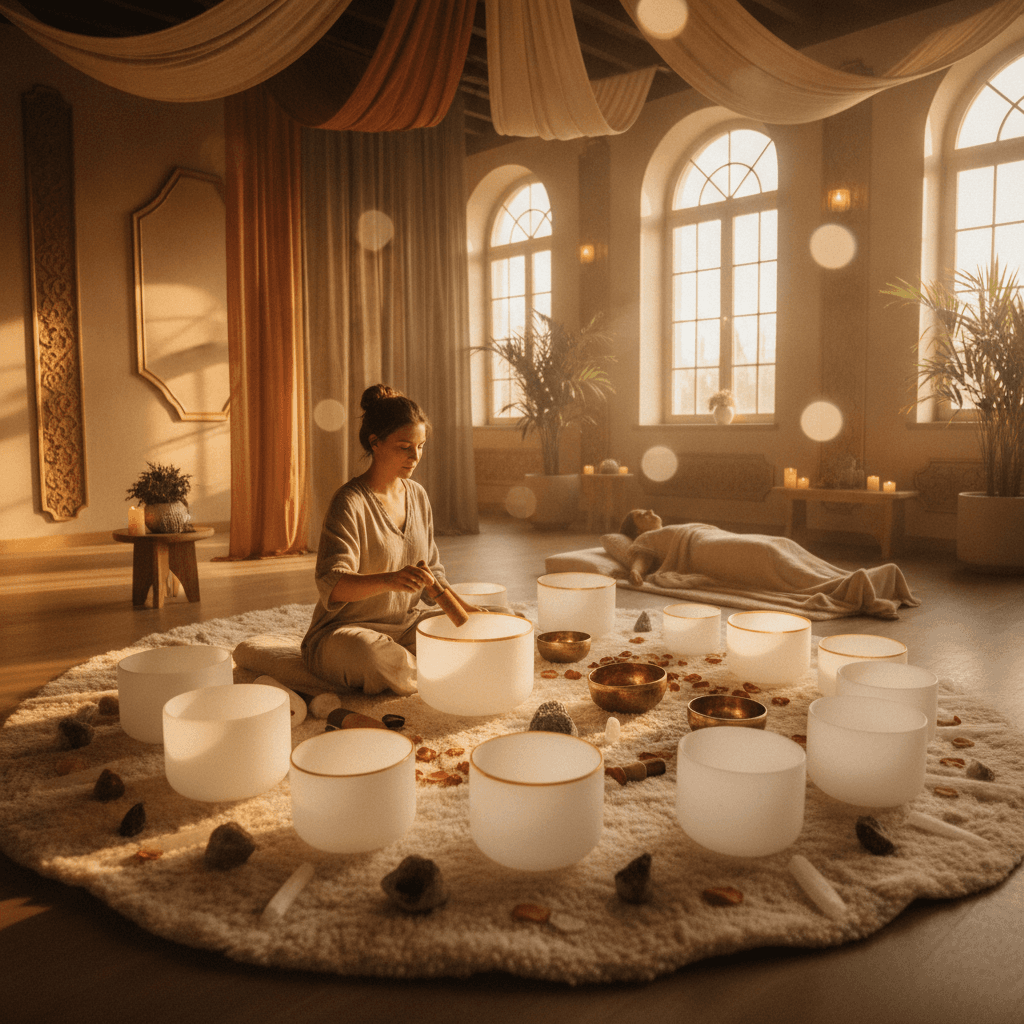
Mastering Your Space: Preparing a Room for Premium Sound Wellness
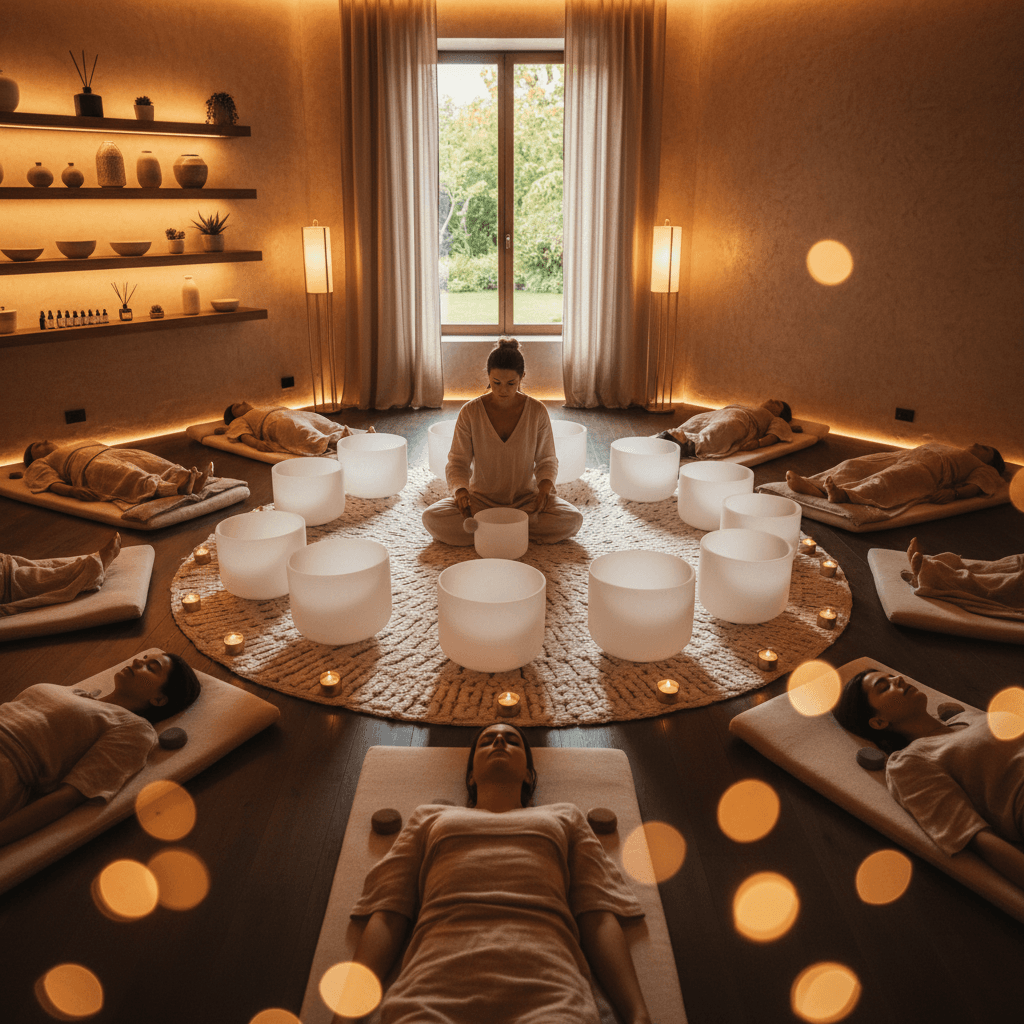
Key Insights
Unlock unparalleled depth in sound wellness. Learn the science of room preparation with Soul Art Dubai and Larissa Steinbach for transformative relaxation.
Have you ever noticed how the same piece of music or sound experience can feel profoundly different depending on the room you are in? It’s not just your imagination; the very architecture and contents of a space deeply influence how sound waves behave and how they ultimately impact your being. This often overlooked aspect is paramount in achieving a truly transformative sound wellness session.
At Soul Art Dubai, we understand that a premium sound experience extends far beyond the instruments themselves. It encompasses the entire environment, meticulously crafted to enhance resonance, clarity, and the profound relaxation that vibrational therapy offers. Preparing a room for sound wellness is both an art and a science, a subtle orchestration that amplifies the benefits for your nervous system and overall well-being.
This article delves into the scientific principles and practical steps involved in optimizing a space for sound. We will explore how thoughtful room preparation, a cornerstone of the Soul Art approach pioneered by Larissa Steinbach, can elevate your journey into deep relaxation and inner harmony. Understanding these elements can unlock an unparalleled depth in your personal wellness practice.
The Science Explained
The pursuit of pristine sound is a journey into the intricate physics of acoustics. Every room, by its very design and contents, becomes an instrument in itself, shaping the sound waves that travel within it. Understanding these interactions is fundamental to creating an environment that supports deep relaxation and optimal sound wellness.
Understanding Sound Wave Behavior
Sound waves are essentially vibrations that propagate through a medium, such as air, reaching our ears and impacting our bodies. When these waves encounter surfaces like walls, floors, and ceilings, they can be reflected, absorbed, or diffused. The interplay of these phenomena dictates the acoustic character of a room.
Reflection occurs when sound waves bounce off hard, flat surfaces, often leading to echoes and reverberation. Absorption happens when materials convert sound energy into heat, reducing reflections. Diffusion scatters sound waves in multiple directions, helping to maintain a lively sound while minimizing harsh reflections.
The Challenge of Standing Waves and Room Modes
One of the most significant acoustic challenges in any enclosed space is the formation of standing waves, also known as room modes. These occur when sound waves reflect between parallel surfaces, causing specific frequencies to be reinforced (creating peaks) or cancelled out (creating nulls). This phenomenon is particularly problematic for lower frequencies, leading to an uneven and unbalanced sound experience.
Imagine a jump rope; if you're at the ends, motion is minimal, but in the middle, it's maximum. Sound waves behave similarly within a room. PS Audio suggests that placing speakers and listening positions at about one-third or two-thirds points of a room's dimensions can help manage these standing waves more effectively, as these positions are typically not at the peaks or nulls.
Speaker-Boundary Interference Response (SBIR)
Another critical factor is Speaker-Boundary Interference Response (SBIR). This occurs when sound radiating directly from a speaker combines with its reflection off a nearby surface, most notably the wall behind the speaker. The interference between these direct and reflected sounds can cause significant cancellations or boosts in certain bass frequencies, creating an unbalanced sound profile.
GIK Acoustics highlights a "danger zone" for speaker placement, typically when speakers are positioned between a few inches and three to four feet from the front wall. Placing speakers either very close to the wall or at least three to four feet away can help mitigate the most severe SBIR problems. The goal is to minimize the destructive interference that can muddy the sound and diminish clarity.
The Psychoacoustic Impact of a Prepared Room
Beyond the physics, the human brain’s perception of sound, or psychoacoustics, plays a vital role in our experience. A room with excessive reflections can sound "live" or "boomy," while one with too much absorption can feel "dead" or "unnatural." Both extremes can hinder the deep relaxation sought in sound wellness.
A balanced acoustic environment allows the brain to process sound more efficiently, reducing cognitive load and fostering a sense of calm. When frequencies are delivered with clarity and balance, the subtle nuances of vibrational instruments, like crystal singing bowls and gongs, can be fully appreciated, supporting deeper states of meditative focus and emotional release. Some research suggests that coherent sound fields may support enhanced neural entrainment and promote a more profound relaxation response.
How It Works in Practice
Translating acoustic science into a practical, transformative sound wellness experience requires careful attention to detail. Every element within the room contributes to the overall sonic landscape, impacting how vibrational frequencies are perceived and absorbed by the body. Larissa Steinbach’s Soul Art method meticulously applies these principles to craft spaces designed for optimal well-being.
Crafting the Optimal Listening Sweet Spot
The core of any premium sound session is the listening position, often referred to as the sweet spot. For stereo sound, the aim is to create an equilateral triangle between the two speakers and your ears. This ensures that the direct sound from each speaker arrives at your ears simultaneously and with equal intensity, creating a focused and stable stereo image.
Positioning your seat effectively manages room modes, particularly in the bass frequencies. The "38% rule," proposed by studio designer Wes Lachot, suggests that an optimal listening position in a rectangular room is approximately 38% of the way from the shortest wall. This placement typically aligns with smoother low-frequency responses, avoiding common bass nulls found in the exact center of a room or too close to a back wall.
Strategic Speaker Placement and Symmetry
Speaker placement is paramount for a balanced and immersive experience. Symmetry is key; both speakers should be at equal distances from side walls to ensure a balanced stereo image. Uneven distances can skew the soundstage, making it feel lopsided.
To mitigate SBIR, avoid placing speakers in the "danger zone." As a general rule, position speakers either very close to the front wall (a few inches) or at least three to four feet away. This strategy helps to manage the interference between direct and reflected sound, particularly in the lower mid-range and bass frequencies. A slight toe-in, angling the speakers inward towards the listening position, can further enhance stereo imaging and clarity, often aiming them just slightly behind your head for a wider soundstage.
Elevating Sound with Isolation and Stands
For systems utilizing bookshelf speakers or smaller full-range transducers, the use of proper stands or isolation pads is crucial. These accessories elevate the speakers to ear level, ensuring that the high-frequency drivers (tweeters) are optimally aligned with your ears. More importantly, they decouple the speakers from the floor or furniture, preventing vibrations from being transmitted through surfaces and muddying the sound.
Isolation minimizes unwanted resonances and ensures that the sound you hear is purely from the speaker's drivers, enhancing clarity and detail. This detail is especially important in sound wellness, where the subtle nuances and harmonics of instruments carry significant vibrational information.
Thoughtful Acoustic Treatment and Materials
While full acoustic treatment can be complex, incorporating thoughtful elements can significantly improve any room. Broadband absorption panels placed at primary reflection points (where sound first bounces off walls between the speakers and listener) reduce harsh reflections and control reverberation. Bass traps, often placed in corners, are effective at managing problematic low-frequency standing waves.
Materials within the room also play a role. Soft furnishings like thick rugs, heavy curtains, and upholstered furniture naturally absorb sound. Conversely, large, flat, hard surfaces like glass, bare walls, and hardwood floors are highly reflective. A balanced approach ensures a pleasant acoustic environment that supports focused listening without feeling overly damped or overly resonant.
The Soul Art Approach
At Soul Art Dubai, the preparation of a room for a sound wellness session is not merely a technical exercise; it is an integral part of the holistic journey we offer. Larissa Steinbach, our founder, understands that the environment itself is a co-creator in the healing experience, meticulously curated to deepen relaxation and vibrational absorption. Our approach transcends basic acoustics, weaving together science, aesthetics, and intention.
Larissa Steinbach’s philosophy centers on creating a sanctuary where every sensory input is harmonized. This means going beyond speaker placement and absorption panels to consider the subtle yet profound impact of the entire space. The room is prepared as a vessel for vibrational energy, ensuring that the frequencies from our specialized instruments can truly permeate and resonate with each client.
Beyond Acoustics: A Holistic Sensory Experience
While acoustic principles are foundational, the Soul Art method integrates a broader spectrum of sensory considerations. Lighting is carefully controlled to be soft and ambient, avoiding harshness that can stimulate the nervous system. Natural light, when available, is diffused to create a gentle, calming glow. The temperature is set to a comfortable warmth, and the air quality is pristine, sometimes infused with subtle, calming aromas derived from natural essential oils.
These elements collectively reduce external distractions and psychological barriers, allowing the mind to quiet and the body to relax more profoundly. The intention behind these choices is to cultivate an immediate sense of peace and safety, preparing clients for the deep work of sound immersion.
Customization and Personalized Harmony
Every Soul Art session, especially the premium private experiences, begins with an understanding of the individual client's needs and the nuances of the space. While our primary studio space is acoustically optimized, for bespoke sessions in other locations, Larissa Steinbach and her team employ their expertise to make specific recommendations. This might include subtle adjustments to furniture, the strategic placement of cushions and blankets, or identifying the optimal "sweet spot" within a new environment.
This customized approach ensures that the sound waves interact favorably with the unique dimensions and materials of any given room, delivering consistent, high-fidelity vibrational experiences. It’s about adapting the science to suit the individual context, ensuring optimal frequency transmission.
The Power of Specialized Instruments in a Prepared Space
The effectiveness of Soul Art's specialized instruments—such as Nepalese gongs, pure quartz crystal singing bowls, and tuning forks—is exponentially enhanced by a well-prepared room. In an acoustically balanced environment, the rich overtones and complex harmonics of these instruments are allowed to unfold fully, without being masked by unwanted reflections or cancellations.
This clarity enables the frequencies to reach the body with greater integrity, supporting a more potent cellular and energetic response. Many people report that in a finely tuned space, the sound feels more "enveloping" and "visceral," leading to deeper states of relaxation, mental clarity, and emotional release. The prepared room becomes an extension of the instrument itself, amplifying its innate capacity for therapeutic impact.
"A truly prepared space does not just house the sound; it actively participates in its creation and reception. It becomes an invisible instrument, guiding the frequencies to resonate perfectly within you." – Larissa Steinbach
Your Next Steps
Embarking on a journey of enhanced sound wellness begins with mindful attention to your immediate environment. Even without professional acoustic treatment, there are significant steps you can take to improve your personal space for relaxation and sound immersion. These practical adjustments, inspired by the Soul Art approach, can profoundly enhance your at-home sound experiences.
Here are some actionable steps you can implement today to prepare your room for a premium sound session:
- Declutter and Simplify: Begin by clearing unnecessary objects from your space. Visual clutter can be a mental distraction, while physical clutter can create irregular reflective surfaces. A clean, organized room promotes a clearer mind and allows sound to propagate more evenly.
- Identify Your Listening Sweet Spot: Experiment with your seating position. Try moving your chair or mat to about 38% of the room’s length from the front wall. Then, adjust your speakers to form an equilateral triangle with your listening position, ensuring symmetry from side walls.
- Incorporate Soft Furnishings: Utilize existing household items to absorb sound reflections. Place a thick rug on a hard floor, hang heavy curtains over windows, and strategically use throw pillows, blankets, or upholstered furniture. These elements will help dampen harsh echoes and create a warmer, more inviting acoustic environment.
- Manage Speaker-to-Wall Distances: If using external speakers, experiment with their distance from the front wall. Try placing them either very close (a few inches) or at least three to four feet away to mitigate problematic bass cancellations. Even small adjustments can make a noticeable difference in sound clarity.
- Minimize External Noise: Identify and address sources of external noise. Close windows and doors, turn off buzzing electronics, or use soft background white noise if complete silence is unattainable. A quieter environment allows the subtle frequencies of sound wellness to be fully appreciated.
Remember, even small changes can contribute significantly to the acoustic comfort of your room. Experiment with these tips to discover what works best for your space and your personal well-being. For the ultimate, professionally curated experience, consider a session with Larissa Steinbach at Soul Art, where every detail is meticulously honed for your deep relaxation.
In Summary
The power of sound wellness is profoundly amplified by the environment in which it is experienced. As we have explored, meticulously preparing a room for a sound session is not just about aesthetics; it is a scientifically grounded practice that addresses complex acoustic principles like standing waves and SBIR. This careful orchestration of space ensures that sound frequencies are delivered with optimal clarity and balance, fostering deeper relaxation and more profound well-being.
At Soul Art Dubai, Larissa Steinbach integrates these scientific insights with a holistic approach, creating sanctuaries where every sensory detail contributes to an unparalleled vibrational experience. By understanding and applying principles of speaker placement, room geometry, and thoughtful acoustic adjustments, you can transform any space into a haven for sound. Whether through subtle home adjustments or a professionally curated Soul Art session, optimizing your environment is a powerful step towards unlocking the full, transformative potential of sound.
Bookings Coming Soon
Soul Art is still in preparation. Session details and booking will be published here after launch.
Coming Soon
Wellness Disclaimer: This article is for educational and informational purposes only. It does not constitute medical advice, diagnosis, or treatment. Soul Art Dubai provides non-medical wellness experiences focused on relaxation, stress management, and general wellbeing. Sound wellness is a complementary practice and should not replace professional medical care.
Related Articles

Choosing Your Sound Sanctuary: A Guide to Premium Sound Baths in Dubai
Create a Spa Atmosphere at Home with Sound Wellness
Discreet Resonance: Premier Wellness for Public Figures in Dubai