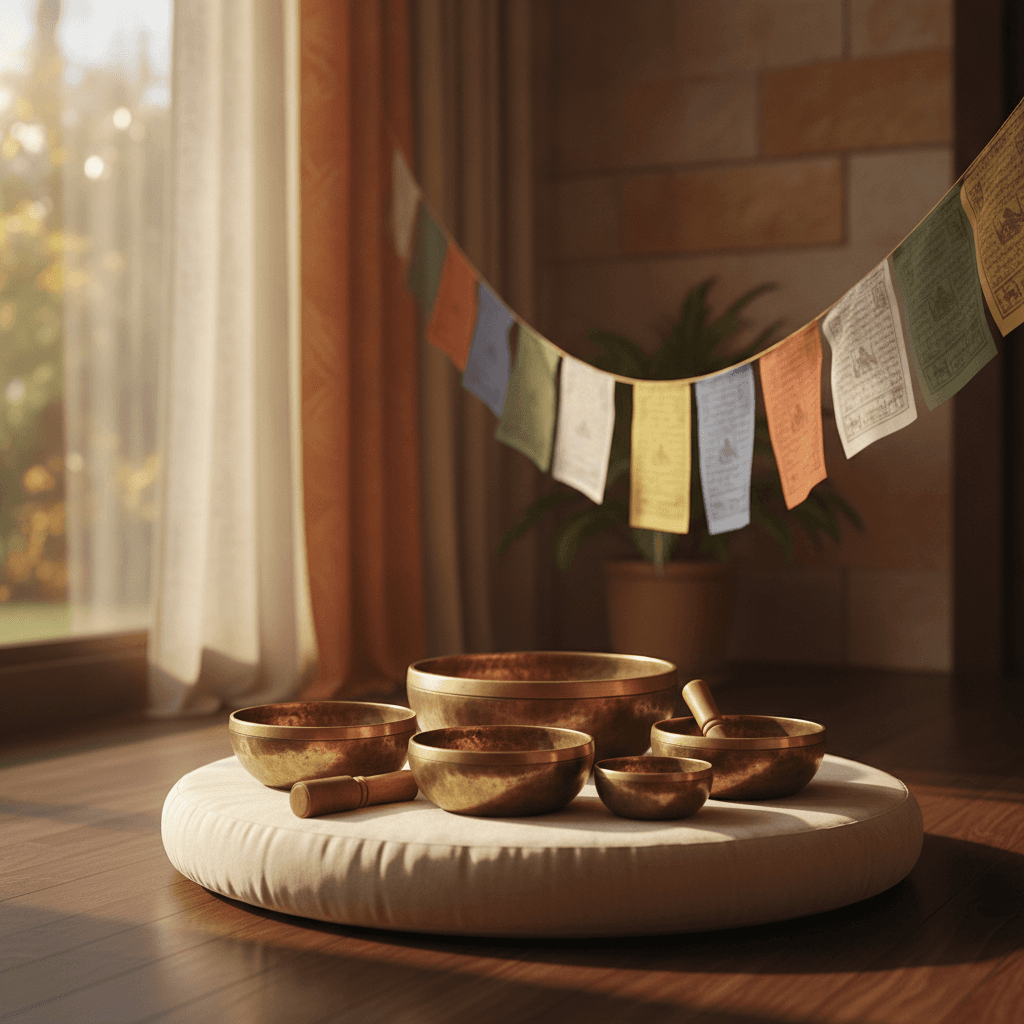
Beyond the Bowl: How Room Acoustics Elevate Your Sound Journey
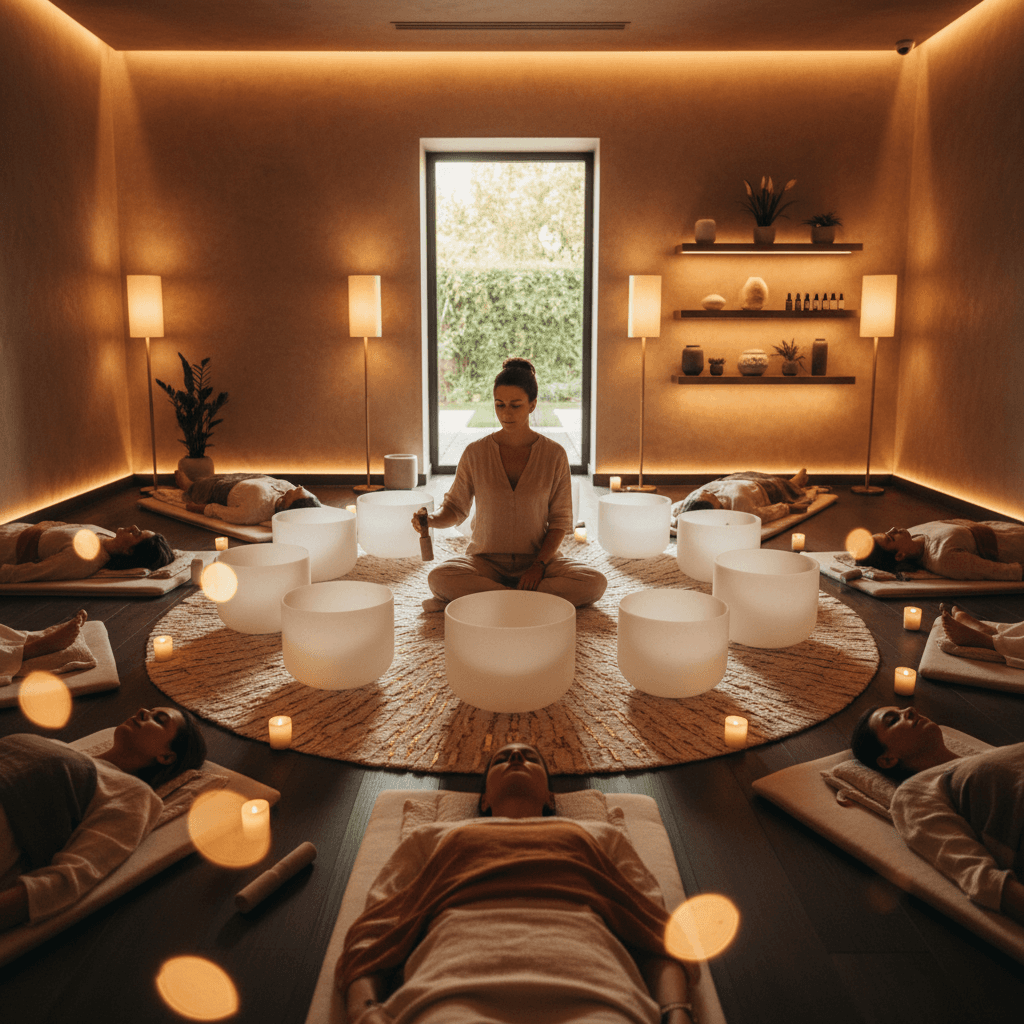
Key Insights
Discover how room acoustics profoundly shape the healing sound of singing bowls. Larissa Steinbach and Soul Art explain the science behind creating a perfectly resonant sanctuary in Dubai.
Compelling Introduction
Have you ever noticed how the same song sounds dramatically different when played in a grand concert hall versus a small, tiled bathroom? The instrument, the music, and the musician remain constant, yet the experience is transformed. This profound shift is due to room acoustics – the invisible architecture of sound. When it comes to the ethereal vibrations of singing bowls, these acoustic nuances are not just subtle enhancements; they are fundamental to unlocking the instrument's full potential for deep relaxation and holistic wellbeing.
At Soul Art, Larissa Steinbach believes that every aspect of your sound journey contributes to its transformative power. While the craftsmanship of a singing bowl, the mallet used, and even the addition of water profoundly influence its initial sound, the space in which it resonates is equally critical. This article will delve into the fascinating science of how room acoustics subtly, yet powerfully, redefine the singing bowl experience, offering a sanctuary where every vibration is felt, not just heard, for profound self-care and stress management.
Understanding the interplay between a singing bowl and its environment allows for a richer, more immersive practice. It’s about creating an optimal soundscape where the complex harmonics and sustained resonance of the bowls can truly flourish, guiding you toward a state of inner peace. Join us as we explore how the very air around us becomes an extension of the instrument, shaping a unique pathway to wellness.
The Science Explained
The journey of sound from a singing bowl to your ears is a complex dance of physics, beginning with the bowl itself and culminating in its interaction with the surrounding environment. To truly appreciate the role of room acoustics, we must first understand the intricate mechanisms by which singing bowls produce their captivating sounds. These instruments are not merely struck objects; they are sophisticated vibratory systems that generate a rich tapestry of tones.
The Inner Workings of a Singing Bowl
When a singing bowl is played – either by striking or rubbing its rim with a mallet – its metallic structure begins to vibrate. Research, such as studies cited by Shanti Bowl and The Little Tibet, reveals that the rim oscillates, switching between slightly oval shapes. This dynamic movement transfers energy, creating sound waves that travel through the air. The specific note we perceive from a singing bowl is influenced by numerous factors, including its size, shape, weight, and the precise alloy of metals (suchrup as copper, tin, zinc, iron) from which it is crafted. Crystal bowls, for instance, naturally produce a different sonic signature than traditional bronze alloy bowls.
The mallets themselves play a crucial role, with wooden, felt, or padded options yielding distinct tonal qualities. Adding water to a bowl further complicates this intricate physics, often lowering the frequency and creating a deeper, longer-lasting resonance. This phenomenon is directly tied to the fact that water is more challenging to vibrate than air, altering the bowl’s natural modes of oscillation. Some studies have even observed the formation of Faraday waves – intricate wave patterns and bouncing water droplets – on the surface of water within a vibrating bowl, showcasing the profound energy transfer at play. The overall sound can be a complex blend of multiple vibrating patterns or, when rubbed with a puja, can be distilled into a remarkably pure, single tone, as explored by the Acoustical Society of America.
The Invisible Hand of Room Acoustics
Once sound leaves the bowl, it embarks on a journey through the surrounding space, where its characteristics are profoundly modified by the room's acoustic properties. Room acoustics refers to how sound waves behave within an enclosed area, influencing everything from clarity and loudness to the perceived richness and decay of a sound. For the subtle, sustained tones of singing bowls, this interaction is paramount.
Reverberation and Decay
One of the most significant acoustic factors is reverberation. This describes the persistence of sound in a space after the original sound source has stopped. Imagine a sound wave bouncing off walls, ceilings, and floors; each bounce loses a small amount of energy but contributes to the overall lingering sound. In a highly reflective room, such as one with hard, bare surfaces, reverberation times are long. The sustained resonance of a singing bowl can become muddled, with subsequent strikes or rubs overlapping excessively, blurring the distinct harmonics and potentially creating an overwhelming sonic environment. Conversely, a room with too much sound absorption might stifle the bowl's natural resonance, making its sound seem dry and short-lived, lacking the ethereal quality that makes it so potent for relaxation. The goal for singing bowls is a balanced reverberation, allowing the sound to gently decay, creating an enveloping effect without sacrificing clarity.
Sound Absorption and Reflection
The materials present in a room directly determine its absorptive and reflective properties. Hard surfaces like concrete, glass, and ceramic tiles are highly reflective, causing sound waves to bounce back with minimal energy loss. Soft furnishings such as carpets, curtains, upholstered furniture, and specialized acoustic panels are absorptive, converting sound energy into heat and preventing reflections. An ideal acoustic environment for singing bowls incorporates a strategic balance. Reflective surfaces can help distribute sound evenly, while absorptive elements prevent excessive echo and muddying. This careful calibration ensures that the nuanced overtones and the pure, sustained pitch of the bowl are not lost or distorted, but rather allowed to bloom fully.
Standing Waves and Resonance Modes
Every room has its own natural resonant frequencies, determined by its dimensions. When sound waves at these specific frequencies are introduced, they can create standing waves, where sound energy accumulates and amplifies in certain areas while cancelling out in others. This can lead to uneven sound distribution, with some frequencies becoming unpleasantly loud and others disappearing entirely. For singing bowls, which produce a rich spectrum of fundamental tones and overtones, this can be problematic. A room's resonance modes might selectively amplify certain harmonics while diminishing others, altering the perceived character of the bowl's sound. A well-designed acoustic space aims to minimize these unwanted standing waves, ensuring a consistent and balanced sonic experience throughout the room.
Noise Floor and Interference
Beyond the internal acoustics, the ambient noise level, or noise floor, of a room also profoundly impacts the singing bowl experience. External sounds – traffic, air conditioning units, even distant conversations – can interfere with the delicate, subtle vibrations of the bowls. As noted in common mistakes for playing singing bowls, "The white noise created by fans can be a real deal breaker if you want the audience to appreciate all the fine nuances of your instruments." A quiet, controlled environment allows the full spectrum of the bowl's sound to be perceived, including the often-overlooked higher harmonics and the gentle decay of its resonance. Minimizing external interference is crucial for an immersive and deeply relaxing sound journey.
In essence, while the bowl initiates the sound, the room completes its expression. Optimal acoustics allow the complex, multifaceted sounds of singing bowls to be heard in their purest, most resonant form, enhancing their capacity to impact our physiological and psychological states for deep relaxation.
How It Works in Practice
Connecting the scientific principles of sound and space to the lived experience of a sound wellness session reveals why acoustics are so vital. When room acoustics are harmonized with the intricate sounds of singing bowls, the client's journey shifts from merely hearing sound to profoundly feeling vibration. This distinction is crucial for facilitating the deeper states of relaxation and recalibration that sound wellness offers.
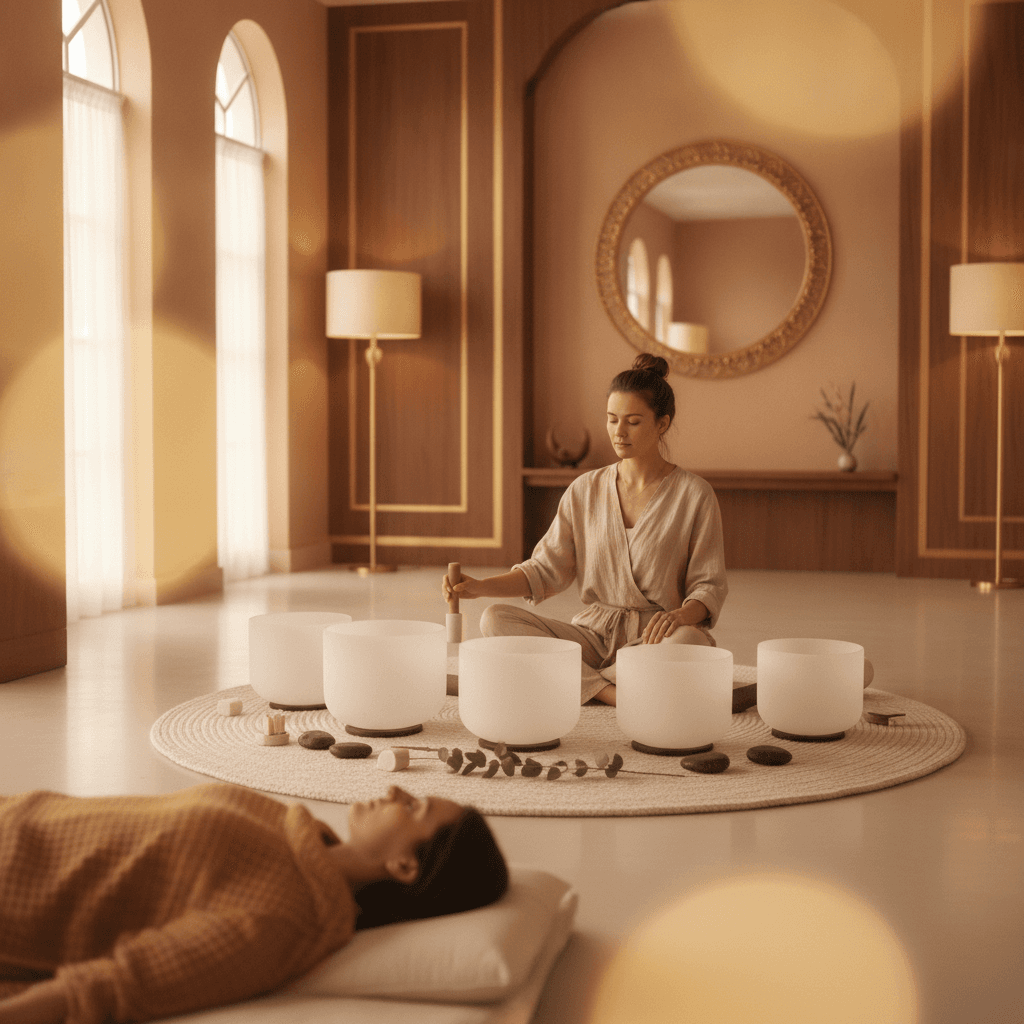
In a carefully curated acoustic environment, the singing bowl's sound is clear, immersive, and expansive. The initial strike or rub generates a pure, fundamental tone, followed by a rich tapestry of overtones that gently bloom and then gracefully decay. This sustained, enveloping resonance allows the listener to fully engage with each vibration. Instead of a muddy echo or a rapidly diminishing sound, the carefully managed reverberation permits the sound waves to wash over the body, creating a sense of being bathed in frequency. Many people report feeling these vibrations move through their skin, fluid, and bones, promoting a full-body relaxation down to the cellular level.
The absence of distracting external noise or harsh, reflective echoes ensures that the brain can easily entrain to the soothing frequencies of the bowls. When a room supports optimal sound diffusion, the sound appears to come from everywhere and nowhere, creating an omnidirectional sensory experience that is deeply calming and non-linear. This can help to quiet the analytical mind, allowing individuals to transition more readily into meditative or theta brainwave states. The gentle, rhythmic changes in volume and pitch, inherent in how a bowl is played and how its vibrations move, become distinct and impactful rather than being lost in acoustic clutter.
"The true magic of singing bowls is not just in the tones they produce, but in how those tones are allowed to breathe, expand, and embrace us within the space we create for them."
Clients in a well-tuned acoustic space often describe an immediate sense of peace and a noticeable shift in their mental state. The quality of mind transitions from activity and preoccupation to stillness and calm. This immersive sonic environment promotes the activation of the parasympathetic nervous system, shifting the body out of "fight or flight" mode and into "rest and digest." The subtle binaural beats that some theories propose are generated by bowls, which propel the brain into deep relaxation states, are far more effective in an acoustically optimized room where their delicate hertz differences can be clearly perceived. Ultimately, the right room acoustics transform a sound session into a truly potent and restorative experience, where the body’s natural resonant frequency is gently encouraged to return to balance.
The Soul Art Approach
At Soul Art, the understanding that the environment is an extension of the instrument forms the cornerstone of our unique sound wellness methodology. Larissa Steinbach, our founder and lead practitioner, brings a meticulous scientific approach to creating truly transformative soundscapes, ensuring that every detail, from the selection of the bowls to the design of the studio, is optimized for profound healing and relaxation. This commitment to acoustic excellence is what sets the Soul Art experience apart in Dubai.
Larissa's expertise extends beyond merely playing the bowls; she curates the entire sonic environment. The Soul Art studio spaces are not just rooms; they are carefully engineered acoustic sanctuaries. This involves a deliberate selection of materials that balance absorption and reflection, ensuring that the rich harmonics of our singing bowls can fully resonate without becoming muddy or attenuated. We use specialized acoustic panels and thoughtful interior design elements to manage reverberation times, allowing the sound to gently decay and create an enveloping, sustained experience without distracting echoes. The goal is to create a sense of being immersed in pure vibration, where every nuance of the bowl's complex sound signature can be felt and appreciated.
Furthermore, Larissa Steinbach meticulously considers the ambient noise floor. Our studios are strategically designed to minimize external interference, providing a quiet backdrop against which the delicate frequencies of the singing bowls can truly shine. This allows for a deeper level of auditory focus and sensory immersion, which is critical for brainwave entrainment and activating the parasympathetic nervous system. Whether it's the gentle hum of a large bronze bowl or the crystalline clarity of a quartz bowl, each instrument's unique voice is honored and enhanced by the acoustic integrity of the space.
The Soul Art method integrates this acoustic mastery with a nuanced understanding of different bowl types, mallets, and playing techniques. Larissa customizes each session, selecting instruments whose vibrational profiles are best amplified by the specific studio acoustics, and tailoring her approach to the unique needs of each client. This intentional creation of an optimal sound journey ensures that the sound waves not only fill the room but also penetrate and recalibrate the body, supporting deep stress management and emotional release. It is a holistic approach where the science of sound meets the art of wellness, fostering an environment where clients can truly surrender to the profound benefits of sound vibration.
Your Next Steps
Understanding the profound impact of room acoustics on your singing bowl experience is the first step toward a more enriched wellness journey. Whether you are exploring sound baths for the first time or seeking to deepen an existing practice, recognizing the importance of your sonic environment can significantly amplify the benefits. Here are some practical steps you can take today to elevate your engagement with sound wellness:
- Seek Acoustically Minded Practitioners: When choosing a sound wellness studio or practitioner, inquire about their approach to acoustics. Look for studios like Soul Art that prioritize environmental sound quality, as this indicates a deeper understanding of the practice's nuances and commitment to a superior experience.
- Be Mindful of Your Home Environment: If you practice with singing bowls at home, pay attention to your space. Experiment with soft furnishings, rugs, and curtains to reduce harsh echoes. Choose a quiet time and place, free from distractions like televisions, fans, or external noise, to allow the delicate vibrations to be fully perceived.
- Listen Actively and Attentively: During a sound session, whether in a professional studio or at home, practice active listening. Notice how the sound evolves, decays, and interacts with the room. Pay attention to the subtle shifts in frequency and the feeling of vibrations within your body. This heightened awareness deepens the meditative aspect of the practice.
- Explore Different Environments: Experience singing bowls in various settings, if possible. This can help you discern the differences in sound quality and how different acoustics affect your personal experience of relaxation and immersion. This exploration enhances your appreciation for a truly optimized sound sanctuary.
- Prioritize Professional Guidance: For the most profound and impactful experience, consider booking a session with an expert like Larissa Steinbach at Soul Art. Our expertly curated environment and personalized approach ensure that you receive the maximum benefit from every carefully calibrated vibration.
Ready to restore your nervous system and discover deep relaxation within a perfectly attuned sound sanctuary?
Bookings Coming Soon
Soul Art is still in preparation. Session details and booking will be published here after launch.
Coming Soon
In Summary
The captivating sounds of singing bowls offer a profound pathway to relaxation and holistic wellbeing. While the bowls themselves are marvels of vibrational physics, their full potential is unlocked only when complemented by an optimal acoustic environment. Room acoustics, encompassing factors like reverberation, absorption, reflection, and the absence of interference, profoundly shape how these ethereal vibrations are perceived and experienced. A finely tuned space allows the rich harmonics and sustained resonance of the bowls to truly flourish, promoting deeper immersion and more effective activation of the body's natural restorative processes. At Soul Art, Larissa Steinbach meticulously crafts these sonic sanctuaries, ensuring every sound journey is a transformative experience. We invite you to discover the unparalleled depth of sound wellness within an environment where every vibration is intentionally amplified for your ultimate peace and balance.
Related Articles
Unlock Harmonious Flow: Common Singing Bowl Mistakes to Avoid
Resonance Ready: Preparing a Sound Bowl Set for Private Client Well-being
Microphone Mastery: Recording Singing Bowls for Deeper Wellness