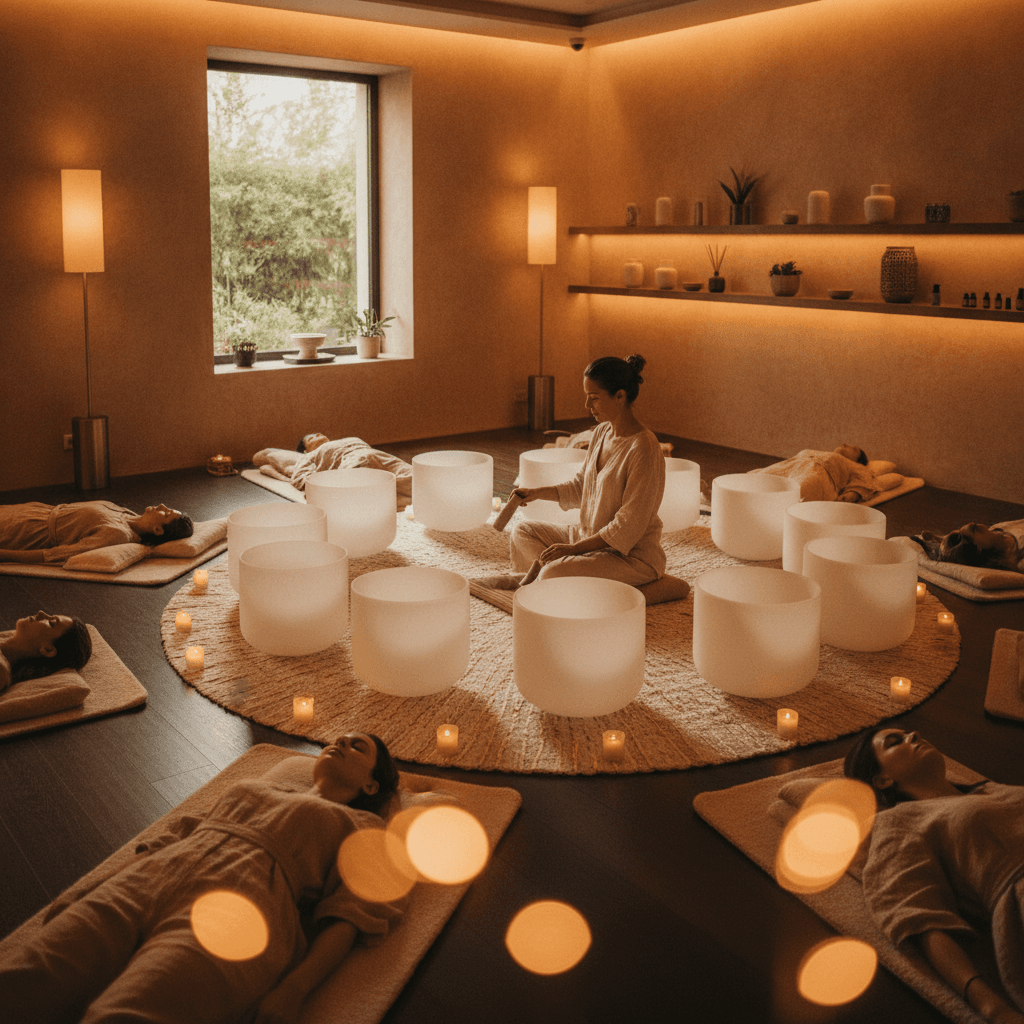
The Unseen Influence: How Practitioner Presence Elevates Your Sound Bath Experience
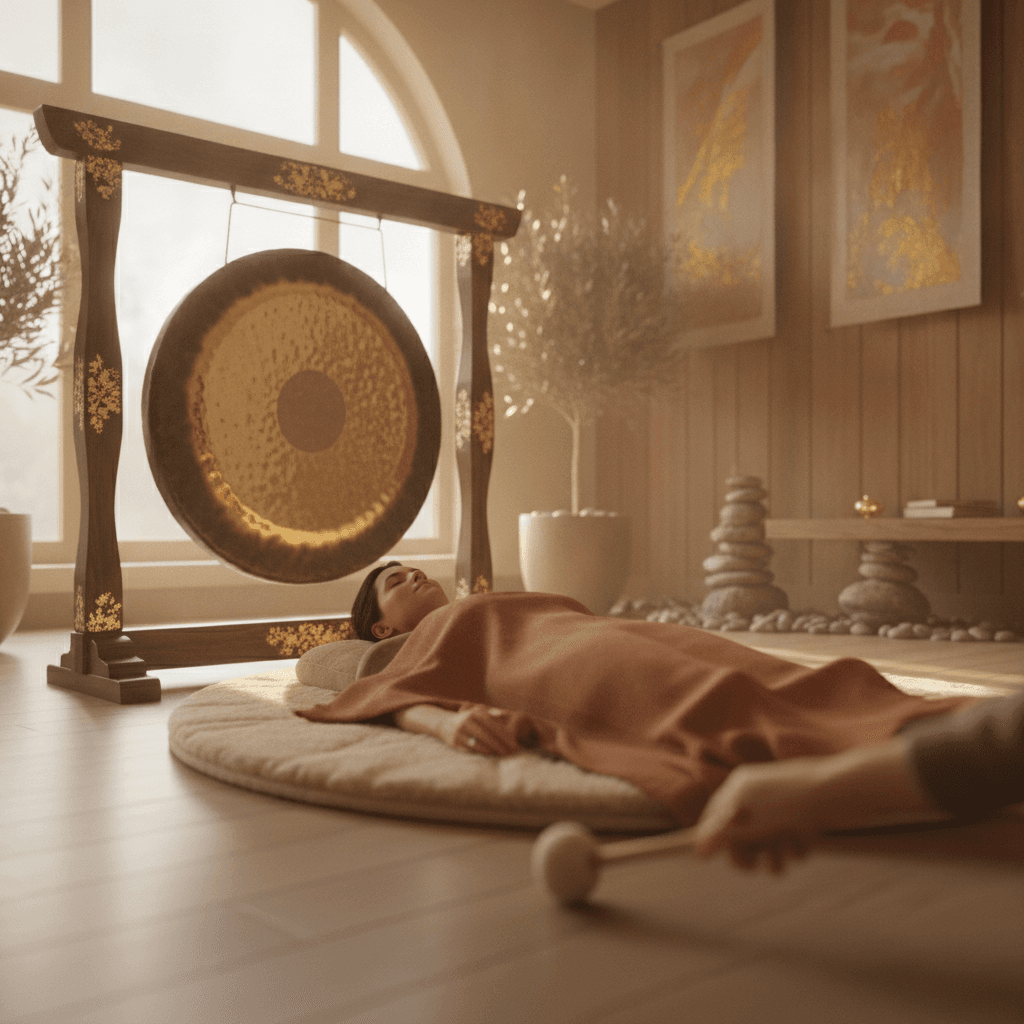
Key Insights
Explore the science behind sound baths and discover how the skilled presence of a practitioner, like Larissa Steinbach at Soul Art, profoundly shapes your wellness outcomes.
Have you ever wondered why some sound bath experiences feel more profound, more deeply restorative than others? While the resonant tones of crystal bowls and gongs are undoubtedly powerful, the full story of a transformative sound bath goes beyond the instruments themselves. It lies, in large part, in the subtle yet significant influence of the practitioner.
At Soul Art, Dubai's premier sound wellness studio, we believe that the presence, skill, and intention of the practitioner are crucial in shaping the effectiveness and depth of a sound bath. This article delves into the emerging understanding of how human elements, often considered immeasurable, play a vital role in our journey towards relaxation and holistic well-being. We will explore the scientific underpinnings of sound healing and connect them to the profound impact a skilled practitioner can have on your outcomes.
This exploration matters because understanding the nuances of a sound bath helps you appreciate the profound art and science behind this ancient practice. It empowers you to seek out experiences that resonate most deeply with your personal wellness goals, ensuring you receive the maximum benefit from your self-care investment.
The Science Explained: Beyond Just Sound Waves
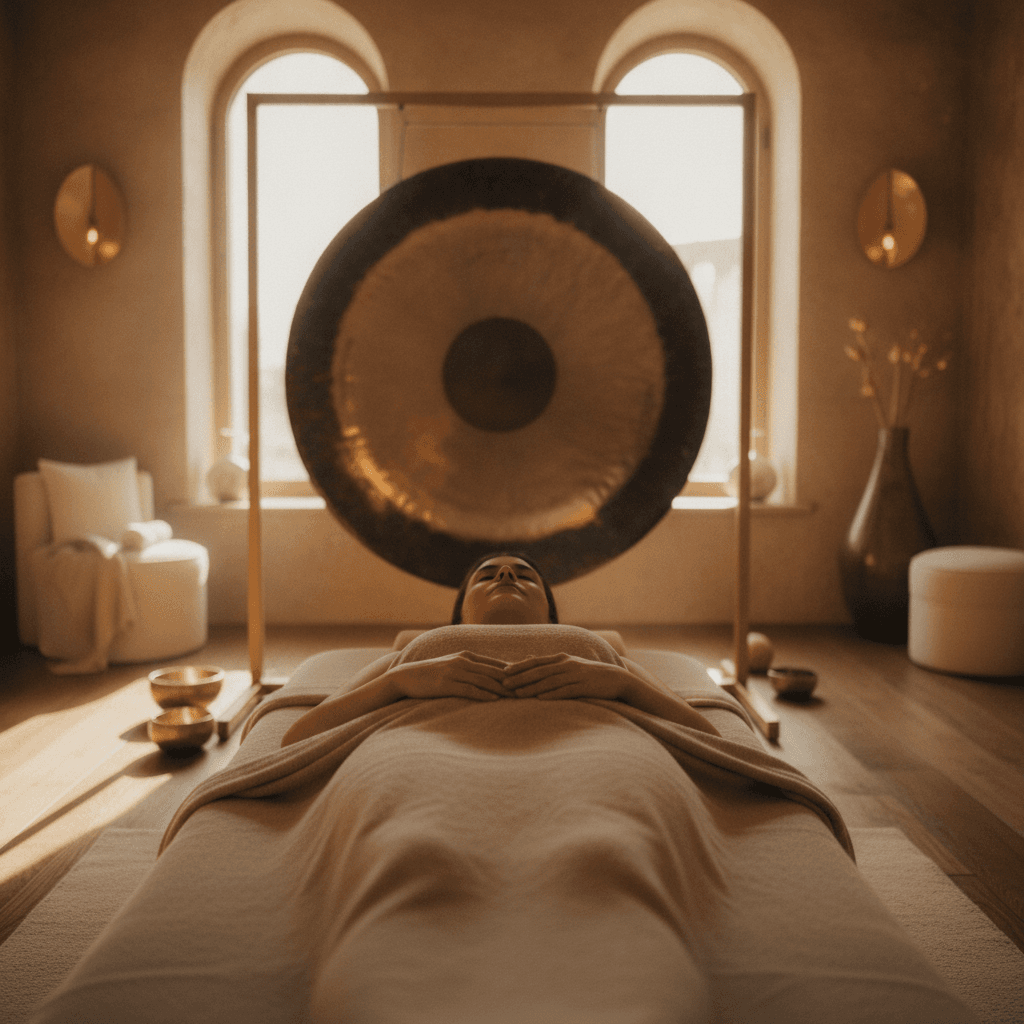
Sound baths are guided listening experiences where participants relax while a practitioner plays various resonant instruments. These instruments, such as Tibetan singing bowls, crystal bowls, gongs, and chimes, create immersive tones designed to encourage deep relaxation, reduce stress, and support introspection. It's a non-invasive wellness practice, typically lasting between 20 to 90 minutes, often enhanced with dim lighting and gentle verbal guidance.
The growing popularity of sound baths, with a reported 285% rise in recent years, is paralleled by increasing scientific interest. Researchers are beginning to unravel the complex mechanisms through which sound affects our bodies and minds, validating what ancient cultures have long understood about its therapeutic potential. Preliminary and growing evidence suggests sound bath therapy is a safe, low-risk tool for reducing subjective stress and promoting relaxation.
The Body's Physiological Response to Sound
When sound waves wash over us, they don't just register in our ears; they resonate throughout our entire being. Our bodies respond at a cellular level, translating auditory input into physiological changes. Key physiological benefits associated with sound include a reduction in stress levels, primarily by impacting the autonomic nervous system.
This impact often manifests as a shift from a sympathetic (fight-or-flight) state to a parasympathetic (rest-and-digest) state. Studies indicate that sound baths may lower cortisol levels, the primary stress hormone, leading to a more relaxed physiological state. Additionally, there is evidence to suggest that sound healing practices can contribute to lowering heart rate and blood pressure, promoting the body's natural healing and restorative processes.
Brainwave Entrainment and the Meditative State
One of the most compelling aspects of sound's effect on the brain is its ability to induce brainwave entrainment. This phenomenon occurs when brainwave frequencies begin to synchronize with the external rhythmic stimuli provided by the sound. During a sound bath, the carefully chosen frequencies and rhythms of the instruments can guide the brain into deeper states of relaxation.
Participants often transition from a high-frequency beta state (associated with active, waking consciousness) into lower frequency alpha (relaxed, creative) and theta (deep relaxation, meditation, light sleep) states. This "in-between" or liminal state, where one is neither fully asleep nor fully awake, is often described as a dreamlike or deeply meditative condition. It is within these states that the mind can quiet, tension can release, and profound introspection or emotional releases may occur.
The Practitioner as a Conductor of Outcomes
While the instruments generate the sound, the practitioner is the conductor, subtly influencing the entire experience. Research into wellness modalities often grapples with the variability introduced by the human element. As noted by experts like Perez, "no two sound bath practitioners are the same," which makes rigorously controlled scientific study challenging. However, this inherent variability does not diminish the practitioner's impact; rather, it highlights their crucial role.
Consider the analogy from other fields, such as early language development in nurseries, where the "clarity of practitioner communication" and "practitioner training designed to improve communication clarity" significantly impact children's learning outcomes. Similarly, in complex advisory roles like those in the WHO, optimizing the "design and function" of committees directly enhances their effectiveness. These examples underscore a universal principle: human skill and presence profoundly affect outcomes. In a sound bath, the practitioner's expertise, their intuitive understanding of the session's flow, their choice of instruments, and the manner in which they play them, all directly influence the participant's physiological and psychological responses, shaping the depth and efficacy of the relaxation experience.
How It Works in Practice: The Unseen Layers of Experience
The scientific mechanisms of sound baths—reducing stress, lowering physiological markers, inducing meditative brain states—are deeply intertwined with the practical application by a skilled practitioner. The quality of a sound bath is not merely about the vibrations; it’s about the orchestration of those vibrations, the environment created, and the guidance offered. These elements are almost entirely dependent on the practitioner's presence and expertise.
Many people report immediate relaxation and a sense of calm during and after a session. These benefits, though subjective, are consistently observed across studies and real-world practice. The passive nature of sound baths means participants don't need to learn techniques, making them uniquely accessible, especially for those new to meditation. Yet, the practitioner’s skill is paramount in ensuring these benefits are not only experienced but maximized.
Crafting the Immersive Journey
A practitioner’s ability to craft a seamless and immersive sound journey is critical. This involves far more than simply striking instruments. It includes the deliberate selection of instruments to create a specific sonic texture, the pacing and rhythm of the sounds, and the transitions between different frequencies and tones. A novice practitioner might produce jarring changes or monotonous repetitions, which could disrupt the meditative state and counteract the relaxation response.
Conversely, a skilled practitioner employs a delicate touch, using dynamics and harmony to guide participants effortlessly into deeper states of calm. They understand how different frequencies may resonate with various parts of the body and mind, using this knowledge to facilitate the release of tension and emotional blocks. The intention behind each strike, each sustained tone, and each shift in melody contributes to the overall energetic field, enhancing the body's ability to relax and self-regulate.
The Art of Holding Space
Beyond the technical mastery of instruments, a profound aspect of practitioner presence is the ability to hold space. This refers to creating an atmosphere of safety, trust, and non-judgment that allows participants to fully surrender to the experience. When a practitioner holds space effectively, clients feel secure enough to let go of their mental chatter and external anxieties. This psychological safety is crucial for enabling the physiological shifts associated with deep relaxation and meditation.
This subtle energetic exchange, while challenging to quantify in a laboratory setting, is widely acknowledged in holistic wellness practices. It encompasses the practitioner's empathy, their focused presence, and their genuine desire to facilitate healing. The relaxing environment, the ritual, and the attention provided by a practitioner are recognized factors that contribute to the benefits of a sound bath, working synergistically with the sound itself. Even if part of the benefit comes from this "ritual," the positive outcomes—such as reduced stress and improved sleep—are still profoundly meaningful for clients.
The Soul Art Approach: Larissa Steinbach's Philosophy
At Soul Art, founder Larissa Steinbach has cultivated a unique approach that places practitioner presence at the heart of every sound wellness experience. Larissa's philosophy is rooted in the understanding that sound is a powerful conduit, but the delivery of that sound is what truly unlocks its potential for transformation. Her method blends ancient wisdom with a contemporary, intuitive understanding of human well-being, focusing on creating an environment where deep healing and introspection can flourish.
Larissa emphasizes the importance of the practitioner's energetic alignment and mindful intention. Before each session, practitioners at Soul Art engage in practices that cultivate inner calm and focus, ensuring they are present and centered. This deliberate preparation allows them to act as clear channels for the resonant frequencies, enhancing the purity and effectiveness of the sound journey for participants. It is this dedication to intentional presence that truly sets the Soul Art experience apart.
Curated Journeys and Intuitive Play
The Soul Art method involves more than just playing instruments; it's about curating a journey. Larissa Steinbach and her team meticulously select a blend of instruments, often combining the deep earthiness of Tibetan bowls with the ethereal purity of crystal bowls, the expansive power of gongs, and the delicate chime of Koshi bells. Each instrument is chosen for its unique frequency and resonant qualities, designed to complement and build upon one another throughout the session.
Moreover, practitioners at Soul Art are trained in intuitive play. While each session follows a foundational structure, there is a responsive element to how the sounds unfold. A skilled practitioner reads the subtle energy of the room, observing participants' responses and adjusting the soundscape accordingly. This adaptability ensures that the session remains deeply personal and impactful, guiding each individual towards their own unique state of relaxation and inner harmony. The verbal guidance offered is always gentle and minimal, encouraging self-discovery rather than directing it, reinforcing the accessibility advantage of sound baths for all levels of meditators.
Your Next Steps: Embracing the Practitioner's Touch
Understanding the profound impact of practitioner presence can transform how you approach your sound wellness journey. Choosing a sound bath isn't just about the studio or the instruments; it's also about the individual guiding the experience. When you connect with a practitioner whose energy and skill resonate with you, the potential for deep relaxation and personal insight is significantly amplified.
Here are some practical steps you can take to enhance your sound bath experience:
- Research Practitioners: Look for studios or practitioners, like Larissa Steinbach at Soul Art, who emphasize their training, philosophy, and approach to sound healing. Reviews and testimonials can offer valuable insights into the quality of their presence.
- Attend Introductory Sessions: Many studios offer shorter or introductory sessions. This is a great way to experience a practitioner's style and see if it aligns with your preferences before committing to a longer series.
- Trust Your Intuition: During a session, pay attention not just to the sounds, but also to how you feel in the presence of the practitioner. Does their energy feel calming and supportive? Your body and mind will often tell you what feels right.
- Communicate Your Needs: If you have specific intentions for your session or any sensitivities, don't hesitate to share them with your practitioner beforehand. A skilled guide can often adapt the experience to better suit your individual needs.
- Regular Practice: Just as with any wellness practice, consistency can deepen the benefits. Regular sound baths with a trusted practitioner may support more lasting reductions in stress and enhanced well-being.
In Summary: The Symphony of Presence
The journey into sound wellness reveals a beautiful synergy between ancient healing practices and modern scientific understanding. While the science clearly outlines how sound frequencies can impact our physiology and mental states, the art of the sound bath is undeniably elevated by the human element. The presence, skill, and intention of the practitioner are not merely supplementary; they are integral to creating an environment where the body's natural capacity for healing and relaxation can truly flourish.
From orchestrating the perfect soundscape to holding a sacred space, the practitioner acts as a vital conductor, guiding you to states of profound calm and introspection. At Soul Art, Larissa Steinbach and her team are dedicated to providing these deeply transformative experiences, where every resonant tone is infused with mindful presence. Discover the difference a skilled practitioner makes and allow us to guide you on a journey to restore your nervous system and rejuvenate your spirit.
Bookings Coming Soon
Soul Art is still in preparation. Session details and booking will be published here after launch.
Coming Soon
Wellness Disclaimer: This article is for educational and informational purposes only. It does not constitute medical advice, diagnosis, or treatment. Soul Art Dubai provides non-medical wellness experiences focused on relaxation, stress management, and general wellbeing. Sound wellness is a complementary practice and should not replace professional medical care.
Related Articles
Navigating Sound Wellness: Evidence-Based Questions for Practitioners
Soul Art: Integrating Science, Ritual, and Safety for Well-being
Sound Baths: Accessible Comfort for Older Adults at Soul Art