Hope & Sound: Crafting Future Vision in Recovery at Soul Art
Key Insights
Explore how sound wellness, championed by Larissa Steinbach at Soul Art Dubai, fosters hope, enhances motivation, and aids future vision in recovery journeys.
Can sound waves truly help us see a brighter future, especially during challenging recovery journeys? What if the subtle vibrations of carefully orchestrated soundscapes could not only soothe the present but also illuminate pathways to renewed hope and clarity for tomorrow? At Soul Art, Dubai's premier sound wellness studio, we believe in the profound, scientifically-backed connection between sound, our inner state, and our capacity for recovery and future vision.
This article delves into the intricate dance between hope, the brain's remarkable plasticity, and the transformative power of sound wellness. We will explore cutting-edge research revealing how hope acts as a vital catalyst in recovery, and how sound, a non-invasive and gentle modality, may support the cultivation of this essential psychological resource. Join Larissa Steinbach, founder of Soul Art, as we uncover how intentional sound experiences can empower individuals to not just cope, but to truly thrive, forging a clear and hopeful path forward.
The Science Explained: Hope, Brain Plasticity, and the Resonance of Sound
Hope is not merely a fleeting emotion; it is a complex cognitive and emotional construct that plays a pivotal, scientifically recognized role in recovery processes. Often conceptualized with two key components—agency (goal-directed energy) and pathways (the ability to create routes to achieve those goals)—hope provides the psychological fuel for positive change and engagement (Snyder and Lopez, 2002). Understanding its dynamics is crucial for anyone navigating a path toward lasting well-being.
The Integral Role of Hope in Recovery
Research consistently highlights hope as a significant common factor contributing to successful psychotherapy outcomes (Snyder and Lopez, 2002; Frank and Frank, 1991; Yalom, 2005). Individuals entering treatment with higher initial levels of hope often express greater confidence in psychotherapy’s effectiveness, which can foster more meaningful therapeutic engagement (Irving et al., 2004). This initial confidence may set the stage for better receptivity and adherence to recovery plans.
A naturalistic study of outpatients receiving psychotherapy revealed that higher baseline hope was associated with greater overall well-being, more adaptive coping strategies, enhanced emotion regulation, and fewer symptoms of distress and impairment throughout the course of treatment (Irving et al., 2004). Furthermore, higher agency scores at baseline, reflecting a strong sense of goal-directed energy, were correlated with more favorable functioning and lower symptom distress during earlier sessions. As treatment progressed, higher pathways thinking, or the ability to envision multiple routes to a goal, became increasingly linked to positive outcomes (Irving et al., 2004).
More recent findings underscore the dynamic nature of hope. A study found that session-by-session increases in hope, specifically tied to perceived progress in therapy, were associated with less concurrent distress (Bartholomew et al., 2013). This suggests that even subtle, within-session fluctuations in hope can significantly impact an individual's immediate experience of distress, highlighting its powerful, iterative influence on recovery. Hope, therefore, serves as a non-specific process that may foster positive change by enhancing motivation and treatment engagement across various stages of recovery.
In the context of substance abuse recovery, hope beliefs play a positive and significant role. While dispositional (trait) hope can sometimes indicate over-reliance in specific contexts, state (current) hopeful thinking about goals is consistently linked to better recovery outcomes (Irving et al., 1998; Ferrari et al., 2002). Establishing small, attainable goals and engaging in productive activities to reach them are key components of recovery, with optimism acting as a powerful mediator (Luciano et al., 2014; Polonsky et al., 2016). Psychospiritual factors are increasingly recognized as vital for encouraging and maintaining recovery (Bradshaw et al., 2015; Gutierrez et al., 2020), underscoring the holistic nature of healing.
The Interplay of Sound, Brain Activity, and Future Vision
The concept of "future vision" extends beyond metaphorical clarity; cutting-edge research demonstrates how sound can directly influence our perception, cognitive function, and even literal vision. The brain is an incredibly plastic organ, constantly adapting and responding to sensory input. Neuroscientists have extensively studied the correlation between sound and brain activity, showing how auditory stimuli can profoundly impact neural pathways and states of consciousness (SciTechDaily).
Remarkably, engineers at USC Viterbi are exploring how ultrasound can stimulate the retina to send visual signals to the brain, effectively restoring sight for those suffering from photoreceptor degeneration. This groundbreaking work, published in Nature Communications, demonstrates that focused ultrasound can stimulate neural activity in blind rats’ brains, enabling them to visualize nuanced symbols like ‘U’, ‘S’, or ‘C’ (USC Viterbi, 2024). This suggests a direct pathway where sound waves can translate into visual perception, offering new hope for literal future vision. The team is even developing transparent transducers for AR glasses that could display visual information directly to the user.
Beyond direct visual restoration, sound and light stimulation show promise in influencing brain activity for cognitive health. The "HOPE Study" for Alzheimer's disease is testing a non-invasive, light and sound stimulation treatment designed to deliver proprietary gamma frequency stimulation through a headset and glasses. This technology, based on groundbreaking research from MIT, aims to change the electrical activity in the brain, impacting memory and cognitive performance (BrightFocus, 2024). This underscores a critical insight: changing the electrical activity in the brain fundamentally changes who we are, what we remember, and how we act.
Sound wellness practices leverage this understanding, utilizing specific frequencies and vibrations to influence brainwave states. By guiding the brain into alpha (relaxed) and theta (meditative) states, sound can help reduce the overactive "fight or flight" response, fostering an environment where hope, clarity, and future planning can flourish. These lower frequency brainwave states are associated with deep relaxation, enhanced creativity, and improved emotional regulation, all of which are conducive to cultivating agency and pathways thinking essential for recovery. The brain’s structural integrity and function, which can be impacted by factors like chronic stress or neurological changes, are responsive to neuromodulation, suggesting that regular sound exposure may support overall cognitive well-being.
How It Works in Practice: Immersing in Sound for Renewal
Connecting the scientific understanding of hope and brain activity to a tangible experience, sound wellness provides a unique, immersive pathway to foster a hopeful outlook and cultivate future vision. At Soul Art, clients step into a carefully curated environment where the power of resonant frequencies is harnessed for profound relaxation and inner exploration. This isn't just about listening; it's about feeling the sound permeate every cell, creating a holistic experience that can gently guide the mind and body toward equilibrium.
The Sensory Journey of Sound Wellness
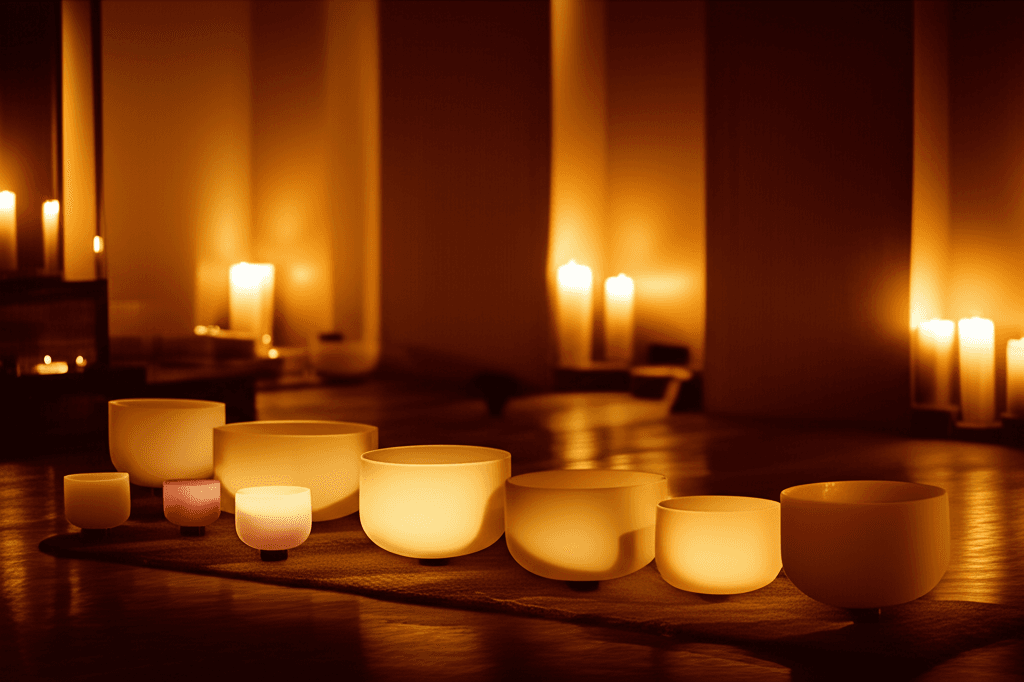
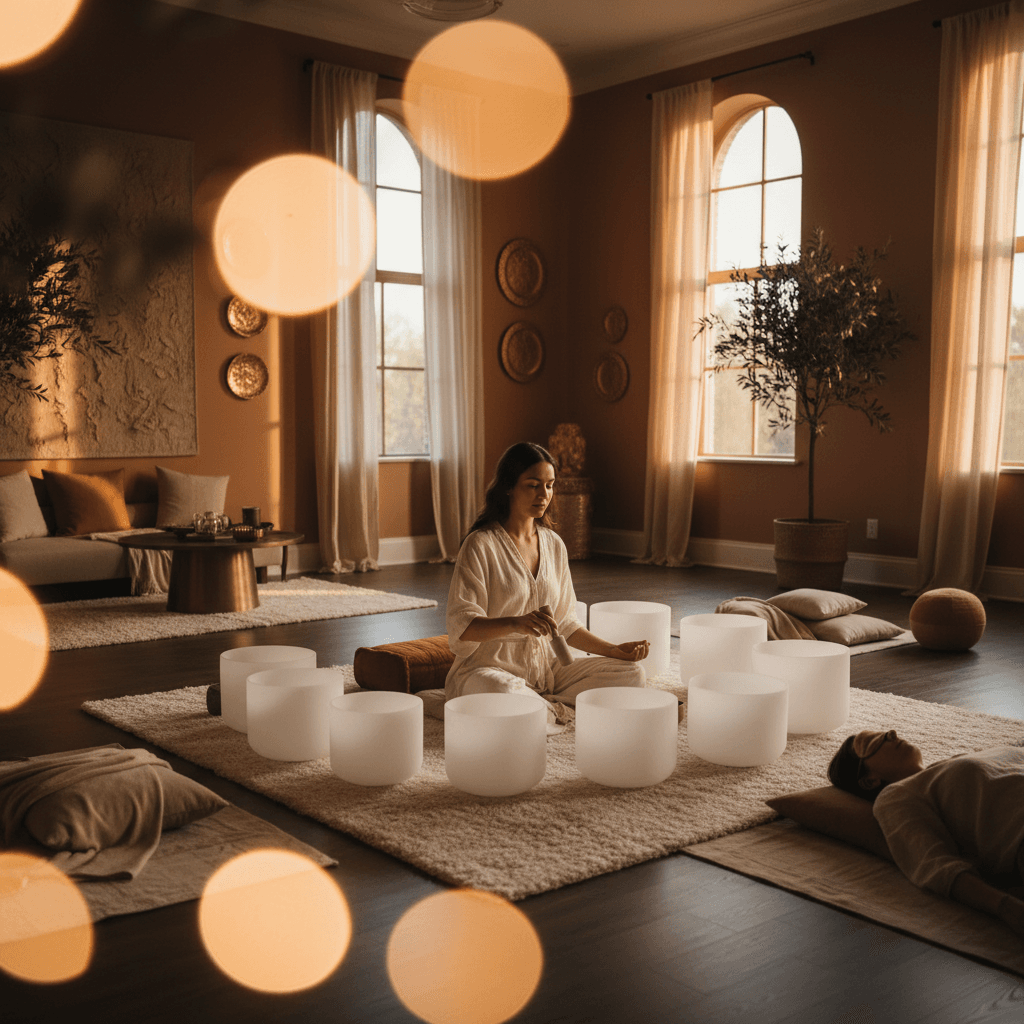
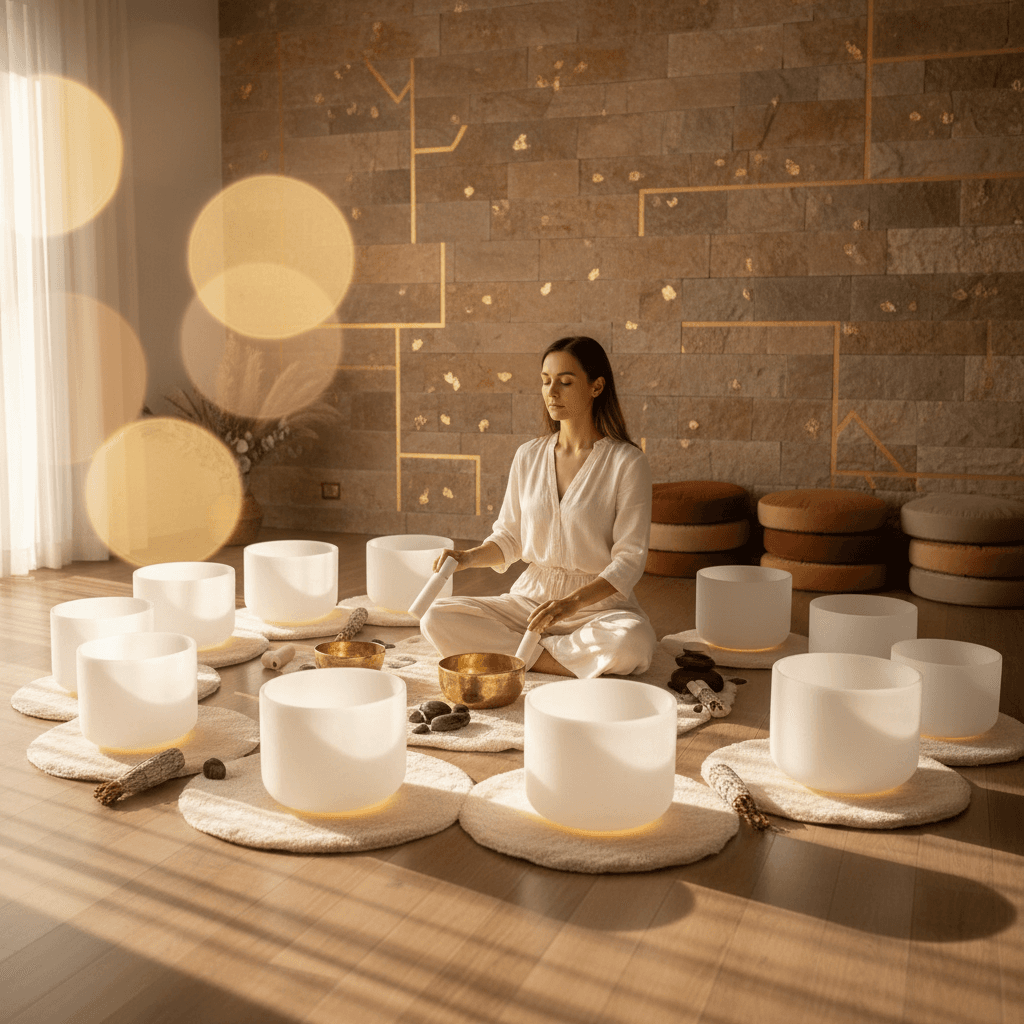
During a sound wellness session, clients typically recline comfortably, allowing themselves to be enveloped by a symphony of therapeutic instruments. These may include the rich, sustained tones of Himalayan singing bowls, the ethereal vibrations of crystal singing bowls, the deep resonance of gongs, or the delicate chimes that dance in the air. Each instrument is chosen for its specific frequency and ability to induce particular states of relaxation and awareness.
The experience is deeply sensory. The vibrations are not just heard through the ears but felt throughout the body, creating a subtle internal massage. Many people report a sense of lightness, a tingling sensation, or a profound feeling of calm washing over them. This physical response is directly linked to the brain’s engagement with the auditory stimuli. As the brain processes these sounds, it may shift from higher-frequency beta waves (associated with alertness and stress) to lower-frequency alpha and theta waves, characteristic of deep relaxation and meditative states.
In this deeply relaxed state, the mind becomes quieter, less cluttered by anxious thoughts or the incessant demands of daily life. This mental spaciousness is crucial for fostering hope and future vision. When the noise of present distress subsides, individuals gain the mental clarity to reflect, envision possibilities, and access their inner resources. It creates a fertile ground for the 'pathways' component of hope—the ability to conceive new directions and solutions—to emerge.
Fostering Hope and Future Vision Through Sound
The practical application of sound wellness in cultivating hope is multi-faceted. By consistently guiding the nervous system into a state of calm, sound sessions may reduce the physiological markers of stress and anxiety, which are often significant barriers to hopeful thinking in recovery. When distress is lowered, as Bartholomew et al. (2013) noted, the conditions for hope to flourish are optimized.
- Reduces Distress and Enhances Emotional Regulation: Regular exposure to therapeutic sound can act as a potent stress management tool, helping to lower cortisol levels and balance the autonomic nervous system. This improved emotional regulation allows individuals to process challenges with greater resilience and a more positive outlook.
- Promotes Mental Clarity and Focus: The meditative states induced by sound wellness can enhance cognitive function, supporting improved focus and clarity of thought. This clarity is essential for setting realistic goals and identifying the steps needed to achieve them, strengthening both agency and pathways thinking.
- Cultivates Self-Awareness and Inner Connection: The deep relaxation experienced allows for a heightened state of self-awareness. Clients may connect more profoundly with their inner wisdom, gaining insights into their desires, strengths, and the direction they wish their recovery to take. This deeper connection can reinforce the conviction in one's ability to navigate challenges.
- Supports Positive Visualization: In a calm, open state, individuals are more receptive to positive affirmations and visualization practices. The ambient soundscapes can provide a supportive backdrop for envisioning a healthier, more fulfilling future, solidifying the mental blueprint for recovery. This is where the concept of "future vision" truly comes to life—not just as a metaphor, but as an active mental practice enabled by the sound experience.
By offering a sanctuary where the mind can quiet and the spirit can mend, sound wellness provides a complementary approach to traditional recovery strategies. It helps individuals tap into their innate capacity for resilience, creating an internal environment where hope can take root, grow, and ultimately, illuminate the path to a vibrant future.
The Soul Art Approach: Larissa Steinbach's Vision for Sound Wellness
At Soul Art, Larissa Steinbach, the visionary founder, has meticulously crafted a unique sound wellness experience that goes beyond mere relaxation. Her approach is rooted in the belief that true well-being encompasses the mind, body, and spirit, and that precisely applied sound can serve as a powerful catalyst for holistic recovery and the cultivation of an empowered future vision. Larissa’s methodology seamlessly integrates the scientific understanding of hope and neural plasticity with an intuitive, empathetic understanding of human needs.
Larissa's philosophy centers on creating intentional soundscapes that resonate with the individual's journey. She understands that each person’s path to recovery is unique, and therefore, the sound experience should be tailored to support their specific needs for cultivating hope and clarity. This personalized approach is a hallmark of Soul Art, distinguishing it as Dubai's premier destination for transformative sound wellness.
Unique Elements of the Soul Art Method
Larissa Steinbach’s expertise and dedication manifest in several distinct ways within the Soul Art experience:
- Intentional Soundscape Design: Larissa carefully selects and orchestrates a diverse array of instruments, including ancient Himalayan singing bowls, ethereal crystal bowls, profound gongs, and delicate chimes. She intuitively understands how different frequencies and harmonies interact with the body’s energy centers and the brain's electrical activity. This allows her to craft journeys designed to specific intentions, such as fostering deep relaxation, clearing mental fog, or igniting a sense of purpose and future possibilities.
- Integration of "Future Vision" Practices: Beyond simply reducing stress, Soul Art sessions often incorporate elements that actively encourage clients to visualize their desired future. In the deeply meditative state induced by the sounds, clients are gently guided to envision their goals, strengthen their sense of agency, and mentally map out the "pathways" to achieve them. This practice actively reinforces the scientifically proven components of hope.
- Emphasis on Holistic Connection: Larissa’s approach is deeply holistic, acknowledging that physical comfort, emotional balance, mental clarity, and spiritual alignment are all interconnected. Sound wellness at Soul Art is not just about addressing symptoms; it's about nurturing the entire self, creating an internal ecosystem where hope can naturally flourish. The "Soul" in Soul Art speaks to this profound connection.
- Guidance in Cultivating Agency: Through her empathetic facilitation, Larissa helps clients connect with their inner strength and motivation—the agency component of hope. The serene and supportive environment of Soul Art empowers individuals to believe in their capacity for self-directed change and to take deliberate steps towards their recovery goals.
- Curated Environment: The studio itself is designed as a sanctuary, a tranquil space that promotes immediate relaxation and receptivity. Every detail, from the ambient lighting to the comfortable setup, is chosen to enhance the immersive sound experience and facilitate a deep sense of peace and safety.
"Hope isn't a passive wish; it's an active intention, a vibrant energy that can be cultivated and amplified. At Soul Art, we use the profound language of sound to help individuals tune into that inherent power, illuminating their own unique future vision." — Larissa Steinbach
Larissa Steinbach’s dedication to a scientifically informed yet deeply compassionate approach ensures that each Soul Art session is a powerful journey of self-discovery and renewal. By engaging with these meticulously crafted sound experiences, clients are supported in building resilience, clarifying their purpose, and most importantly, nurturing an enduring sense of hope that propels them forward in their recovery journey and towards a future they actively envision.
Your Next Steps: Cultivating Hope and Clarity Today
Embarking on a journey of recovery and cultivating a hopeful future vision is a courageous and deeply personal endeavor. While sound wellness offers a powerful complementary approach, integrating holistic self-care practices and professional support creates the most robust foundation for lasting well-being. Here are some actionable steps you can take today to nurture hope and clarity in your life:
- Prioritize Professional Guidance: If you are navigating a recovery journey, continue to engage with medical professionals, therapists, or support groups. Sound wellness is a complementary approach that can enhance, but not replace, professional medical and psychological care. Many people report that integrating wellness practices alongside professional support creates a more balanced and effective recovery path.
- Practice Intentional Goal Setting: Begin by setting small, attainable goals. This aligns with the "pathways" component of hope—breaking down larger aspirations into manageable steps can build momentum and reinforce your sense of agency. Celebrate each small victory to foster a positive feedback loop.
- Integrate Mindful Movement: Simple practices like walking in nature, gentle yoga, or stretching can significantly reduce stress and improve mood. Physical activity is known to release endorphins, which may naturally elevate feelings of hope and well-being.
- Nurture Your Support System: Connect with friends, family, or support networks who uplift and encourage you. Sharing your journey and receiving positive reinforcement can reinforce your belief in yourself and your capacity for change.
- Explore Sound Wellness: Consider how sound can become a regular part of your self-care routine. Listening to calming music, engaging in guided meditations with sound, or experiencing a professional sound bath can help you access deeper states of relaxation and mental clarity. This regular practice may support your nervous system regulation and create the mental space necessary for cultivating hope and future vision.
By taking these deliberate steps, you actively participate in shaping your own recovery narrative and fostering a hopeful perspective. Remember, building resilience and envisioning a positive future is an ongoing process, and every effort you make contributes to your overall well-being.
Bookings Coming Soon
Soul Art is still in preparation. Session details and booking will be published here after launch.
Coming Soon
In Summary: Resonating with Hope for a Brighter Future
Hope, with its dual engines of agency and pathways thinking, is a scientifically validated cornerstone of successful recovery, fueling motivation and engagement across treatment stages. Cutting-edge research even explores how sound may influence brain activity and vision itself, offering a literal and metaphorical connection to "future vision." At Soul Art, Larissa Steinbach’s unique sound wellness approach leverages these insights, creating meticulously crafted soundscapes that foster profound relaxation, enhance mental clarity, and empower individuals to actively envision and pursue a hopeful future.
By gently guiding the brain into restorative states, sound wellness serves as a powerful complementary practice, reducing distress and cultivating the inner resources essential for resilient recovery. It helps to strengthen the belief in one's capacity for change and to illuminate the steps forward. Embrace the transformative potential of sound to nurture your hope, clarify your vision, and build a vibrant future. Discover your journey with Soul Art today.
Wellness Disclaimer: This article is for educational and informational purposes only. It does not constitute medical advice, diagnosis, or treatment. Soul Art Dubai provides non-medical wellness experiences focused on relaxation, stress management, and general wellbeing. Sound wellness is a complementary practice and should not replace professional medical care.
Related Articles

LGBTQ+ Recovery: Sound Wellness for Inclusive Healing & Regulation
Relationship Recovery: The Science of Sound for Intimacy
Soulful Connections: The Science of Shared Sound Practices and Well-being Sponsorship