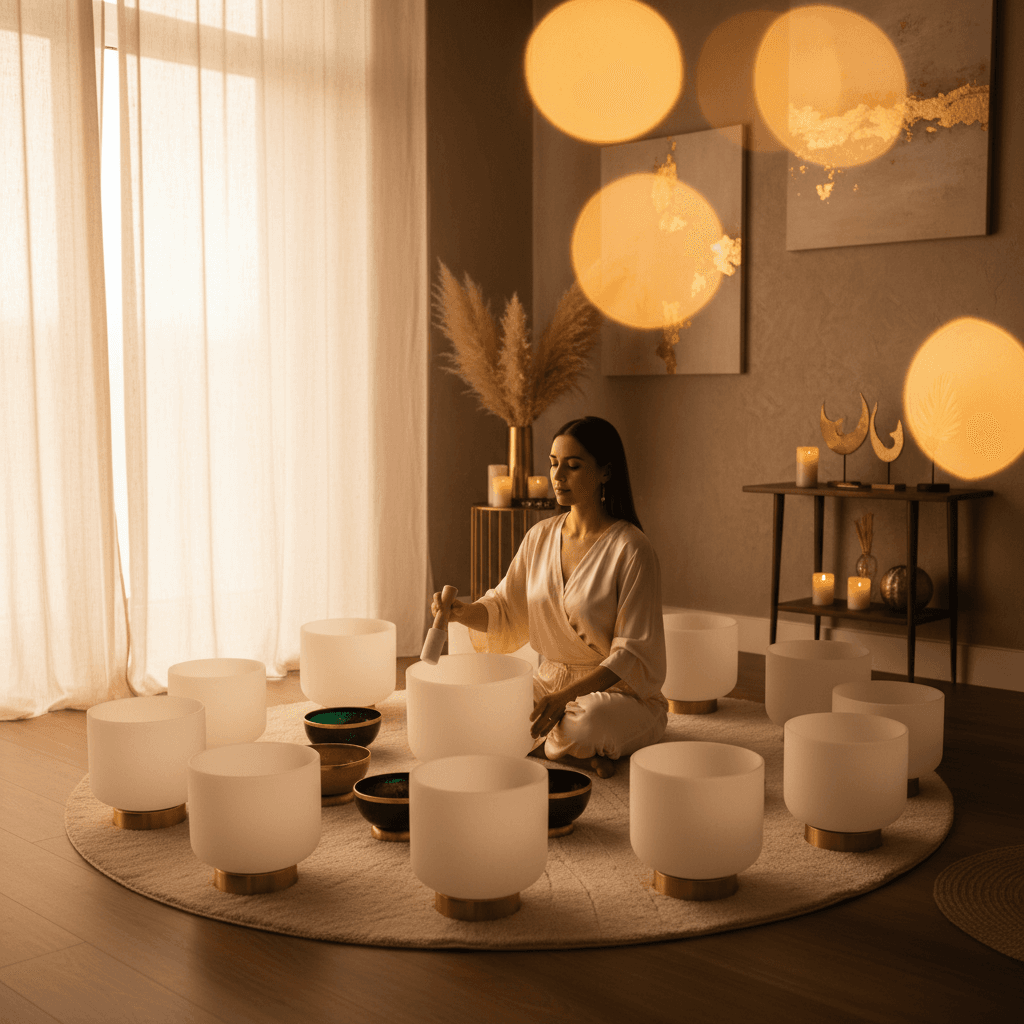
Harmonizing Your Home: The Science of Residential Sound Wellness
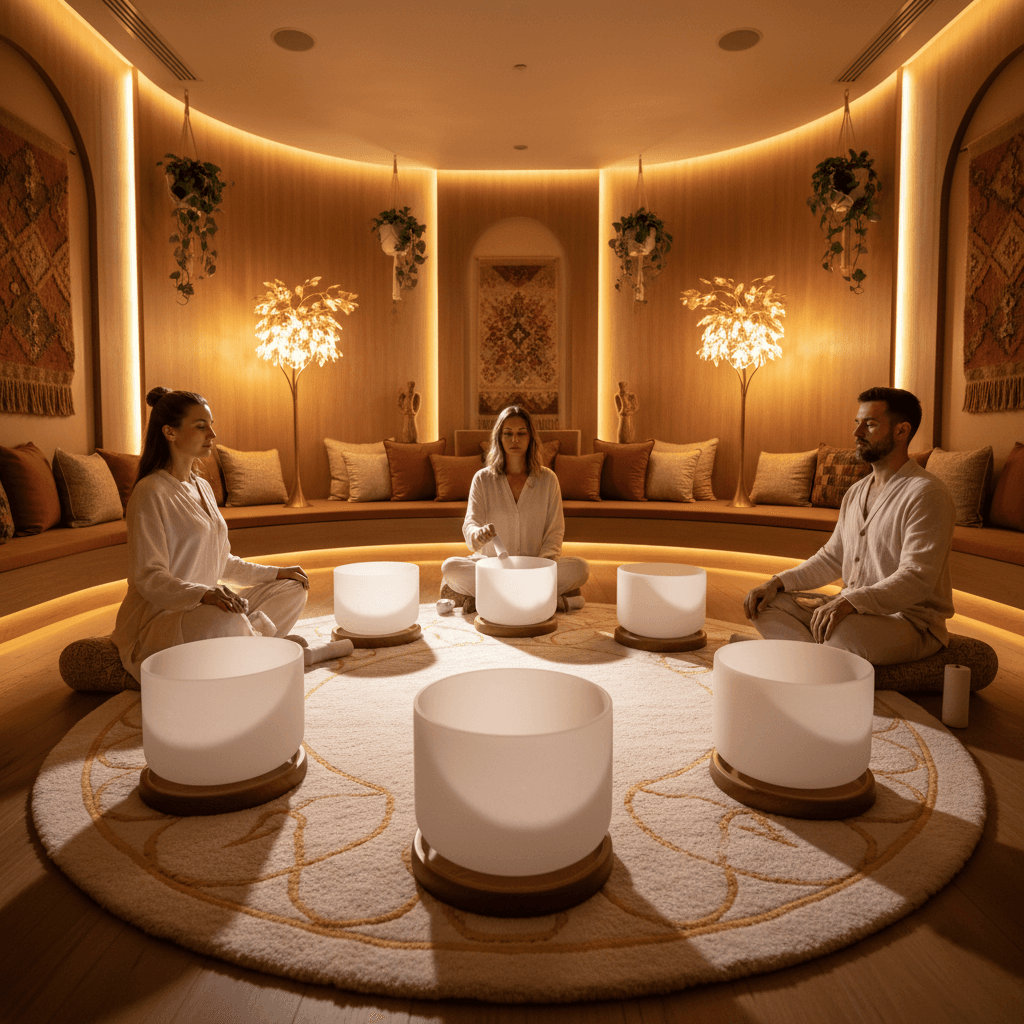
Key Insights
Discover how intentional sound design transforms your home into a sanctuary. Explore the science behind sound wellness with Soul Art Dubai.
Have you ever considered that the sounds permeating your home environment might be impacting your well-being more profoundly than you realize? From the subtle hum of appliances to the jarring cacophony of urban life, our residential soundscapes are powerful, often overlooked, determinants of our health, mood, and even property value. Yet, just as disruptive noise can harm, intentionally curated sound can heal, transforming your living space into a personal sanctuary.
At Soul Art Dubai, led by founder Larissa Steinbach, we understand that sound is not merely background noise; it is a fundamental energetic force shaping our lives. This article delves into the compelling science behind how residential sound affects us, moving beyond mere noise reduction to explore the transformative power of intentional sound design. We will uncover how understanding and harnessing sound can support mental clarity, emotional balance, and profound relaxation within the comfort of your own home, unlocking a new dimension of holistic well-being.
The Science Explained: The Profound Impact of Residential Sound
The sounds we experience in our homes are far more than just sensory input; they exert a significant influence on our physiological and psychological states. Scientific research consistently demonstrates that both unwanted noise and carefully crafted soundscapes can profoundly affect our well-being, from sleep quality to stress levels and cognitive function. Understanding these mechanisms is the first step towards cultivating a healthier home environment.
The Detrimental Effects of Unwanted Noise
Unwanted noise in residential settings has been widely associated with a spectrum of negative health outcomes. A systematic review published in 2023, encompassing 59 studies from various continents, highlighted that noise exposure significantly impacts mental health, overall well-being, quality of life, and sleep patterns. This extensive research, which drew from cohort studies, cross-sectional surveys, and experimental designs, rates the confidence in the evidence as ‘high’ for many of these findings. Studies included in the review often used standardized, psychometrically robust questions to assess outcomes, ensuring the validity and comparability of results.
Beyond general discomfort, excessive noise has been implicated in more severe health problems. Research by Sklarz and Miller (2018) emphasized that noise is among the most significant locational factors affecting residential property value, second only to school quality and view. They cite numerous studies showing that excessive noise induces health problems like sleep disturbance, negatively affects the cognitive function of school-aged children, and indices physiological stress reactions. Exposure to high levels of traffic noise, for example, defined as a 24-hour average of 55 decibels or more, has been associated with a higher risk for hypertension. The impact of noise is pervasive, contributing to cardiovascular disease and other psychiatric disorders.
One particularly frustrating source of residential disruption is neighbor-induced impact sound. A systematic review published in 2024 revealed that the lightweight construction trends in modern residential structures often reduce sound attenuation, making sound propagation paths more complex. This type of noise, such as footsteps or dropped objects from above, is a significant source of residents' dissatisfaction with their acoustic environment. While various soundproofing measures exist, their widespread application is often hindered by material costs, construction techniques, and economic considerations, leaving many residents vulnerable to these disturbances. Furthermore, household noise-generating behaviors are consistently associated with increased neighborhood noise annoyance across diverse socio-environmental contexts, underscoring the subjective and interpersonal dimensions of residential sound. Even in workplace settings, the principles hold true; studies show that noise hinders productivity and concentration, elevating stress hormones, a dynamic that translates directly to home offices for those working remotely.
The Power of Positive Soundscapes
While the negative impacts of noise are clear, the science also illuminates the remarkable potential of positive soundscapes to enhance well-being. A soundscape refers to the totality of sounds within a given environment, and it encompasses not just the absence of unwanted noise, but the presence of intentionally selected, beneficial sounds. This paradigm shift moves us from merely mitigating noise to actively designing our auditory environments for health and harmony.
Research in soundscape and emotion has led to taxonomies of auditory environments that consider how different sounds influence our emotional states. Studies on indoor soundscapes, particularly relevant in our current work-from-home era, have shown that specific sounds can contribute positively to our experiences. For instance, the connection to natural sounds – such as flowing water, birdsong, or gentle breezes – has long been investigated and appears to be crucial for the perception of quietness and for stress reduction. Many people report that these sounds create a calming backdrop, fostering a sense of peace and connection to nature, even within an urban setting.
Beyond nature, certain domestic or urban sounds, when below a defined noise level threshold, can also contribute positively to an indoor soundscape. Preliminary studies indicate that sounds from family members or even a gentle "traffic hum" can provide a sense of support, motivation, safety, and connection. This suggests that the quality of a soundscape is not solely about absolute quiet but also about the meaningfulness and perceptual comfort of the sounds present. Environments perceived as more comfortable and fulfilling, particularly for activities like relaxation, often incorporate these carefully selected positive sounds.
Physiologically, these positive sound environments may support the nervous system by promoting a shift from sympathetic (fight or flight) to parasympathetic (rest and digest) dominance. This can lead to a reduction in stress hormones like cortisol, lower heart rate, and improved respiratory patterns, all contributing to a state of profound relaxation and resilience.
How It Works in Practice: Crafting Your Auditory Oasis
The theoretical understanding of sound's impact translates into tangible, transformative experiences in our daily lives. Imagine a home where the acoustic environment actively supports your well-being, rather than detracting from it. This is the essence of intentional sound design for residential spaces. It’s about more than just blocking out the world; it’s about inviting in specific frequencies and vibrations that resonate with your inner state.
When you engage with intentional sound, whether through guided meditation, a sound bath, or simply by curating your home's ambient noise, your body responds. The intricate network of your nervous system begins to recalibrate. The deep, resonant tones of a singing bowl, for instance, may help to slow brainwave activity, shifting from the busy beta state to the more relaxed alpha or even theta states, commonly associated with deep meditation and restorative sleep. This physiological shift is what many people report as feeling 'reset' or 'rejuvenated'.
Consider the sensory details of such an experience. A gentle, sustained tone might wash over you, its vibrations subtly felt throughout your body, encouraging muscle relaxation and the release of tension. The carefully selected frequencies may support the vagus nerve, a key component of the parasympathetic nervous system, helping to regulate heart rate variability and promote a sense of calm. This complementary approach to wellness offers a direct pathway to stress reduction and enhanced emotional regulation.
Instead of passively enduring your home's existing soundscape, you become an active participant in its creation. This practice involves discerning between sounds that deplete your energy and those that replenish it. For example, instead of enduring the jarring sounds of urban construction, you might choose to mask it with the soothing natural sounds of a rainstorm or ocean waves. Anecdotal evidence suggests that consistent engagement with these positive sound environments can lead to sustained improvements in mood, focus, and overall quality of life. The experience is not just auditory; it is holistic, engaging your entire being in a symphony of wellness.
The Soul Art Approach: Larissa Steinbach's Vision for Harmonious Living
At Soul Art, Larissa Steinbach has pioneered a distinctive approach to sound wellness, rooted in both ancient wisdom and contemporary scientific understanding. Her vision extends beyond temporary relaxation, aiming to empower individuals to integrate harmonious sound practices into their daily lives, transforming their residential spaces into bastions of peace and vitality. The Soul Art method is unique in its personalized approach, recognizing that each individual's journey with sound is deeply personal and evolves with their needs.
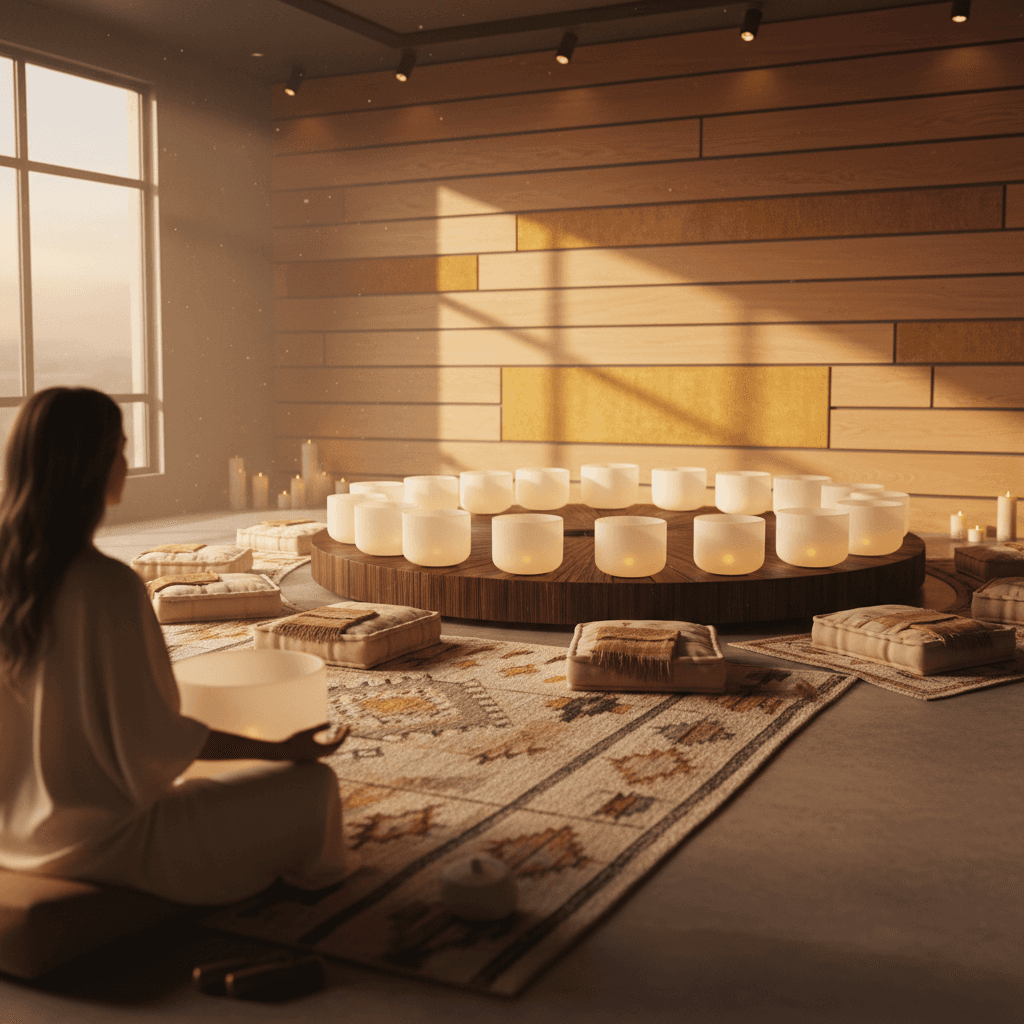
Larissa Steinbach meticulously selects a diverse array of instruments, each chosen for its unique vibrational qualities and therapeutic potential. These often include Himalayan singing bowls, crystal singing bowls, gongs, chimes, and various percussive instruments. The deep, rich overtones of gongs, for instance, may facilitate rapid brainwave entrainment, guiding the listener into profound states of relaxation. The pure, sustained tones of crystal bowls are believed by many to resonate with specific energy centers in the body, supporting balance and energetic flow.
The Soul Art experience is not merely about listening; it is about feeling the sound. Larissa Steinbach’s expertise lies in her ability to create intricate sound tapestries that invite participants into a meditative state where stress dissolves and inner peace can flourish. She skillfully blends scientific principles, such as understanding resonant frequencies and their impact on brainwave states, with an intuitive and empathetic understanding of human experience. This blend ensures that each session is not just an auditory event, but a profound holistic wellness journey.
Larissa emphasizes the importance of intention in sound practice, guiding participants to set clear intentions for their session, whether it be for stress release, mental clarity, or emotional healing. This mindful engagement elevates the practice beyond simple relaxation, making it a powerful self-care practice. Through Soul Art, Larissa Steinbach helps individuals cultivate a deeper connection to themselves and their environment, enabling them to bring the profound benefits of sound wellness into the very fabric of their homes and daily routines.
Your Next Steps: Cultivating a Harmonious Home Soundscape
Transforming your residential sound environment is an empowering step towards greater well-being. By taking intentional action, you can mitigate the negative impacts of noise and actively integrate sounds that nourish your mind, body, and spirit. Here are practical steps you can implement today to begin cultivating a more harmonious home soundscape:
- Mindful Noise Assessment: Start by identifying the dominant sounds in your home. Use the ISO15666 annoyance technical standard as a reference to assess what truly bothers you. Once identified, explore solutions like soundproofing materials, strategic furniture placement, or simply communicating with household members about noise-generating behaviors.
- Embrace Natural Soundscapes: Introduce sounds of nature into your home. This could involve playing recordings of rain, ocean waves, or forest ambiance. Many people report that these sounds create a calming backdrop, fostering a sense of peace and helping to reduce stress. Ensure the volume is kept at a comfortable level, below the threshold of disturbance.
- Integrate Sound Wellness Practices: Dedicate specific times each day for intentional sound exposure. This could be a short guided meditation with gentle music, listening to binaural beats for focus, or even engaging in a personal sound bath with a singing bowl. Even five to ten minutes can make a significant difference.
- Curate Your Music Choices: Be mindful of the music you play. Choose genres and specific pieces that genuinely uplift, relax, or focus you, depending on the activity. Avoid music that might heighten anxiety or overstimulate your nervous system, especially during times of rest or reflection.
- Create Quiet Zones: Designate specific areas in your home as quiet zones, free from electronic distractions and excessive noise. This could be a reading nook, a meditation corner, or even just a specific chair. Use this space for contemplation, relaxation, or deep work.
Bookings Coming Soon
Soul Art is still in preparation. Session details and booking will be published here after launch.
Coming Soon
In Summary: The Symphony of Your Soul Art Home
The sounds within our residential spaces are not passive elements; they are active architects of our well-being. From the scientific evidence linking unwanted noise to stress, sleep disturbance, and even health issues, to the profound potential of positive soundscapes to foster relaxation and mental clarity, the impact is undeniable. Embracing intentional sound design transforms our homes from mere dwellings into vibrant sanctuaries, supporting our deepest needs for peace and rejuvenation.
At Soul Art, Larissa Steinbach’s expertise guides you through this transformative journey, offering a complementary approach to holistic wellness that integrates ancient practices with scientific understanding. By understanding the intricate relationship between sound and self, you can create a home environment that consistently nourishes your mind, body, and spirit. We invite you to explore the power of sound, and discover how Soul Art can help you compose the symphony of your ultimate well-being.
Wellness Disclaimer: This article is for educational and informational purposes only. It does not constitute medical advice, diagnosis, or treatment. Soul Art Dubai provides non-medical wellness experiences focused on relaxation, stress management, and general wellbeing. Sound wellness is a complementary practice and should not replace professional medical care.
Related Articles
Mastering Your Craft: The Lifelong Journey of Continuing Education
Niche Specialization: The Science of Finding Your Focus
Scaling Your Soul: Growth Strategies for Wellness Practices