Safe Sound Journeys: Protecting Sensitive Ears in Sound Baths
Key Insights
Explore hearing protection for sensitive clients in sound baths. Larissa Steinbach and Soul Art Dubai prioritize safety and personalized sound wellness.
The Art of Listening: Navigating Sound Protection for Sensitive Ears in Sound Baths
Did you know that despite the growing global awareness of hearing loss, there's a delicate balance to strike when it comes to ear protection, especially for those with sound sensitivities? The World Health Organisation (WHO) estimates that over 430 million people worldwide experience disabling hearing loss, with more than one billion people aged 12 to 34 potentially damaging their hearing through exposure to loud music events and headphones. While protecting our ears from genuinely damaging noise is paramount, an increasing trend of continuous earplug use for everyday sound sensitivities has raised concerns among experts.
At Soul Art Dubai, founded by the visionary Larissa Steinbach, we understand that sound wellness is not a one-size-fits-all journey. For our sensitive clients, the path to deep relaxation and healing through sound baths requires a nuanced approach, balancing the profound benefits of vibrational therapy with the imperative of auditory comfort and safety. This article delves into the science behind sound sensitivities, the careful consideration of hearing protection, and how Soul Art crafts an inclusive, deeply restorative experience for every individual. You'll learn about the intricate mechanisms of sound perception, discover practical strategies for navigating sound baths with sensitivity, and understand Soul Art’s commitment to personalized care.
The Nuance of Auditory Perception and Sound Sensitivity
Our auditory system is a complex marvel, designed to interpret a vast spectrum of sounds. However, for some individuals, certain frequencies or intensities can trigger discomfort or distress, turning what should be a soothing experience into an overwhelming one. Understanding these sensitivities is the first step toward creating truly inclusive sound wellness environments.
Understanding Sound Sensitivities: Hyperacusis and Misophonia
Sound sensitivity refers to a condition where specific sounds are perceived as uncomfortably or unbearably loud or triggering. This reaction can occur even when others around them do not seem to notice the same intensity, leading to emotional, physical, and social distress. Two common manifestations of sound sensitivity are hyperacusis and misophonia.
Hyperacusis is characterized by an abnormal intolerance to ordinary environmental sounds. For individuals with hyperacusis, everyday noises can seem excessively loud and even painful. Misophonia, on the other hand, involves a strong emotional or physiological reaction to specific sounds, often repetitive ones like chewing or tapping. Both conditions highlight the unique and often challenging relationship some individuals have with their auditory environment.
It is crucial to note that while ear protection is essential for truly damaging noise exposure, such as at concerts, the overuse of ear protectors can paradoxically worsen conditions like hyperacusis. Experts caution against continuous use for sound sensitivity, as it may lead to what is known as auditory deprivation, encouraging the ears to work harder to search for sound. When earplugs are eventually removed, sounds may appear even more intense, perpetuating and increasing sound sensitivity.
The Mechanism of Sound Baths: Vibrational Wellness
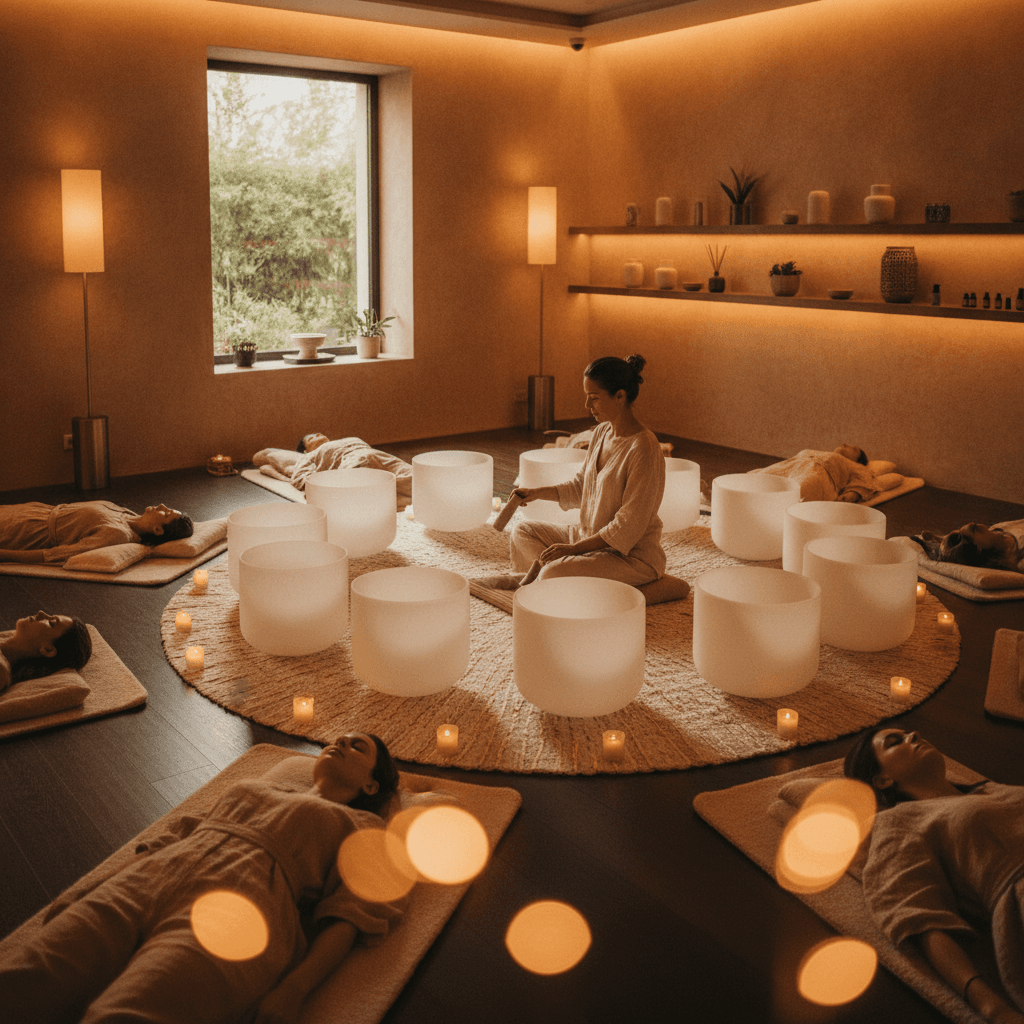
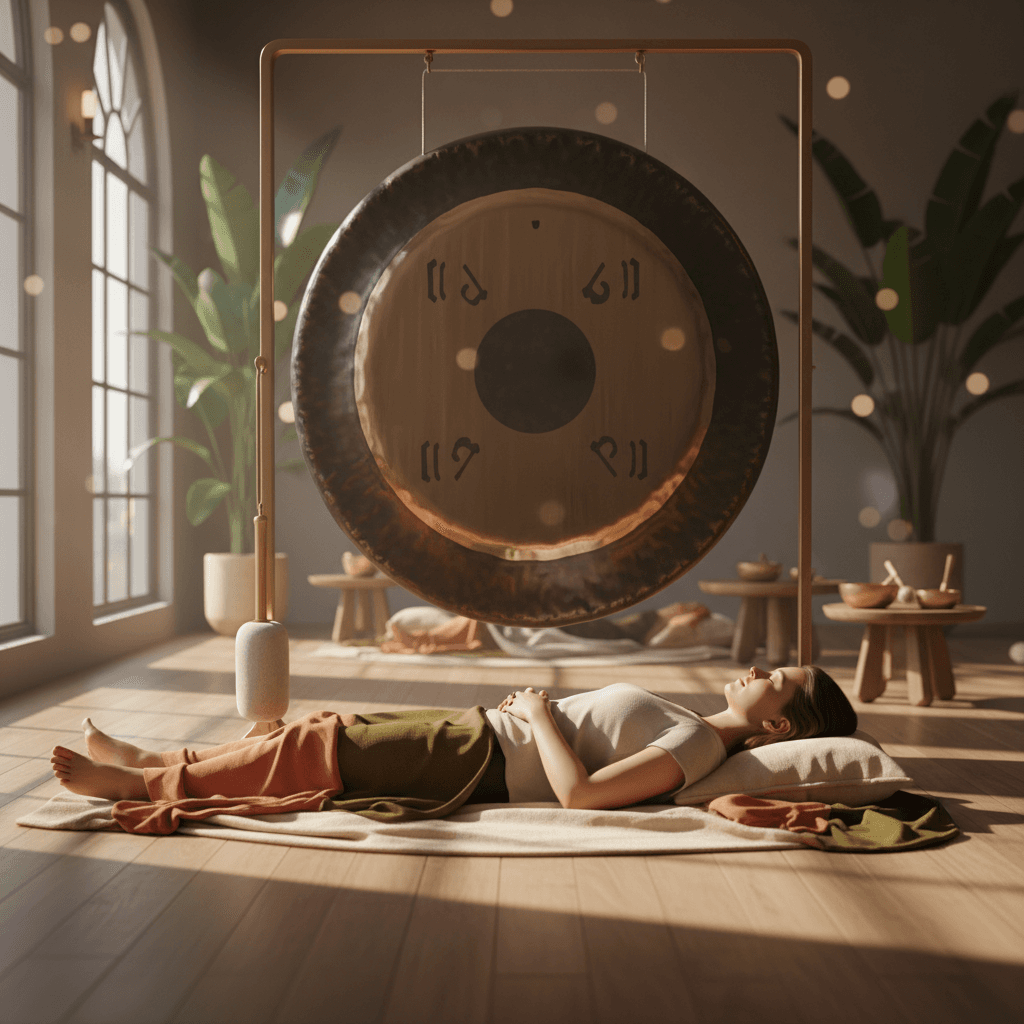
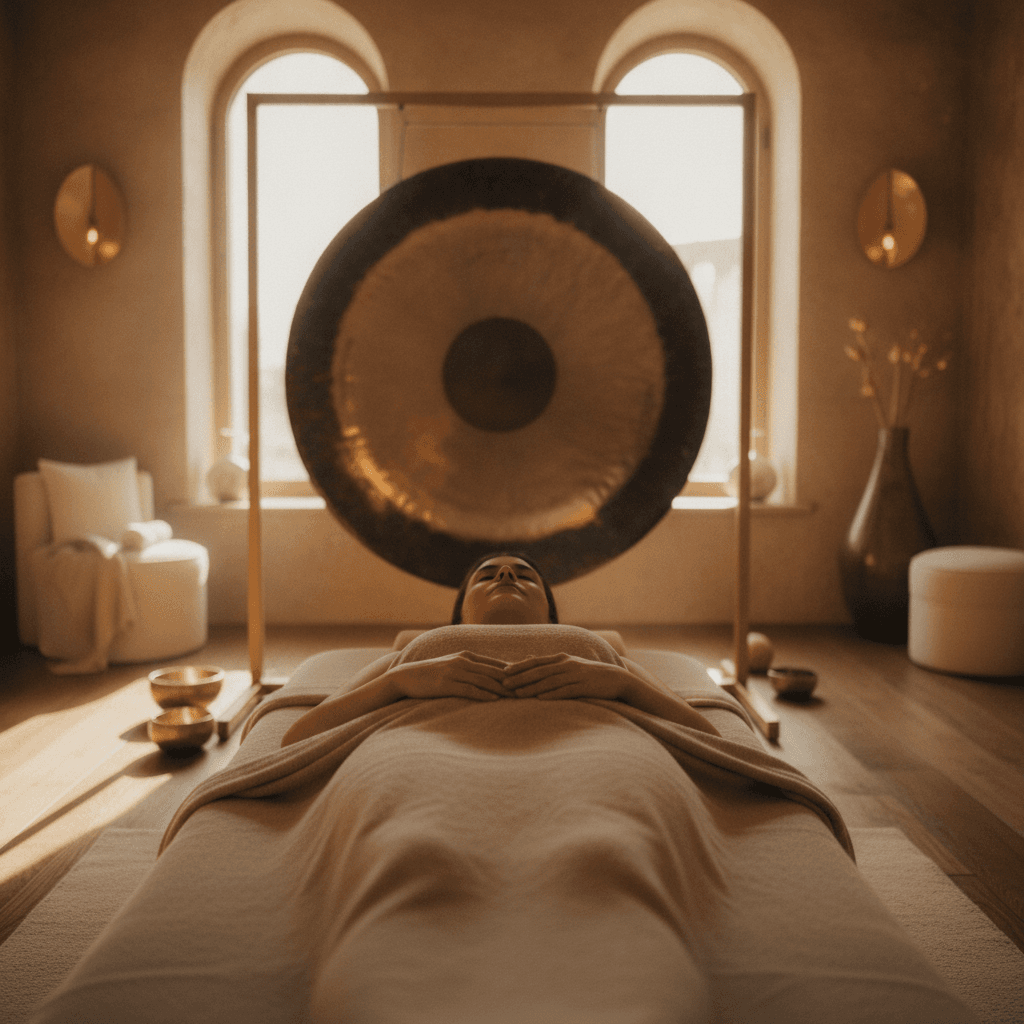
Sound baths are immersive experiences where participants are "bathed" in sound waves produced by various instruments like Tibetan singing bowls, gongs, crystal bowls, and chimes. These sessions aim to guide individuals into a state of deep relaxation, often achieved through brainwave entrainment. The sounds and their accompanying vibrations are believed to have a profound impact on the body and mind.
Research into the benefits of sound therapy is a growing field, with preliminary studies suggesting promising outcomes. For instance, a 2016 study published in the Journal of Evidence-Based Integrative Medicine, led by researcher Goldsby, found that Tibetan singing bowl meditation significantly reduced tension, anger, fatigue, and depressed mood, while increasing feelings of spiritual well-being among participants. Goldsby's more recent work in 2022 further suggests singing bowls show "considerable promise" in reducing undesirable moods and fostering inner peace.
Beyond the auditory experience, sound baths also rely on physical vibrations. When vibrations are involved, the body benefits from the sound waves it receives directly through the skin, not just the ears. These vibrations may support relaxation, stress reduction, and an enhanced mood by helping to quiet the mind, lower heart rate, and decrease blood pressure. Some research even indicates potential benefits for pain relief, with studies on whole-body vibration suggesting immediate improvements in pain intensity and quality of life for conditions like fibromyalgia, though sustained benefits may require ongoing engagement.
Moreover, emerging research from MIT’s Picower Institute has shown that exposure to 40 Hz light and sound may support the reduction of hallmarks of Alzheimer’s pathology in animal models and early human trials. This "gamma entrainment using sensory stimulation" (GENUS) appears to enhance glymphatic clearance, reduce neuroinflammation, and improve synaptic function. Sound therapy, particularly using frequencies like 40 Hz, demonstrates an excellent safety profile, making it a valuable complementary approach for various wellness goals, including pain management and neuroprotection.
The Paradox of Protection: When HPDs Help, and When They Hinder
Hearing Protection Devices (HPDs) are designed primarily to reduce the intensity of sound reaching the ears, thereby preventing noise-induced hearing damage. Their effectiveness is typically evaluated based on three main functions: sound attenuation (reducing loudness), sound localization (ability to pinpoint sound sources), and speech perception (ability to understand spoken words). When correctly chosen and fitted, HPDs can be highly effective in environments with dangerously high noise levels.
However, for individuals with sound sensitivities, the continuous or indiscriminate use of earplugs or other HPDs in non-damaging environments can be counterproductive. As highlighted by Flare Audio, "the use, or more specifically, the overuse of ear protectors actually encourages hyperacusis and only should be considered when the level of the sound is truly damaging." This is because the auditory system, when constantly deprived of sound input, may become hypersensitive, leading to an exacerbated reaction once protection is removed.
Therefore, the critical distinction lies between protecting against truly damaging noise, such as at a loud concert, and attempting to block out everyday sounds due to sensitivity. In a sound bath setting, where the goal is therapeutic sound exposure, the aim is rarely to attenuate the sound significantly, but rather to modulate it to a comfortable level. The challenge for sensitive clients and skilled facilitators is to find this optimal balance – offering comfort without promoting further auditory deprivation.
Crafting a Personalized Auditory Experience
At Soul Art, we firmly believe that a truly transformative sound bath experience is a personalized one, especially for clients with sound sensitivities. This means moving beyond a generic routine and adopting a flexible, intuitive framework that respects each individual's unique auditory landscape.
Assessing Individual Needs: Beyond a One-Size-Fits-All Approach
Before any sound bath session at Soul Art, we prioritize a thorough consultation process. This is not a mere formality but a vital step in understanding each client's specific needs, preferences, and sensitivities. We inquire about any history of sound sensitivities, previous experiences with sound therapy, and any existing health conditions that might require special consideration. This proactive approach allows our facilitators to tailor the experience from the outset.
The importance of this individualized assessment cannot be overstated. Untrained facilitators, unaware of sound healing contraindications, can pose real risks. For example, intense sound stimulation can overstimulate the nervous system in people with unresolved trauma or high anxiety, or even trigger seizures in individuals with epilepsy, particularly with instruments that produce rapid sound pulses or flashing lights. Moreover, certain instruments should never be used directly on or near pacemakers, defibrillators, recent surgical sites, or metal implants. By meticulously gathering information, Soul Art ensures that the sound journey is not only beneficial but also unequivocally safe, honoring the unique nature of every individual while offering clear structure and professional integrity.
The Role of the Facilitator in Sound Modulation
The expertise of the sound healing facilitator is paramount when working with sensitive clients. A skilled practitioner possesses not only knowledge of instruments and frequencies but also the intuitive ability to modulate the sound environment in real-time. This involves carefully selecting instruments, adjusting their intensity, duration, and proximity to participants. For instance, a facilitator might opt for softer instruments, play gongs from a greater distance, or use gentler strokes to create a more subtle soundscape.
At Soul Art, our facilitators are trained to continuously observe client responses, both verbal and non-verbal, and adjust the session accordingly. This dynamic responsiveness ensures that the sound remains within a comfortable and therapeutic range for everyone present. The goal is to create a deeply immersive experience that encourages relaxation, not overwhelm.
Empowering the Client: Active Participation in Comfort
A key aspect of Soul Art’s approach is empowering clients to actively participate in their comfort and well-being during a sound bath. We encourage open communication, inviting clients to voice any discomfort or need for adjustment at any point during the session. This collaborative environment fosters trust and ensures that the experience remains positive and supportive.
For clients with specific sensitivities, we may suggest non-occlusive options for temporary hearing support if they prefer a slight dampening of sound, such as earplugs designed for musicians that reduce decibels evenly without blocking sound entirely, or simply offering soft cotton for a subtle reduction. Crucially, these are presented as optional aids for comfort, not as a blanket solution for sensitivities, aligning with the understanding that continuous earplug use can be counterproductive for hyperacusis. For those with profound hearing impairments, the benefits of sound baths can still be experienced through tactile vibration, as the therapeutic effects do not depend solely on auditory perception. This flexibility allows for a truly customized experience.
"The true art of sound healing lies not just in the frequencies produced, but in the intention and sensitivity with which they are delivered. For those with delicate ears, it is about creating a sanctuary, not a barrier."
Soul Art's Commitment to Conscious Sound Wellness
At Soul Art Dubai, Larissa Steinbach’s vision for sound wellness is deeply rooted in safety, efficacy, and profound respect for individual client needs. We understand that the power of sound healing comes with a responsibility to deliver it consciously and ethically, especially when catering to a diverse clientele that includes those with sound sensitivities.
Our approach begins with a comprehensive client intake process, where detailed forms allow us to gather essential information about health history, previous experiences, and any known sensitivities or contraindications. This proactive measure ensures that every session is thoughtfully planned to suit the individual. For instance, knowing about conditions like epilepsy or the presence of pacemakers is critical, as certain instruments or intense vibrations must be carefully managed or avoided altogether, as advised by sound healing best practices.
Larissa Steinbach has instilled a philosophy where our practitioners are not merely musicians, but highly trained facilitators with a deep understanding of sound's physiological and psychological impacts. This training includes awareness of potential contraindications and the intuitive skill to adapt sessions in real-time. We select high-quality, ethically sourced instruments, focusing on their vibrational purity and their capacity to create a harmonious, deeply resonant field without being jarring. Our sound baths are intentionally designed to be profound yet gentle, creating an environment where the nervous system can truly restore itself.
For clients experiencing sound sensitivities, Soul Art offers various modalities and modifications. This might include using instruments known for their gentle, sustained tones rather than sharp, percussive sounds, adjusting the distance of instruments from the body, or focusing more on vibroacoustic elements where the sound is felt through touch rather than solely heard. We prioritize creating a sense of psychological safety, where clients feel empowered to communicate their comfort levels throughout the session. This personalized care ensures that whether you are new to sound baths or have specific auditory needs, your experience at Soul Art Dubai is one of profound relaxation and rejuvenation, tailored just for you.
Navigating Your Sound Wellness Journey with Confidence
Embarking on a sound wellness journey, especially with sound sensitivities, can be incredibly rewarding when approached with intention and awareness. At Soul Art, we want to empower you with the knowledge and confidence to make the most of your experience.
Here are your next steps to ensure a comfortable and transformative sound bath:
- Consultation is Key: Always discuss any sound sensitivities, hyperacusis, misophonia, or other health concerns with your sound bath practitioner before your session. This allows them to tailor the experience to your specific needs, adjusting instrument choices and intensity.
- Listen to Your Body: During the sound bath, pay close attention to your comfort levels. It’s perfectly acceptable and encouraged to communicate any discomfort or need for adjustment to your facilitator. Your well-being is the top priority.
- Explore Options for Comfort: If you anticipate needing a slight dampening of sound, discuss non-occlusive options with your practitioner. These might include specialized musician earplugs that reduce volume evenly without blocking sound entirely, allowing you to remain immersed in the experience without encouraging auditory deprivation.
- Understand the Nuance of Ear Protection: Be mindful that continuous, indiscriminate use of standard earplugs for everyday sound sensitivities can sometimes worsen conditions like hyperacusis. Reserve strong hearing protection for truly damaging noise environments, and discuss alternative comfort strategies for sound baths.
- Choose Reputable Studios: Opt for sound wellness studios like Soul Art Dubai, where facilitators are highly trained, knowledgeable about contraindications, and committed to personalized, client-centered care. This ensures a safe, ethical, and deeply restorative experience for everyone.
Ready to explore the calming and restorative power of sound in a safe, tailored environment? We invite you to experience the mindful approach to sound wellness at Soul Art.
In Summary: Harmonizing Sound and Sensitivity at Soul Art
Navigating sound wellness with sensitivities requires a delicate understanding of auditory perception and the judicious use of hearing protection. While HPDs are crucial for preventing damage from genuinely loud noise, their overuse can paradoxically exacerbate conditions like hyperacusis. The transformative power of sound baths lies in their ability to offer deep relaxation, stress reduction, and mood enhancement through both auditory and vibrational experiences, benefits supported by growing research.
At Soul Art Dubai, Larissa Steinbach champions an approach that prioritizes individualized care, thorough pre-session consultations, and the skilled modulation of sound by highly trained facilitators. We empower our clients to communicate their needs and offer thoughtful accommodations, ensuring that every sound journey is safe, comfortable, and profoundly restorative. We are dedicated to creating a harmonious space where the profound benefits of sound wellness are accessible to all, fostering inner peace and well-being. Come and experience the frequency of well-being with us.
Bookings Coming Soon
Soul Art is still in preparation. Session details and booking will be published here after launch.
Coming Soon
Wellness Disclaimer: This article is for educational and informational purposes only. It does not constitute medical advice, diagnosis, or treatment. Soul Art Dubai provides non-medical wellness experiences focused on relaxation, stress management, and general wellbeing. Sound wellness is a complementary practice and should not replace professional medical care.
Related Articles
Navigating Sound Wellness: Evidence-Based Questions for Practitioners
Soul Art: Integrating Science, Ritual, and Safety for Well-being
Sound Baths: Accessible Comfort for Older Adults at Soul Art