Harmonic Relief: Sound Protocols for Migraine Wellness at Soul Art

Key Insights
Explore how targeted sound protocols at Soul Art Dubai, founded by Larissa Steinbach, offer a complementary path for migraine wellness and nervous system balance.
Imagine a world where the throb of a migraine could find solace not in silence, but in carefully curated sound. For millions globally, migraines are more than just a headache; they are a debilitating neurological disorder that profoundly impacts daily life, productivity, and overall well-being. Affecting 17 percent of women and 6 percent of men in the United States, with a lifetime incidence as high as 43 percent for women, this condition can be chronic for 8 to 13 percent of sufferers, meaning more than 15 headache days per month for at least three months.
The economic toll is staggering, costing American employers billions annually in lost work time and diminished productivity. While conventional treatments offer relief for many, a significant number of individuals continue to seek complementary approaches to manage their symptoms and enhance their quality of life. At Soul Art, Dubai’s premier sound wellness studio, Larissa Steinbach is at the forefront of exploring innovative sound protocols that may offer a unique pathway to profound relaxation and nervous system regulation, potentially supporting those who experience migraines. This article delves into the science behind sound's influence on the brain and body, outlining how these ancient yet cutting-edge practices are being integrated into modern wellness strategies.
The Science Explained: Unlocking the Brain-Sound Connection
Migraine is fundamentally a complex central nervous system disorder, characterized by vascular headaches that range from moderate to very severe. These episodes can last anywhere from 4 to 72 hours, often rendering individuals incapacitated. The profound impact extends beyond physical pain, significantly affecting psychological and social well-being and imposing serious lifestyle restrictions. Understanding the intricate mechanisms of migraines is the first step in appreciating how holistic practices like sound wellness may offer a complementary avenue for support.
Understanding the Neurological Landscape of Migraine
Migraines are not merely a painful symptom; they represent a state of heightened neurological excitability and dysregulation within the brain. While the exact triggers and pathways are still being fully elucidated, research suggests imbalances in neurochemicals and electrical activity play a crucial role. For chronic migraine sufferers, this dysregulation becomes a persistent challenge, necessitating multifaceted approaches to management.
Traditional preventive pharmacological treatments are effective for about 40 percent of individuals, yet many still seek additional support. This gap highlights the need for non-pharmacological, complementary strategies that address the systemic stress and nervous system imbalances often associated with migraine frequency and intensity. Sound wellness emerges as one such promising area, focusing on the brain's innate capacity for self-regulation.
High-Resolution, Relational, Resonance-Based, Electroencephalic Mirroring (HIRREM)
One of the most intriguing developments in sound-based protocols for migraine wellness comes from research into HIRREM, or high-resolution, relational, resonance-based, electroencephalic mirroring. This non-invasive neurotechnology is designed to assess and correct electrical imbalances within the brain, offering a fascinating glimpse into the direct impact of sound on neurological function. Preliminary studies, including those presented at the American Heart Association’s Council on Hypertension 2016 Scientific Sessions, have revealed compelling early findings.
HIRREM works by translating the brain's dominant electrical frequencies into computer-generated audible tones. These tones are then reflected back to the individual simultaneously via earbuds, creating a real-time auditory "mirror" of their own brain activity. The theory is that when the brain "hears" its own electrical patterns reflected back, it can recognize and self-correct, shifting towards improved balance. This re-balancing effect has been associated with significant physiological changes.
For example, one exploratory study tracked 52 adult migraine sufferers who received an average of 16 HIRREM sessions over nine in-office days. Two weeks post-therapy, participants reported overall improvements in several key areas. These included a notable reduction in head pain, improved sleep quality, and an uplift in mood. Another related study also observed significant reductions in both systolic and diastolic blood pressure in a cohort of participants. While researchers emphasize that more data is needed to validate these early findings and explore longitudinal benefits, the results are undeniably intriguing for the migraine community. The implications suggest that by fostering a more balanced electrical pattern in the brain, HIRREM may help mitigate or prevent migraine symptoms, offering a unique approach to nervous system regulation.
The Broader Spectrum of Music and Sound Therapy
Beyond highly specialized neurotechnologies like HIRREM, the broader field of music and sound therapy has also shown promise as a complementary approach to headache relief. Studies published in journals like the European Journal of Pain and Pain have demonstrated that carefully chosen music can lead to distinct improvements for children experiencing migraine headaches. The key, it seems, lies in the nature of the sound itself.
Soothing music, particularly classical or new age compositions, tends to reduce stress and anxiety—common triggers for many headaches. This kind of music can also induce muscle relaxation and, importantly, distract individuals from their pain, potentially triggering the release of natural opioids within the body. While unpleasant music can exacerbate headaches, a personalized playlist of calming frequencies and melodies can be a powerful tool for self-care. Anecdotal evidence, and some preliminary findings, even suggest that specific frequencies, like a heavy bass, or music an individual genuinely enjoys, may be particularly effective due to the vibrational component.
A systematic review protocol for music therapy in migraine treatment highlights the growing interest in this field, emphasizing its potential to reduce the frequency and severity of headaches. Furthermore, research on meditation, which often incorporates sound or mantra, indicates that intentional, meaningful cognitive focus can improve outcomes, particularly in stress reduction. This reinforces the idea that engaged listening to specific sounds can influence brain states and offer relief. One case study on music therapy for chronic headaches even noted that while immediate effects on pain control were not always significant, 6-12 months later, many patients reported fewer headache days and an improved ability to manage their pain, suggesting long-term benefits for affect control and creative problem-solving related to pain.
"The symphony of sound offers more than just auditory pleasure; it presents a profound opportunity to recalibrate the nervous system, inviting the brain to find its natural rhythm of balance and ease."
How It Works in Practice: The Somatic Experience of Sound Wellness
The scientific underpinnings of sound's influence on the brain naturally lead to the practical application of sound wellness protocols. At Soul Art, the experience is carefully crafted to transition from theoretical understanding to tangible, felt sensations, guiding clients toward states of deep relaxation and potential relief. It's about creating an environment where the body and mind can respond optimally to specific frequencies and vibrations.
When clients engage in a sound wellness session for migraine support, they are stepping into a sanctuary designed for sensory immersion. The journey often begins in a serene setting, where external distractions are minimized, allowing for complete focus inward. Clients typically lie comfortably, often covered with a soft blanket, as the sound practitioner begins to introduce various instruments.
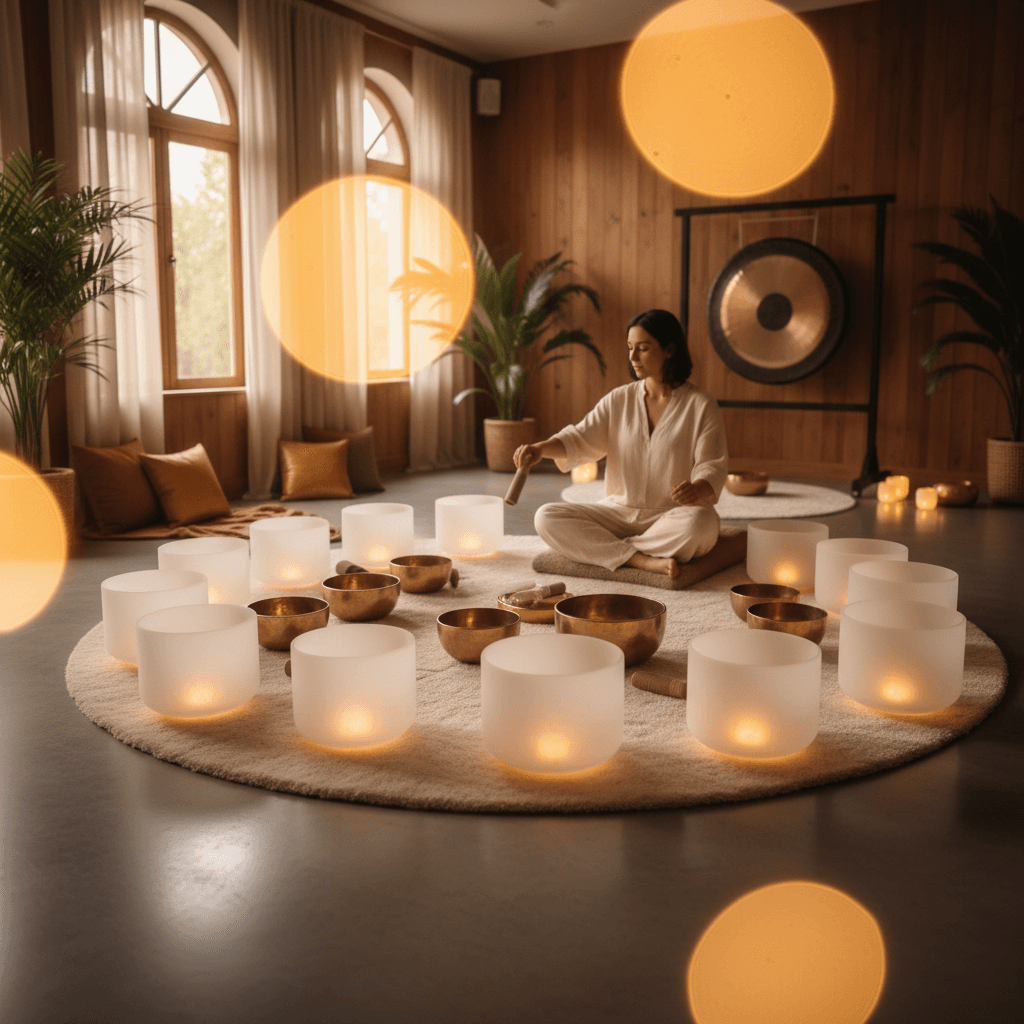
The experience is multi-sensory. It’s not just about what is heard, but also what is felt. The gentle yet powerful vibrations from instruments like crystal singing bowls or gongs resonate through the body, reaching deep into tissues and organs. These somatic vibrations are thought to encourage the release of muscle tension, a common precursor or accompanying symptom of headaches. The auditory tones, meanwhile, are crafted to entrain brainwaves towards calmer states, such as alpha and theta frequencies, which are associated with relaxation, meditation, and reduced stress.
Clients often describe a profound sense of peace and a feeling of "letting go" during and after a session. The mind, often racing with thoughts or fixated on discomfort, finds a point of focus in the evolving soundscape, allowing it to quiet. This intentional distraction, coupled with physiological relaxation, can shift the body out of a sympathetic (fight-or-flight) response and into a parasympathetic (rest-and-digest) state. This nervous system regulation is crucial for overall well-being and is a key mechanism through which sound wellness may support individuals prone to migraines.
Many people report that the sustained exposure to harmonious frequencies helps to interrupt the headache cycle, reduce the intensity of an existing headache, or even prevent the onset of a new one by mitigating stress—a significant migraine trigger. The consistent engagement with sound protocols creates a cumulative effect, training the nervous system to return to a state of balance more readily. This practice empowers individuals with a tool for self-regulation, offering a complementary strategy in their holistic wellness plan.
The Soul Art Approach: Larissa Steinbach's Philosophy of Harmonic Healing
At Soul Art, Dubai, Larissa Steinbach has cultivated a unique and deeply personalized approach to sound wellness, particularly for those seeking complementary support for migraines and chronic headaches. Her philosophy is rooted in the belief that true well-being emerges from harmonizing the individual's energetic and physiological systems. Larissa's method is not about masking symptoms but about addressing the underlying imbalances that may contribute to neurological stress.
What makes the Soul Art method unique is its blend of ancient wisdom and contemporary understanding of the nervous system. Larissa meticulously curates each sound journey, often customizing protocols based on an individual's specific needs and reported experiences. She understands that each person's response to sound is unique, and therefore, a "one-size-fits-all" approach is rarely effective. This bespoke attention ensures a highly effective and deeply personal wellness experience.
Larissa utilizes a rich array of sacred instruments, each selected for its specific tonal qualities and vibrational resonance. These include:
- Gongs: Known for their deep, immersive vibrations that can facilitate profound states of relaxation and release. Their complex overtones are excellent for disrupting mental chatter.
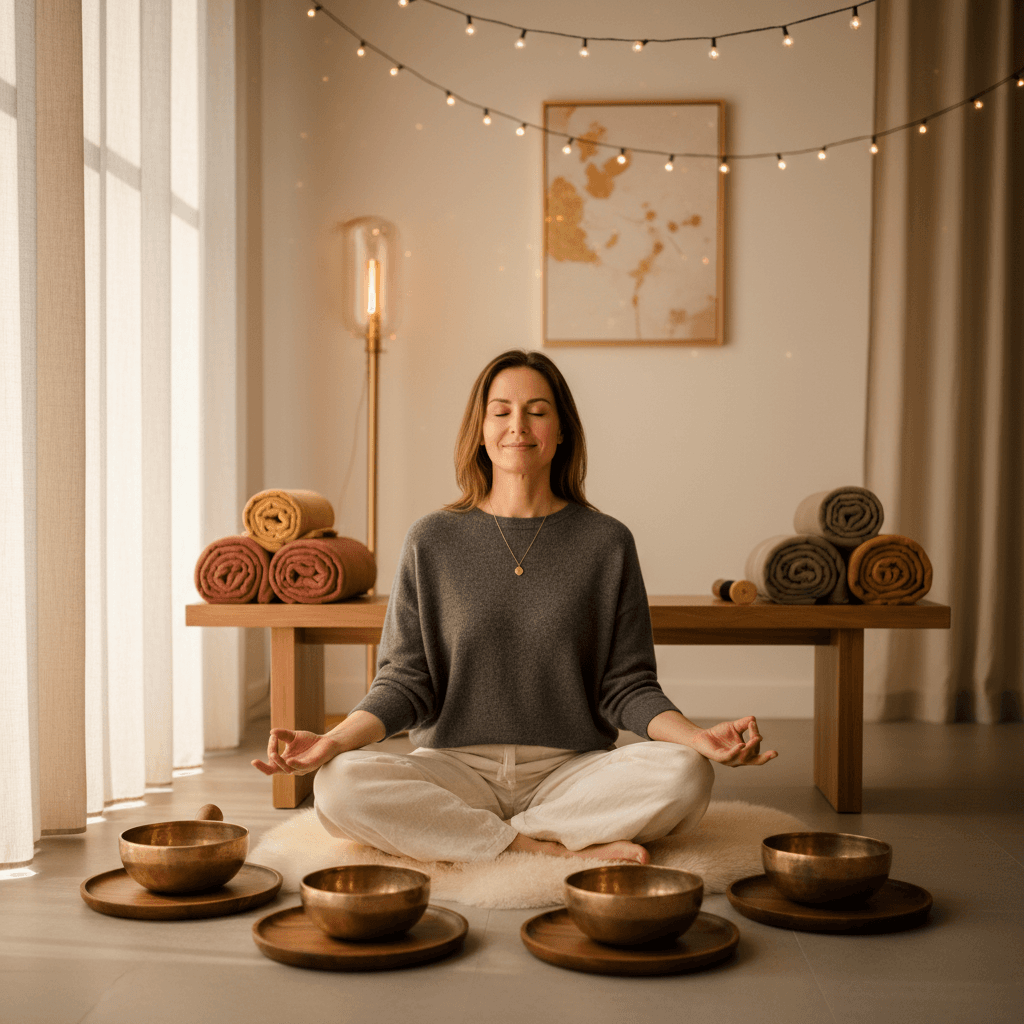
- Crystal Singing Bowls: Tuned to specific frequencies, these bowls create pure, sustained tones that are believed to resonate with the body's energy centers, promoting balance and cellular regeneration.
- Himalayan Singing Bowls: Offering a different timbre and vibrational quality, these traditional bowls contribute to a rich, earthy soundscape that grounds and calms the nervous system.
- Tuning Forks: Precision-tuned forks can be used on or around the body to target specific areas, promoting localized relaxation and energetic alignment.
- Binaural Beats: While not instruments in the traditional sense, Larissa may incorporate carefully composed binaural beats through headphones. These create an auditory illusion perceived by the brain when two slightly different frequencies are presented to each ear, guiding brainwaves into desired states of relaxation or focus, similar to the principles observed in HIRREM research.
Larissa Steinbach emphasizes creating a serene and safe environment, allowing clients to fully surrender to the experience. Her approach helps clients not only relax but also to develop a greater awareness of their own body's responses and needs. By consistently offering a space for nervous system regulation, Soul Art aims to empower individuals to cultivate resilience against the stresses that can exacerbate migraine conditions, fostering a greater sense of peace and control over their well-being.
Your Next Steps: Embracing Sound for Wellness
Integrating sound into your wellness routine can be a transformative step, especially if you are seeking complementary strategies for migraine management. It’s important to approach this journey with intention and in conjunction with professional medical advice. Sound wellness is a powerful self-care practice that can significantly enhance your overall quality of life.
Here are some actionable steps you can take today to explore the benefits of sound:
- Consult Your Healthcare Provider: Always discuss any new wellness practices with your doctor, especially if you have a medical condition like migraines. Sound wellness is a complementary approach and should not replace your prescribed medical treatments.
- Curate Your Home Soundscape: Begin by exploring calming music. Create playlists of classical, new age, or ambient soundscapes that you find soothing. Experiment with different genres and even frequencies, noting how they impact your mood and body. Even studies suggest some individuals find relief from specific, personally enjoyable sounds, including those with heavy bass.
- Integrate Mindfulness and Sound: Combine sound with simple mindfulness exercises. Listen to a calming track while focusing on your breath, allowing the sounds to anchor your attention and release tension. This can be a daily practice to reduce overall stress levels.
- Explore Guided Meditations with Sound: Many apps and online resources offer guided meditations that incorporate specific sound frequencies or relaxing music. These can help train your brain to achieve deeper states of relaxation and focus, potentially mitigating stress responses.
- Experience Professional Sound Wellness: Consider booking a session at a reputable studio like Soul Art in Dubai. Under the guidance of an experienced practitioner like Larissa Steinbach, you can experience the profound effects of targeted sound protocols in a safe and supportive environment. A professional session offers a unique opportunity for deep nervous system regulation and personalized vibrational healing.
Soul Art is still in preparation. Session details and booking will be published here after launch.
Bookings Coming Soon
Soul Art is still in preparation. Session details and booking will be published here after launch.
Coming Soon
In Summary: A New Harmony for Migraine Wellness
Migraines, a debilitating neurological disorder affecting millions, present complex challenges for sufferers, impacting physical, psychological, and social well-being. While pharmacological treatments are vital, a growing body of research suggests that sound protocols offer a promising complementary path for holistic wellness. From innovative neurotechnologies like HIRREM, which mirror brain frequencies to promote neurological balance, to the soothing power of music therapy for stress reduction and pain distraction, sound offers a unique avenue for support.
At Soul Art, Larissa Steinbach champions a personalized and empathetic approach, curating bespoke sound journeys with instruments like gongs, crystal singing bowls, and binaural beats. These sessions aim to guide the nervous system towards states of profound relaxation, potentially mitigating migraine triggers and fostering greater resilience. Embracing sound wellness, as a complementary practice alongside medical guidance, offers individuals a powerful tool to cultivate inner calm, regulate their nervous system, and enhance their overall quality of life. Explore the transformative potential of sound and discover a new harmony for your well-being at Soul Art.
Wellness Disclaimer: This article is for educational and informational purposes only. It does not constitute medical advice, diagnosis, or treatment. Soul Art Dubai provides non-medical wellness experiences focused on relaxation, stress management, and general wellbeing. Sound wellness is a complementary practice and should not replace professional medical care.