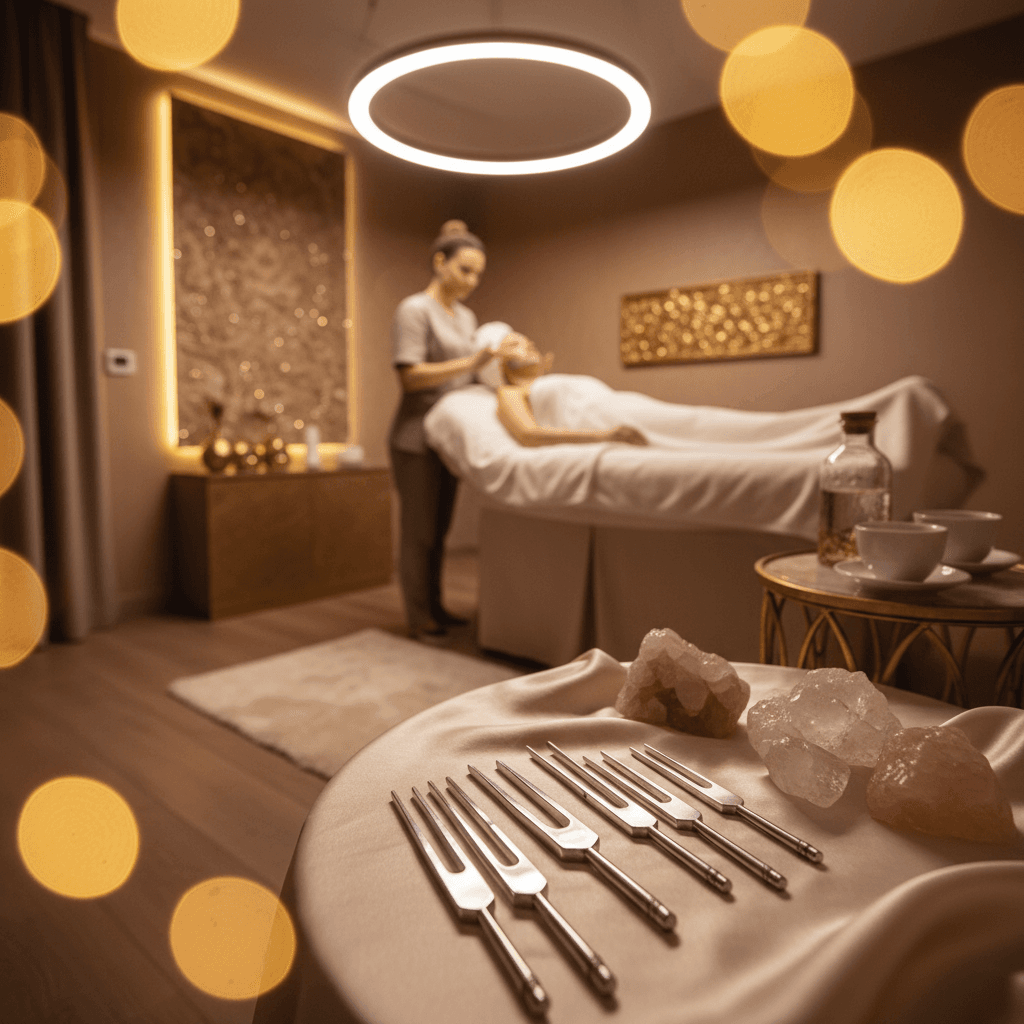
Hair Loss Prevention: The Stress-Sound Connection

Key Insights
Discover how chronic stress impacts hair health and explore the scientific link between deep relaxation, sound wellness, and promoting vibrant hair from within at Soul Art Dubai.
Hair Loss Prevention: The Stress-Sound Connection
Have you ever noticed your hair shedding more during times of intense pressure or emotional strain? It might seem surprising, but the link between our inner emotional landscape and the vitality of our hair is far more profound than many realize. While external factors like genetics and diet play a role, the silent, pervasive force of stress often acts as an overlooked culprit in the journey of hair loss.
At Soul Art, Dubai's premier sound wellness studio founded by Larissa Steinbach, we delve into the intricate connections between mind, body, and spirit. This article explores the compelling scientific evidence linking chronic stress to hair loss and unveils how the deep relaxation offered by sound wellness may support hair health from within. We believe that by understanding and addressing the root causes of imbalance, we can cultivate not only inner peace but also outward radiance.
This exploration will guide you through the latest research on stress-induced hair loss, illustrate how targeted sound experiences can rebalance your nervous system, and offer practical steps to integrate these insights into your daily life. Prepare to uncover a holistic approach to nurturing your hair, starting with the profound power of your own well-being.
The Science Explained: Unraveling the Stress-Hair Nexus
The relationship between stress and hair loss is not merely anecdotal; it is increasingly backed by robust scientific research. Our hair, a sensitive barometer of our internal state, responds significantly to chronic stress by altering its natural growth cycle and even triggering complex physiological pathways. Understanding these mechanisms is the first step towards prevention and support.
The Hair Growth Cycle: A Delicate Balance
Hair growth occurs in a precise cycle, crucial for maintaining healthy locks. This cycle comprises three primary stages:
- Anagen (Growth Phase): This is the active growth phase, lasting between two to seven years, where hair cells divide rapidly, extending the hair shaft.
- Catagen (Transition Phase): A brief transitional period of two to three weeks, during which hair growth ceases, and the hair follicle shrinks.
- Telogen (Resting Phase): This resting phase lasts for approximately three months. During this time, the old hair rests while a new hair begins the anagen phase beneath it.
- Exogen (Shedding Phase): Often considered part of the telogen phase, this is when old hairs are shed, typically around 50 to 100 hairs daily, making way for new growth.
Chronic stress can dramatically disrupt this delicate balance, prematurely pushing a disproportionate number of hair follicles from the growth phase into the resting and shedding phases, leading to noticeable thinning and loss.
Stress Hormones and Hair Follicle Stem Cells
Recent breakthroughs in research have illuminated specific molecular pathways through which stress impacts hair. A pivotal study led by Dr. Ya-Chieh Hsu of Harvard University, supported by NIH, uncovered how chronic stress directly impairs hair follicle stem cells. These stem cells are the very drivers of hair regeneration.
The culprit is often the stress hormone corticosterone (known as cortisol in humans). Researchers found that corticosterone does not directly act on stem cells but instead affects the dermal papilla, a crucial cluster of cells beneath the hair follicle. This interaction is critical for hair regeneration.
Further studies revealed that corticosterone prevents the dermal papilla from secreting GAS6, a molecule essential for activating hair follicle stem cells. Without sufficient GAS6, these vital stem cells remain inactive, stalling hair growth. In mouse models, delivering GAS6 into the skin restored hair growth even under conditions of chronic stress, highlighting a potential pathway for intervention. While further human studies are needed, these findings strongly suggest a direct hormonal link between chronic stress and impaired hair growth.
The Sympathetic Nervous System and Autoimmunity
Beyond hormonal pathways, stress can also impact hair through the nervous system, potentially triggering autoimmune responses. A study published in Cell (2025, according to source footer) highlighted how acute stress can induce rapid hair loss and even initiate autoimmunity. This mechanism involves the sympathetic nervous system, our body's "fight or flight" response.
Under stress, hyperactivated sympathetic nerves release excessive norepinephrine. This surge can cause damage, or necrosis, in rapidly dividing hair follicle transit-amplifying cells (HF-TACs), which are crucial for hair development. While sparing most hair follicle stem cells, this differential sensitivity makes HF-TACs more vulnerable to norepinephrine-induced calcium surges.
The cellular debris from HF-TAC necrosis then triggers an immune response, leading to macrophage-mediated clearance and dendritic cell activation. This chain of events can ultimately activate and amplify autoreactive T cells, potentially contributing to autoimmune conditions like alopecia areata, where the body's immune system mistakenly attacks hair follicles. This research underscores the deep connection between our nervous system, stress, and the immune system's impact on hair health.
Types of Stress-Related Hair Loss
Clinically, several types of hair loss are recognized as being exacerbated by or directly linked to stress:
- Telogen Effluvium: This is the most common form of stress-related hair loss. Significant emotional or physical stress can prematurely push a large number of hair follicles into the resting (telogen) phase. Within a few months, affected hairs may fall out suddenly when combing or washing.
- Trichotillomania: An irresistible urge to pull out one's own hair, often from the scalp, eyebrows, or other body areas. This impulse is frequently a coping mechanism for negative feelings, including stress, tension, loneliness, or frustration, and can be severely exacerbated by prolonged stress.
- Alopecia Areata: In this autoimmune condition, the body's immune system attacks healthy hair follicles, leading to patchy hair loss. While various factors contribute, severe stress is considered a possible trigger or exacerbating factor in many cases.
These conditions highlight the diverse ways stress can manifest on our scalp, from disrupting natural growth cycles to triggering complex immune reactions.
Cortisol as a Biomarker of Chronic Stress
The presence of cortisol in hair offers an objective measure of long-term stress exposure. Hair grows approximately one centimeter per month, allowing researchers to analyze cortisol levels in hair segments to assess stress over extended periods. Studies have shown that mental training, such as meditation, can effectively reduce the concentration of this stress hormone in hair. This provides concrete evidence that stress-reduction practices can physically mitigate the signs of prolonged stress, thereby potentially creating a more favorable environment for hair vitality.
"The subtle whispers of our internal world, often amplified by stress, can manifest in the most unexpected ways, even affecting the very strands of our hair. To truly nurture our hair, we must first nurture our nervous system."
How It Works in Practice: The Transformative Power of Sound
Understanding the science behind stress and hair loss paves the way for effective, holistic strategies. At Soul Art, we recognize that by addressing the root cause – chronic stress and nervous system dysregulation – we can foster an internal environment that supports overall well-being, including hair vitality. This is where the profound practice of sound wellness enters the picture.
Sound therapy, including the use of specific frequencies like green noise, is a powerful tool for promoting deep relaxation and nervous system rebalancing. While direct research linking specific sound frequencies to hair growth is emerging, a substantial body of evidence connects sound wellness to stress reduction, improved sleep, and the regulation of stress hormones. These are all crucial factors that indirectly but significantly impact hair health.
When you immerse yourself in a sound wellness session, you enter a carefully crafted sonic environment designed to soothe your nervous system. The frequencies, whether from crystal singing bowls, gongs, or gentle ambient sounds, act as an auditory balm, guiding your brainwaves into states of deep relaxation, such as alpha and theta. This shift away from the "fight or flight" response (sympathetic nervous system dominance) activates the "rest and digest" response (parasympathetic nervous system).
This profound relaxation has several benefits for hair health. Firstly, it may support the reduction of circulating stress hormones like cortisol and norepinephrine, thereby mitigating their negative impact on hair follicle stem cells and reducing the risk of stress-induced damage. Secondly, by promoting better sleep quality, sound wellness ensures that the body has ample opportunity for repair and regeneration, processes vital for healthy hair growth. Many people report an improved sense of calm and a reduction in anxiety after regular sound sessions, which creates a more balanced internal environment where hair can thrive.
The experience is deeply sensory and immersive. You might lie comfortably, enveloped in gentle vibrations that resonate through your body, releasing tension you didn't even realize you were holding. The mindful breathing encouraged during these sessions further enhances relaxation, helping to regulate heart rate and calm the mind. It’s not just about listening; it’s about feeling the sound transform your internal state, creating a sanctuary where healing and restoration can begin.
The Soul Art Approach: Curated Sound for Inner Harmony
At Soul Art, Larissa Steinbach and her team are dedicated to crafting unparalleled sound wellness experiences that prioritize holistic well-being. Our approach goes beyond mere relaxation; it's a carefully curated journey designed to restore balance to your nervous system, foster emotional resilience, and create an optimal internal environment conducive to all aspects of health, including vibrant hair.
Larissa Steinbach's vision for Soul Art is rooted in the belief that true beauty emanates from inner harmony. We understand that addressing chronic stress is paramount for preventing hair loss and supporting its natural vitality. Our sessions are meticulously designed to activate the parasympathetic nervous system, guiding you into a state of profound rest and regeneration where the body's innate healing mechanisms can flourish.
What makes the Soul Art method unique is its blend of ancient wisdom and contemporary understanding of neuroscience. We utilize a diverse array of sacred instruments, each chosen for its specific resonant qualities:
- Crystal Singing Bowls: Their pure, sustained tones create a vibrational field that can deeply penetrate the body, promoting cellular relaxation and energetic alignment.
- Gongs: The rich, complex overtones of gongs are renowned for their ability to induce altered states of consciousness, facilitating deep meditation and releasing stagnant energy.
- Himalayan Bowls: Hand-hammered, these bowls produce earthy, grounding tones that help to anchor the body and calm the mind.
- Ocean Drums and Chimes: These instruments introduce natural, soothing sounds that evoke a sense of peace and connection to the natural world.
Beyond the instruments, our sessions integrate mindful breathing techniques and gentle guidance, allowing you to fully surrender to the experience. We create an ambiance of quiet luxury, ensuring every detail contributes to your comfort and profound relaxation. By consistently reducing stress through these immersive sound journeys, Soul Art clients may find themselves creating an internal climate more favorable for healthy hair growth and overall vitality. Our aim is to empower you with tools for self-care that extend far beyond the studio, fostering a sustainable pathway to well-being and radiant health.
Your Next Steps: Integrating Sound into Your Life
Taking proactive steps to manage stress is key to supporting your hair's health and vitality. Integrating sound wellness into your routine can be a gentle yet powerful way to cultivate inner calm and reduce the physiological impact of chronic stress. Here are some actionable steps you can implement today:
- Prioritize Daily Stress Reduction: Dedicate 10-15 minutes each day to a calming practice. This could be listening to soothing nature sounds or green noise, engaging in deep breathing exercises, or gentle stretching. Consistency is more impactful than intensity.
- Explore Sound Wellness Sessions: Consider booking a session at Soul Art. Experiencing guided sound relaxation can provide a deeper level of nervous system reset than you might achieve on your own, setting a foundation for sustained calm. Our experienced facilitators ensure a truly transformative journey.
- Create a Mindful Hair Care Routine: Practice a warm oil scalp massage weekly, as described in some wellness traditions. While massaging, focus on deep, slow breaths. This not only nourishes the scalp but also offers a mindful moment of self-care and stress release.
- Optimize Your Sleep Environment: Use ambient, calming sounds (like green noise) at a low volume in the background to create a peaceful environment conducive to restful sleep. Quality sleep is crucial for the body's repair processes, including those that support hair health.
- Seek Professional Guidance When Needed: If you experience sudden, significant, or patchy hair loss, consult a healthcare professional. While wellness practices like sound therapy can be wonderfully supportive, they are complementary and should not replace professional medical advice for underlying conditions.
Embracing these steps can help you build resilience against stress, fostering a healthier internal environment that may support your hair from the inside out. Begin your journey towards a more balanced nervous system and rediscover your hair's natural vitality.
In Summary: Nurturing Your Hair, Nurturing Your Soul
The intricate connection between chronic stress and hair loss is undeniable, with scientific research continually illuminating the complex hormonal and neurological pathways involved. From the impact of stress hormones like corticosterone on hair follicle stem cells to the sympathetic nervous system's role in potential autoimmune responses, managing stress is clearly paramount for maintaining hair vitality. Fortunately, practices like sound wellness offer a powerful, complementary approach to rebalancing the nervous system and mitigating these negative effects.
At Soul Art, Larissa Steinbach's vision for holistic wellness provides a sanctuary where you can deeply relax, reduce stress, and foster an optimal internal environment. Through expertly guided sound journeys, we aim to support your body's natural regenerative processes, potentially leading to healthier, more resilient hair. By prioritizing your inner calm, you invest not only in your well-being but also in your outward radiance. We invite you to experience the transformative power of sound and unlock a more vibrant you.
Bookings Coming Soon
Soul Art is still in preparation. Session details and booking will be published here after launch.
Coming Soon
Related Articles

Unlock Serenity: Sound Wellness for Dental Anxiety & Cosmetic Procedures
Sound for Vision: Enhancing Eye Health Through Wellness
Unlock Stronger Nails: The Vibrational Path to Enhanced Circulation