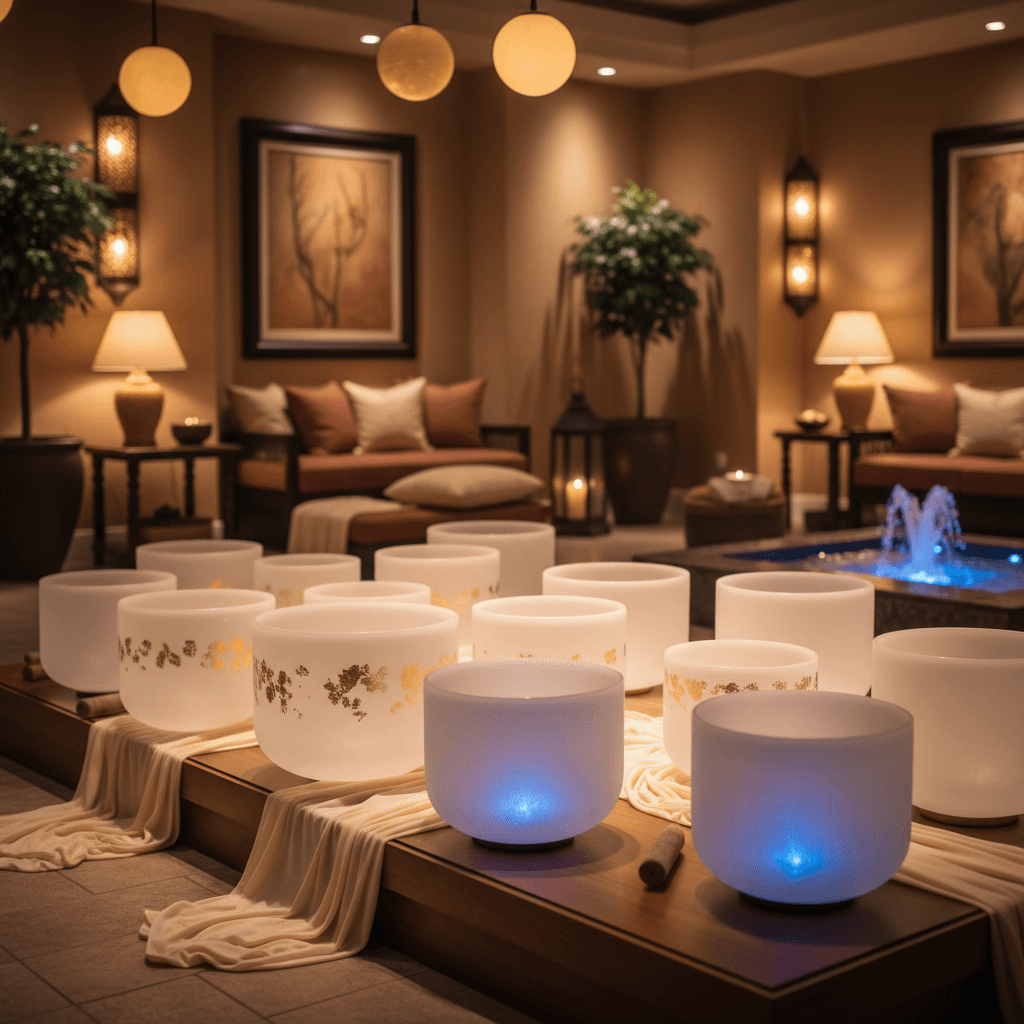
Sound for Vision: Enhancing Eye Health Through Wellness
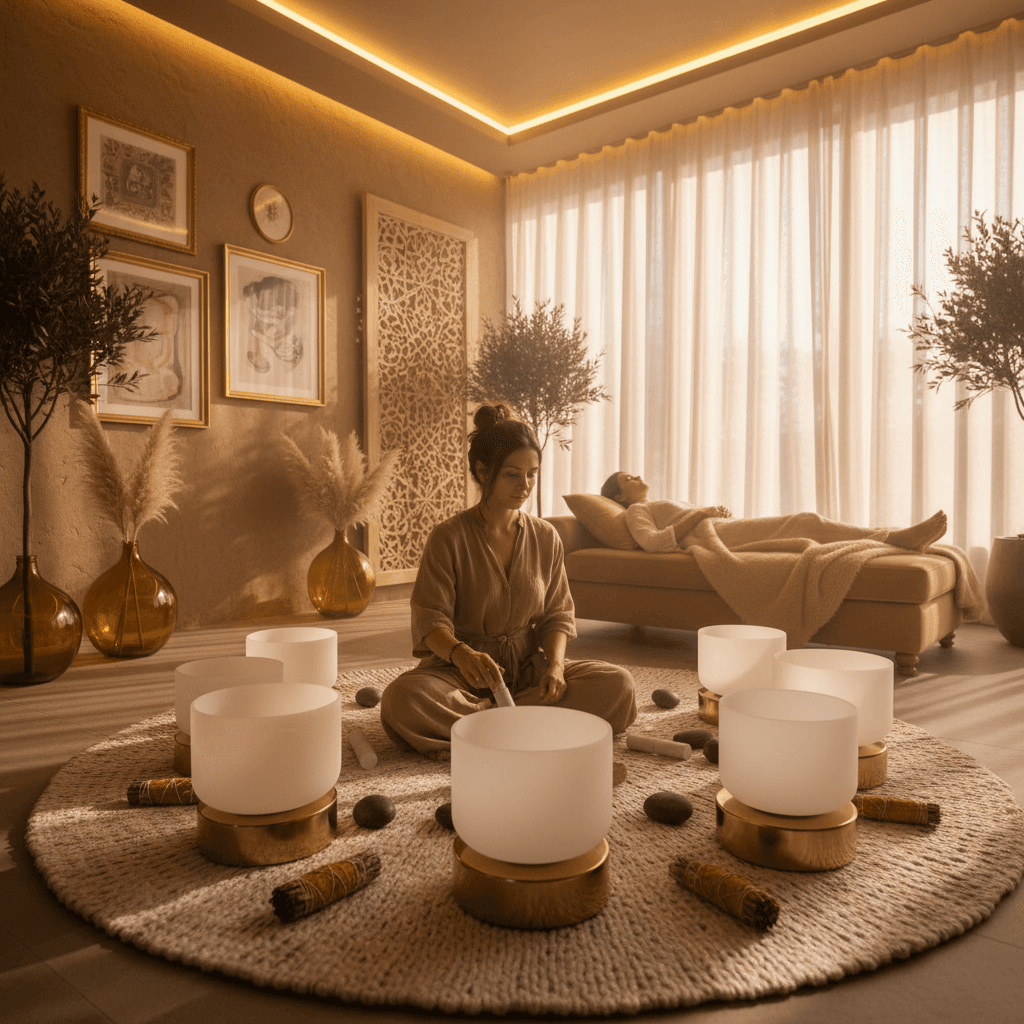
Key Insights
Explore how sound wellness practices may support eye health and reduce strain in a screen-dominated world. Discover Soul Art's holistic approach for vision well-being.
The world today demands our eyes like never before. With an ever-increasing reliance on digital screens for work, communication, and entertainment, it's easy to assume our vision health is simply a matter of prescription updates or occasional check-ups. Yet, recent research reveals a surprising truth: despite these pressures, most people don't feel a strong sense of urgency about proactive eye care.
The latest findings from Versant Health’s 4th Annual Vision Wellness Study reveal a telling statistic: three in four U.S. adults experience daily disruptions due to poor eyesight or eye health. This widespread impact, coupled with an aging global population, signals a silent "wake-up call" for how we perceive and prioritize our vision. But what if the path to enhanced eye well-being extended beyond traditional methods, embracing a holistic approach that nurtures the intricate connection between our senses and overall vitality?
At Soul Art, Dubai's premier sound wellness studio, founded by Larissa Steinbach, we explore just such a path. This article delves into the scientifically grounded principles behind how sound wellness may offer a complementary approach to supporting vision health, reducing strain, and fostering a deeper sense of clarity and ease in a visually demanding world. Prepare to uncover a profound connection between what you hear and how you see, and learn how to integrate these insights into your daily life for lasting well-being.
The Intricate Connection: Sound, Brain, and Vision
The idea that sound can influence our vision may seem counterintuitive at first glance. However, emerging research in neuroscience and ophthalmology is shedding light on the profound, often indirect, ways in which auditory experiences can impact our visual system and overall ocular well-being. Understanding these connections is crucial for anyone seeking a holistic approach to eye health.
America's Eye Health Wake-Up Call: A Modern Challenge
A significant portion of the global population is increasingly facing challenges related to eye health. Versant Health’s 4th Annual Vision Wellness Study (2025) highlights a critical disconnect: despite pervasive screen time and demographic shifts, a sense of urgency around comprehensive vision care remains low. This is concerning, given that three in four U.S. adults report daily disruptions stemming from poor eyesight or eye health.
The study underscores that merely recognizing the problem isn't enough; changing mindsets is key. A substantial nine in ten individuals believe that connecting vision to overall well-being can spur more proactive care. This insight is particularly vital, as four in five people state they would be more inclined to use their vision benefits if provided with more information about managing eye health and its broader connection to their overall health landscape. This data presents a compelling case for integrative wellness practices that bridge this gap.
The Neurological Pathways: How Sound Influences Vision
The brain is a master orchestrator, constantly integrating sensory information. Sound, particularly music, has been extensively studied for its anxiolytic (anxiety-reducing) properties, which in turn can have measurable effects on various body systems, including those related to vision. For instance, studies on cataract surgery patients have shown that listening to music pre-surgery is associated with decreased anxiety. Cruise and colleagues reported that patients undergoing cataract surgery with relaxing music present were more comfortable than those with only operating room noise.
This reduction in stress and anxiety is a powerful mechanism. Chronic stress can elevate stress hormones such as adrenalin and cortisol, which may have systemic effects on the body. While direct long-term impacts on specific eye conditions require further extensive research, preliminary studies, like Bertelmann's work on primary open-angle glaucoma patients, have indicated short-term improvements in best corrected visual acuity, intraocular pressure (IOP), and mental state when relaxation music was incorporated. Though the study had a small sample size and short duration, its findings suggest a promising avenue for complementary support.
Furthermore, sound can influence visual processes on a more fundamental level. Research by Smith and Martin-Portugues Santacreu demonstrated that sound plays an important role in how we perceive visual changes, specifically in film editing. They found that sound can influence "change blindness," suggesting that audio may either deepen engagement with visual content or reduce the cognitive resources allocated to detecting visual shifts. Other studies have observed that blink frequency can be affected by music, indicating a physiological response within the visual system.
For individuals with visual impairment, the brain's plasticity allows for remarkable adaptations. Studies show that groups with severe visual losses may judge farther sound distances more accurately than sighted participants, demonstrating the critical role vision plays in calibrating auditory space, and conversely, how the auditory system can compensate. While sound doesn't "cure" vision loss, it may foster resilience and independence in adapting to such changes, as highlighted in "The Ophthalmologist."
The intricate connection between the retina-gut-brain axis is also gaining clarity, emphasizing the holistic nature of our physiological systems. By promoting a state of calm and reducing systemic stress through sound, we create an optimal internal environment. This allows the body’s innate regulatory systems, including those supporting ocular function and visual processing, to operate more efficiently.
From Theory to Tranquility: Experiencing Sound for Vision Wellness
Translating the scientific understanding of sound's impact on the brain and nervous system into practical applications for vision wellness involves creating immersive experiences that harness specific frequencies and vibrations. These experiences, known as sound baths or sound journeys, are designed to guide the body and mind into profound states of relaxation, indirectly benefiting our visual health.
The Soothing Frequencies: Reducing Ocular Stress
In a sound wellness session, clients lie comfortably, enveloped in a symphony of resonant tones produced by instruments like crystal singing bowls, gongs, and chimes. These instruments generate frequencies and vibrations that are known to entrain brainwaves, shifting them from active beta states to more relaxed alpha and even deeply restorative theta states. This induced relaxation is far more than just a pleasant sensation; it's a physiological shift.
When the body enters this state of deep calm, the parasympathetic nervous system is activated, counteracting the "fight or flight" response often triggered by daily stressors and excessive screen time. This activation leads to a reduction in stress hormones, lowered heart rate, and decreased muscular tension throughout the body. While sound wellness does not directly "improve" vision, the alleviation of systemic stress has a profound indirect benefit on ocular health. Many people report feeling a sense of release in their eye muscles, a reduction in tension headaches often associated with eye strain, and an overall feeling of ease around the eyes after a session.
Consider the preliminary findings from the glaucoma study, where relaxation music was associated with improved visual acuity and intraocular pressure. While not a treatment, this indicates a potential for sound to support a healthier ocular environment by mitigating the physiological markers of stress. The sustained mental and physical relaxation achieved during a sound bath can thus be seen as a complementary tool in managing daily visual fatigue and promoting a sense of well-being for the eyes.
Beyond the Visible: Enhancing Perceptual Well-being
Sound wellness aims not just to soothe the physical body, but also to sharpen our perceptual awareness and cognitive function. While direct effects on eye movements or scene perception are still under investigation, the overall calming effect of sound can enhance our ability to process visual information without mental fatigue. By reducing cognitive load associated with stress, we free up mental resources that can then be dedicated to more efficient visual processing.
For individuals navigating visual challenges, music and sound can be powerful tools for adaptation and resilience. Kesh Patel, who experienced progressive vision loss, shared in "The Ophthalmologist" how music fostered resilience, creativity, and independence in his journey. This speaks to the profound ability of sound to support overall well-being and adaptation, even in the face of sensory changes.
Moreover, engaging with sound cultivates a heightened sense of presence and mindfulness. When our minds are less cluttered by distractions and stress, we become more attuned to our sensory input, including what we see. This can lead to a more relaxed and engaged visual experience, potentially reducing the mental strain often associated with prolonged visual tasks. The practice encourages us to perceive the world not just through our eyes, but through an integrated sensory experience that promotes clarity and calmness.
"In a world demanding constant visual engagement, allowing ourselves to deeply listen can paradoxically bring greater clarity to what we see. It’s about creating internal space for true perception."
This holistic approach recognizes that optimal vision well-being is not solely about the physical state of the eyes but is deeply intertwined with our mental, emotional, and nervous system health. By addressing systemic stress and fostering a state of mindful relaxation, sound wellness offers a unique pathway to supporting and enhancing our perceptual well-being, contributing to healthier, more resilient eyes.
The Soul Art Signature: Larissa Steinbach's Holistic Vision
At Soul Art, Dubai, the art of sound wellness is elevated to an exquisite experience, meticulously curated by its visionary founder, Larissa Steinbach. Recognizing the multifaceted challenges of modern life, Larissa has designed a sanctuary where individuals can escape the relentless demands of the visual world and rediscover inner harmony through the profound power of sound. Her approach is rooted in an understanding of both ancient wisdom and cutting-edge neuroscience, providing a truly integrative path to well-being.
A Sanctuary for Sensory Harmony
Soul Art stands as a testament to "quiet luxury," offering an environment designed for deep relaxation and sensory renewal. Every detail, from the ambient lighting to the ergonomic comfort of the spaces, is crafted to enhance the sound experience. Larissa Steinbach’s philosophy transcends mere sound delivery; it’s about creating a profound energetic and physiological shift that supports the body's innate capacity for balance.
Larissa's integrative methodology specifically addresses the stressors that impact visual well-being. She understands that prolonged screen time, environmental pressures, and the general pace of modern life contribute to systemic stress, which can manifest as ocular tension and fatigue. Her sessions are not prescriptive medical treatments but rather carefully orchestrated wellness journeys designed to soothe the nervous system and foster a state conducive to overall health, including that of the eyes. This holistic perspective views ocular health as inextricably linked to our complete mental and physical state.
Curated Frequencies for Ocular Rejuvenation
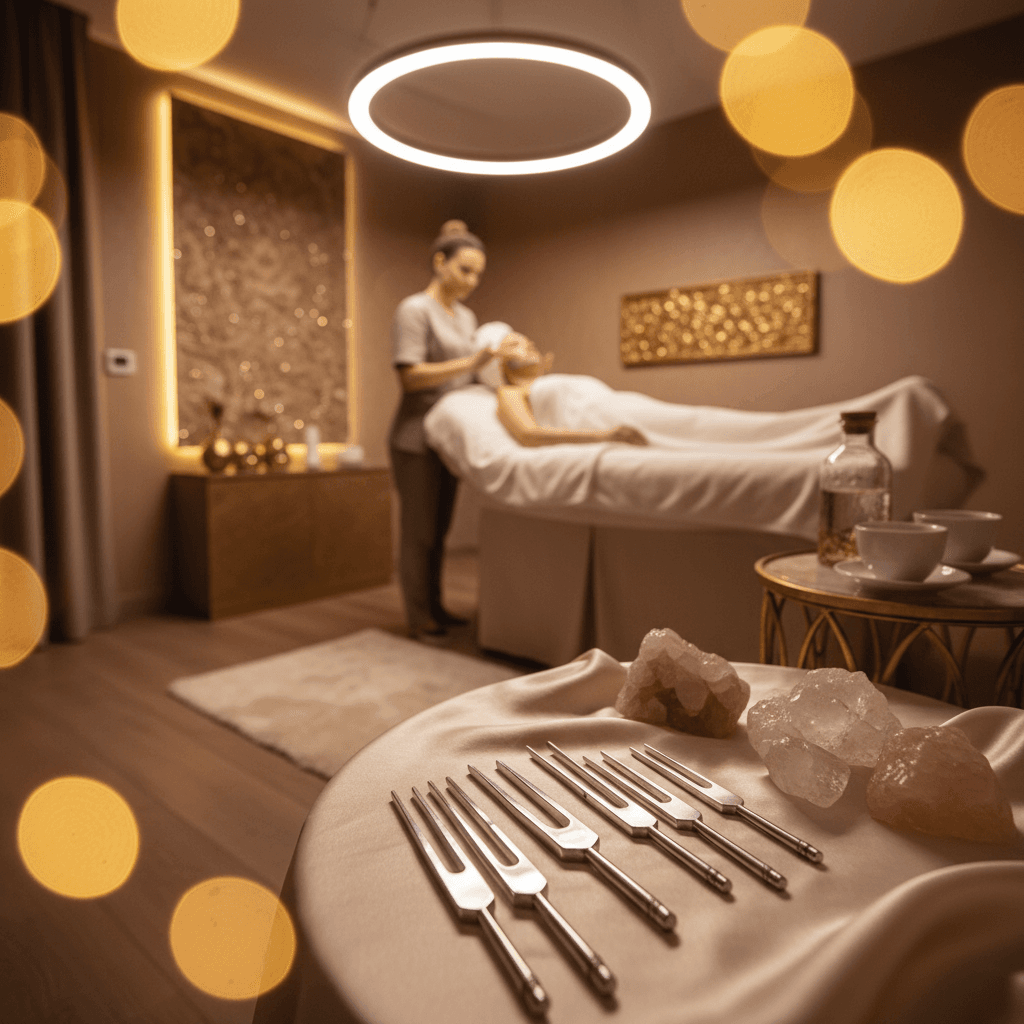
The Soul Art method employs a diverse array of sacred sound instruments, each chosen for its unique vibrational quality and potential to induce deep states of relaxation. These include the resonant tones of Tibetan singing bowls, the deep reverberations of gongs, the pure frequencies of crystal bowls, and the delicate melodies of chimes and tuning forks. Larissa Steinbach skillfully blends these instruments to create a symphonic experience that guides participants into states of profound calm.
During a session, these sonic vibrations are believed to entrain brainwaves, gently encouraging the brain to shift into more restorative frequencies such as alpha (associated with relaxed awareness) and theta (linked to deep meditation and creativity). This deep relaxation is a cornerstone of the Soul Art experience, as it directly addresses the root causes of many modern ailments, including those contributing to ocular strain. By reducing overall systemic stress, these curated frequencies may help to alleviate tension around the eyes, support improved blood flow, and provide a mental respite from constant visual input.
The aim at Soul Art is to offer a complementary self-care practice that supports the natural resilience of the eyes and the mind. Whether through personalized one-on-one sessions or shared group experiences, each journey is designed to foster a sense of renewal, leaving clients feeling centered, deeply relaxed, and with a renewed sense of clarity and ease – a holistic approach to nurturing vision wellness from within.
Integrating Sound Wellness into Your Daily Routine
Embracing sound wellness for eye health isn't just about attending sessions; it's about integrating mindful practices into your daily life. While sound baths at Soul Art offer a profound experience, there are many simple, actionable steps you can take to support your vision well-being every day. These practices work synergistically to reduce strain, enhance relaxation, and foster a more holistic approach to ocular care.
Here are some practical steps you can implement:
- Practice the 20-20-20 Rule: For every 20 minutes spent looking at a screen, take a 20-second break to look at something 20 feet away. This simple exercise helps to relax your eye muscles and reduce digital eye strain.
- Embrace Gratitude: Incorporate a daily gratitude practice. Bernadette Melnyk, Chief Wellness Officer at The Ohio State University, advocates for thinking of three things you are grateful for each day. Studies suggest this promotes overall wellness, which in turn supports systemic health, including eye health through the retina-gut-brain axis.
- Mindful Listening Breaks: Dedicate short periods throughout your day to simply listen. Put on calming music, nature sounds, or even just focus on the ambient sounds around you. This practice can offer a mental respite from visual stimulation and reduce cognitive fatigue.
- Consider Nutritional Support (with professional guidance): Discuss with your healthcare professional the potential benefits of certain nutrients for eye health. Research like the AREDS2 study highlighted the role of lutein, zeaxanthin, and omega-3 fatty acids in supporting macular health. The DiVFuSS study also showed improvements in visual function with certain supplements in diabetic patients.
- Explore Sound Wellness: Experience a deeper level of relaxation and support for your nervous system by booking a session at Soul Art. Our expertly guided sound journeys with Larissa Steinbach provide an immersive environment designed to foster profound calm and well-being.
By consciously incorporating these practices, you create a supportive environment for your eyes and overall health. Soul Art is here to guide you on this journey, offering a unique opportunity to experience the restorative power of sound.
Reclaiming Clarity: A Holistic Path to Vision Wellness
In an age dominated by screens and visual demands, our eyes are under unprecedented stress, often without us fully acknowledging the toll it takes. The critical findings from Versant Health reveal a modern paradox: widespread disruptions to daily life due to eye health issues, yet a pervasive lack of urgency in addressing them proactively. This underscores the need for a shift in perspective, embracing complementary wellness practices that support our vision from a holistic standpoint.
This article has illuminated how sound wellness, particularly the expertly curated experiences at Soul Art by Larissa Steinbach, may offer a powerful, non-invasive avenue to support eye health. By leveraging the scientifically established links between sound, reduced anxiety, and neurological modulation, sound baths provide a profound pathway to systemic relaxation. This deep state of calm in turn may alleviate ocular stress, enhance perceptual well-being, and free cognitive resources, fostering an optimal internal environment for visual function.
Soul Art's unique approach, combining ancient wisdom with a modern understanding of the brain-body connection, creates a sanctuary where clients can experience deep restoration. Through the resonant frequencies of carefully selected instruments, Larissa Steinbach guides individuals towards a renewed sense of clarity and ease. It is a gentle reminder that true vision wellness extends beyond what meets the eye, encompassing the tranquility of the mind and the harmony of the body.
Ready to explore a complementary path to nurturing your vision and reclaiming your inner calm? We invite you to experience the transformative power of sound at Soul Art.
Bookings Coming Soon
Soul Art is still in preparation. Session details and booking will be published here after launch.
Coming Soon
Wellness Disclaimer: This article is for educational and informational purposes only. It does not constitute medical advice, diagnosis, or treatment. Soul Art Dubai provides non-medical wellness experiences focused on relaxation, stress management, and general wellbeing. Sound wellness is a complementary practice and should not replace professional medical care.
Related Articles
Unlock Serenity: Sound Wellness for Dental Anxiety & Cosmetic Procedures
Unlock Stronger Nails: The Vibrational Path to Enhanced Circulation
Unlock Your Radiance: The Science of Posture, Beauty & Sound Alignment