Elevate Your Game: Sound for Focus and Calm in Golf
Key Insights
Discover how sound wellness and binaural beats enhance focus and calm for golfers. Improve your mental game with Soul Art Dubai by Larissa Steinbach.
Is there a hidden "secret weapon" that top golfers, often unknowingly, utilize to sharpen their focus and maintain composure under pressure? The answer may surprise you: it's the profound power of sound. In a sport where mental fortitude is as crucial as physical prowess, understanding how auditory cues can sculpt concentration and induce a state of calm offers a transformative edge.
At Soul Art, Dubai’s premier sound wellness studio, we explore the deep connection between sound, mind, and performance. This article delves into the scientifically-backed methods by which sound, from carefully curated music to specialized binaural beats, can significantly enhance a golfer’s attentional focus, regulate mood, and mitigate mental fatigue. Join us as we uncover how integrating sound wellness practices, championed by our founder Larissa Steinbach, can unlock a new level of presence and precision on the green.
The Science Explained
Golf, a sport of intricate coordination and unwavering concentration, presents a unique challenge to the human mind. Every swing, every putt, demands an optimal mental state – a delicate balance of intense focus and relaxed execution. Scientific research increasingly highlights the pivotal role of sound in cultivating this elusive equilibrium.
The Power of External Focus
A cornerstone of motor learning in golf is the concept of attentional focus. Research consistently demonstrates that directing attention externally, towards the outcome or effect of a movement, often yields superior performance compared to an internal focus on bodily mechanics. For example, focusing on the trajectory of the golf ball or the target line proves more effective than concentrating on the contraction of a calf muscle or the precise angle of a wrist.
Wulf (2013), a leading researcher in attentional focus, highlights that "the enhancements in motor performance and learning through the adoption of an external relative to an internal focus of attention are now well established." This breadth of effect spans various skills, expertise levels, and populations, impacting both the effectiveness and efficiency of performance. By shifting mental resources outward, golfers may unlock more automatic and fluid movements.
Sound as a Mental Amplifier
Music and other auditory stimuli play a fascinating role in facilitating this external attentional focus. When a golfer listens to music, it can serve as a powerful distractive mechanism, occupying the brain's limited channel processing capacity. This strategic distraction can effectively block out unhelpful internal chatter, such as superfluous swing thoughts or self-criticism, and external distractions like crowd noise.
By directing mental resources towards the auditory input, the mind is less likely to become overly preoccupied with internal sensations, which, according to the constrained action hypothesis, can interfere with automatic control processes that would normally regulate movement. Therefore, sound can help "clear the channel," allowing the golfer to maintain a narrower, more effective focus on the task at hand – the target, the tempo, or the desired outcome of the shot.
Rhythmic Precision and Arousal Regulation
Beyond mere distraction, sound offers multifaceted benefits for golfers. Music with a consistent beat can help athletes maintain a desired swing tempo, synchronizing their physical movements with an external rhythm to foster greater consistency and automaticity in their swing. This rhythmic entrainment supports motor learning and execution.
Furthermore, sound interventions are highly effective for achieving optimal physiological arousal. Depending on the chosen soundscape, music can either increase energy and motivation before a round or, critically, calm nerves and reduce anxiety in high-pressure moments. This capacity to regulate mood is particularly valuable in response to negative emotions following a poor shot or a challenging round, helping golfers reset and regain composure. Studies have shown that music intervention can effectively mitigate the negative effects of mental fatigue, a common challenge in long golf tournaments, and enhance skill performance.
The Subtlety of Impact Sounds
The very sound of a golf shot offers a wealth of information crucial for performance. The impact sound, a short, impulsive burst mainly between 1 and 10 kHz with peaks up to 127 dB, contains rich qualitative properties. These include loudness, pitch, timbre, duration, sharpness, volume, and density. These perceived qualities are directly linked to the acoustic pressure and frequency content of the strike.
This natural auditory feedback plays a critical role in auditory-motor coupling, providing instantaneous information about the quality of the strike, which golfers subconsciously use to refine their movements. The "feel" of a golf shot is not just tactile; it's profoundly auditory. Leveraging this innate connection between movement and sound offers a powerful avenue for motor learning and control, an area with significant untapped potential in sports science.
Binaural Beats: A Brainwave Symphony
One of the most intriguing applications of sound in golf wellness is the use of binaural beats. These are an auditory illusion created when two slightly different frequencies are played, one in each ear. The brain then perceives a third, pulsating tone, known as the binaural beat, which can influence brainwave activity.
By targeting specific brainwave frequencies – such as alpha waves for relaxation and focus, or theta waves for deeper meditative states – binaural beats can induce a desired mental state. This can translate into increased concentration, heightened awareness, and profound relaxation, all vital components of a successful golf game. Incorporating binaural beats into pre-game warm-ups or practice sessions may help golfers soothe their minds, prepare mentally, and maintain a sharp, focused state on the course.
"In golf, where precision meets patience, the subtle symphony of sound can transform a cluttered mind into a clear channel, guiding the golfer not just to the target, but to a deeper sense of presence."
How It Works in Practice
The application of sound wellness in golf is not merely theoretical; it manifests in tangible improvements in a golfer's mental and emotional state, directly impacting their on-course performance. Imagine stepping onto the first tee, not with a mind buzzing with distractions, but with a quiet confidence cultivated through intentional auditory preparation.
Before a round, a golfer might engage in a short sound session, listening to specially designed binaural beats or calming soundscapes. This ritual serves to soothe the nervous system, reduce pre-game anxiety, and facilitate a switch from scattered thoughts to a laser-like external focus. The intention is to prime the mind for clarity and automaticity, reducing the likelihood of overthinking during critical moments.
During practice sessions, sound can be a powerful ally. Listening to rhythmic music can help engrain a consistent swing tempo, making the physical motion feel more natural and less forced. When facing a challenging shot, a golfer might recall a specific calming sound or rhythm, subconsciously tapping into a state of relaxed concentration. This internal auditory cue can act as an anchor, drawing their attention away from potential internal stressors and back to the task at hand.
Post-round, especially after a mentally taxing game, sound wellness becomes a vital recovery tool. Just as the body needs physical rest, the mind requires decompression. Listening to restorative sound frequencies can help regulate mood, process any negative emotions from the day, and restore mental equilibrium. This allows for quicker recovery from mental fatigue, ensuring the golfer is refreshed and ready for their next challenge, free from lingering mental baggage. The direct experience is one of enhanced mental clarity, reduced internal chatter, and a heightened sense of calm, translating into more deliberate and effective play.
The Soul Art Approach
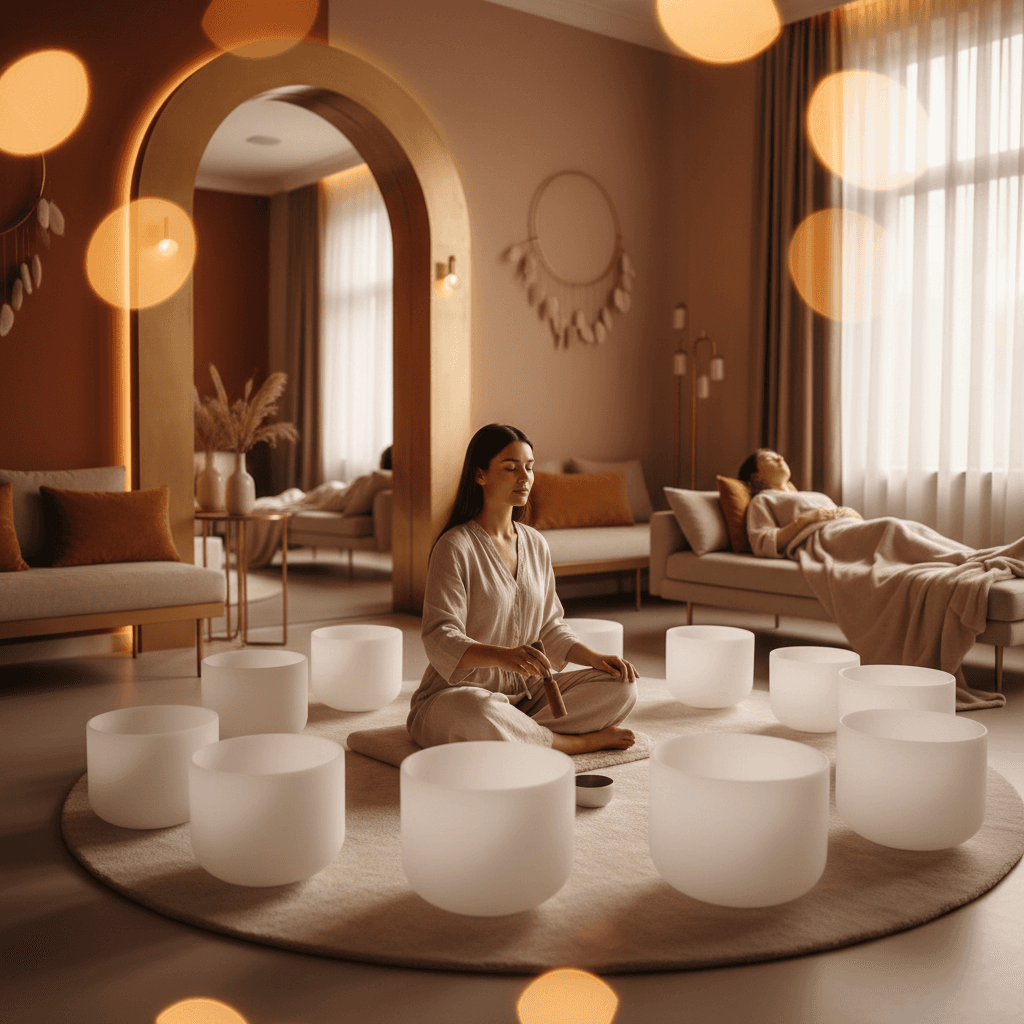
At Soul Art, Larissa Steinbach and her team harness these scientific principles to create bespoke sound wellness experiences, specifically tailored for athletes, including golfers. Our approach transcends simple background music, delving into the precise application of resonant frequencies to optimize mental states. Larissa Steinbach believes in empowering individuals to tap into their innate capacity for focus and calm, using sound as a profound catalyst.
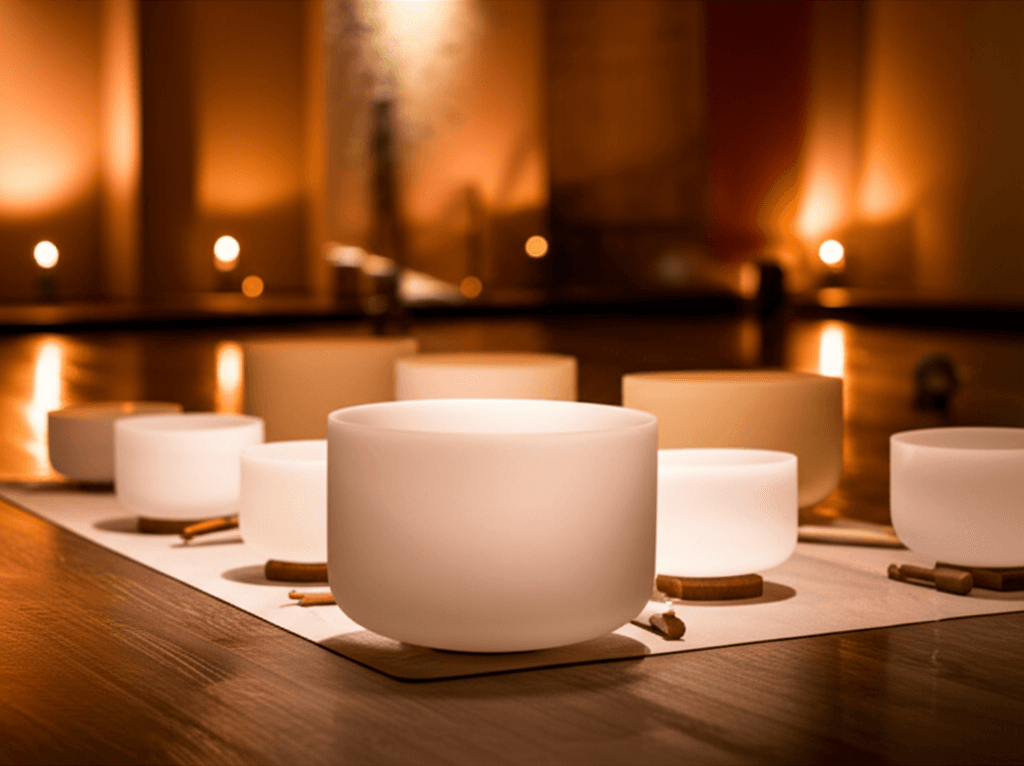
The Soul Art method integrates a range of exquisite instruments, each chosen for its unique vibrational qualities. This includes the deep, grounding resonance of Himalayan singing bowls, the expansive, immersive tones of gongs, and the delicate, crystalline clarity of chimes. These instruments are played with intention, creating a rich tapestry of sound frequencies designed to guide the brain into specific states, such as alpha waves for relaxed alertness or theta waves for deeper meditative focus.
What makes the Soul Art approach unique is its combination of ancient wisdom with modern scientific understanding. We don't just play sounds; we craft experiences. Sessions may incorporate binaural beats to subtly influence brainwave patterns, alongside guided meditation techniques that reinforce external focus and positive visualization. For golfers, this might involve specific soundscapes that encourage pre-shot visualization of the ball's trajectory, or rhythms that help establish a consistent, natural tempo for their swing.
Larissa Steinbach's vision is to provide a sanctuary where golfers can reset their nervous system, reduce performance anxiety, and cultivate an unwavering inner calm. Our personalized sessions aim to address individual mental hurdles, transforming internal monologue into a quiet confidence, preparing the mind as meticulously as the body for peak performance on the course.
Your Next Steps
Integrating sound wellness into your golf routine doesn't require an overhaul; even small, consistent practices can yield significant benefits. By consciously engaging with sound, you can begin to train your mind for greater focus and calm.
Here are a few actionable steps you can implement starting today:
- Curate Your Pre-Game Ritual: Before heading to the course, spend 10-15 minutes in a quiet space listening to calming music or binaural beats designed for focus. This helps transition your mind from daily distractions to a state of calm readiness.
- Mindful Listening on the Course: Between shots, instead of dwelling on previous errors, try to mindfully listen to the ambient sounds of nature – the birds, the rustle of leaves, the subtle impact of other players' shots. This can help keep your awareness external and present.
- Explore Binaural Beat Applications: Experiment with different binaural beat frequencies (e.g., alpha waves for focus, theta waves for relaxation) during practice sessions or even light stretching. Numerous apps and online resources offer these specialized tracks.
- Post-Round Decompression: After a challenging round, use sound to unwind. Listen to restorative soundscapes or soothing music to help regulate your mood, release any lingering tension, and prevent mental fatigue from carrying over.
- Consider a Professional Sound Wellness Session: For a deeper, tailored experience, explore a session at Soul Art. Larissa Steinbach and her practitioners can guide you through specific sound journeys designed to enhance your mental game, refine focus, and cultivate profound inner calm.
In Summary
Golf demands more than just physical skill; it requires a finely tuned mind, capable of intense focus and unshakeable calm. As we've explored, scientific evidence increasingly points to the powerful, yet often overlooked, role of sound in cultivating these crucial mental attributes. From facilitating external attentional focus and mitigating mental fatigue to regulating mood and optimizing physiological arousal, sound offers a holistic pathway to enhanced performance.
By consciously integrating sound into your golf regimen, you may unlock a deeper connection to your game, fostering greater precision and presence. Soul Art, under the expert guidance of Larissa Steinbach, provides a unique sanctuary to explore these profound benefits through personalized sound wellness experiences. Embrace the quiet power of sound and elevate your game to new heights.
Bookings Coming Soon
Soul Art is still in preparation. Session details and booking will be published here after launch.
Coming Soon
Wellness Disclaimer: This article is for educational and informational purposes only. It does not constitute medical advice, diagnosis, or treatment. Soul Art Dubai provides non-medical wellness experiences focused on relaxation, stress management, and general wellbeing. Sound wellness is a complementary practice and should not replace professional medical care.
Related Articles
Optimizing Athletic Performance: The Synergy of Sports Nutrition and Sound Wellness

Archery, Stillness, and Sound: Soul Art's Path to Focus

Swimming's Secret Weapon: Sound for Peak Aquatic Performance