Gaming Addiction: Sound Alternatives for Dopamine Balance with Soul Art
Key Insights
Explore the neuroscience behind gaming addiction and how sound wellness, offered by Larissa Steinbach at Soul Art Dubai, provides natural alternatives for dopamine regulation and well-being.
Have you ever wondered why certain digital experiences can feel so intensely captivating, almost to the point of compulsion? In an increasingly digital world, the allure of video games offers thrilling escapes and consistent rewards, but for some, this engagement can escalate into a behavioral pattern deeply impacting well-being. The fascinating connection lies within our brain's sophisticated reward system, primarily driven by the neurotransmitter dopamine.
While the gaming industry continues to evolve, so does our understanding of how these immersive environments interact with our biology. This article delves into the intricate neuroscience of gaming addiction, exploring how it reshapes our brain's reward pathways. More importantly, we will uncover scientifically-grounded, holistic alternatives that can naturally support dopamine balance and foster a deeper sense of fulfillment. Join us as Soul Art Dubai, under the guidance of Larissa Steinbach, illuminates a path to profound well-being beyond the screen.
The Science Explained: Dopamine, Reward, and the Gaming Brain
At the heart of our motivation and pleasure lies dopamine, a crucial neurotransmitter in the brain's reward circuit. This intricate system, involving areas like the prefrontal cortex, ventral striatum, dorsal striatum, and the nucleus accumbens, is designed to reinforce behaviors essential for survival, such as eating and social interaction. When we engage in rewarding activities, dopamine is released, creating a sense of pleasure and motivation that encourages us to repeat those actions.
Compulsive gaming, much like other behavioral addictions, consistently triggers this powerful dopamine release. Neuroimaging studies have confirmed that video games activate the same brain regions associated with reward and reinforcement as psychoactive drugs. This repeated activation can lead to significant changes in neural connections and dopamine receptor functioning over time.
The Dopamine Paradox: Wanting vs. Liking
Intriguingly, dopamine is more closely linked to "wanting" or "seeking" a reward than to the actual "liking" or enjoyment of it. This distinction is crucial in understanding the addictive cycle. In compulsive gamers, researchers have observed altered dopamine activity, including unusually low activity in reward circuits when anticipating rewards unrelated to gaming.
Some theories suggest that an inherently unresponsive reward system might predispose individuals to addiction, pushing them to seek bigger thrills to achieve satisfaction. Alternatively, this reduced activity could be an early sign of tolerance, where the brain requires increasingly intense stimuli to elicit the same dopamine response. This creates a cycle where the pursuit of the next gaming thrill becomes a deeply ingrained neurological imperative.
Brain Changes and Co-occurring Conditions
The sustained overstimulation of the reward circuit in compulsive gaming can lead to neuroplastic changes in the brain. Studies indicate that frequent gamers may exhibit altered gray matter in regions like the left ventral striatum. These structural and functional changes can impair impulse control, decision-making, and emotional regulation, contributing to a loss of control over gaming habits.
Moreover, problem gaming frequently co-occurs with other conditions such as depression, anxiety, and Attention-Deficit/Hyperactivity Disorder (ADHD). For individuals with ADHD, for instance, differences in dopamine receptors and a tendency for hyperfocus may increase susceptibility to prolonged gaming. The highly stimulating nature of games may offer a potent, albeit temporary, form of self-medication for underlying emotional or neurological imbalances.
Behavioral Addiction: A Modern Challenge
While differing from substance-based addictions in the absence of physical withdrawal symptoms, gaming disorder is increasingly recognized as a behavioral addiction. The American Psychiatric Association moved gambling disorder to its addictions section in 2013, and gaming disorder shares many parallels, including a loss of control and significant impairment in other life areas. This highlights the profound impact that excessive gaming can have on one's daily life, relationships, and overall well-being.
"The allure of digital worlds taps into our most primal reward systems, creating a powerful feedback loop that can be challenging to disengage from. Understanding this intricate dance between our brains and technology is the first step toward reclaiming balance."
The ongoing research continues to shed light on the complex interplay between genetics (e.g., variations in the DRD2 gene linked to dopamine signaling), environmental factors, and individual vulnerabilities in the development of gaming addiction. Recognizing these underlying mechanisms is paramount to developing effective, holistic strategies for support and recovery.
How It Works in Practice: Rebalancing the Reward System Naturally
Understanding the neuroscience of gaming addiction reveals a critical insight: the brain's reward system, when overstimulated by artificial highs, can become desensitized to natural pleasures. The goal of holistic wellness practices is not to eliminate dopamine but to help the brain reset its sensitivity, allowing for a more balanced and sustainable release in response to real-world experiences. This means shifting from seeking intense, fleeting dopamine spikes to cultivating a steady, endogenous flow.
Sound wellness practices offer a powerful, non-invasive avenue for this rebalancing. By engaging the auditory system and influencing brainwave states, sound can gently guide the nervous system away from overstimulation and into profound states of relaxation and restoration. This process naturally supports the body's innate ability to regulate neurotransmitters, including dopamine.
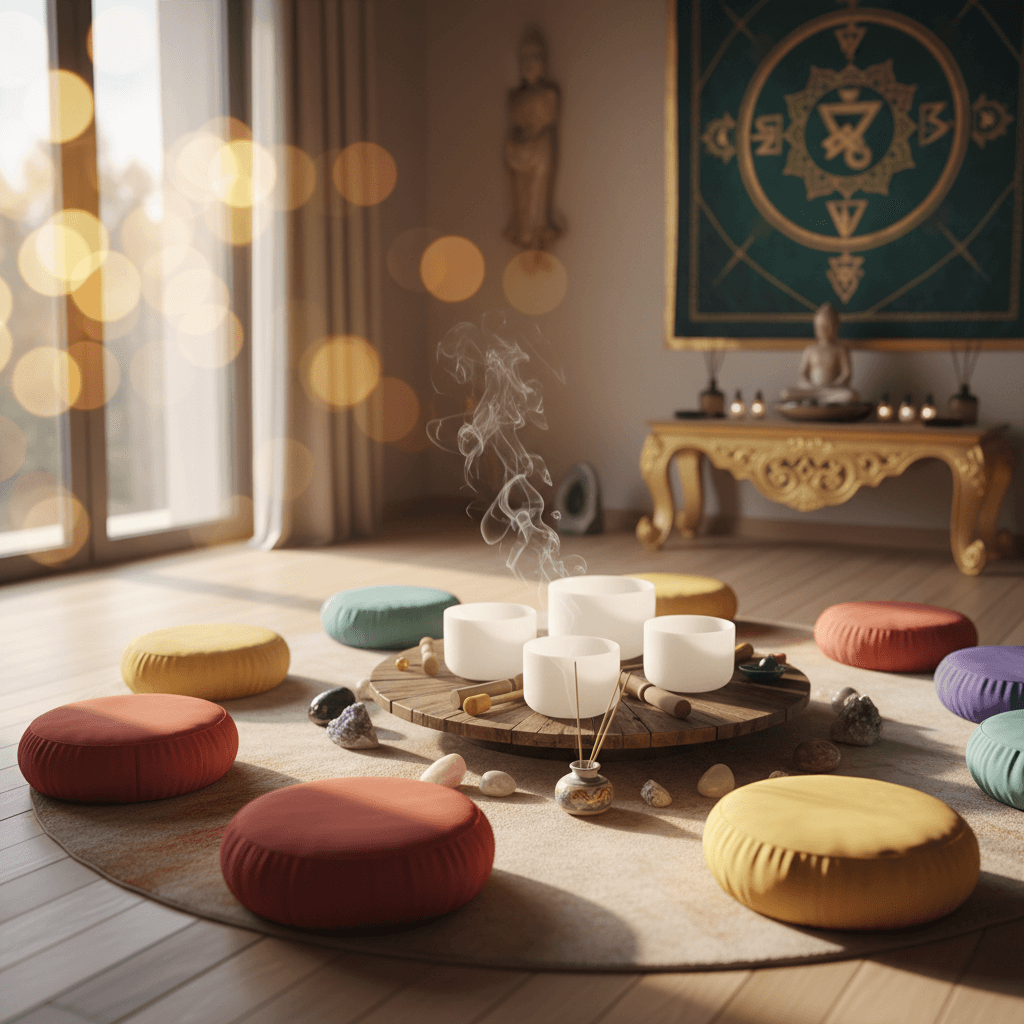
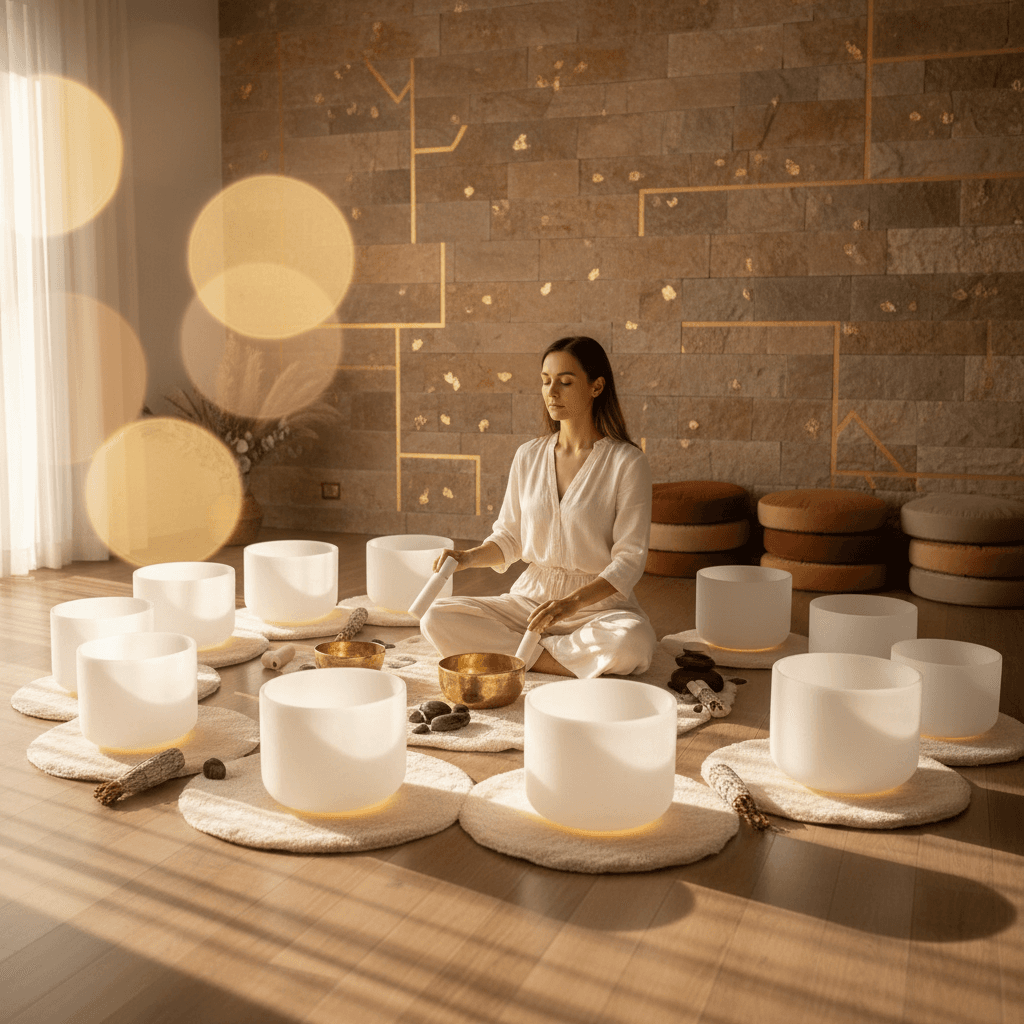
When clients immerse themselves in a sound bath at Soul Art, they experience a symphony of resonant frequencies. The rich, enveloping tones from instruments like crystal singing bowls, gongs, and chimes create an environment where the mind can quiet. This allows the brain to shift from beta waves (associated with active thought and high stimulation) to alpha or theta waves (linked to deep relaxation, meditation, and introspection).
The physical sensations are equally profound. Many people report a gentle tingling, a sense of lightness, or a feeling of deep peace washing over them. The vibrations penetrate the body, releasing tension and promoting a sense of coherence throughout the cellular structure. This deep physical relaxation is itself a potent counterpoint to the high-alert, stimulated state often associated with prolonged gaming.
This shift in physiological state is crucial. When the body enters a parasympathetic "rest and digest" mode, it can begin to repair and rebalance. This includes the subtle recalibration of neurochemical pathways. Over time, consistent engagement with such practices may support the nervous system in developing a greater capacity for natural calm and sustained well-being, reducing the compulsive drive for external stimulation.
Through this process, individuals may find their internal reward system becoming more responsive to simple, natural joys – the taste of a healthy meal, the beauty of nature, genuine social connection, or the quiet satisfaction of a mindful moment. It's about rediscovering a baseline of contentment that isn't dependent on the next digital 'hit' but is rather inherent within.
The Soul Art Approach: Larissa Steinbach's Path to Inner Harmony
At Soul Art Dubai, Larissa Steinbach has cultivated a unique methodology that harmonizes ancient sound healing traditions with modern scientific understanding. Her approach transcends mere relaxation; it is a meticulously crafted journey designed to guide individuals toward profound inner balance and heightened self-awareness. This makes the Soul Art method a powerful complementary approach for those seeking natural alternatives for dopamine regulation and managing behavioral patterns like excessive gaming.
Larissa's expertise lies in her intuitive ability to select and orchestrate a diverse array of resonant instruments. These include the pure, ethereal tones of Frosted Quartz Crystal Singing Bowls, which are attuned to specific energy centers, and the profound, transformative vibrations of large symphonic Gongs. She also incorporates the gentle, intricate sounds of Handpans, Chimes, and other therapeutic percussion, each chosen for its unique vibrational frequency and its capacity to induce specific states of consciousness.
What makes the Soul Art experience truly distinctive is Larissa’s deep understanding of how these frequencies interact with the human body and mind. Her sessions are not just about listening; they are about feeling the sound, allowing the therapeutic vibrations to penetrate on a cellular level. This intentional immersion helps to disrupt patterns of chronic stress and overstimulation, which are often at the root of compulsive behaviors.
Larissa focuses on creating a safe, nurturing space where the nervous system can reset. By guiding participants into deep meditative states, she facilitates a shift in brainwave activity from the high-frequency beta waves, prevalent during intense gaming or stress, to slower alpha and theta waves. This shift is paramount for rebalancing the reward system, potentially allowing the brain to restore its natural sensitivity to endogenous dopamine release.
The Soul Art approach emphasizes holistic wellness, recognizing that true well-being is multifaceted. Larissa Steinbach’s sessions integrate elements of mindfulness and gentle breathwork, empowering individuals to cultivate a greater connection to their inner landscape. This enables them to develop resilience and find sustainable sources of joy and fulfillment, reducing the reliance on external, high-intensity stimuli like gaming for dopamine spikes. Many people report leaving sessions with a profound sense of calm, clarity, and a renewed capacity for presence in their daily lives.
Your Next Steps: Cultivating Natural Dopamine Pathways
Recognizing the impact of digital stimulation on your brain's reward system is a powerful first step toward reclaiming balance. Integrating complementary wellness practices can support your journey towards more natural and sustainable dopamine regulation. Here are some actionable steps you can implement today to foster inner harmony:
-
Embrace Digital Detox Moments: Consciously schedule time away from screens each day. Even short breaks, like a 15-minute walk in nature or engaging in a non-digital hobby, can help reset your brain's reward pathways. This allows your system to become more responsive to subtle, natural stimuli.
-
Explore Sound Wellness: Consider booking a session at Soul Art Dubai with Larissa Steinbach. Experiencing a professionally guided sound bath can profoundly shift your brainwave states, promoting deep relaxation and supporting your nervous system in rebalancing. It’s a powerful way to tap into internal calm.
-
Mindful Movement: Incorporate practices like gentle yoga, stretching, or tai chi into your routine. These activities release endorphins and can naturally boost dopamine, while also fostering body awareness and reducing stress. Consistency is key for lasting benefits.
-
Prioritize Sleep and Nutrition: Ensure you are getting adequate, restorative sleep, as it's crucial for brain health and neurotransmitter regulation. A balanced diet rich in whole foods also provides the necessary building blocks for healthy dopamine production.
-
Cultivate Real-World Connections: Engage in meaningful social interactions and hobbies that provide genuine connection and a sense of accomplishment. These activities stimulate dopamine in a healthy, sustainable manner, fostering deeper fulfillment than fleeting digital rewards.
Taking these steps can help you gently steer your brain towards more balanced dopamine release, enhancing your overall sense of well-being and reducing the compulsive urge for excessive digital stimulation. Discover a renewed sense of presence and peace.
Bookings Coming Soon
Soul Art is still in preparation. Session details and booking will be published here after launch.
Coming Soon
In Summary: Reclaiming Balance with Sound
Gaming addiction, understood through the lens of neuroscience, reveals how repeated digital stimulation can alter our brain's dopamine-driven reward system. This can lead to a craving for intense, artificial thrills and a desensitization to natural joys. However, the brain's remarkable plasticity offers hope for rebalancing.
Sound wellness, as championed by Larissa Steinbach at Soul Art Dubai, provides a powerful and scientifically-supported avenue for this recalibration. By guiding the nervous system into profound relaxation and meditative states, sound practices may support the natural regulation of dopamine and help the brain rediscover its innate capacity for calm and contentment. It's a holistic pathway to unlock sustainable well-being, fostering a life rich with authentic experiences rather than dependent on digital highs. We invite you to explore this transformative journey at Soul Art.
Wellness Disclaimer: This article is for educational and informational purposes only. It does not constitute medical advice, diagnosis, or treatment. Soul Art Dubai provides non-medical wellness experiences focused on relaxation, stress management, and general wellbeing. Sound wellness is a complementary practice and should not replace professional medical care.
Related Articles
LGBTQ+ Recovery: Sound Wellness for Inclusive Healing & Regulation
Relationship Recovery: The Science of Sound for Intimacy
Soulful Connections: The Science of Shared Sound Practices and Well-being Sponsorship