Sound for Impulse Control: A Pathway to Wellness in Gambling Recovery
Key Insights
Explore how sound wellness, offered by Soul Art and Larissa Steinbach, may support impulse control for those navigating gambling recovery.
Can the subtle vibrations of sound truly influence the deeply ingrained patterns of impulse control, particularly in the challenging journey of gambling recovery? For many, the connection might seem abstract. Yet, cutting-edge research in neuroscience and complementary wellness practices increasingly points to the profound impact auditory experiences can have on our brain's regulatory systems.
This article delves into the intricate relationship between impulsivity, decision-making deficits, and gambling disorder, illuminating how sound wellness may offer a supportive pathway for cultivating greater self-regulation. We'll explore the scientific underpinnings, examine practical applications, and unveil the unique approach championed by Larissa Steinbach at Soul Art, Dubai's premier sound wellness studio. Discover how integrating targeted sound experiences into a holistic wellness strategy could empower individuals to foster improved impulse control and reclaim a sense of inner balance.
The Science Explained: Unpacking Impulse Control and the Brain
Gambling disorder, now classified as an addictive disorder in the DSM-5, is profoundly characterized by difficulties in impulse control and often compromised decision-making. These challenges are not merely psychological; they are deeply rooted in specific neurological functions and structures within the brain. Understanding these mechanisms is the first step towards finding effective complementary support.
The Prefrontal Cortex: Command Center for Control
At the core of our ability to plan, make sound decisions, and resist immediate urges lies the prefrontal cortex (PFC). This crucial brain region acts as the brain's executive command center, governing complex cognitive behaviors. Studies indicate that impulsivity in gambling addiction may stem from impairments within the PFC, making it significantly harder for individuals to resist the allure of gambling.
Specifically, research utilizing fMRI has shown reduced ventrolateral PFC signal in individuals with gambling addiction during tasks requiring cognitive control. This finding aligns with the PFC's suggested role in affective working memory and its broader involvement in self-regulation. When this area functions less effectively, the pathway to impulsive behaviors, such as frequent risky bets, becomes more pronounced.
Impulsivity and Compromised Decision-Making
Impulsivity in gambling disorder goes beyond simple rashness; it represents a fundamental tendency to act without adequate thought or consideration of potential consequences. A strong link has been established between high impulsivity levels and gambling disorder, with individuals often exhibiting behaviors that prioritize immediate gratification over long-term stability. This can lead to repeated high-risk wagers, even in the face of significant financial or personal setbacks.
Decision-making, which involves assessing risks and weighing outcomes, is often compromised in individuals navigating gambling challenges. This impairment can lead to poor choices that overlook future stability in favor of fleeting rewards. These cognitive deficits are considered central to understanding the persistence of gambling behaviors.
The Stress-Impulsivity Feedback Loop
The challenges of self-regulation in gambling disorder are often intricately tied to emotional regulation difficulties. Gambling can become a coping mechanism, a way to temporarily manage stress, anxiety, or other negative emotions. This creates a vicious cycle where the momentary relief perpetuates the addictive behavior. High levels of emotional stress are known to exacerbate the loss of impulse control, making it harder to resist inappropriate behaviors and tolerate frustration.
This complex interplay between stress, emotion, and impaired impulse control underscores the need for holistic wellness approaches that address not only the behavioral aspects but also the underlying physiological and psychological states that contribute to the addiction cycle. Managing stress and fostering emotional resilience are vital components of supporting recovery.
Sound as a Complementary Neural Modulator
Emerging research highlights the potential of specific auditory stimuli to positively influence brain activity and promote relaxation, which in turn may support impulse control. The concept of using sound to guide brain states is not new; disciplines like neurofeedback have long employed auditory and visual cues to train the brain towards more desirable patterns. Sound wellness practices draw upon similar principles, utilizing carefully crafted soundscapes to create environments conducive to healing and self-regulation.
One compelling study recruited participants with pathological gambling and exposed them to either digital nature sounds or traffic sounds. The results were striking:
- Reduced Prefrontal Cortex Activity: Exposure to nature sounds significantly lowered oxyhemoglobin (oxy-Hb) concentrations in the bilateral prefrontal cortex. This physiological response indicates a state of relaxation and reduced cognitive load, suggesting a positive impact on the very brain region associated with impulse control.
- Positive Psychological Effects: Participants also reported positive psychological effects, including feelings of comfort and relaxation, in response to the nature-derived sounds. This subjective evaluation corroborates the physiological findings, indicating a holistic benefit.
These findings suggest that certain sounds, particularly those found in nature, possess the capacity to induce a physiologically significant relaxation response. By reducing stress and calming the nervous system, sound wellness may indirectly enhance the brain's capacity for self-regulation and impulse control, offering a complementary pathway for those seeking to manage gambling urges.
"The symphony of sound can re-tune the brain's orchestra, harmonizing the chaotic urges into a melody of mindful self-control."
How It Works in Practice: The Experience of Sound for Self-Regulation
Translating scientific principles into tangible, beneficial experiences is where sound wellness truly shines. At Soul Art, the application of sound for impulse control focuses on creating an environment that fosters deep relaxation, stress reduction, and enhanced self-awareness. This is not about 'treating' addiction, but rather providing a powerful, complementary tool for individuals to cultivate inner resources that support their recovery journey.
When you step into a sound wellness session, you are entering a space designed for profound relaxation. The experience often begins with a guided invitation to settle into a comfortable position, preparing your mind and body to receive the sounds. As the session unfolds, you are enveloped by a rich tapestry of resonant frequencies and vibrations.
Here's what clients typically experience:
- Sensory Immersion: The sounds are felt not just with the ears, but also throughout the body as gentle vibrations. This full-body sensory experience can be deeply grounding, pulling focus away from external stressors and internal mental chatter.
- Deep Relaxation: The carefully selected tones and rhythms are designed to guide the brain into states associated with deep relaxation, similar to meditation. This reduces the physiological markers of stress, such as heart rate variability and heightened prefrontal cortex activity, which were observed in the research on nature sounds.
- Nervous System Reset: Many people report a profound sense of calm and a "reset" of their nervous system. This state of reduced arousal can be incredibly beneficial for individuals struggling with impulsivity, as it creates a mental and emotional buffer against reactive urges.
- Enhanced Self-Awareness: As the mind quiets, a heightened state of self-awareness often emerges. This can provide an opportunity to observe thoughts and feelings, including urges, without immediately reacting to them. This enhanced ability to pause and reflect is a cornerstone of improved impulse control.
- Cognitive Flexibility: By fostering a state of mental calm, sound wellness may also support cognitive flexibility. This refers to the brain's ability to adapt thought processes and behaviors in response to new information or changing situations. For someone in gambling recovery, this means a greater capacity to challenge unhelpful thought patterns and adopt more constructive responses to triggers.
The beauty of sound wellness lies in its non-invasive, gentle yet powerful approach. It offers a sanctuary where individuals can practice self-regulation in a supportive environment, strengthening their innate capacity for control and resilience. This experience is a profound act of self-care, building inner resources that may help navigate the complex landscape of recovery.
The Soul Art Approach: Larissa Steinbach's Vision for Inner Harmony
At Soul Art, Larissa Steinbach, the visionary founder, has meticulously crafted a unique approach to sound wellness that integrates ancient wisdom with contemporary scientific understanding. Her methodology is rooted in the belief that sound has the power to recalibrate the human energy system, fostering balance and harmony from within. This holistic perspective is particularly impactful for those seeking to cultivate impulse control and emotional resilience.
Larissa's sessions are not merely passive listening experiences; they are carefully orchestrated journeys designed to guide participants into deeper states of consciousness and relaxation. The Soul Art method emphasizes a personalized experience, recognizing that each individual's journey towards self-regulation is unique.
Key elements of the Soul Art approach include:
- Curated Soundscapes: Larissa expertly selects and layers instruments known for their therapeutic frequencies. These often include:
- Gongs: Known for their deep, resonant vibrations that can facilitate profound relaxation and shift brainwave states.
- Himalayan Singing Bowls: Their pure, sustained tones are believed to balance energy centers and promote a sense of inner peace.
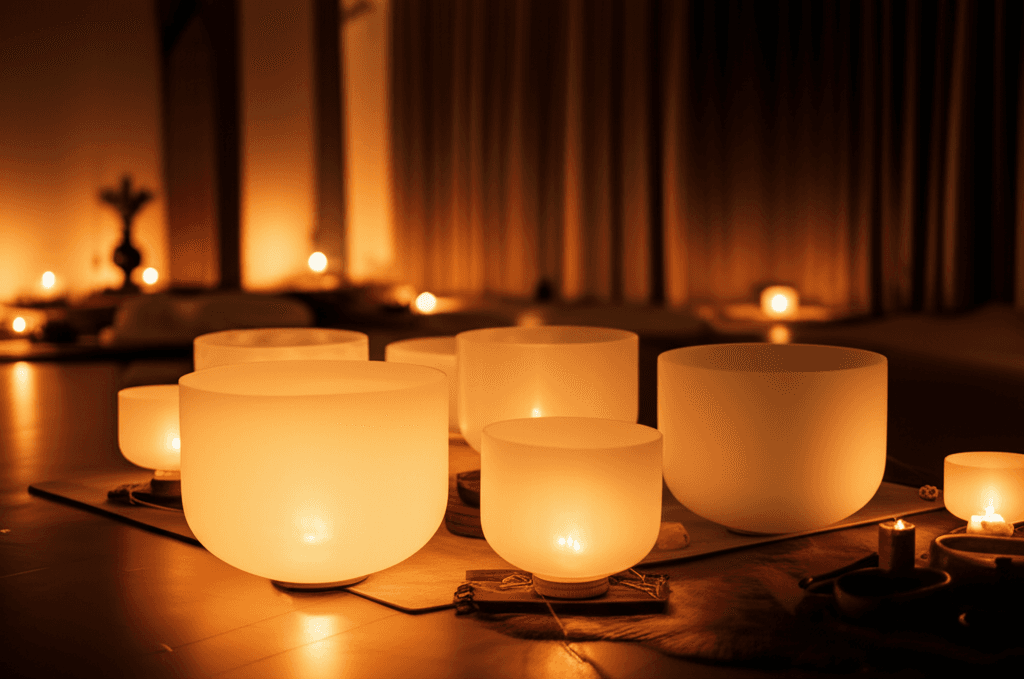
- Crystal Singing Bowls: These bowls produce specific frequencies associated with various chakras, fostering emotional and energetic alignment.
- Other Sacred Instruments: A diverse array of instruments, each chosen for its unique vibrational quality and ability to evoke specific physiological and psychological responses.
- Intentional Facilitation: Larissa Steinbach guides each session with a clear intention, focusing on themes such as grounding, release, and empowerment. Her gentle presence and expertise create a safe, nurturing space for participants to explore their inner landscape without judgment. This intentionality amplifies the potential for positive shifts in impulse control and emotional regulation.
- Focus on Nervous System Regulation: A core principle at Soul Art is the profound impact of sound on the autonomic nervous system. By shifting the body from a 'fight or flight' (sympathetic) state to a 'rest and digest' (parasympathetic) state, sound wellness sessions encourage a physiological environment conducive to calm, clarity, and considered action – crucial for strengthening impulse control.
- Complementary Wellness: Soul Art positions its offerings as a complementary practice that supports overall well-being. It is designed to work in conjunction with other professional guidance an individual might be receiving, providing a powerful, non-invasive tool to enhance personal resilience and self-mastery.
Larissa Steinbach's dedication to creating an immersive and transformative experience makes Soul Art a sanctuary for those looking to harness the power of sound for personal growth and emotional balance. The meticulous attention to detail, from the selection of instruments to the flow of each session, reflects a commitment to supporting clients in their journey towards improved self-regulation and a life of greater intention.
Your Next Steps: Integrating Sound for Enhanced Well-being
While sound wellness is a complementary approach, the principles it champions—stress reduction, enhanced self-awareness, and emotional regulation—are universally beneficial. Incorporating these practices into your daily life may offer significant support in cultivating stronger impulse control and overall well-being, whether you are directly navigating gambling recovery or simply seeking greater inner peace.
Here are some practical steps you can implement today:
- Mindful Listening Practice: Dedicate 10-15 minutes daily to listening to calming nature sounds, meditative music, or curated sound bath recordings. Focus on the sensations in your body and the natural rhythm of your breath. This simple practice may help calm the nervous system and build a foundation for self-regulation.
- Create a Soothing Environment: Integrate natural sounds into your living space, perhaps through a sound machine or apps that play ocean waves, forest ambiance, or gentle rain. Minimize exposure to harsh, jarring noises, especially during periods of stress, as these can heighten anxiety and impulsivity.
- Conscious Breathwork with Sound: Combine deep, intentional breathing exercises with calming instrumental music. Focus on extending your exhales, which activates the parasympathetic nervous system, promoting relaxation and clarity. This can be a powerful tool to use when you feel urges or stress rising.
- Journal Your Experience: After a sound listening session, take a few moments to journal any thoughts, feelings, or insights that arose. Reflect on how the sound experience impacted your mood, stress levels, and capacity for thoughtful decision-making. This practice deepens self-awareness and reinforces positive changes.
- Explore Professional Sound Wellness: Consider booking an introductory session at a reputable studio like Soul Art in Dubai. Experiencing a professionally guided sound bath with Larissa Steinbach can provide a deeply immersive and transformative experience, offering tools and insights that may be challenging to achieve on your own.
By proactively engaging with sound as a tool for wellness, you are investing in your internal landscape, fostering a greater capacity for calm, clarity, and conscious choice. This journey of self-discovery and regulation is a powerful step towards a more empowered and balanced life.
In Summary
Gambling disorder presents significant challenges, particularly concerning impulse control and decision-making, which are often linked to specific brain functions and stress responses. While sound wellness is not a medical treatment, evidence suggests that carefully selected auditory experiences, such as nature sounds, may significantly reduce physiological stress and promote relaxation, impacting the prefrontal cortex—a key area for self-regulation.
At Soul Art, Larissa Steinbach masterfully leverages the therapeutic power of sound through gongs, singing bowls, and other instruments to create deeply restorative experiences. These sessions are designed to calm the nervous system, enhance self-awareness, and foster an inner environment conducive to improved impulse control. Embracing sound wellness as a complementary practice offers a gentle yet powerful pathway to cultivate inner balance, manage stress, and support personal resilience on the journey toward greater well-being. Discover the transformative potential of sound and begin your journey towards a more regulated and harmonious self at Soul Art.
Bookings Coming Soon
Soul Art is still in preparation. Session details and booking will be published here after launch.
Coming Soon
Wellness Disclaimer: This article is for educational and informational purposes only. It does not constitute medical advice, diagnosis, or treatment. Soul Art Dubai provides non-medical wellness experiences focused on relaxation, stress management, and general wellbeing. Sound wellness is a complementary practice and should not replace professional medical care.
Related Articles

LGBTQ+ Recovery: Sound Wellness for Inclusive Healing & Regulation
Relationship Recovery: The Science of Sound for Intimacy
Soulful Connections: The Science of Shared Sound Practices and Well-being Sponsorship