Harmonizing Steps: Sound Wellness for Gait Support in Parkinson's
Key Insights
Explore how rhythmic auditory stimulation at Soul Art Dubai, founded by Larissa Steinbach, may support gait and enhance wellbeing for Parkinson's patients.
Have you ever considered the profound impact of rhythm on every aspect of our lives, even our most fundamental movements? For individuals navigating the complexities of Parkinson's disease, the simple act of walking can become a challenging journey marked by instability and unpredictability. Yet, what if the very element that defines music – its rhythm – held a key to unlocking smoother, more confident steps?
This article delves into the fascinating and scientifically supported realm of gait training with sound for Parkinson's patients. We will explore how carefully curated auditory stimuli, particularly rhythmic auditory stimulation (RAS), may offer a complementary pathway to improved mobility, balance, and overall quality of life. Discover the neuroscientific foundations, practical applications, and the unique approach fostered by Larissa Steinbach and Soul Art Dubai, as we uncover how sound can harmonize movement and foster a deeper sense of well-being.
The Science Explained: Unlocking Movement Through Rhythm
Parkinson's disease (PD) is a progressive neurodegenerative disorder that profoundly affects motor function, primarily due to the degeneration of dopaminergic neurons in the substantia nigra. This loss of dopamine leads to characteristic motor impairments such as tremor, rigidity, bradykinesia (slowness of movement), and postural instability. These symptoms collectively contribute to significant challenges in gait and balance, which are often the main concerns for patients.
Gait abnormalities in Parkinson's can manifest as a "parkinsonian gait," often described as festinating gait or marche à petits pas (walk of little steps). Individuals may exhibit a stooped posture with the head and neck bent forward, taking short, shuffling steps, and may experience difficulty initiating movement. A particularly challenging symptom is "freezing of gait" (FOG), where individuals suddenly become unable to move their feet forward, often leading to falls. These temporal and spatial gait parameters – including stride length, stride duration, speed, and gait frequency – are crucial indicators of functional independence and are associated with a higher risk of falls and functional decline in the elderly population, including those with PD.
How Rhythmic Auditory Stimulation (RAS) Intervenes
Rhythmic auditory stimulation (RAS) is a technique that uses external auditory cues, such as music or a metronome, to help individuals regulate their movements. In the context of Parkinson's, RAS works by providing an external temporal framework that the brain can synchronize with, potentially bypassing the internal timing mechanisms that are impaired by the disease. This external cueing can effectively "prime" the motor system, making it easier to initiate and maintain rhythmic movement.
The brain's ability to synchronize to external rhythms, a phenomenon known as entrainment, is a key mechanism. When exposed to a consistent, predictable beat, the motor system can use this external timing information to plan and execute movements more effectively. This is particularly beneficial for Parkinson's patients whose internal rhythm generation and maintenance are compromised. The temporal predictability of these auditory cues has been shown to have an immediate beneficial effect on gait parameters.
Research Illuminates the Benefits
Extensive research, including systematic reviews and meta-analyses, consistently points to the efficacy of RAS in gait training for Parkinson's patients. Studies have demonstrated that gait training accompanied by music and rhythmic auditory stimulation can significantly increase patients' stride length and walking speed. For example, a comprehensive meta-analysis indicated that providing RAS alongside gait training significantly improved patients' overall gait quality index, balance, and the number and length of their strides.
Here's what scientific findings suggest about the benefits of RAS for Parkinson's patients:
- Improved Gait Parameters: RAS can lead to a significant increase in stride length and speed, directly addressing key gait dysfunctions in PD. It helps patients achieve a more normalized walking pattern.
- Enhanced Gait Quality and Balance: Beyond just speed and length, the overall quality of gait and balance can be substantially improved. This contributes to greater stability and confidence during movement.
- Reduced Freezing Episodes: For patients who experience freezing of gait (FOG), external stimuli such as acoustic cues may be particularly beneficial. Research suggests that auditory cues can help individuals overcome motor blocks, facilitating movement initiation and continuation. Patients who experience freezing symptoms may benefit crucially from auditory cues, showing training-induced plasticity that is not observed with self-paced movements.
- Motivation and Sustainability: Gait training with music or rhythmic auditory stimulation is often perceived as a feasible, enjoyable, and sustainable option. This enjoyment can significantly boost patient motivation for motor tasks, leading to more consistent engagement and better long-term outcomes.
- Superior to Treadmill Alone: Some studies have shown that treadmill gait training with rhythmic auditory stimulation can significantly improve both gait and overall quality of life, outperforming treadmill training alone.
- Carry-over Effects: The benefits of RAS are not limited to the cued environment. After an extensive period of training with auditory cues, improvements in gait can generalize to non-cued walking, resulting in increased mobility, enhanced quality of life, and a reduction of freezing episodes in everyday activities.
- Music vs. Metronome: While simple metronome stimuli are effective, some evidence suggests that musical cues may be even more efficient. The rich, dynamic nature of music can provide a more engaging and comprehensive auditory experience, potentially enhancing motor learning and synchronization.
It's important to note that while RAS demonstrates many positive effects, a pooled analysis indicated that it had no significant effect on cadence (step frequency) in PD patients, according to one specific meta-analysis. However, other studies have shown that patients were able to increase their step frequency and maintain step/beat phase coupling after increases in RAS tempo. This highlights the ongoing nuance in research and the individualized nature of response. Individual variability in response is observed, with success potentially linked to a patient's ability to synchronize their movements to a beat.
"The rhythm we perceive is not just an external sound; it's an invitation for our internal systems to find harmony, a pathway for the brain to re-learn and optimize movement patterns when internal timing falters."
Furthermore, research published in Parkinsons Disease (2010) concluded that "Walking with music is a safe and viable tool for gait training in Parkinson's disease," following a 13-week feasibility study on single and dual task walking, reinforcing its practical applicability.
How It Works in Practice: Stepping into Harmony
At Soul Art, the application of rhythmic auditory stimulation transcends simple metronome beats, evolving into a sophisticated and immersive wellness experience. The goal is to translate the scientific principles of RAS into a tangible, deeply supportive practice that addresses the motor challenges of Parkinson's while nurturing overall well-being. This approach focuses on creating an environment where the body can naturally respond to precisely timed sound, facilitating smoother, more coordinated movement.
A session focused on gait support often begins with gentle acclimatization, allowing the individual to settle into the space and tune into the subtle nuances of sound. Larissa Steinbach and her team carefully select and curate soundscapes that are not only rhythmically precise but also deeply resonant and calming. This might involve a combination of ambient tones, natural sounds, and structured musical compositions designed to encourage a specific gait pattern. The chosen rhythms are often initially slower and clearer, gradually adjusted to a pace that encourages an optimal stride length and tempo without overexertion.
Clients are guided to walk, either independently or with appropriate support, within this rich auditory environment. The consistent, predictable pulses of sound act as external cues, helping to regulate the timing and amplitude of their steps. This practice may support individuals in:
- Initiating Movement: The clear beginning of each auditory cue can serve as a trigger, helping to overcome difficulties in starting a step.
- Maintaining Momentum: The continuous rhythm provides a steady "beat" to which the body can entrain, helping to prevent the deceleration and shuffling characteristic of festination.
- Lengthening Stride: By subtly adjusting the spacing of the auditory cues, individuals are encouraged to extend their steps, leading to a more natural and efficient stride length.
- Improving Balance and Stability: A more rhythmic and predictable gait pattern inherently contributes to better balance and reduced risk of falls. The focus on listening and moving intentionally can enhance proprioception and spatial awareness.
The experience is deeply sensory. Clients often report feeling more grounded and connected to their bodies as the sound permeates their being, guiding their movements with gentle yet firm support. The absence of pressure, combined with the enjoyable nature of music, fosters a positive feedback loop, encouraging consistent engagement. It's not about forcing movement but about inviting it, allowing the body's innate ability to synchronize with rhythm to emerge. This complementary approach promotes a sense of agency and empowerment, as individuals rediscover a greater ease and fluidity in their walking.
The Soul Art Approach: Larissa Steinbach's Vision for Harmonized Well-being
Larissa Steinbach, the visionary founder of Soul Art Dubai, believes in a holistic approach to well-being, where the scientific understanding of sound's impact on the body is seamlessly integrated with an ethos of tranquility and personal empowerment. Her method for gait training with sound for Parkinson's patients is a testament to this philosophy, offering a unique blend of evidence-based practices and compassionate care within a luxurious, serene environment.
What sets the Soul Art method apart is its sophisticated application of sound wellness. Instead of a clinical, purely metronomic approach, Larissa Steinbach and her team utilize meticulously designed soundscapes that leverage the full spectrum of auditory experiences. These aren't just simple beats; they are carefully layered compositions that might include:
- Binaural Beats and Isochronic Tones: These specialized sound frequencies are incorporated to promote brainwave entrainment, fostering states of relaxation, focus, or even heightened motor readiness, depending on the session's specific goals.
- Curated Musical Compositions: Drawing from classical, ambient, and world music traditions, the chosen pieces are selected for their specific rhythmic structures, tempos, and emotional resonance. Music can offer a richer, more engaging, and more efficient cue than a simple metronome, tapping into broader neural networks.
- Therapeutic Frequencies: While strictly adhering to wellness compliance, the team explores specific frequencies and their potential to encourage neural pathways associated with movement and balance, always within the realm of non-medical support.
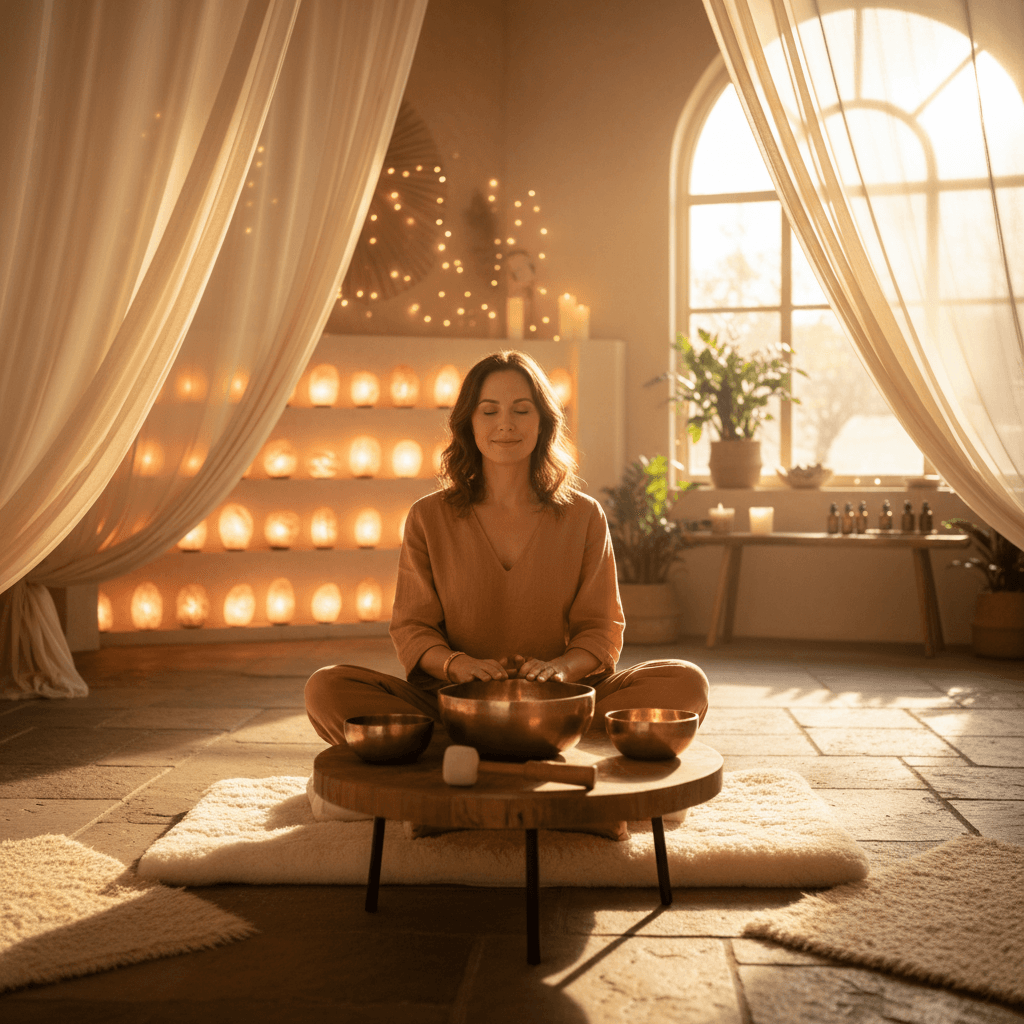
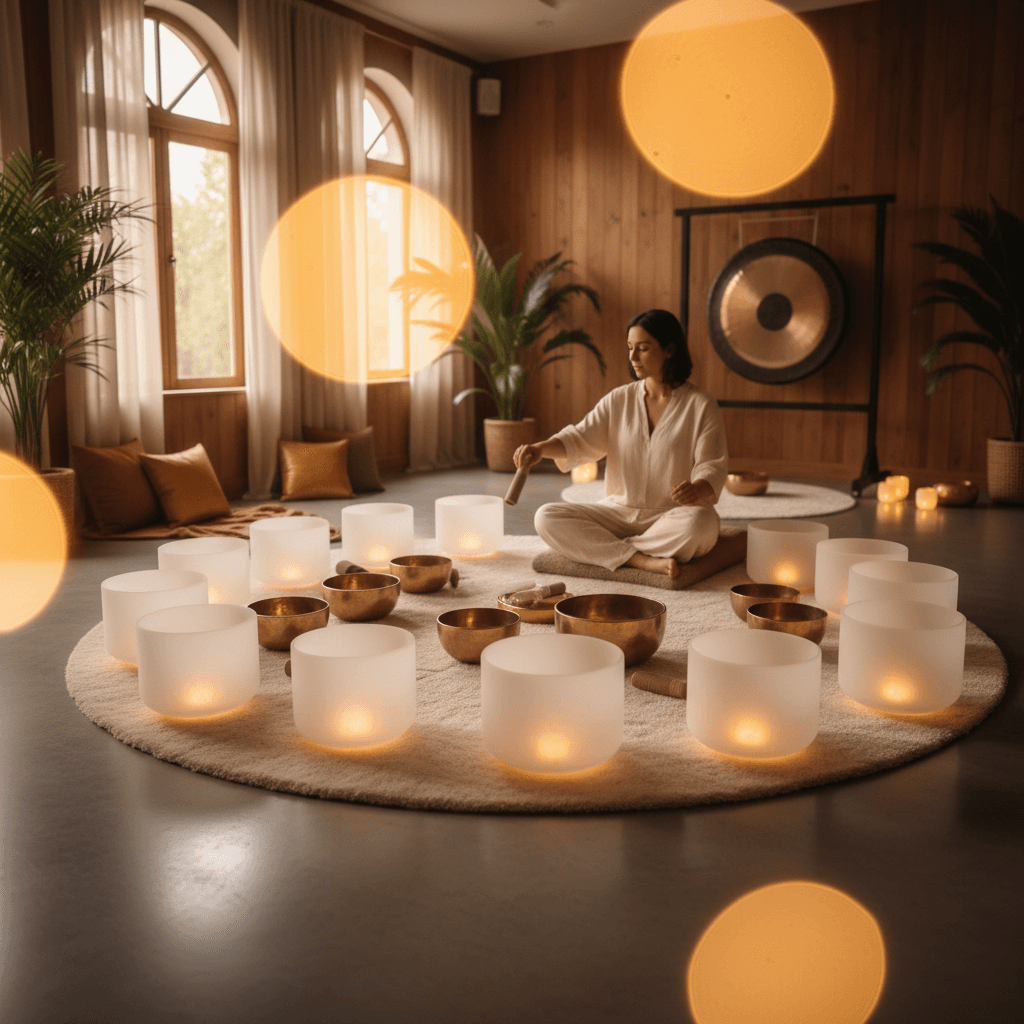
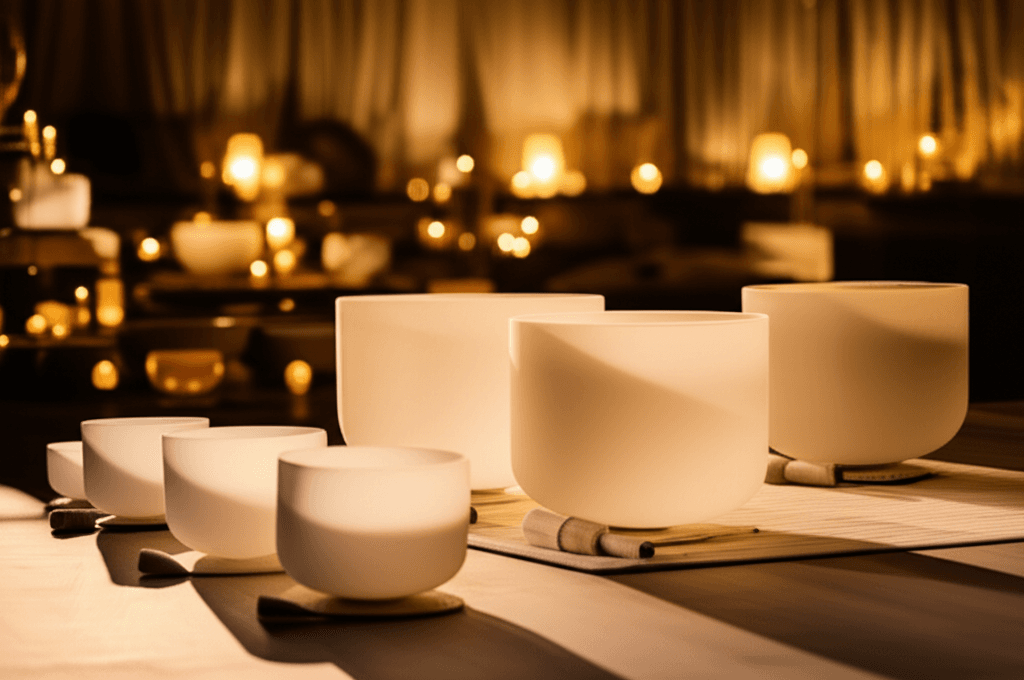
- Live Sound Instruments: In some sessions, the use of crystal singing bowls, gongs, and other resonant instruments can add another layer of immersive sound, promoting deep relaxation and enhancing the body's receptivity to rhythmic cues.
Larissa Steinbach’s expertise lies in tailoring these complex auditory environments to the individual's needs. Each session is personalized, taking into account the client's current mobility, preferences, and specific gait challenges. The tempo and complexity of the rhythmic cues are dynamically adjusted to create an optimal "challenge point" – stimulating improvement without causing frustration. This individualized approach is crucial because, as research indicates, the success of RAS can vary significantly between individuals, partly depending on their ability to synchronize movements to a beat.
At Soul Art, the focus extends beyond just physical gait improvement. The experience is designed to reduce stress, improve mood, and enhance cognitive function – all vital components of overall well-being for those with Parkinson's. The supportive, luxurious, and non-clinical setting creates a sense of psychological safety, which is essential for motor learning and motivation. It’s about empowering individuals to reconnect with their bodies, find their inherent rhythm, and experience greater confidence in every step they take, fostering a profound sense of peace and improved quality of life.
Your Next Steps: Embracing Rhythmic Well-being
Integrating sound wellness into your life, especially for managing conditions like Parkinson's, involves a mindful and informed approach. While sound wellness practices like rhythmic auditory stimulation show promise in supporting gait, they are intended as complementary tools, not as replacements for medical care. Here are some actionable steps you can consider to explore the potential benefits:
- Consult Your Healthcare Provider: Before incorporating any new wellness practice, particularly if you have Parkinson's disease or other medical conditions, it is crucial to discuss it with your neurologist or physiotherapist. They can advise on how sound wellness might integrate safely and effectively with your current treatment plan.
- Explore Rhythmic Auditory Stimuli: You can start by simply listening to music with a strong, consistent beat or using a metronome during walks. Pay attention to how your body responds to the rhythm. Gradually try to synchronize your steps with the beat, observing any changes in stride length or pace.
- Focus on Gentle Movement and Awareness: Whether listening to music or engaging in other activities, cultivate a heightened awareness of your body's movements. Gentle, intentional practice, even for short durations, can contribute to neural plasticity and motor learning.
- Prioritize a Holistic Approach: Remember that physical movement is interconnected with mental and emotional well-being. Engage in activities that reduce stress, improve sleep, and foster a positive outlook. Sound wellness can be a powerful tool in this holistic self-care regimen.
- Consider a Professional Sound Wellness Session: To experience the nuanced and personalized application of rhythmic auditory stimulation, explore a session at Soul Art Dubai. Larissa Steinbach and her team offer expertly guided experiences designed to support your specific needs in a serene and luxurious environment, focused on enhancing your natural rhythm and promoting deep relaxation.
In Summary: Stepping Towards a More Rhythmic Life
The journey with Parkinson's disease often presents significant challenges to mobility, particularly concerning gait and balance. However, the scientific evidence supporting rhythmic auditory stimulation (RAS) offers a compelling pathway for complementary support. By harnessing the power of external rhythms, individuals may experience notable improvements in stride length, walking speed, overall gait quality, and a potential reduction in freezing episodes. This enjoyable and sustainable wellness practice can foster greater independence and significantly enhance quality of life.
At Soul Art Dubai, Larissa Steinbach and her dedicated team translate this scientific understanding into deeply transformative wellness experiences. Through expertly curated soundscapes and personalized guidance, Soul Art provides a sanctuary where individuals can explore the potential of sound to harmonize their movement and nurture their overall well-being. We invite you to discover how embracing the rhythm of sound can lead to more confident, stable, and joyful steps, unlocking a renewed sense of freedom and vitality.
Bookings Coming Soon
Soul Art is still in preparation. Session details and booking will be published here after launch.
Coming Soon
Wellness Disclaimer: This article is for educational and informational purposes only. It does not constitute medical advice, diagnosis, or treatment. Soul Art Dubai provides non-medical wellness experiences focused on relaxation, stress management, and general wellbeing. Sound wellness is a complementary practice and should not replace professional medical care.