Sound Support: A Holistic Path for First Responder PTSD

Key Insights
Explore how sound wellness offers crucial, complementary support for first responders grappling with PTSD and occupational stress.
Imagine a world where heroes brave the unimaginable daily, yet often suffer in silence. First responders—our firefighters, paramedics, law enforcement officers, and 911 dispatchers—are repeatedly exposed to traumatic events as an inherent part of their occupational roles. This cumulative exposure leads to significantly elevated rates of Post-Traumatic Stress Disorder (PTSD) and associated mental health challenges, far exceeding those found in the general population.
Approximately one in seven first responders (14.3%) may experience probable PTSD from routine duties, a stark contrast to the estimated 7-12% lifetime prevalence in the general adult population. At Soul Art, Dubai's premier sound wellness studio, we recognize this invisible burden and are dedicated to exploring complementary wellness practices that offer profound relief and support. This article delves into the scientifically-grounded benefits of sound wellness as a powerful, non-pharmacological tool to aid first responders in their journey towards holistic well-being and resilience.
Understanding the First Responder Experience
The landscape of trauma for first responders is distinct. Unlike singular traumatic events, these professionals face what is increasingly understood as Persistent Traumatic Stress Exposure (PTSE), characterized by layered, ongoing stressors that accumulate over time. This chronic occupational exposure profoundly influences their mental and physiological health.
Studies indicate alarmingly high rates of PTSD among specific first responder groups: law enforcement officers (LEOs) at 6% to 32%, emergency medical technicians (EMTs) and paramedics at 9% to 22%, and firefighters (FFs) at 17% to 32%. These figures highlight a systemic issue where the very individuals we rely upon for safety are disproportionately affected by psychological distress. The mental health consequences extend beyond PTSD, often encompassing comorbidity with depression, anxiety, panic disorder, somatic difficulties, and strained relationships.
A significant challenge for first responders is the prevalent stigma associated with seeking mental health care. This stigma can be more powerful than other barriers like cost or time, often deterring them from accessing crucial support. Furthermore, research suggests that first responders seeking treatment for PTSD often present with unique clinical profiles, reporting higher rates of dysphoric arousal symptoms, including diminished interest, emotional numbing, and social detachment. These symptoms can be particularly resistant to traditional treatments, underscoring the need for diverse and accessible wellness approaches.
The Neuroscience of Sound and Stress Regulation
Sound is not merely perceived by the ears; it is experienced by the entire body. At its core, sound is vibration, and these vibrations have a profound capacity to influence our physiological and psychological states, offering a unique pathway for stress reduction and emotional support. The interaction of specific frequencies with the body's systems provides a scientific basis for sound wellness practices.
Vibrational Healing and Cellular Effects
The human body is a complex system of vibrating cells, tissues, and organs. When exposed to external sound frequencies, these vibrations can resonate with our internal structures, initiating a cascade of beneficial effects. Scientific research suggests that sound frequencies can directly impact cellular processes.
Vibrations may enhance circulation, promote muscle relaxation, and stimulate healing at a cellular level. This deep cellular engagement may contribute to the body's natural restorative processes, supporting overall physical well-being. The gentle, pervasive nature of sound vibrations offers a non-invasive method for cellular rejuvenation and balance.
Brainwave Entrainment for Calm and Focus
Our brains operate through electrical impulses, generating distinct brainwave patterns associated with different states of consciousness. Sound healing utilizes specific frequencies and rhythms to guide these brainwave patterns, a process known as brainwave entrainment. For instance, alpha waves (8-12 Hz) are associated with a relaxed, alert state, while theta waves (4-8 Hz) are linked to deep relaxation, meditation, and creativity.
Crucially for individuals experiencing trauma, the calming effect of certain frequencies helps the brain settle. This promotes a sense of safety and trust within the nervous system, which can be profoundly beneficial for those perpetually on high alert. The gentle guidance provided by sound allows the brain to shift from states of hypervigilance to states of profound calm.
Pain Perception and Muscle Relaxation
Chronic pain is a common comorbidity for first responders due to the physical demands of their jobs and the physiological manifestations of stress. Sound frequencies have been shown to influence how the brain perceives pain. By altering neural pathways and promoting relaxation, sound may help to modulate pain signals.
Moreover, the physical vibrations of sound can directly relax tense muscles, reducing physical discomfort and improving flexibility. A 2015 study published in Pain Research and Management found that music and sound therapy significantly reduced chronic pain in elderly patients, suggesting its potential across various populations struggling with persistent physical discomfort. This offers a gentle, non-pharmacological route to pain support.
Supporting Mental Health and Emotional Regulation
For first responders grappling with trauma, PTSD, or deep emotional wounds, sound wellness can offer a uniquely gentle and non-verbal way to heal. The calming and organizing effect of specific frequencies helps the brain and nervous system to regulate, bypassing the need for verbal processing that can sometimes be challenging or overwhelming for those with trauma. This offers a sense of safety that is foundational to healing.
The U.S. Department of Veterans Affairs has integrated music and sound therapy into their programs to support veterans with PTSD and depression. They have reported improved outcomes in emotional regulation and relaxation, underscoring the efficacy of these complementary approaches in contexts of severe psychological stress. Sound provides a sanctuary where emotional release can occur without pressure.
Enhancing Restorative Sleep
Sleep disturbances, including insomnia and nightmares, are pervasive among first responders struggling with PTSD. Sound healing practices are particularly effective in activating delta brainwaves (0.5-4 Hz), which are crucial for deep, restorative sleep. Tools such as binaural beats, low-frequency tones, and soft, rhythmic music are carefully employed to calm racing thoughts and prepare the body for truly restful sleep.
A 2019 meta-analysis published in PLOS ONE found that music and rhythmic sound therapies improved sleep quality in both healthy adults and individuals with insomnia. For first responders, re-establishing healthy sleep patterns is a cornerstone of recovery and resilience, allowing the body and mind to repair and rejuvenate. This is essential for both physical and mental well-being.
How It Works in Practice
Translating the science of sound into a tangible wellness experience involves creating an environment of safety, stillness, and profound sensory engagement. At Soul Art, we understand that for first responders, the journey into deep relaxation and emotional release requires a sensitive and supportive approach. The practical application of sound wellness is both deeply personal and universally accessible.
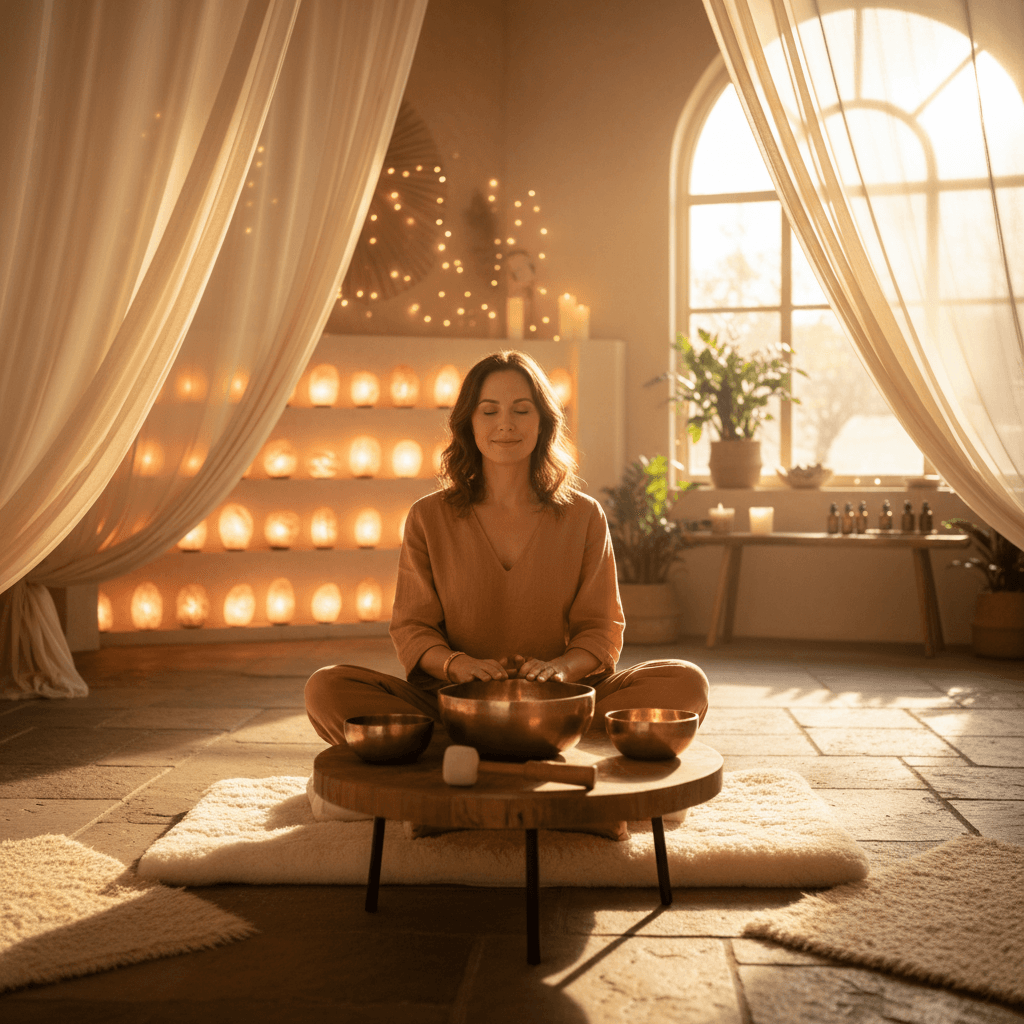
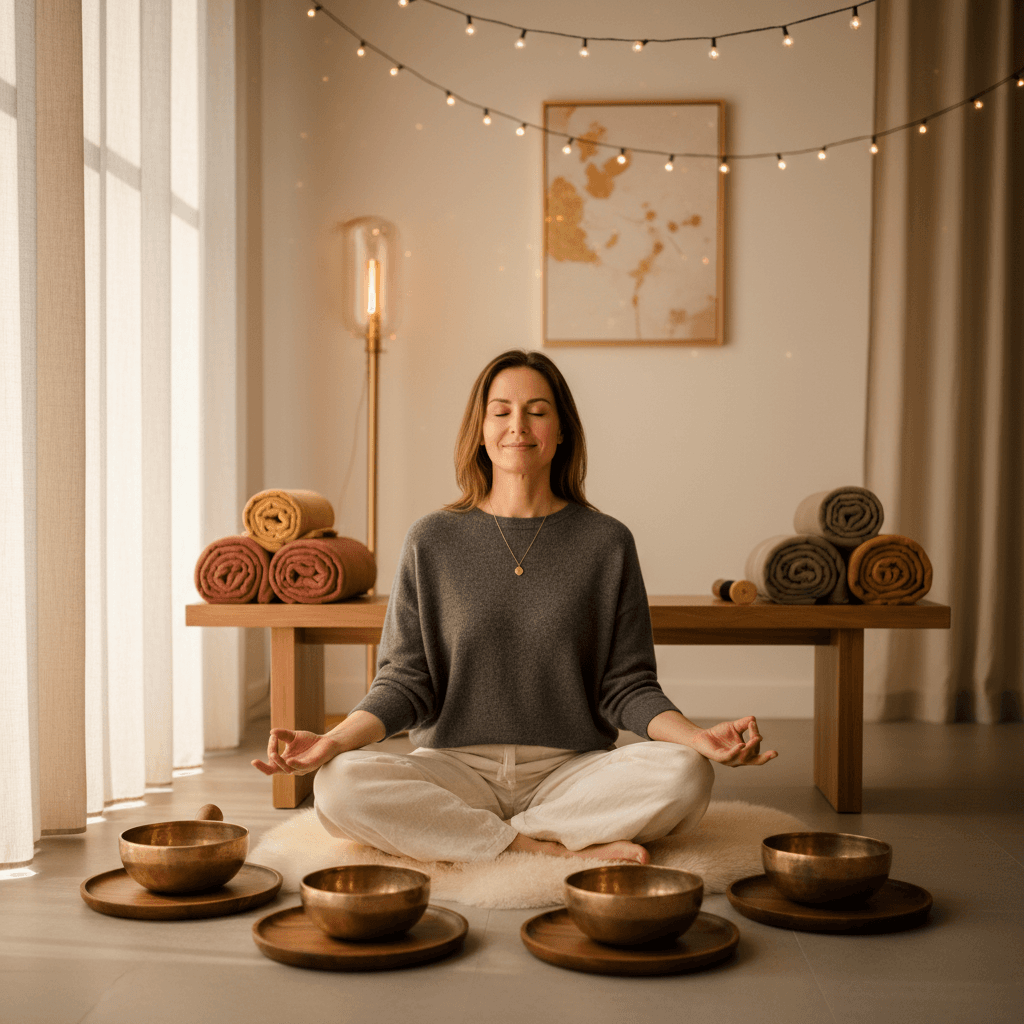
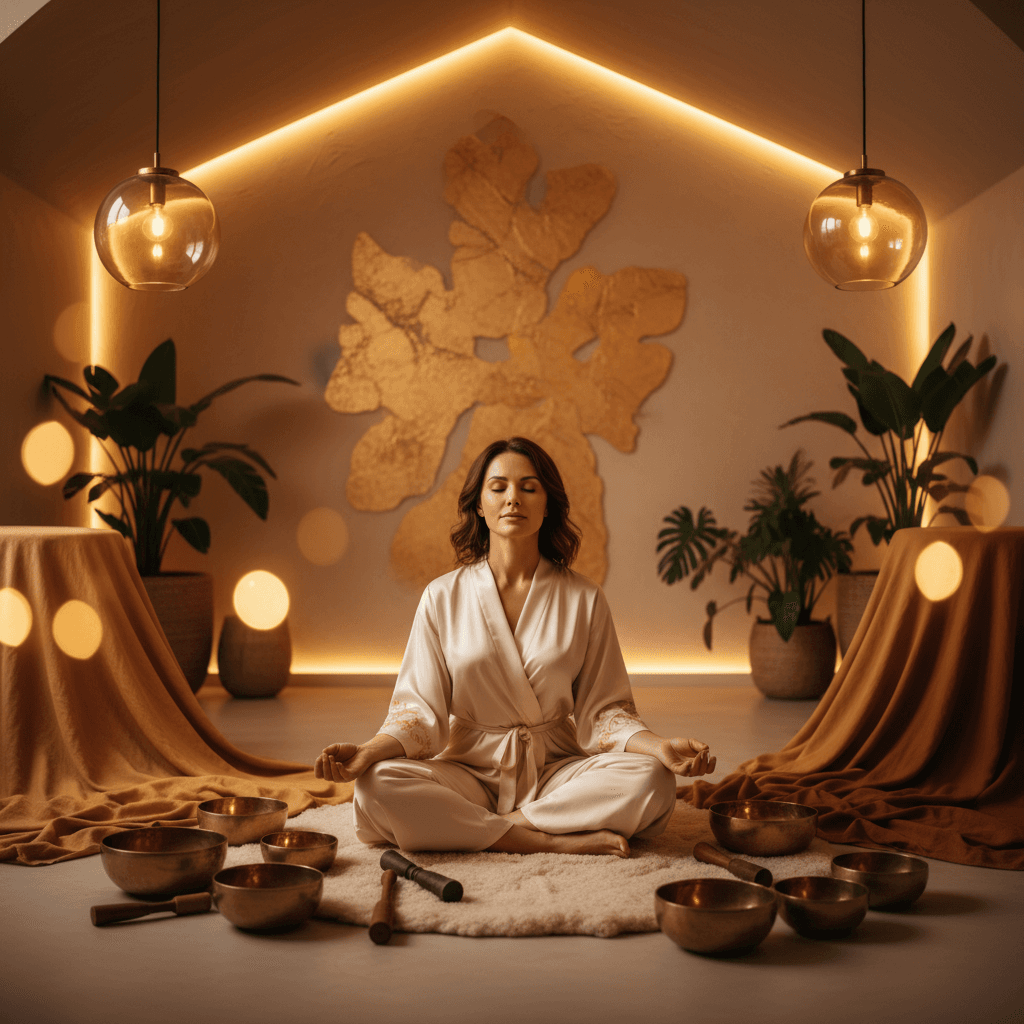
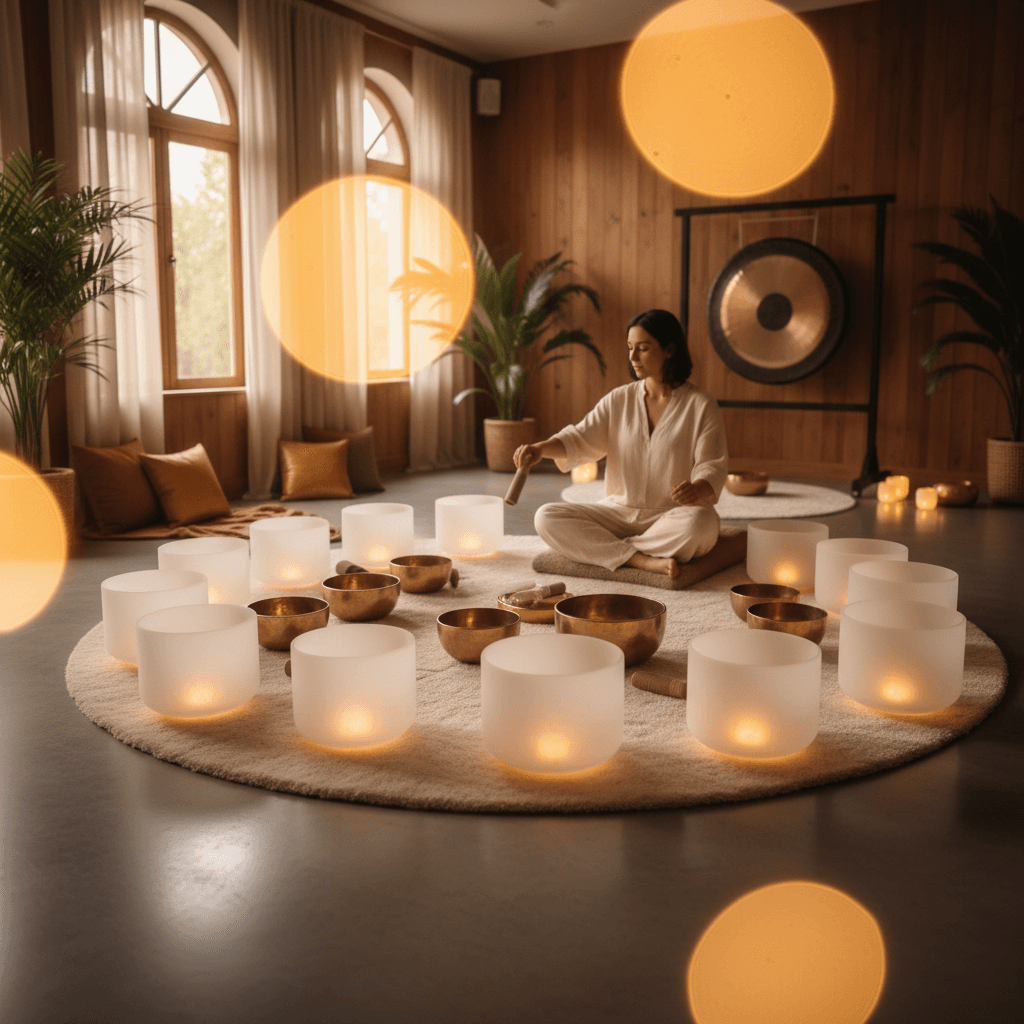
Upon entering a sound wellness session, clients are invited into a serene, carefully curated space designed to minimize external distractions and foster an immediate sense of calm. They typically lie down comfortably, often with blankets and eye masks, to maximize their ability to relax and receive the sounds. The practitioner then skillfully introduces a symphony of instruments, such as crystal singing bowls, Tibetan singing bowls, gongs, chimes, and tuning forks.
The experience is profoundly sensory. As the resonant tones fill the space, they are felt not just heard. Clients often describe feeling vibrations move through their bodies, releasing accumulated tension in muscles and deep tissues that may have been held for years. The non-verbal nature of this practice is particularly impactful for first responders who may struggle with the vulnerability of traditional talk therapy due to emotional numbing or the stigma of their profession. Sound offers a pathway to process emotions and release stress without the need for verbal articulation.
"The vibrations become a gentle, guiding hand, allowing the body to remember what it feels like to be truly at peace, without the pressure of having to explain or intellectualize the trauma."
For those grappling with emotional numbing, the immersive soundscapes can gently awaken the senses and facilitate a reconnection with their internal landscape, fostering a safe space for emotions to surface and be acknowledged. The harmonizing frequencies can help to reset the nervous system, moving it out of states of hyperarousal or hypoarousal and towards a more balanced, regulated state. Many people report a significant reduction in anxious thoughts and an improvement in their ability to stay present during and after sessions.
One of the most immediate and appreciated benefits is the enhancement of sleep quality. By guiding the brain into deeper meditative and delta wave states, sound wellness sessions can prime the body for restorative sleep, breaking cycles of insomnia and restless nights. Clients often leave feeling deeply rested, lighter, and more grounded, carrying a renewed sense of calm into their daily lives. This practical application directly addresses some of the most debilitating symptoms experienced by first responders.
The Soul Art Approach
At Soul Art, founded by the visionary Larissa Steinbach, we believe in harnessing the transformative power of sound to foster profound well-being. As Dubai’s premier sound wellness studio, our approach is rooted in scientific understanding, intuitive wisdom, and a deep commitment to creating a sanctuary for healing. Our method is meticulously designed to provide a bespoke experience that resonates with each individual's unique needs, especially those facing intense occupational stress like first responders.
Larissa Steinbach’s philosophy emphasizes a holistic view of well-being, understanding that mental, emotional, and physical health are intricately linked. Her expertise lies in crafting sound journeys that gently guide the nervous system into states of deep relaxation and self-repair. The Soul Art method is unique in its fusion of ancient wisdom traditions with contemporary scientific insights, ensuring that every session is both deeply spiritual and physiologically beneficial.
We utilize a diverse array of high-quality, ethically sourced instruments, each chosen for its specific vibrational properties and resonant qualities. Our studio features:
- Himalayan (Tibetan) Singing Bowls: Known for their rich, complex overtones that create deeply immersive sound baths.
- Crystal Singing Bowls: Produced from pure quartz crystal, these bowls emit powerful, clear frequencies that resonate with specific energy centers.
- Gongs: Their deep, expansive tones are particularly effective in inducing theta and delta brainwave states, promoting deep relaxation and releasing energetic blockages.
- Chimes and Tuning Forks: Used for targeted vibrational therapy, these instruments can help balance energy, relieve localized tension, and promote mental clarity.
What makes the Soul Art method particularly impactful for first responders is our understanding of their unique challenges. We create a non-judgmental, safe space where the pressures of their profession can momentarily dissolve. Our soundscapes are carefully curated to facilitate emotional regulation, gently address the impacts of trauma, and offer a much-needed respite from hypervigilance. The sessions focus on restoring the nervous system, enhancing sleep quality, and fostering an inner sense of peace that can be difficult to access in their high-stress environments.
Larissa and her team guide clients through sound experiences that are both deeply restorative and subtly transformative, enabling first responders to find a powerful complementary tool in their continuous journey towards resilience and holistic well-being. Soul Art stands as a beacon of support, offering a pathway to calm amidst chaos.
Your Next Steps
Prioritizing your mental and emotional well-being is not a luxury; it is an essential act of self-preservation, especially for our courageous first responders. Integrating proactive self-care and wellness practices is crucial for long-term resilience and health. Here are some actionable steps you can implement today to support your journey towards greater well-being:
- Recognize the Signs: Pay attention to early indicators of stress, fatigue, or emotional numbing. Acknowledging these signs is the first step towards seeking support and making positive changes. Early intervention may support better outcomes.
- Explore Complementary Wellness Practices: Consider integrating practices like sound wellness, meditation, or mindfulness into your routine. These approaches may provide gentle, non-pharmacological support for stress reduction and emotional balance. Many people report significant benefits.
- Prioritize Consistent Sleep Hygiene: Establish a regular sleep schedule, create a calming bedtime routine, and ensure your sleep environment is conducive to rest. Quality sleep is foundational for both physical and mental repair.
- Connect with Supportive Communities: Seek out peers, friends, or family who understand your experiences or can offer a safe space for connection. Building a strong support network is vital for processing challenges and fostering a sense of belonging.
- Consider a Soul Art Experience: Discover the profound benefits of sound wellness firsthand. Our sessions are designed to offer a unique sanctuary for relaxation, stress management, and emotional rejuvenation. This complementary approach may support your overall well-being.
Taking these steps is an investment in your long-term health and your capacity to continue serving our communities. You deserve a space where you can replenish your spirit and restore your inner calm.
Bookings Coming Soon
Soul Art is still in preparation. Session details and booking will be published here after launch.
Coming Soon
In Summary
First responders shoulder immense burdens, facing chronic occupational trauma that leads to significantly higher rates of PTSD and related mental health challenges. This often manifests as emotional numbing, sleep disturbances, and persistent stress. Sound wellness offers a scientifically-grounded, complementary approach, leveraging vibrational frequencies to support brainwave entrainment, pain management, emotional regulation, and deep, restorative sleep.
At Soul Art, Larissa Steinbach and her team provide a unique sanctuary in Dubai, offering expertly curated sound experiences that address the specific needs of these heroes. Through gentle, non-verbal engagement, sound wellness supports the nervous system's return to balance, fostering resilience and inner peace. It is a powerful tool for self-care, helping first responders find calm amidst the demanding realities of their invaluable work.
Wellness Disclaimer: This article is for educational and informational purposes only. It does not constitute medical advice, diagnosis, or treatment. Soul Art Dubai provides non-medical wellness experiences focused on relaxation, stress management, and general wellbeing. Sound wellness is a complementary practice and should not replace professional medical care.