Sound Wellness for Addiction Families: Healing Together at Soul Art

Key Insights
Explore how sound wellness supports addiction recovery for individuals and families in Dubai. Discover scientific insights, stress reduction, and emotional balance at Soul Art by Larissa Steinbach.
The ripple effects of addiction extend far beyond the individual, touching every member of a family with stress, anxiety, and often, unspoken pain. When one person grapples with substance misuse, the entire family system can become strained, impacting communication, trust, and overall well-being. How then, can families find a path to collective healing and establish a foundation of peace and understanding amidst such challenges?
At Soul Art, Dubai's premier sound wellness studio founded by Larissa Steinbach, we explore the profound potential of sound to foster harmony and resilience within families navigating the complexities of addiction recovery. This article delves into the scientific underpinnings of sound wellness, illustrating how it may support not only the individual in recovery but also create a more serene and supportive environment for the entire family unit. We invite you to discover how this complementary approach can offer a unique pathway to emotional balance, stress reduction, and enhanced family connection.
The Science Explained: Resonating with Recovery
The human body is an intricate symphony of frequencies, and sound wellness harnesses this understanding to encourage profound states of relaxation and balance. Through specific sound vibrations, this practice aims to influence the body’s energy frequencies, promoting a shift from high-stress states to more serene and receptive brainwave patterns. This nuanced interplay between sound and physiology offers significant potential for individuals and their families seeking holistic support during addiction recovery.
The Brainwave Symphony: Shifting Towards Serenity
Our brain activity is characterized by different brainwave states, each associated with distinct mental and emotional experiences. When we are highly alert or anxious, our brains typically operate in beta waves, ranging from approximately 14 to 30 Hz. However, sound wellness practices may help facilitate a shift towards lower frequency states associated with relaxation and healing.
As individuals begin to de-stress and disengage from external pressures, brain activity can transition into alpha waves, typically between 8 and 12 Hz. This state is associated with calm alertness and has been linked to enhanced memory and reductions in cortisol, a major stress hormone. Further relaxation can lead to theta waves, ranging from about 4 to 7 Hz, which are often experienced during meditation or light sleep and are associated with creativity and deep relaxation. The deepest relaxation, or even dreamless sleep, occurs in the delta wave state, with frequencies from approximately less than 4 Hz. Research suggests that sound therapy, particularly with instruments like singing bowls, can induce a distinct change in delta brain waves, facilitating deep relaxation.
Studies have revealed that individuals in recovery from addiction often exhibit altered brainwave patterns. For example, detoxified alcoholic patients may show increased beta activity and a decrease in both alpha and theta waves, indicating a more alert or anxious state. Similarly, early-stage abstinence from heroin has been associated with alpha activity deficiency, while long-term abstinence from cocaine may involve reduced activity in theta and delta waves. By encouraging a shift towards more relaxed alpha, theta, and delta brainwave states, sound wellness may support the normalization of these patterns, fostering a greater sense of calm and mental clarity essential for sustained recovery. This natural shift in brain activity helps reduce mental tension and stabilize emotions, providing crucial support during the often-challenging journey of addiction recovery.
Physiological Harmony: Reducing Stress and Enhancing Resilience
Beyond brainwave alterations, sound vibrations interact with the human body to influence various physiological responses. One of the most significant benefits is the potential reduction of cortisol levels. Cortisol is our primary stress hormone, and chronic elevation can contribute to anxiety, inflammation, and other health issues. Listening to specific sound frequencies, such as binaural beats, has been observed to reduce cortisol levels by 25%, significantly lowering stress and promoting relaxation.
Sound wellness may also influence heart rate variability (HRV), helping to create a calm, steady heartbeat. Improved HRV is an indicator of enhanced emotional resilience and a healthier nervous system, both vital for managing the triggers and stressors associated with addiction recovery. Moreover, the deep relaxation induced by sound therapy has been associated with an increase in beta endorphins, which are natural pain suppressors in the body. This is particularly relevant for individuals who may be undergoing medical detox, those whose substance misuse was influenced by chronic pain, or those recovering from opioid addiction. Low-frequency sound stimulation has even been shown to help reduce pain in patients with conditions like fibromyalgia, underscoring its potential as a complementary pain management tool.
Additionally, sound therapy, particularly in the alpha wave range, may stimulate the production of serotonin, a neurotransmitter known for its role in mood regulation. This effect aligns with the mechanisms of many antidepressant medications and highlights how sound can holistically support mental well-being. By fostering these profound physiological changes, sound wellness offers a powerful, non-invasive method to promote emotional balance, reduce physical discomfort, and build resilience, all of which are crucial for individuals in addiction recovery and their supportive families.
The Power of Resonance: Healing the Family System
The benefits of individual sound wellness sessions naturally extend to the family unit, creating a powerful ripple effect. When one family member experiences reduced stress, improved emotional regulation, and a greater sense of calm, it positively impacts the entire household dynamic. A parent, child, or spouse who feels more at peace is often better equipped to communicate openly, respond with empathy, and offer consistent support.
Research highlights the profound impact of family expressed emotions on relapse rates; negative attitudes, emotional responses, and heightened expectations can increase the frequency of relapse. Conversely, strong perceived social support from family has a significant negative relationship with relapse frequency, improving psychosocial functioning during treatment. Sound wellness provides a unique opportunity for individuals within the family to cultivate their inner resources for emotional regulation, making them better equipped to offer this vital support without exacerbating stress.
For families navigating addiction, creating a sanctuary of calm and stability is paramount. The internal tranquility fostered by sound wellness in one member can lessen overall family tension, making it easier to engage in constructive dialogue and build a supportive environment. This shared experience of seeking and cultivating peace can become a foundational “ritual” that strengthens family bonds and contributes to a collective sense of well-being, directly countering the stress-inducing factors that often accompany addiction.
How It Works in Practice: A Journey to Collective Calm
Stepping into a sound wellness session is an invitation to immerse oneself in a world of therapeutic frequencies. The experience is designed to be deeply restorative, offering a gentle yet powerful pathway to relaxation and introspection. For families touched by addiction, this practical application of sound can create a much-needed space for relief and rejuvenation.
A Sanctuary for the Senses: The Individual Experience
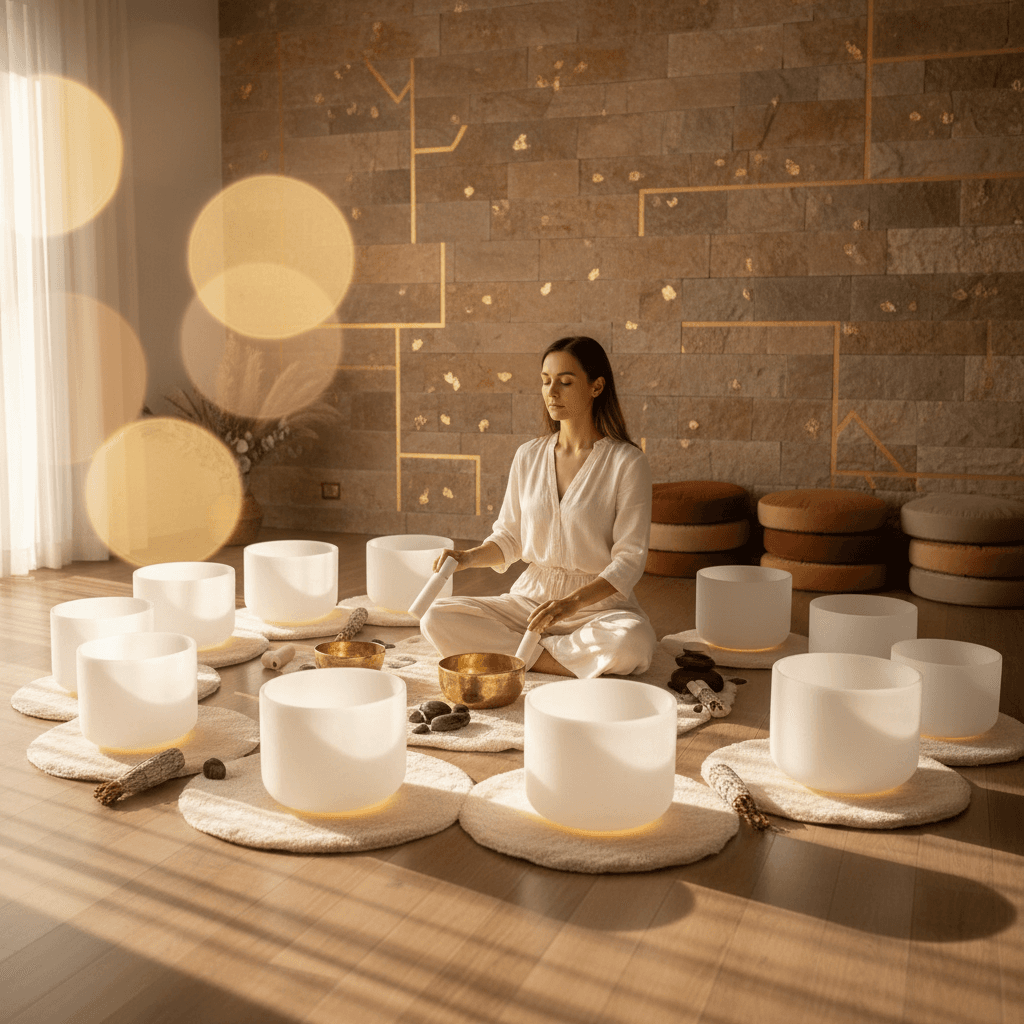
During a typical sound wellness session, clients recline comfortably, often surrounded by a carefully curated array of instruments. These may include Tibetan singing bowls, crystal bowls, and gongs, which are played with mallets to produce rich, resonant tones and palpable vibrations. The practitioner may also use tuning forks, placed on or near the body to transmit targeted frequencies. The primary focus is on experiencing the sound not just auditorily, but with the whole being – feeling the gentle vibrations permeate the body.
Many people report a profound sense of relaxation and peace, as if the sounds are gently washing away tension. This meditative state allows the brain to shift from its busy beta waves to the calmer alpha and theta states, promoting a deep sense of inner quiet. This period of rejuvenation is vital for anyone facing intensive challenges, such as those in addiction treatment. It provides a much-needed mental and emotional respite, allowing individuals to process complex emotions and challenges with renewed vigor, reducing the risk of burnout or relapse-triggering stress.
“We have a grand piano in our main living room, which is great for clients who are using music therapy. It’s a really great way for them to express themselves and connect with others.”
Music therapy, which often integrates elements of sound wellness, provides a creative outlet for self-expression. Instruments like a grand piano can be powerful tools for emotional release and connection, offering a non-verbal means to explore feelings that may be difficult to articulate, fostering a deeper sense of self-awareness.
Cultivating Inner Calm, Together: Bridging Individual to Family Well-being
While individual sessions are incredibly beneficial, the principles of sound wellness can extend to support the entire family, albeit often through individual sessions for each member or carefully facilitated group experiences. When each family member engages in practices that reduce their own stress and enhance their emotional regulation, the collective family atmosphere naturally improves. Imagine a household where each person is better equipped to manage their own anxiety; the potential for conflict decreases, and the capacity for empathetic understanding grows exponentially.
For families impacted by addiction, the practice of sound wellness offers a complementary tool to address the heightened stress levels that often permeate the home environment. When parents are under immense stress, their children may also experience increased anxiety and a feeling of a lack of protection, underscoring the interconnectedness of family well-being. By fostering individual calm, sound wellness can indirectly improve family interactions, making it easier for family members to provide the crucial social support needed for recovery without overwhelming themselves.
Furthermore, integrating practices that promote relaxation can help families establish healthier "rituals," as research suggests that such routines can positively impact children and family cohesion. Whether through shared moments of quiet reflection inspired by sound principles or through the enhanced capacity for calm communication gained from individual sessions, sound wellness may help families cultivate a more stable, supportive, and resilient environment for everyone involved in the recovery journey.
The Soul Art Approach: A Harmonious Path to Family Well-being
At Soul Art, Larissa Steinbach understands that true well-being is holistic and often deeply intertwined with our closest relationships. Our approach to sound wellness for families facing addiction is built on a foundation of scientific understanding, compassionate care, and personalized experiences designed to nurture every soul. We recognize that supporting the individual in recovery also means supporting their family, as their journey toward healing is profoundly interconnected.
A Bespoke Path to Harmony, Guided by Larissa Steinbach
Larissa Steinbach, the visionary founder of Soul Art, brings a unique blend of expertise and intuition to every session. Her method is not merely about playing instruments; it is about creating a sacred space where individuals and families can reconnect with their inner peace. Larissa integrates various holistic modalities with well-researched Western techniques, ensuring a comprehensive and deeply impactful experience. She emphasizes the creation of bespoke sound journeys, tailored to the specific needs and emotional landscape of each client, acknowledging that every individual’s path to healing is distinct.
The Soul Art method utilizes a diverse range of sound instruments, each chosen for its unique vibrational qualities. Clients may experience the soothing resonance of crystal bowls, the grounding vibrations of gongs, and the precise frequencies of tuning forks. These tools are expertly employed to guide individuals into deeper states of relaxation, facilitate stress reduction, and promote emotional release. The careful selection and masterful playing of these instruments are central to the transformative experiences offered at Soul Art, fostering an environment where clients can truly surrender to the healing power of sound.
Beyond Individual Healing: Nurturing the Family Unit
While our sound wellness sessions are primarily conducted on an individual basis, the therapeutic benefits are designed to cascade into the family unit. Larissa Steinbach and the Soul Art team understand that a calmer individual contributes to a calmer family dynamic. By offering a sanctuary for personal healing, we indirectly empower each family member to engage more constructively and supportively in the recovery process of their loved one. Our approach acknowledges that addiction often creates a cycle of stress and reactivity within families. By helping individuals mitigate their own stress responses and cultivate emotional resilience, Soul Art provides a powerful tool for breaking these cycles.
Our commitment extends to fostering an environment where families can implicitly learn the value of self-care and emotional regulation, skills that are crucial for creating a supportive recovery ecosystem. While we focus on non-medical wellness, the holistic relaxation and stress reduction offered at Soul Art are complementary to any family-based interventions or traditional care. We believe that by enhancing individual well-being through the profound experience of sound, we help build stronger, more empathetic, and more harmonious family units capable of navigating the challenges of addiction recovery with greater grace and unity.
Your Next Steps: Embracing a Path of Wellness
Navigating the journey of addiction recovery, whether as an individual or a family, requires immense courage and consistent effort. Integrating complementary wellness practices, such as sound healing, can provide invaluable support, offering a gentle yet powerful means to manage stress, cultivate emotional balance, and foster resilience. If you and your family are seeking ways to enhance well-being and create a more supportive environment, consider the transformative potential of sound wellness.
Here are some actionable steps you can take today to begin your journey towards greater harmony:
- Prioritize Self-Care: Recognize that your well-being directly impacts your capacity to support others. Engage in practices that help you de-stress and recharge, whether it's sound wellness, mindfulness, or simply quiet reflection.
- Explore Sound Wellness: Consider experiencing a sound wellness session yourself. Many people report significant reductions in tension and anxiety after just one session, providing a personal foundation of calm.
- Foster Open Communication (Calmly): As individual stress levels decrease through practices like sound wellness, your capacity for calm, empathetic communication with family members may increase. Create spaces for honest, supportive dialogue.
- Seek Complementary Support: Sound wellness is a powerful complementary approach. Integrate it with other forms of family support, counseling, or traditional addiction recovery programs to create a comprehensive network of care.
- Establish Moments of Peace: Even short periods of quiet or focused relaxation, perhaps listening to calming music or guided meditations, can help anchor moments of peace within the family routine, reducing overall stress.
In Summary: A Symphony of Healing for Families
The journey of addiction recovery is multifaceted, touching every member of a family. Sound wellness offers a unique, scientifically-grounded complementary approach to support this intricate process. By shifting brainwave states, reducing cortisol, and enhancing emotional resilience, sound therapy helps individuals find deep relaxation and mental clarity. These individual transformations radiate outward, fostering improved communication, reduced family stress, and stronger social support essential for preventing relapse.
At Soul Art, Larissa Steinbach’s bespoke approach provides a sanctuary for individuals and families to explore the profound healing potential of sound. It is a pathway to nurturing emotional balance and cultivating a harmonious environment. Embrace the possibility of collective healing and discover how sound can become a cornerstone of your family's journey toward lasting well-being.
Bookings Coming Soon
Soul Art is still in preparation. Session details and booking will be published here after launch.
Coming Soon
Wellness Disclaimer: This article is for educational and informational purposes only. It does not constitute medical advice, diagnosis, or treatment. Soul Art Dubai provides non-medical wellness experiences focused on relaxation, stress management, and general wellbeing. Sound wellness is a complementary practice and should not replace professional medical care.
Related Articles

LGBTQ+ Recovery: Sound Wellness for Inclusive Healing & Regulation

Relationship Recovery: The Science of Sound for Intimacy
Soulful Connections: The Science of Shared Sound Practices and Well-being Sponsorship