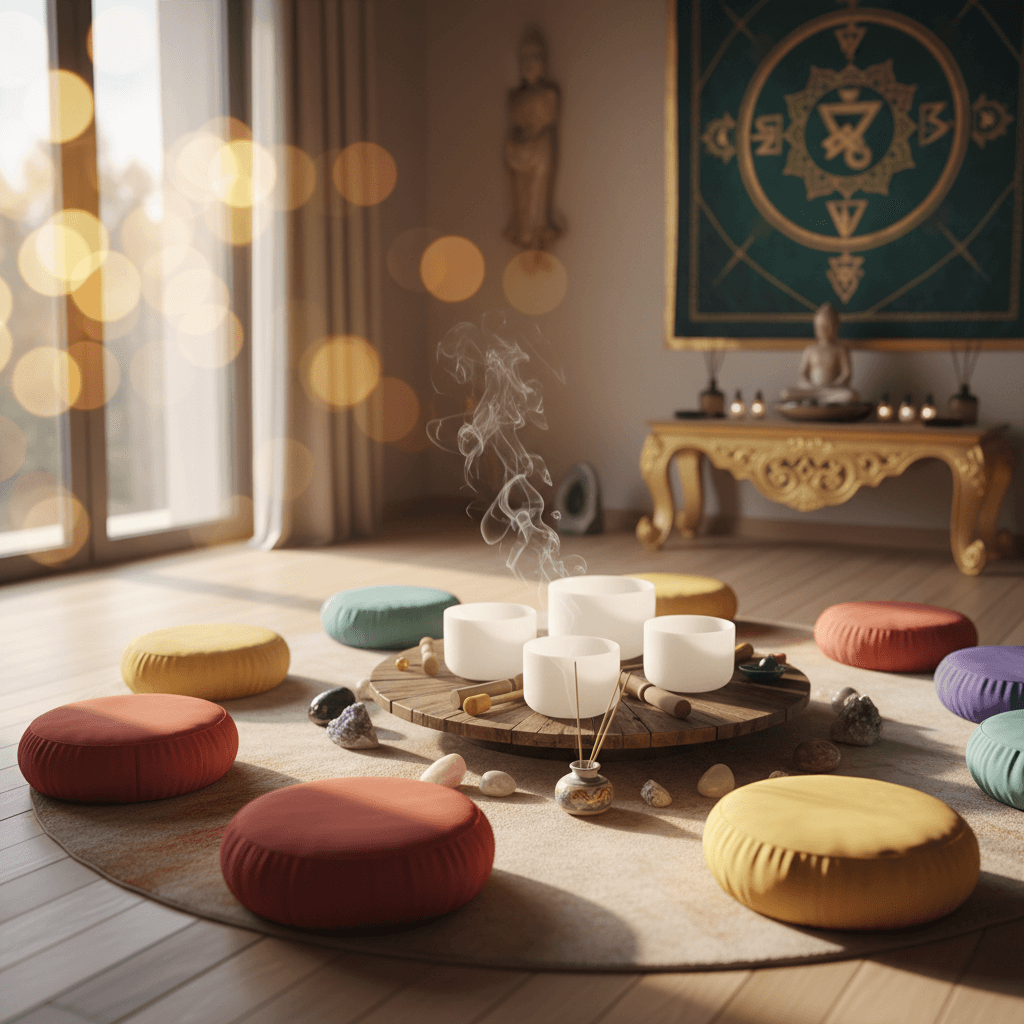
Harmonizing Your Night: Sound for Deep Evening Recovery
Key Insights
Discover how sound wellness by Soul Art Dubai can transform your evenings, guiding you to deeper rest and recovery from nighttime triggers.
Have you ever found yourself lying awake as the clock ticks past midnight, your mind replaying the day's stressors or anticipating tomorrow's challenges? In our bustling, always-on world, achieving truly restorative sleep can often feel like an elusive luxury. Yet, quality sleep is not just about avoiding fatigue; it is a fundamental pillar of our physical, mental, and emotional well-being, crucial for everything from cognitive function to mood regulation.
At Soul Art, Dubai's premier sound wellness studio, founded by the visionary Larissa Steinbach, we understand that modern life presents numerous "nighttime triggers" – from the ping of a late-night email to the quiet hum of anxiety. This article delves into the profound, scientifically-backed ways sound wellness can act as a gentle yet powerful mediator, guiding your body and mind from the day's demands into a state of profound rest. Prepare to explore how the strategic application of sound can unlock a deeper, more peaceful evening recovery, transforming your relationship with sleep and enhancing your overall vitality.
The Science of Serenity: How Sound Calms Your Night
The ability of sound to influence our physiological state is not merely anecdotal; it is a rich field of scientific inquiry. Decades of research have consistently demonstrated music's effectiveness as a sleep intervention across diverse populations, triggering the necessary physiological changes for a calm, restorative transition to sleep. At its core, sound wellness operates by harmonizing the intricate systems of our body, preparing us for profound rest.
Shifting Brainwave States for Deep Rest
Our brains operate through electrical impulses, generating distinct brainwave patterns associated with different states of consciousness. Understanding these patterns is key to appreciating how sound supports evening recovery:
- Beta Waves: These are dominant when we are alert, focused, and actively engaged in problem-solving. While essential for daily tasks, an excess of beta activity at night can lead to restlessness and insomnia.
- Alpha Waves: As we relax, close our eyes, and begin to unwind, our brains naturally shift into an alpha state. This is associated with relaxed awareness, creativity, and a calm mental state, making it a gateway to deeper relaxation.
- Theta Waves: Often experienced during deep meditation or light sleep, theta waves are linked to profound relaxation, introspection, and dreaming. This state is crucial for mental and emotional processing.
- Delta Waves: These are the slowest brainwaves, characteristic of deep, dreamless sleep (slow-wave sleep or SWS). Delta activity is vital for physical restoration, immune system function, and memory consolidation.
Studies show that sound healing tools, particularly binaural beats and singing bowls, possess the unique ability to gently guide brainwaves from high-stress beta into calmer alpha or theta states. This transition helps mitigate anxiety and primes the mind for sleep. Specific frequencies can even directly influence sleep architecture, with recent research using binaural beats at 0.25 Hz showing promising results in shortening the latency to slow-wave sleep during daytime naps. The strategic application of specific sounds helps train the brain to behave in more effective ways to suit our needs, moving us towards restorative delta waves.
The Autonomic Nervous System: From Fight-or-Flight to Rest-and-Digest
Music's impact on sleep extends far beyond brainwave modulation; it profoundly influences our entire autonomic nervous system (ANS). The ANS comprises two primary branches: the sympathetic nervous system (SNS), responsible for our "fight-or-flight" response, and the parasympathetic nervous system (PNS), which governs "rest-and-digest" functions. For quality sleep, activating the PNS is paramount.
Listening to calming music or specific sound frequencies triggers measurable physiological changes that signal to the body it is safe to relax and prepare for sleep. Research consistently demonstrates several key autonomic shifts:
- Cardiovascular Effects: Heart rate slows and becomes more regular, blood pressure decreases, and overall cardiovascular stress diminishes. These changes mirror the natural transition our bodies make when preparing for sleep. This reduction in physiological arousal is a clear indicator of the body shifting away from a stress-response state.
- Reduction in Stress Hormones: High cortisol levels are intrinsically linked to anxiety, poor sleep quality, and inflammation. Sound wellness can help reduce cortisol levels by activating the parasympathetic nervous system. Instruments like gongs and singing bowls create vibrations that help shift the body into a rest-and-digest state, effectively calming the nervous system. A 2016 study at the University of California demonstrated that after just 20 minutes of singing bowl meditation, participants exhibited significantly lower cortisol levels and heart rates. This tangible evidence highlights sound's power in modulating our body's stress response.
By gently guiding the ANS towards a state of calm, sound wellness helps to dismantle the physiological barriers that often prevent us from entering a truly restful state.
Targeted Frequencies: Binaural Beats and Beyond
The effectiveness of sound as a sleep aid is not solely dependent on subjective preference; specific frequencies and patterns have been identified as particularly potent.
- Binaural Beats: These auditory illusions occur when two slightly different frequency pure-tone sine waves are presented to a listener, one to each ear. The brain perceives a third "beat" frequency, which corresponds to the difference between the two tones. When this perceived frequency falls into the delta or theta range (e.g., 0.25 Hz for delta), it may encourage the brain to synchronize its own electrical activity to that frequency, thus facilitating the induction of deeper sleep stages. Research has shown promising results in shortening the latency to slow-wave sleep.
- Isochronic Tones: Similar to binaural beats but using a single tone that is rapidly turned on and off to create a pulsed sound. These pulses are more distinct and may be more effective for some individuals in brainwave entrainment, guiding the brain towards desired states of relaxation or sleep.
- Specific Musical Frequencies: Certain musical frequencies have been associated with sedative effects. For example, 432 Hz music has shown a significant sedative effect, reflected by increased alpha activity, which promotes relaxation. Music characterized by a slow tempo (around 50-80 beats per minute), stable dynamics, simple structures, and instrumental compositions without lyrics is often deemed optimal for relaxation and sleep induction.
- Colored Noise: While the scientific evidence is still emerging for some, different "colors" of noise also play a role. Pink noise, characterized by a more balanced distribution of energy across frequencies compared to white noise, has shown promising results in improving sleep quality in several studies, particularly when played for most of the night. It creates a smoother, more natural soundscape that can mask disruptive background noises without being jarring. Brown and blue noise are also being explored, though with less academic backing at present.
These targeted auditory stimuli provide a non-pharmacological pathway to influence our brain's activity and prepare our bodies for an optimal evening recovery.
Beyond the Brain: Holistic Physiological Impacts
The benefits of sound extend beyond direct brainwave and nervous system modulation, impacting several other areas crucial for holistic well-being and evening recovery:
- Boosts Mood and Reduces Anxiety: Listening to harmonic sounds has been shown to increase levels of serotonin and dopamine, the brain's natural feel-good chemicals. This neurochemical boost contributes to feelings of peace, contentment, and even mild euphoria reported by many after a sound session. Research published in Frontiers in Human Neuroscience demonstrated that sound therapy helped patients with chronic anxiety significantly reduce symptoms over a 4-week period. This mood elevation can be a powerful antidote to pre-sleep anxiety.
- Helps with Pain Management: Sound frequencies can influence how the brain perceives pain. The gentle vibrations from instruments like singing bowls and gongs may also help relax tense muscles, improve circulation, and stimulate healing at a cellular level. A 2015 study published in Pain Research and Management found that music and sound therapy significantly reduced chronic pain in elderly patients, suggesting its potential to alleviate physical discomfort that often interferes with sleep.
- Supports Mental Health and PTSD Recovery: For individuals navigating trauma, PTSD, or emotional wounds, sound can offer a gentle, non-verbal pathway to healing. The calming effect of specific frequencies helps the brain settle, fostering a sense of safety and trust. While complex, sound therapy may support the brain in processing difficult emotions, creating a more settled mental state conducive to sleep.
"The profound resonance of sound offers a unique journey inward, bypassing the analytical mind to soothe the very core of our being, facilitating a return to our natural state of calm."
How It Works in Practice
Translating the intricate science of sound into a tangible, deeply relaxing experience is where the art of sound wellness truly comes to life. While the mechanisms are complex, the practice itself is often elegantly simple, creating an immersive sensory journey that guides the body and mind towards deep evening recovery.
Imagine stepping into a tranquil space, softly lit, with an air of profound calm. You recline comfortably, perhaps enveloped in a soft blanket, as the session begins. Instead of external distractions, your focus gently shifts inward, drawn by the subtle symphony of carefully selected sounds. These sounds are not merely background noise; they are thoughtfully curated auditory landscapes designed to facilitate specific physiological and psychological responses.
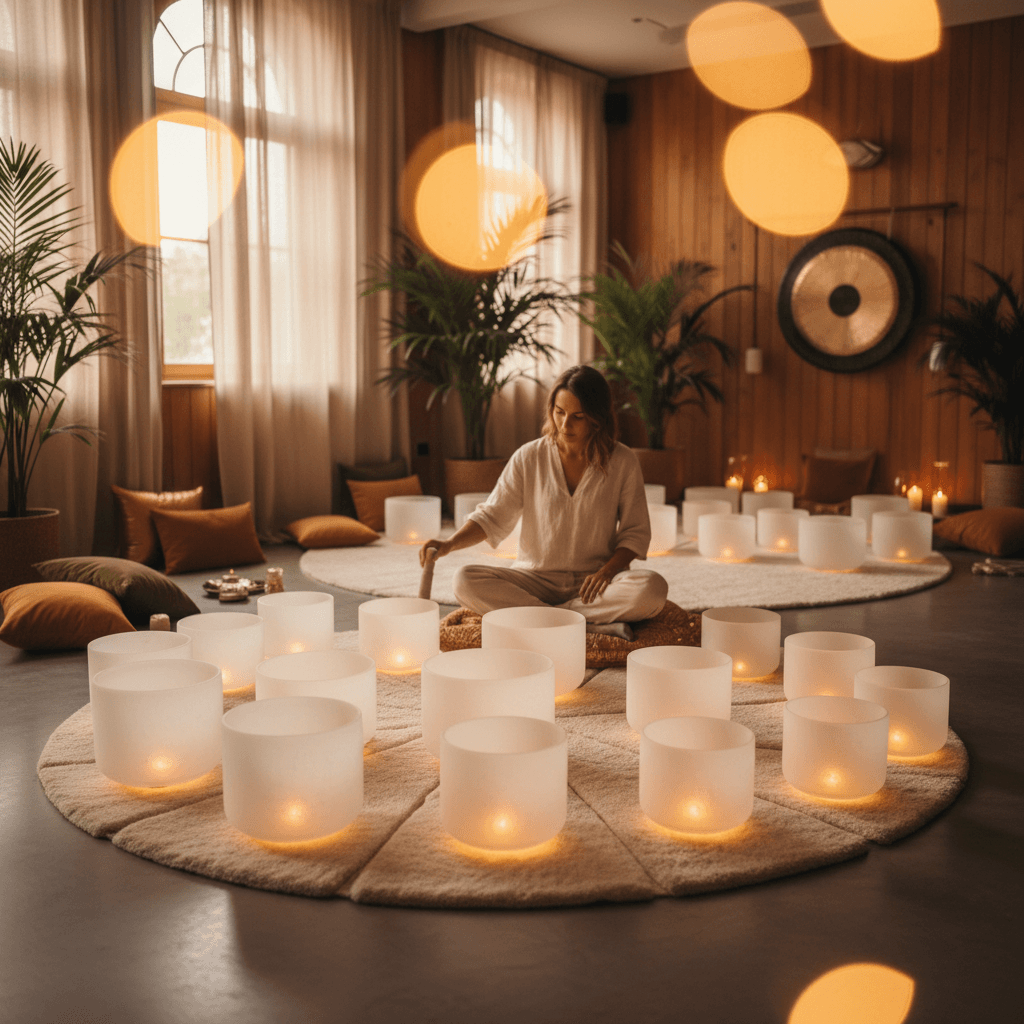
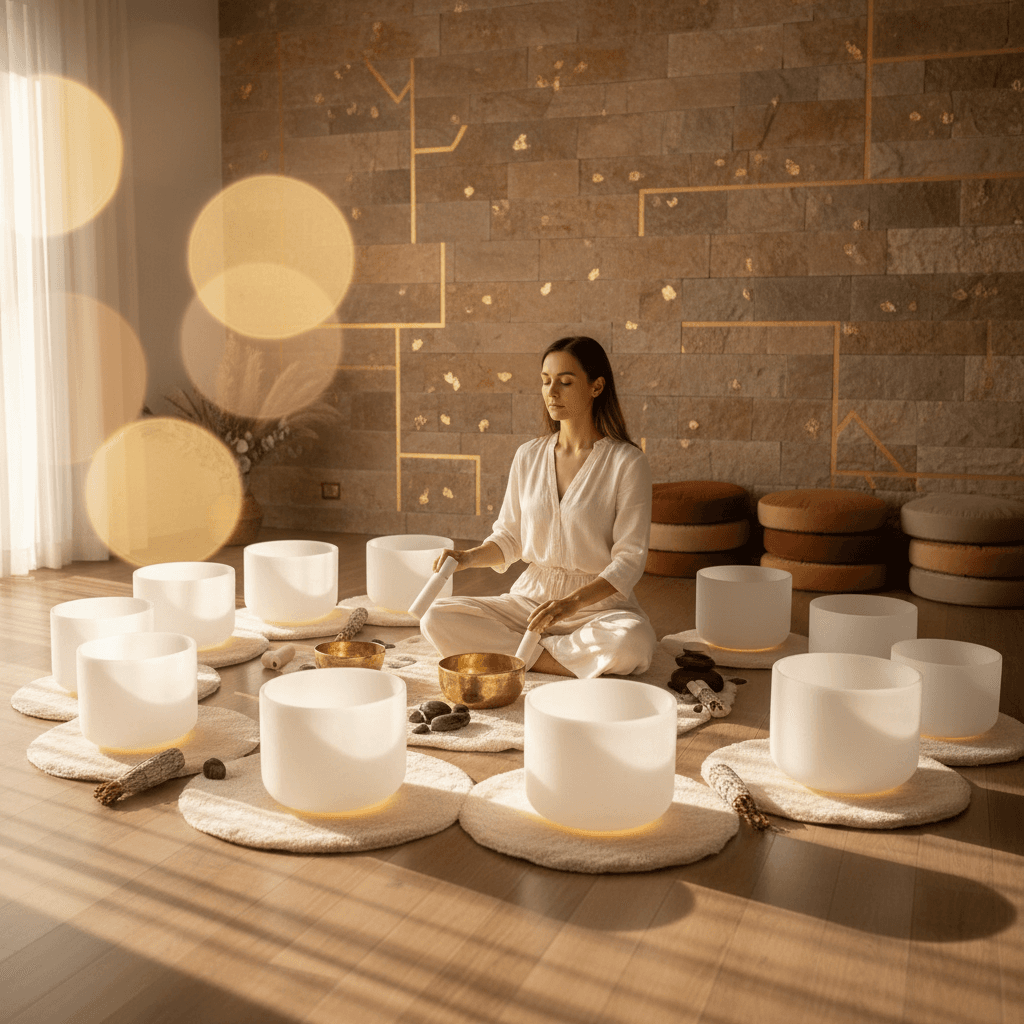
The instruments themselves are diverse and potent. Himalayan singing bowls, with their rich, sustained tones, create complex overtones that resonate deeply within the body, often described as a gentle internal massage. Gongs produce powerful, evolving soundscapes that can quickly entrain brainwaves, leading to states of profound relaxation or even a dream-like reverie. Crystal singing bowls offer pure, clear tones that vibrate at specific frequencies, believed by many to align with the body's energy centers. Chimes, rainsticks, and other percussive instruments add layers of texture and atmosphere, completing the immersive sound journey.
Clients often report a tangible shift in their state of being during a session. Initially, the mind may still be active, processing thoughts and feelings from the day. However, as the sound washes over them, there is a gradual letting go. The heart rate may noticeably slow, breathing deepens, and muscles begin to release tension. Many experience a sense of profound peace, a feeling of being suspended in a timeless space where worries dissipate. It's a journey from external chaos to internal quiet, from a state of alertness to one of deep, restorative calm. This journey is precisely what helps mitigate nighttime triggers, allowing for a smoother transition into sleep.
The effectiveness of these sonic sleep aids (SSAs) also stems from their ability to become part of a consistent bedtime routine or ritual. The repetitive, soothing nature of certain sounds can act as a powerful cue to sleep, signaling to the body that it is time to unwind. While a quiet environment is often suggested for sleep, paradoxically, many find that the right kind of auditory stimulation—be it calming music, pink noise, or the harmonic overtures of singing bowls—can create a sonic sanctuary, especially in urban settings where complete silence is a rarity. This deliberate, mindful exposure to sound shifts the external environment from a source of potential disturbance to a pathway for inner peace.
The Soul Art Approach
At Soul Art, Larissa Steinbach and her team have meticulously crafted a unique approach to sound wellness, combining ancient wisdom with contemporary scientific understanding. Our philosophy is rooted in the belief that true well-being comes from harmonizing the individual’s internal landscape with their external environment, particularly when it comes to the crucial period of evening recovery. The Soul Art method is not just about listening to sounds; it’s about experiencing a curated journey designed for deep physiological and mental restoration.
Larissa Steinbach's expertise lies in her intuitive ability to select and blend instruments and frequencies that specifically address the modern challenges of sleep disturbance and nighttime triggers. We utilize a rich array of sacred sound instruments, including precision-tuned crystal singing bowls, resonant Himalayan singing bowls, powerful gongs, delicate chimes, and other therapeutic percussive elements. Each instrument is chosen for its unique vibrational quality and its capacity to evoke specific brainwave states and physiological responses conducive to relaxation and sleep.
What makes the Soul Art method particularly unique is its emphasis on personalized journeys. While group sound baths offer a powerful shared experience, we also offer bespoke sessions that can be tailored to an individual's specific needs, whether they are struggling with sleep onset, frequent nocturnal awakenings, or simply seeking deeper, more restorative rest. Larissa Steinbach guides these experiences with a deep understanding of how different frequencies interact with the human energy field, facilitating profound shifts from beta brainwave dominance to the calming alpha, theta, and restorative delta states.
Our sessions are designed to cultivate an environment of 'quiet luxury' – a space where every detail, from the ambient lighting to the ergonomic comfort of your mat, enhances the sensory experience. We gently guide participants through a meditation that prepares the mind for the sound journey, ensuring maximum receptivity. The soundscapes created at Soul Art are complex yet soothing, allowing the listener's nervous system to gradually downregulate, release accumulated stress hormones like cortisol, and boost mood-enhancing neurochemicals such as serotonin and dopamine. This holistic approach ensures that evening recovery is not just about falling asleep, but about achieving truly deep, quality sleep that replenishes the entire being.
Your Next Steps
Embracing sound wellness for evening recovery is a powerful step towards a more peaceful and restorative life. If you're ready to transform your nights and alleviate the grip of nighttime triggers, here are some actionable steps you can implement today, and how Soul Art can support you:
- Integrate Gentle Sound into Your Bedtime Routine: Begin by incorporating calming, instrumental music or ambient sounds into your last 30-60 minutes before sleep. Choose compositions with slow tempos (50-80 bpm), no lyrics, and stable dynamics. Many find natural soundscapes or specifically designed sleep music beneficial.
- Explore Binaural Beats or Pink Noise: For a more targeted approach, experiment with binaural beats (ensuring the target frequency is in the delta or theta range) or pink noise. These can be found on various streaming platforms. Remember, consistency is key to helping your brain entrain to these frequencies.
- Create a Dedicated "Decompression Zone": Designate a specific area in your home where you can engage in a short sound wellness practice. This could be as simple as listening to a guided sound meditation with headphones, allowing you to fully immerse yourself in the frequencies without distraction.
- Mindful Listening Practice: Even without specialized instruments, simply sitting quietly and mindfully listening to the ambient sounds around you—the distant hum of the city, the gentle rustle of leaves—can be a powerful grounding practice that shifts your focus away from internal chatter and towards the present moment, preparing your mind for rest.
- Experience a Professional Sound Wellness Session: For the most profound and immersive experience, consider visiting Soul Art Dubai. Larissa Steinbach and her team offer expertly guided sound journeys that provide a deeply restorative evening recovery. A session can provide insights into specific sounds and techniques that resonate most effectively with your unique physiological needs, establishing a foundation for consistent, quality sleep.
Ready to restore your nervous system and discover deep relaxation with the guidance of Larissa Steinbach and the unique Soul Art approach?
Bookings Coming Soon
Soul Art is still in preparation. Session details and booking will be published here after launch.
Coming Soon
In Summary
In an era where restorative sleep often feels out of reach, sound wellness emerges as a scientifically grounded and beautifully accessible pathway to profound evening recovery. From guiding brainwave states to calming the autonomic nervous system and reducing stress hormones, sound offers a holistic approach to mitigating nighttime triggers. The practice boosts mood, may aid in pain management, and fosters a deep sense of peace, preparing the body and mind for truly regenerative sleep. Under the expert guidance of Larissa Steinbach, Soul Art Dubai provides a unique, luxurious sanctuary where these ancient and modern techniques are harmonized to unlock your innate capacity for deep rest and well-being. Embrace the power of sound and transform your nights, inviting serenity and vital recovery back into your life.
Wellness Disclaimer: This article is for educational and informational purposes only. It does not constitute medical advice, diagnosis, or treatment. Soul Art Dubai provides non-medical wellness experiences focused on relaxation, stress management, and general wellbeing. Sound wellness is a complementary practice and should not replace professional medical care.
Related Articles
LGBTQ+ Recovery: Sound Wellness for Inclusive Healing & Regulation
Relationship Recovery: The Science of Sound for Intimacy
Soulful Connections: The Science of Shared Sound Practices and Well-being Sponsorship