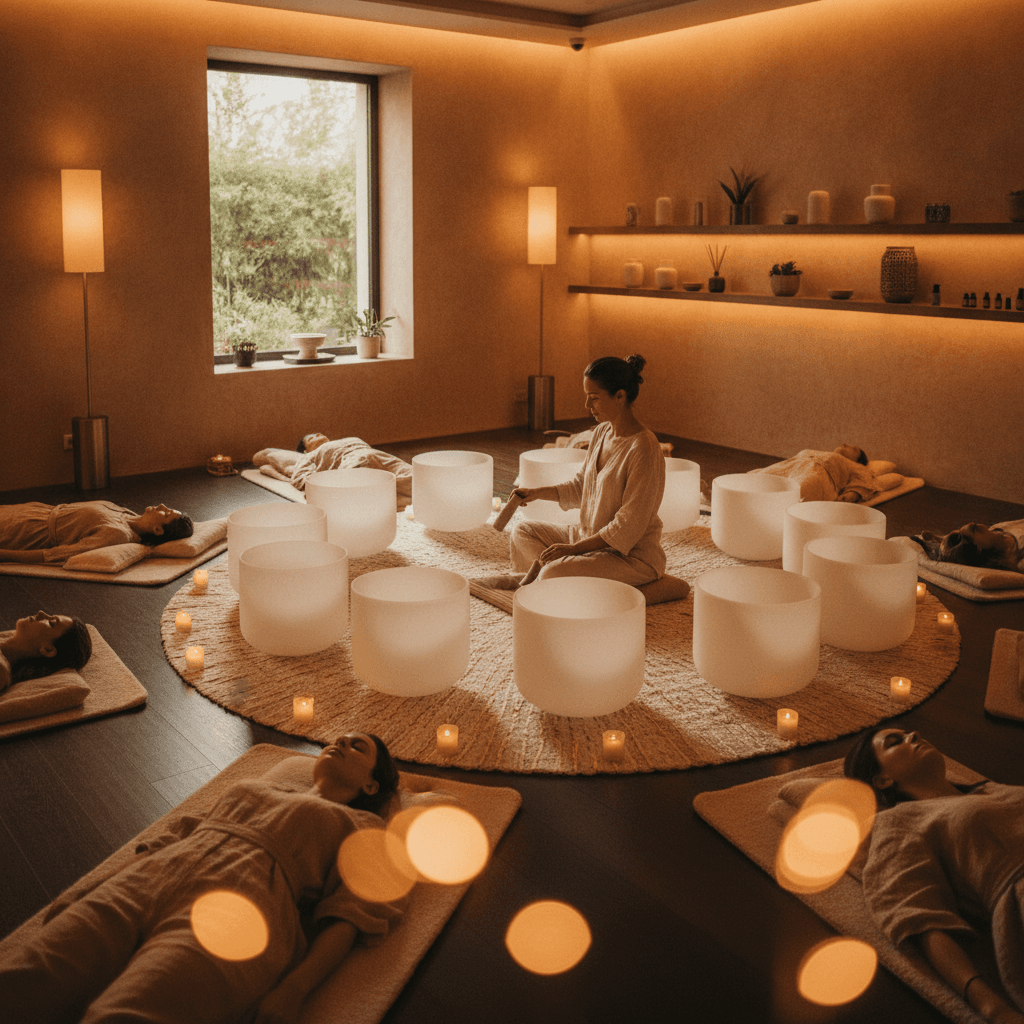
Ethical Clarity in Sound Wellness: Science-Backed Claims for Practitioners
Key Insights
Explore ethical sound wellness claims, backed by science. Understand evidence gaps & how Soul Art, led by Larissa Steinbach, upholds integrity for your well-being.
The harmonious hum of sound wellness has swept across Dubai, captivating individuals seeking respite from the demands of modern life. From the gentle chime of a crystal bowl to the profound reverberation of a gong, these practices offer a unique pathway to relaxation and introspection. But amidst this beautiful resonance, a crucial question arises: How do we, as practitioners and discerning clients, navigate wellness claims with integrity and scientific grounding?
This article delves into the essential principles of ethical wellness claims for sound practitioners, offering a robust framework for understanding the science, acknowledging evidence gaps, and setting realistic expectations. We will explore the evolving research landscape supporting sound wellness, examine how it translates into practical application, and reveal Soul Art's unwavering commitment to transparent, evidence-informed practice under the leadership of Larissa Steinbach. Understanding these nuances is paramount for fostering trust, ensuring safety, and truly appreciating the profound, yet often subtle, benefits that sound wellness may offer.
The Science Explained
The integration of sound healing into mainstream wellness and medical settings reflects a broader shift towards holistic healthcare models. Hospitals, rehabilitation centers, mental health facilities, and integrative medicine clinics increasingly offer sound healing as a complementary therapy. This growing acceptance is fueled by an expanding body of scientific evidence that supports its potential for health and well-being.
The Evolving Landscape of Sound Wellness Research
Studies continue to emerge from major institutions, documenting sound healing's therapeutic applications. Research published in journals such as the Journal of Evidence-Based Integrative Medicine and Nature Biotechnology provides growing evidence for sound therapy's effectiveness across multiple health conditions. Unlike many wellness trends that rely solely on anecdotal evidence, sound healing is increasingly backed by peer-reviewed research using advanced neuroimaging technology.
Institutions including UCLA, Stanford University, and the University of California San Diego are revealing exactly how these ancient practices may create measurable changes in our brains and bodies. Recent breakthrough studies using EEG technology show that sound wellness practices can transform brain activity within minutes. When exposed to the frequencies produced by singing bowls, gongs, and other sound healing instruments, the brain may shift from agitated wave patterns to exceptionally calm wave forms, promoting states of deep relaxation.
Beyond psychological effects, sound wellness therapy may demonstrate measurable impacts on physical wellness across multiple body systems. Studies examining the physiological effects of sound healing have documented improvements in heart rate variability, a key marker of cardiovascular health and stress resilience. Research participants exposed to low-frequency sound vibrations have shown enhanced parasympathetic nervous system activity, indicating a shift toward rest-and-digest states that promote healing and overall well-being. Furthermore, recent research has begun to elucidate cellular mechanisms, with studies suggesting that low-frequency vibration may enhance neuronal cell differentiation and proliferation through mechanical stimulation of cellular pathways, hinting at potential applications in regenerative medicine.
Understanding the Hierarchy of Evidence and Evidence Gaps
To truly appreciate the claims made in wellness advertising, one must become familiar with the ‘hierarchy of evidence.’ This is a framework used by scientists and medical professionals to rank the quality and reliability of different types of research. Imagine it as a pyramid: the lower, wider levels represent study types that are more common but more susceptible to bias, while the narrow peak represents the most rigorous and trustworthy forms of evidence, such as systematic reviews and meta-analyses.
An evidence gap refers to the lack of strong, credible, and high-quality research findings to support certain claims within a field. While anecdotal evidence and preliminary studies in sound wellness are abundant and often compelling, there is an ongoing need for more rigorous, large-scale controlled trials. These are crucial for consolidating reliable findings and distinguishing robust effects from transient ones. For instance, claims about the direct impact of specific frequencies on cellular regeneration might exist, but often without rigorous, independently replicated studies to back them up conclusively.
Addressing an evidence gap requires a commitment to high-quality research, ensuring that the benefits attributed to sound wellness are supported by a strong and consistent body of empirical data. This commitment enhances the credibility and broader acceptance of the practice, allowing practitioners to make responsible and ethical claims. Reputable organizations like the International Sound Therapy Association (ISTA) are actively working to help fund current and future clinical trials and scientific research that solidify sound therapy as a scientific, evidence-based healing arts modality, thereby raising the standards of sound healing education and protecting the profession.
"The discourse surrounding 'scientific evidence' in wellness advertising is, at its core, a study of the commodification of hope. It exists at the intersection of public health, semiotics, and behavioral economics. The wellness industry does not merely sell products; it markets aspirational identities built upon a carefully constructed language of scientific legitimacy."
Wellness brands often use specific phrases that sound scientific but are legally ambiguous. They leverage a gap between the consumer’s interpretation and the phrase’s technical meaning. Federal agencies like the FTC require claims to be truthful and not misleading, backed by “competent and reliable scientific evidence,” but the interpretation of this standard can be flexible. Understanding these phrases is a key part of media literacy in the wellness space, allowing both practitioners and clients to critically assess the “science” behind a practice.
How It Works in Practice
Connecting the theoretical understanding of sound's effects to the tangible experience of a sound wellness session helps demystify the practice. This bridge between science and sensation forms the core of an ethical and effective sound wellness offering. Clients entering a session are not merely listening; they are immersed in a vibrational landscape designed to encourage deep relaxation and somatic awareness.
The Transformative Sound Experience
During a sound session, clients often report being in an "in-between state" or "liminal state." This unique experience means they are not completely asleep, but also not fully awake; rather, they exist in a dreamlike, highly receptive condition. This state is frequently achieved as the mind "gives up" its usual analytical activity, allowing the body and brain to fall into a profound state of relaxation. The frequencies produced by instruments like singing bowls and gongs are believed to facilitate this shift, gently guiding brainwave patterns towards states associated with meditation and deep rest.
The client experience is rich with sensory details. They may notice subtle shifts in mood, energy levels, or physical sensations as the sounds wash over them. This mindful observation of one's body and mind before, during, and after a session becomes a valuable part of engaging with this evolving field. Physiologically, this often corresponds with the activation of the parasympathetic nervous system, initiating the body's natural rest-and-digest response. This helps to reduce the physiological markers of stress, such as elevated heart rate and muscle tension, fostering an environment conducive to well-being.
Navigating Claims and Setting Realistic Expectations
It is important to acknowledge that the highly individualized nature of sound wellness sessions presents a unique challenge for research. The fact that no two sound bath practitioners are exactly alike, often employing different instruments, techniques, and intuitive approaches, "makes this area of study more challenging for research because you can’t really control a lot of the elements that go into what the experience is producing," as noted by some experts. This variability can make it difficult to conduct large-scale, standardized studies that definitively isolate specific effects.
Another consideration in the research landscape is the potential for a placebo effect and the influence of "true believers." Researchers must account for these factors by designing well-controlled environments and ensuring objectivity in their studies. While preliminary evidence suggests that using sound therapeutically can, in the moment, increase relaxation and feelings of well-being while reducing anxiety and stress, it is a "whole leap and higher bar" to claim it is effective for anxiety disorders or major depression, according to experts like David Silbersweig, chairman emeritus of the Department of Psychiatry at Brigham and Women’s Hospital.
Therefore, practitioners must set realistic expectations for clients. Be cautious about any “overly strong” claims that sound healing can be a cure-all. Genuine wellness practices typically address specific aspects of well-being, and honest practitioners acknowledge their limitations. Sound wellness is a powerful complementary approach that may support stress management, relaxation, and emotional balance, but it should not be positioned as a replacement for conventional medical treatment. This transparency builds trust and empowers clients to make informed decisions about their health ecosystem.
The Soul Art Approach
At Soul Art, Dubai's premier sound wellness studio, we are deeply committed to bridging ancient wisdom with contemporary scientific understanding. Under the visionary leadership of Larissa Steinbach, our approach to sound wellness is rooted in integrity, transparency, and a profound respect for both the art and the emerging science of sound. We believe that ethical practice is not just a guideline but the very foundation of genuine well-being.
Larissa Steinbach's Commitment to Integrity
Larissa Steinbach founded Soul Art with a mission to offer deeply transformative yet ethically grounded sound experiences. Her commitment extends beyond simply providing sessions; it encompasses educating clients and upholding the highest standards of practice. This includes prioritizing client experience, maintaining a nurturing and safe environment, and fostering a deep understanding of the subtle yet significant shifts that sound can facilitate. Larissa's methodology is informed by quality educational programs that emphasize frequency selection, responsible instrument usage, thoughtful session design, and, crucially, a comprehensive understanding of contraindications that practitioners must observe.
At Soul Art, we actively address the existence of evidence gaps by being transparent about the current limitations of research while simultaneously highlighting the promising preliminary studies. We never make definitive medical claims but instead focus on the scientifically observed benefits of deep relaxation, stress reduction, and improved well-being that sound wellness may support. Our practitioners are trained not only in the art of sound but also in the ethical framework that guides our offerings, ensuring that all claims are proportionate to the current body of scientific evidence.
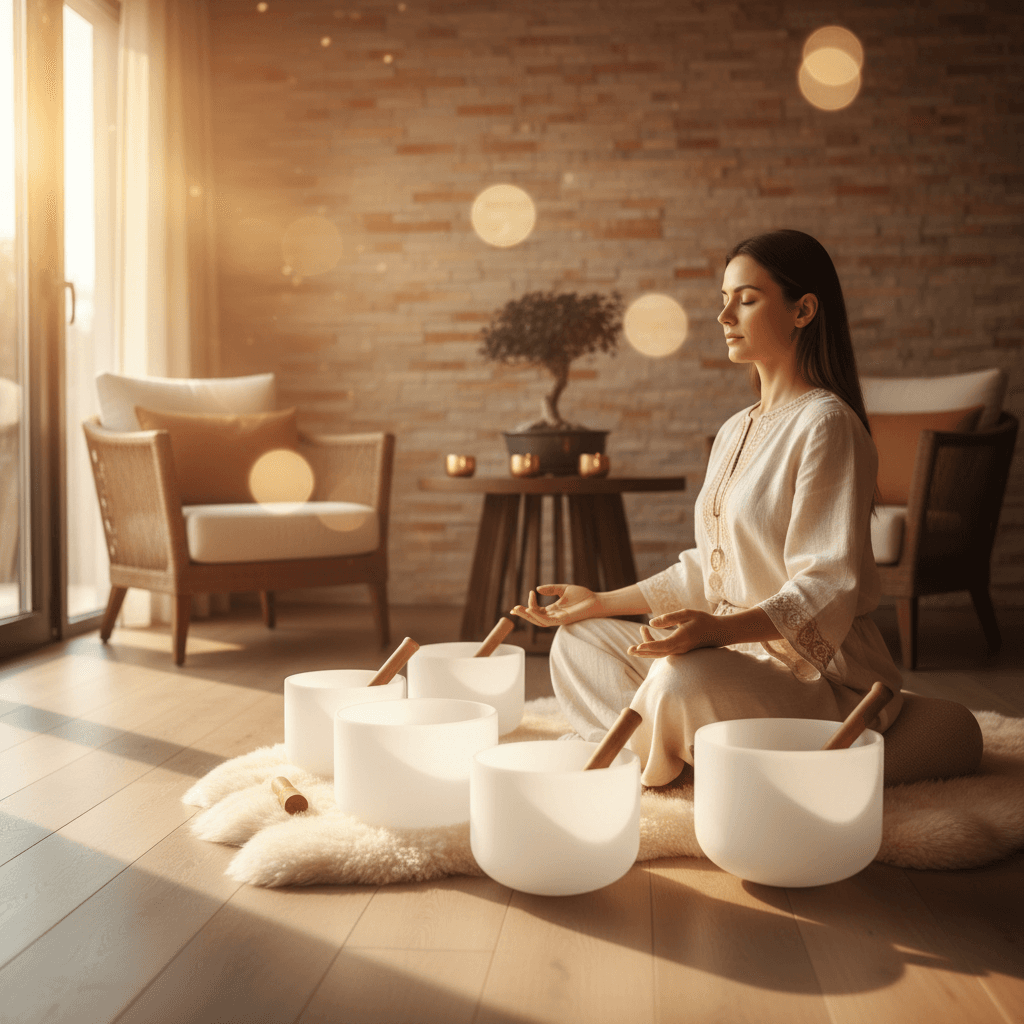
The Soul Art method integrates traditional wisdom with contemporary understanding, offering pathways for those who wish to deepen their relationship with therapeutic sound. We utilize a carefully curated selection of instruments, including high-quality crystal singing bowls, resonant gongs, and other vibrational tools, to create specific soundscapes designed to facilitate specific states of relaxation and balance. Our sessions are crafted to gently guide clients into that receptive, liminal state where the body's innate healing capacities may be supported, fostering a sense of calm and energetic alignment. Larissa Steinbach’s dedication ensures that every experience at Soul Art is not only profoundly relaxing but also grounded in a philosophy of honesty and respect for our clients' well-being.
Your Next Steps
Embarking on a sound wellness journey requires both openness and discernment. As you explore the potential benefits of this ancient yet scientifically evolving practice, arm yourself with knowledge to make informed and empowered choices. Your personal experience is invaluable, but it should be complemented by an understanding of ethical claims and responsible practice.
Becoming a Discerning Wellness Seeker
- Explore Reputable Practitioners: Seek out sound wellness studios and practitioners who prioritize client experience, maintain high standards of practice, and foster a nurturing environment. Ask about their approach and what you can expect from a session, including their training and understanding of contraindications.
- Mindful Observation: Pay close attention to your body's and mind's responses before, during, and after a sound session. Notice any shifts in your mood, energy levels, or physical sensations. Your personal experience, when mindfully observed, is a valuable part of this evolving field.
- Stay Curious and Informed: Follow reputable wellness journals and research updates regarding sound and vibration. While avoiding definitive medical claims yourself, understanding emerging preliminary studies can deepen your appreciation for the practice and help you discern credible information.
- Question Exaggerated Claims: Be wary of practitioners or studios that promise miracle cures, claim their treatment works for virtually every condition, or suggest their proprietary devices are the only solution. Legitimate wellness practices are typically transparent about their methods and limitations.
- Prioritize Safety and Transparency: Ensure that your chosen practitioner clearly communicates what sound wellness is and is not. They should emphasize its role as a complementary practice for relaxation and well-being, not a substitute for professional medical care.
Ready to restore your nervous system and discover a profound sense of inner calm? Connecting with a reputable studio like Soul Art, led by Larissa Steinbach, is your next step towards an ethically grounded and deeply relaxing sound wellness experience.
Bookings Coming Soon
Soul Art is still in preparation. Session details and booking will be published here after launch.
Coming Soon
In Summary
The world of sound wellness offers profound potential for relaxation and enhanced well-being, increasingly supported by a growing body of scientific evidence. However, upholding ethical standards in claims is crucial for maintaining integrity and trust within the practice. We've explored the promising scientific landscape, acknowledging the vital need for continued rigorous research to bridge existing evidence gaps. Soul Art, under the guidance of Larissa Steinbach, stands as a beacon of ethical practice in Dubai, committed to transparent, science-informed claims and client education. By choosing practitioners who prioritize integrity and by remaining discerning as clients, we can collectively ensure that the benefits of sound wellness are authentically embraced and responsibly shared, leading to genuinely enriching and deeply relaxing experiences.
Wellness Disclaimer: This article is for educational and informational purposes only. It does not constitute medical advice, diagnosis, or treatment. Soul Art Dubai provides non-medical wellness experiences focused on relaxation, stress management, and general wellbeing. Sound wellness is a complementary practice and should not replace professional medical care.
Related Articles
Navigating Sound Wellness: Evidence-Based Questions for Practitioners

Soul Art: Integrating Science, Ritual, and Safety for Well-being
Sound Baths: Accessible Comfort for Older Adults at Soul Art