Epilepsy & Sound Healing: Navigating Wellness at Soul Art Dubai
Key Insights
Explore the science of sound healing for epilepsy with Soul Art Dubai. Understand considerations, benefits, and Larissa Steinbach's safe, complementary approach to well-being.
Could the gentle reverberations of a crystal bowl or the harmonious tones of a gong offer a pathway to deeper relaxation, even for those navigating the complexities of epilepsy? The relationship between sound, music, and the epileptic brain is a fascinating, multifaceted area of inquiry. It presents both incredible potential for complementary wellness and crucial considerations for safety.
At Soul Art, Dubai’s premier sound wellness studio, we believe in a scientifically informed approach to holistic well-being. Understanding the intricate dance between auditory stimuli and neurological responses is paramount, especially when guiding individuals with specific health considerations. This article delves into the current understanding of how sound can impact the epileptic brain, offering insights into its potential for relaxation and stress management, and outlining a mindful path forward for those interested in exploring sound wellness.
The Neuroscience of Sound and the Epileptic Brain
Our brains are profoundly influenced by the sounds we encounter, from the softest whisper to the most intricate symphony. Auditory stimuli travel from our ears to the medial geniculate nucleus in the thalamus, before being received and processed by the auditory cortex. This complex pathway can evoke a wide spectrum of responses, impacting our mood, stress levels, and even fundamental brainwave activity.
Humans, like other mammals, exhibit diverse reactions to sounds based on their frequency, tone, and pitch. A soothing melody might induce a state of profound calm, while a sudden, harsh sound could trigger anxiety or discomfort. This fundamental interaction forms the basis of understanding how sound wellness practices might intersect with neurological conditions such as epilepsy. Researchers are actively investigating how specific auditory parameters can influence brain activity in individuals with epilepsy, moving beyond traditional theories to computational analysis of sound's effects.
Musicogenic Epilepsy: The Dual Nature of Auditory Stimuli
While sound can be deeply therapeutic, it is essential to acknowledge its bidirectional role in epilepsy. For a small percentage of individuals, certain sounds or specific pieces of music can actually induce seizures, a phenomenon known as musicogenic epilepsy. This highlights the brain's unique and sometimes unpredictable response to auditory input.
Case reports have documented musicogenic seizures, particularly in temporal lobe epilepsy, where specific music triggers ictal activity. Research, including studies on animal models like DBA/2 mice, which are highly susceptible to audiogenic seizures, indicates a clear correlation between sound exposure and epileptic events for some individuals. These findings underscore the critical need for careful consideration and an individualized approach to sound exposure for anyone with epilepsy.
"The effects of audible soundwaves on epileptic brainwaves have been largely explored with music. It's a field where the potential for profound well-being meets the necessity of careful, informed practice."
The underlying mechanisms are complex, involving genetic variants and specific neural pathways. It is not simply about liking or disliking a sound, but rather the brain's unique processing of its intricate patterns and frequencies. Understanding these sensitivities is a cornerstone of responsible sound wellness.
Therapeutic Harmonies: The Potential for Support and Calm
Despite the existence of musicogenic epilepsy, extensive research also explores the therapeutic potential of sound and music for individuals with epilepsy. This is where the landscape of sound wellness offers promising avenues for relaxation and stress reduction.
One of the most widely studied examples is Mozart’s Sonata for Two Pianos in D Major, K. 448. Numerous studies have examined its effects, reporting variable but significant reductions in seizures and interictal epileptiform discharges (IEDs – brief, sporadic electrical events between seizures). Mean seizure reductions ranging from 21% to 54% and IED reductions from 12% to 82% have been observed, though study heterogeneity exists. This renewed interest, bolstered by newer methodological approaches, continues to explore the "Mozart effect."
The proposed anti-epileptic mechanism of Mozart K.448 is still being investigated, but interesting research points towards parasympathetic activation. Studies have found that listening to Mozart music can reduce both epileptiform discharges and heart rate, suggesting a calming influence on the autonomic nervous system. This activation of the parasympathetic "rest and digest" system could contribute to an overall reduction in physiological stress, which is often a seizure trigger.
While Mozart K.448 is frequently cited, other musical exposures have also been explored. For instance, Mozart Piano Sonata in C Major, K.545, has shown similar promise in reducing epileptiform discharges. Conversely, some musical exposures, such as Haydn's Symphony No. 94, have appeared to be pro-epileptic in certain contexts, reinforcing the highly individualized nature of sound responses.
Beyond specific compositions, research into music therapy for neurological conditions, including epilepsy, highlights its potential in managing common co-occurring conditions. Studies show that between 20-50% of people with epilepsy also experience mental health challenges such as anxiety and depression. Music-based interventions have demonstrated comprehensive capacity for rehabilitation in various neurological and psychiatric conditions. Therefore, sound wellness practices, by fostering relaxation and reducing stress, may indirectly support the overall well-being of individuals with epilepsy, offering a valuable complementary approach to mental health and stress management.
How It Works in Practice: Connecting Sound to Inner Calm
The practical application of sound wellness for individuals with epilepsy hinges on understanding how vibrations interact with the body and brain. Sound waves are not merely heard; they are felt. When two waveforms meet, they can superimpose, creating constructive, destructive, or mixed interference. In the context of the brain, this can translate to the entrainment of brainwaves, where brain activity begins to synchronize with external rhythmic stimuli.
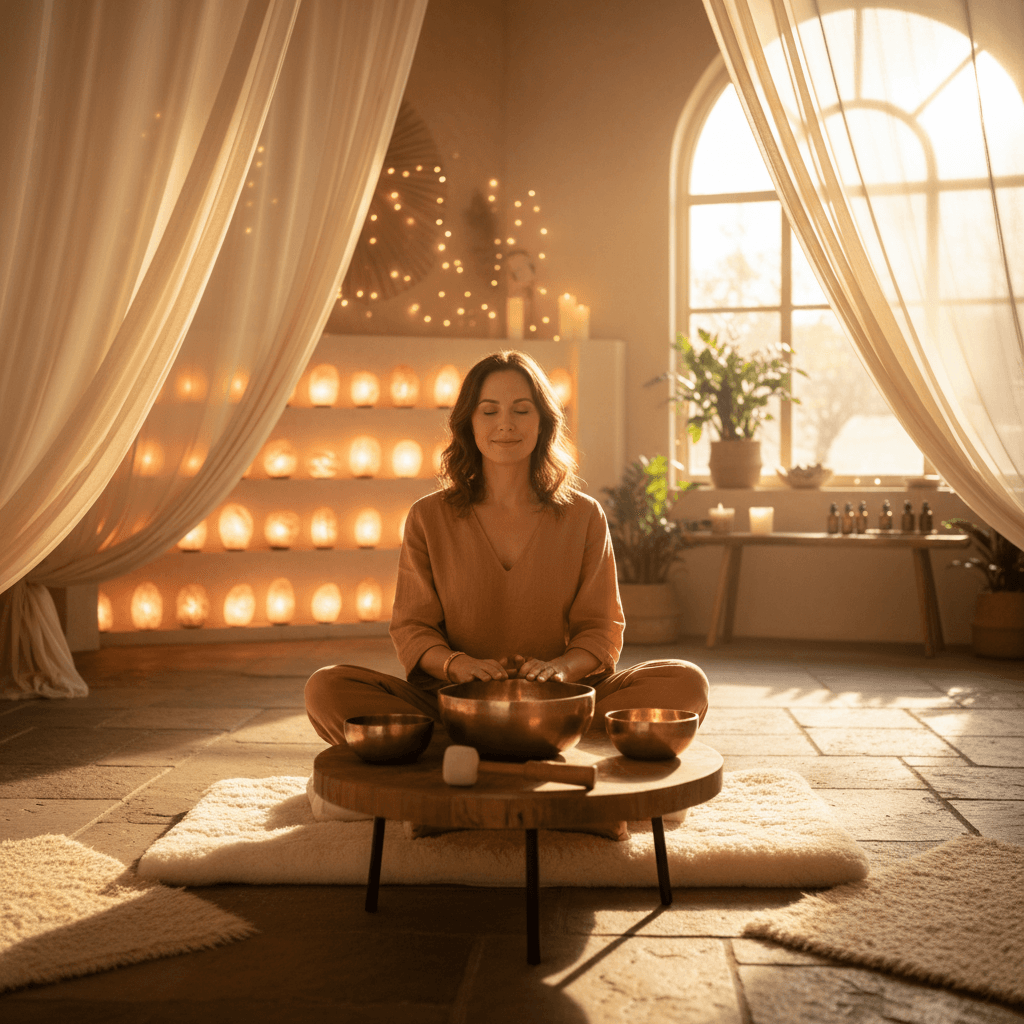
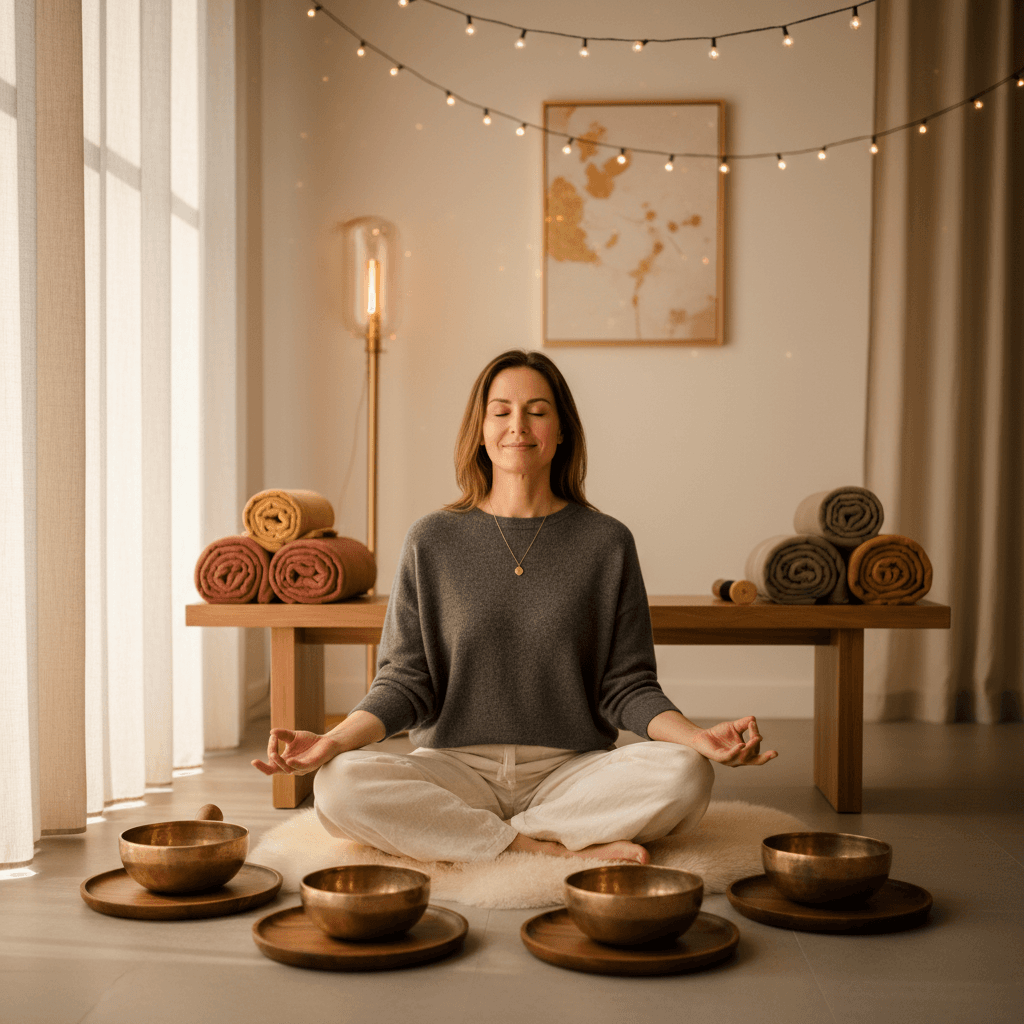
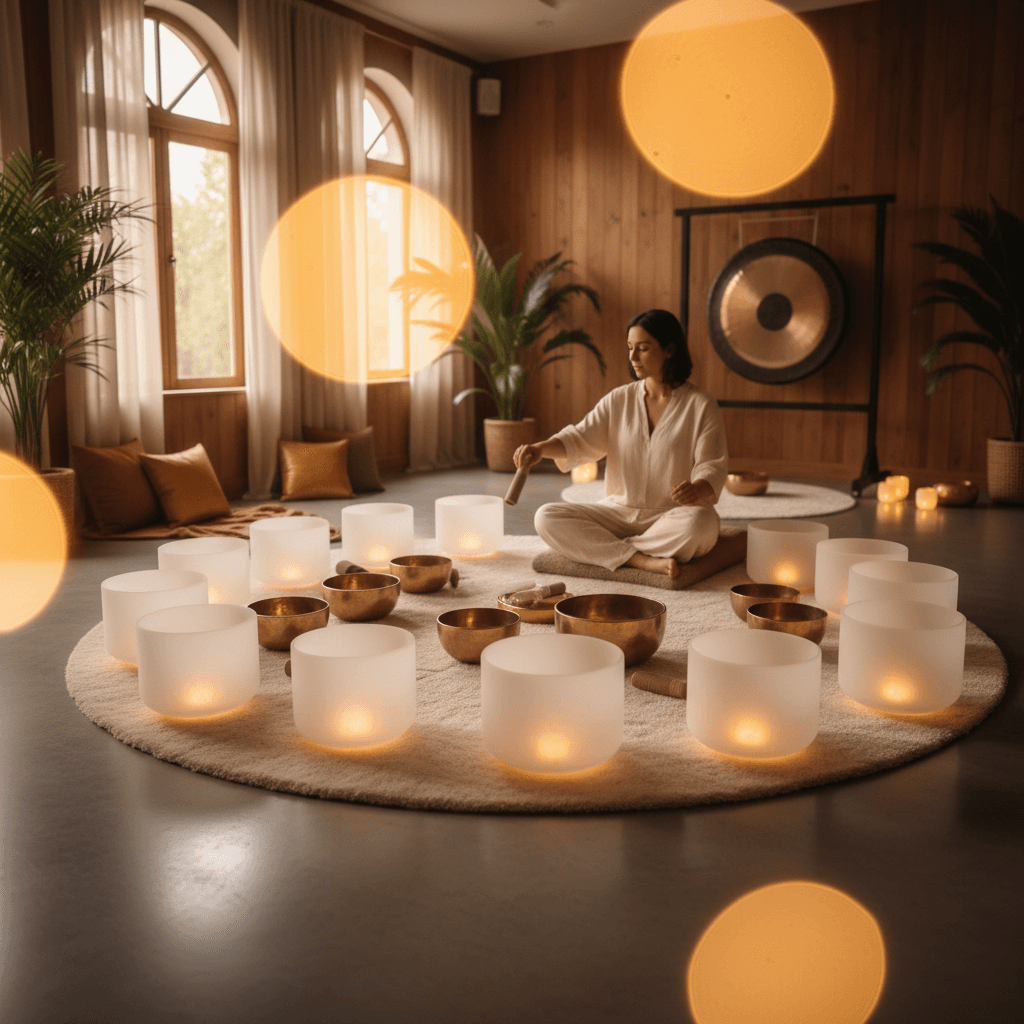
In a sound wellness session, this translates into a carefully curated experience designed to promote deep relaxation. Imagine lying comfortably, enveloped by gentle, resonant tones. These sounds, often produced by instruments like crystal singing bowls, gongs, or chimes, generate vibrations that travel through the air and the body. The aim is to create frequencies that encourage the brain to shift from a more active beta state to calmer alpha or theta states, associated with relaxation, meditation, and restorative sleep.
For individuals with epilepsy, the practical approach focuses on predictability, gentleness, and controlled exposure. This is not about overwhelming the senses, but rather about creating a stable and soothing auditory environment. Sensory details are crucial: the sustained hum of a gong, the pure tone of a crystal bowl, or the subtle resonance of a tuning fork. These sounds are often low-frequency, stable, and less prone to sudden, jarring shifts that might act as potential triggers.
The experience is deeply personal. Some individuals may find specific frequencies particularly calming, while others might prefer a broader sonic landscape. The goal is always to cultivate a sense of safety and serenity. By reducing overall physiological stress and promoting a state of relaxation, sound wellness practices may support the body’s innate capacity for self-regulation. This in turn, may contribute to an improved sense of well-being, which is universally beneficial, especially for those managing a chronic condition.
The Soul Art Approach: Larissa Steinbach’s Mindful Methodology
At Soul Art, Larissa Steinbach and her team are dedicated to providing profound sound wellness experiences rooted in both scientific understanding and empathetic care. Recognizing the unique considerations for individuals with epilepsy, the Soul Art approach is meticulously designed to prioritize safety, comfort, and personalized well-being.
Larissa's philosophy emphasizes a holistic and individualized methodology. She understands that each person's nervous system is unique, and responses to sound can vary significantly. Therefore, Soul Art sessions are not one-size-fits-all; they are adapted to individual needs and sensitivities, especially for those with specific health considerations. This begins with a thorough consultation to understand any medical conditions, current treatments, and previous experiences with sound.
What makes the Soul Art method unique is its commitment to intentional sound curation. Larissa Steinbach carefully selects instruments and frequencies known for their calming and grounding properties. This often includes:
- Gentle Gongs: Played with precision to create sustained, enveloping sounds rather than abrupt, percussive bursts.
- Crystal Singing Bowls: Valued for their pure, resonant tones that can induce deep relaxation.
- Chimes and Tuning Forks: Used for their delicate, predictable frequencies that promote mental clarity and ease.
The focus is consistently on low-frequency, stable, and predictable sounds that are less likely to overstimulate the auditory system. High-pitched, discordant, or unpredictable sounds are generally avoided. The environment itself at Soul Art is crafted to be a sanctuary of peace, minimizing external distractions and fostering a sense of security. Larissa’s expertise lies in her ability to intuitively guide sessions, observing client responses and adjusting the soundscape accordingly. This ensures a truly supportive and restorative experience, aligning with the principles of complementary wellness and stress management.
Soul Art provides a space where individuals can explore the benefits of deep relaxation and nervous system regulation through sound. It is a journey of self-discovery and tranquility, always undertaken with utmost care and respect for each client's unique journey.
Your Next Steps: Embracing Sound Wellness Mindfully
Exploring sound wellness, particularly when managing epilepsy, requires a thoughtful and informed approach. While the potential benefits for relaxation and stress management are compelling, personal safety and medical oversight are always paramount. Here are your actionable next steps for a mindful journey:
- Consult Your Physician First: Before engaging in any new complementary therapy, including sound wellness, it is absolutely essential to speak with your primary care physician or neurologist. Discuss your interest in sound healing, any specific concerns related to your epilepsy, and ensure it aligns with your prescribed medical treatment plan.
- Listen to Your Body and Be Attentive: During any sound experience, pay close attention to your body’s responses. If you feel any discomfort, anxiety, or unusual sensations, gently remove yourself from the sound source or communicate immediately with your facilitator. Your well-being is the top priority.
- Start Gently and Progress Gradually: Begin with shorter sessions and softer, more predictable sounds. Avoid intense or overwhelming auditory stimuli initially. A gradual introduction allows your system to acclimate and helps you identify what feels most supportive.
- Seek Expert Guidance: Choose a sound wellness practitioner or studio, like Soul Art, that demonstrates a clear understanding of special health considerations and prioritizes client safety. Inquire about their experience with clients who have neurological conditions and their approach to personalized care.
- Focus on Relaxation and Stress Management: View sound wellness as a tool for reducing stress, promoting deep relaxation, and supporting overall mental well-being. These benefits can indirectly contribute to a more balanced nervous system, which is beneficial for anyone, including those managing epilepsy.
Remember, sound wellness is a complementary approach to enhance your overall well-being. It is designed to work alongside your existing medical care, not as a replacement.
In Summary
The relationship between sound and epilepsy is a nuanced one, presenting both potential triggers and promising avenues for complementary well-being. While musicogenic epilepsy highlights the critical need for caution and personalized consideration, research also underscores the profound capacity of specific auditory stimuli, like Mozart K.448, to promote relaxation and reduce epileptiform activity through parasympathetic activation. Sound wellness practices, by fostering deep relaxation and managing stress, may offer valuable support for individuals navigating epilepsy, particularly in addressing common co-occurring conditions like anxiety and depression.
At Soul Art, Larissa Steinbach leads a team dedicated to offering safe, individualized, and deeply restorative sound experiences. Our approach is grounded in scientific understanding and a commitment to mindful practice, always emphasizing the importance of medical consultation. We invite you to explore the gentle power of sound to restore your nervous system and discover a profound sense of inner calm, complementing your journey towards holistic well-being.
Bookings Coming Soon
Soul Art is still in preparation. Session details and booking will be published here after launch.
Coming Soon
Wellness Disclaimer: This article is for educational and informational purposes only. It does not constitute medical advice, diagnosis, or treatment. Soul Art Dubai provides non-medical wellness experiences focused on relaxation, stress management, and general wellbeing. Sound wellness is a complementary practice and should not replace professional medical care.