Sound for Stamina: Enhancing Endurance and Performance with Sonic Wellness

Key Insights
Discover how scientifically-backed sound practices, championed by Soul Art's Larissa Steinbach, can elevate athletic endurance and recovery.
Sound for Stamina: Enhancing Endurance and Performance with Sonic Wellness
Imagine pushing through the final kilometers of a marathon or holding a challenging yoga pose for minutes longer than you thought possible. What if the secret to unlocking this deeper reserve of physical and mental fortitude wasn't just about grueling physical training, but also about the unseen power of sound? It might sound surprising, but emerging scientific research suggests that strategic integration of sound into your endurance regimen can significantly enhance performance, reduce perceived exertion, and accelerate recovery.
At Soul Art, Dubai's premier sound wellness studio, founder Larissa Steinbach has long understood the profound, often underestimated, connection between auditory input and human capability. This article delves into the fascinating science behind how sound, beyond mere background noise, can become a powerful ally for endurance athletes and anyone seeking to extend their physical and mental limits. We'll explore the mechanisms at play, practical applications, and how Soul Art's unique approach can help you tap into your innate resilience. Prepare to discover how targeted sound practices can redefine your understanding of endurance.
The Auditory Edge: Unlocking Endurance Through Sound
The influence of sound on physical performance is not merely anecdotal; a growing body of scientific evidence reveals its profound impact on both physiological and psychological parameters during endurance activities. This isn't just about listening to your favorite playlist; it's about leveraging specific auditory stimuli to optimize brain function, manage perceived effort, and enhance the body's natural capabilities.
The Brain Endurance Training (BET) Connection
One of the most compelling areas of research involves Brain Endurance Training (BET), which highlights the critical role of cognitive fatigue in limiting physical performance. A groundbreaking study published in the Journal of Science and Medicine in Sport in July 2023 investigated the effects of BET on road cyclists. This research provides a robust framework for understanding how mental resilience, cultivated through cognitive tasks or specific auditory engagements, can directly translate to improved physical stamina.
In two independent randomized controlled studies, cyclists underwent training five times a week for six weeks. One group engaged in cognitive response inhibition tasks (Post-BET group) after each training session, while the control group listened to neutral sounds. The findings were significant:
- Improved Time to Exhaustion (TTE): In Study 1, the Post-BET group showed significantly improved Time to Exhaustion at both 80% and 65% Peak Power Output (PPO) compared to the control group. This indicates an enhanced capacity to sustain effort over longer periods.
- Reduced Rate of Perceived Exertion (RPE): Crucially, the Post-BET group reported lower RPE across all tested intensities. This suggests that while their bodies were working hard, their subjective perception of effort was less intense, allowing them to push further.
- Enhanced Cognitive Performance: Both studies showed that Stroop reaction times improved significantly more in the Post-BET group. This demonstrates a direct link between cognitive training and the ability to maintain mental clarity and focus under duress.
These results underscore a vital point: endurance isn't solely a physical attribute. Cognitive fatigue, the mental weariness that sets in during prolonged effort, can be a major limiting factor. By training the brain to manage this fatigue, either through specific cognitive tasks or potentially through carefully selected sound stimuli, athletes may unlock greater physical endurance. The study suggests that by strengthening cognitive control, we can effectively reset our perceived limits, pushing past what we thought was possible.
Music as an Ergogenic Aid: Dissociation and Synchronization
Beyond the specialized realm of BET, the power of music itself as an "ergogenic aid"—a substance or phenomenon that enhances physical performance—is well-documented. Research highlights two primary mechanisms through which music operates: dissociation and synchronization.
- Dissociation Effect: This mechanism involves music's ability to distract the exerciser from the unpleasant sensations of fatigue and discomfort. By diverting attention away from internal bodily cues, music can effectively reduce the Rate of Perceived Exertion (RPE) during moderate-intensity exercise. Studies have shown a significant reduction in perceived effort, sometimes up to 10%, during activities like treadmill running. While music may not reduce the perception of effort during very high-intensity work, it profoundly improves the experience of hard training, making it feel more enjoyable and less like a struggle. This mental shift can be crucial for sustaining effort in long sessions.
- Synchronization: When movements are synchronized with musical tempo, athletes often perform more efficiently, leading to greater endurance. Research indicates that cycling in time to music can reduce oxygen consumption by as much as 7% for the same work output, compared to cycling with asynchronous background music. Music provides temporal cues that can regulate movement, enhance rhythm, and improve energy efficiency across various repetitive activities such as rowing, cycling, cross-country skiing, and running. This rhythmic guidance can prolong performance and reduce unnecessary energy expenditure.
Furthermore, the characteristics of music, such as tempo and volume, play a significant role. Most studies suggest that music with a tempo greater than 120 beats per minute (bpm) tends to have more positive effects on performance indicators, particularly for stimulative purposes. Higher volumes are also associated with a greater dissociation effect, potentially by enhancing the distraction from internal fatigue cues. Preferred music genre also matters, as it can significantly alter emotional and psychological responses, leading to increased motivation and enjoyment, even if physiological responses like heart rate show mixed results.
Physiological and Psychological Modulators: Beyond the Physical
The impact of sound extends beyond performance enhancement to crucial aspects of an athlete's overall well-being, including recovery and mood.
- Recovery Enhancement: While high-tempo music aids performance, slow-tempo, preferred music can significantly support post-exercise recovery. A recent study in Acta Psychologica (September 2025) demonstrated that listening to slow-tempo preferred music after high-intensity interval exercise (HIIE) improved neural, cardiovascular, hormonal, and mood recovery markers in healthy male adults. Participants experienced:
- Enhanced Relaxation and Cognition: Increased Theta/Beta Ratio (TBR) across cortical areas and reduced P300 latency, indicating improved relaxation and cognitive processing.
- Faster Physiological Recovery: Quicker heart rate (HR) recovery and greater reduction in cortisol levels (a stress hormone) compared to non-preferred music or no-music conditions.
- Improved Mood: Higher scores on feelings of subjective well-being and reduced stress.
This suggests that sound is not just for pushing limits but also for restoring balance. The right auditory input can actively facilitate the body's repair processes and mental rejuvenation.
- Psychological Benefits: Music consistently shows ergogenic benefits by modulating psychological and psychophysiological responses. These include improved mood, increased motivation, and favorable changes in arousal levels during exercise challenges. Even if music doesn't always alter maximal physiological variables, increased motivation alone has been shown to enhance exercise capacity. The emotional and mental boost provided by sound can be a powerful determinant in enduring difficult exercise, making it feel more manageable and even pleasurable. This comprehensive scientific backing forms the core of Soul Art's approach to integrating sound into a holistic wellness journey, particularly for those engaged in demanding physical activities.
"The rhythm we find in sound can tune the rhythm within our own bodies, guiding us not just to move with greater efficiency, but to find a deeper, more sustainable flow in all aspects of life."
How It Works in Practice
Translating the intricate science of sound and endurance into tangible benefits for individuals is where the true art lies. At Soul Art, we bridge this gap by creating immersive experiences that harness these principles, moving beyond theoretical knowledge to real-world application. For anyone engaged in long sessions—be it an athlete training for a marathon, a dedicated yogi, or even someone facing prolonged mental tasks—the strategic use of sound can be a transformative tool.
Imagine the stages of a demanding session: preparation, the grind, and recovery. Sound can play a distinct and powerful role in each.
Pre-Session: Priming for Peak Performance
Before you even begin, sound can act as a powerful mental primer. Engaging with specific frequencies or carefully chosen music in the minutes leading up to your activity can:
- Enhance Focus: Stimulating sounds or specific binaural beats can help narrow your attention, shutting out distractions and preparing your mind for the task ahead. This mental sharpening helps establish a strong mind-body connection.
- Boost Motivation: Upbeat, preferred music with a tempo of 120 bpm or higher can elevate mood and create a surge of positive energy, setting an optimistic tone for your session. This psychological boost helps you approach your workout with enthusiasm and determination.
- Reduce Pre-Performance Anxiety: Calming, yet energizing, soundscapes can gently settle nervous energy, allowing you to enter your session feeling composed and ready. This ensures that mental resources are directed towards performance, not anxiety.
Clients often report feeling a profound sense of mental clarity and readiness after a pre-session sound immersion. The vibrational frequencies, whether from traditional instruments or digitally composed soundscapes, seem to align the body and mind, creating an optimal state for exertion.
During Session: Sustaining Effort and Reducing Perceived Strain
This is where the dissociation and synchronization effects come into full play. During the actual physical activity, sound becomes an intrinsic part of the experience:
- Dissociation from Fatigue: As muscles tire and lungs burn, the captivating nature of sound can gently divert the mind's focus from these discomforts. Immersive auditory environments, rich with intricate layers of sound or rhythmic music, can act as a powerful external stimulus, reducing the Rate of Perceived Exertion (RPE). This allows you to perceive the effort as less taxing, enabling you to continue for longer periods.
- Enhanced Rhythm and Efficiency: For repetitive movements common in endurance training—running, cycling, rowing—synchronized music provides temporal cues that can regulate your pace and improve mechanical efficiency. The innate human tendency to move in time with a beat can lead to a more fluid, economical motion, saving precious energy over long distances. Clients often describe feeling "in the zone," finding a natural, effortless cadence guided by the sound.
- Improved Enjoyment: Even when the physical challenge is intense, the right sound environment can transform the experience from a struggle into something more pleasurable. By shaping how the mind interprets symptoms of fatigue, music can make hard work feel more like an engaging, even meditative, flow state. This increased enjoyment is a powerful motivator for consistency and adherence to training plans.
The sensory details are crucial here. Imagine feeling the deep vibrations of a gong resonate through your core while maintaining a challenging plank, or the rhythmic pulse of a drum guiding your footfalls on a long run. These aren't just sounds; they are tactile, immersive experiences that deepen the connection between mind and body, allowing for greater sustained effort.
Post-Session: Accelerated Recovery and Mental Restoration
The benefits of sound extend well beyond the point of exhaustion. Strategic sound practices post-exertion are vital for:
- Faster Physiological Recovery: Slow-tempo, relaxing sound frequencies, often incorporating natural soundscapes or meditative tones, can actively lower heart rate, reduce stress hormone (cortisol) levels, and encourage the body into a parasympathetic "rest and digest" state. This creates an optimal internal environment for muscle repair and cellular regeneration.
- Mental and Emotional Restoration: The mental exertion of endurance activities can be as draining as the physical. Post-session sound can help dissipate mental fatigue, calm an overactive mind, and restore emotional balance. Many clients describe feeling a profound sense of peace and mental clarity, helping them process the intensity of their workout and integrate the experience.
- Improved Sleep Quality: By facilitating deep relaxation, sound wellness practices can set the stage for more restorative sleep, which is paramount for physical repair and long-term athletic development.
The practical application of sound for endurance is a holistic journey, supporting you at every phase of your training and recovery cycle. It's about consciously integrating auditory input as a powerful, yet gentle, tool to enhance resilience, performance, and overall well-being.
The Soul Art Approach
At Soul Art, Larissa Steinbach and her team transform the scientific understanding of sound into tangible, transformative experiences. Our approach is not simply about playing background music; it is a meticulously curated journey into sound wellness, designed to optimize human potential across physical, mental, and emotional dimensions. We specialize in tailoring these experiences to the unique needs of individuals, whether they are elite athletes striving for marginal gains or individuals seeking enhanced stamina in their daily lives.
Larissa Steinbach's philosophy at Soul Art is rooted in the belief that the body and mind are intrinsically linked, and that subtle shifts in our energetic and auditory environment can unlock profound changes. Her methodology goes beyond conventional sound baths, integrating a deep understanding of neuroscience, bioacoustics, and ancient wisdom traditions.
Unique Methodology: Beyond Passive Listening
What makes the Soul Art method truly unique is its emphasis on active engagement with sound and vibration:
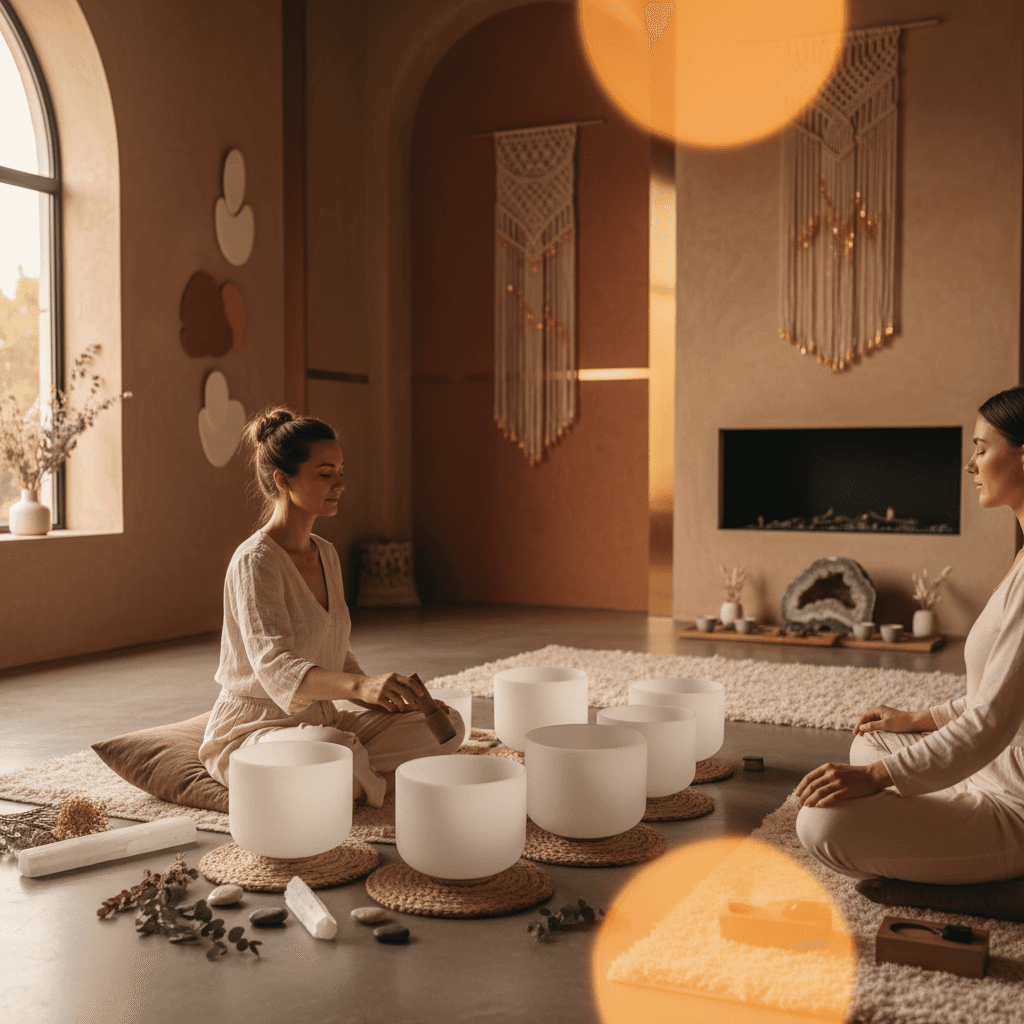
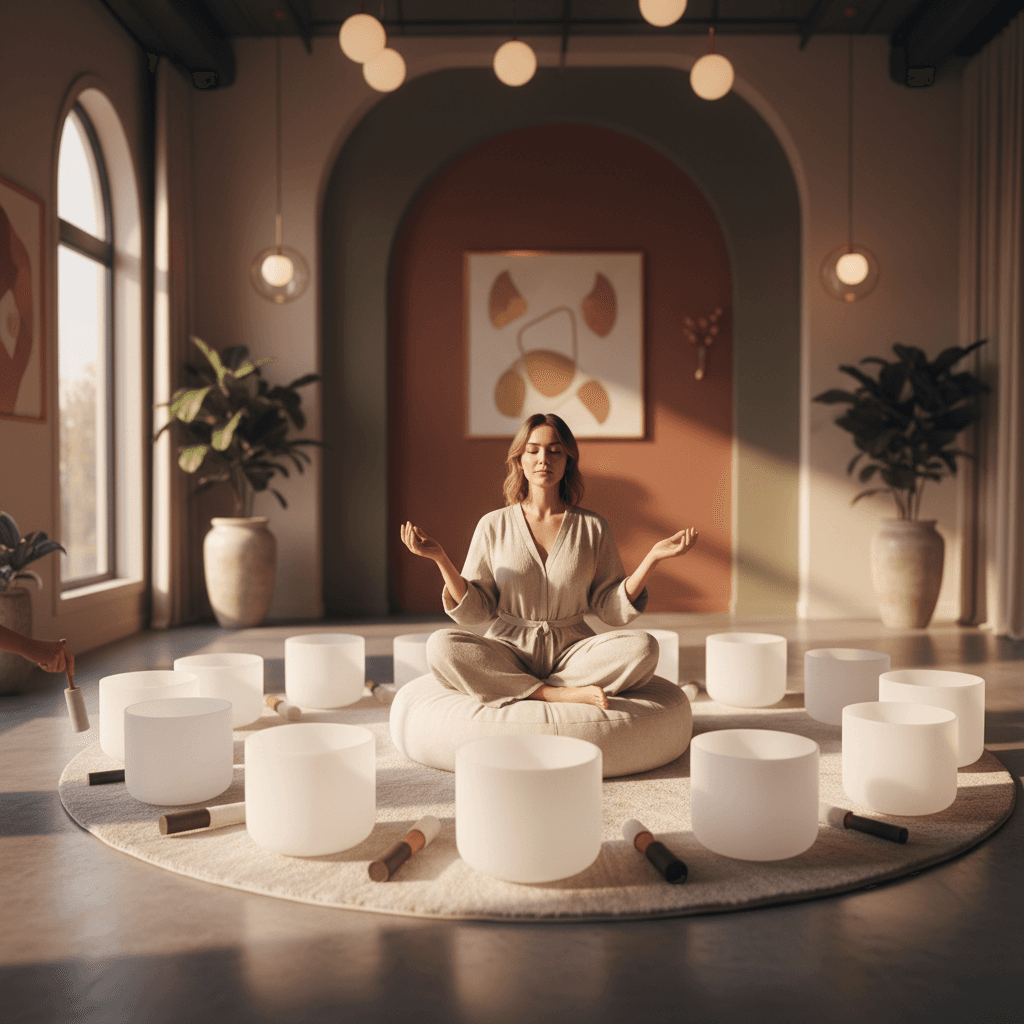
- Precision Frequencies and Harmonics: We utilize a diverse array of instruments, including Himalayan singing bowls, crystal singing bowls, gongs, chimes, and tuning forks. Each instrument is chosen for its specific frequency and harmonic properties, known to resonate with different energy centers and brainwave states within the body. For endurance, we might employ stimulating frequencies to enhance focus and motivation pre-session, and deeply resonant, calming tones for post-exertion recovery.
- Brainwave Entrainment: A core technique involves guiding brainwave patterns. During pre-performance sessions, sounds might encourage alpha and beta waves for focused alertness. For recovery, we gently guide clients into theta and delta brainwave states, conducive to deep relaxation, stress reduction, and accelerated physical repair. This precise entrainment helps the mind achieve optimal states for both effort and restoration.
- Vibrational Immersion: Soul Art sessions are deeply immersive, focusing not just on auditory perception but also on the tactile experience of sound. The vibrations from the instruments are felt throughout the body, providing a cellular massage that can release tension, improve circulation, and promote a sense of energetic alignment. This direct vibrational input supports the physiological benefits observed in scientific research, such as lower RPE and enhanced recovery.
- Personalized Sound Journeys: Understanding that each individual's needs are unique, Larissa Steinbach and her practitioners craft bespoke sound journeys. For an endurance athlete, this might involve a sequence of energizing sounds for pre-race mental priming, followed by restorative soundscapes to facilitate muscle recovery and reduce cortisol levels post-competition. The aim is always to provide the most effective sonic prescription for specific goals.
- Holistic Integration: Soul Art views sound as a complementary tool within a broader holistic wellness framework. Our sound practices support not only physical stamina and recovery but also contribute to mental clarity, emotional balance, and overall well-being—essential components for sustained high performance in any field.
Larissa Steinbach's expertise ensures that every Soul Art experience is scientifically informed, deeply intuitive, and profoundly effective. We don't just offer sound; we offer a meticulously designed pathway to unlock your intrinsic capacities for endurance, resilience, and vitality. Our clients leave feeling not only refreshed but also empowered with a deeper connection to their own strength, ready to tackle their next challenge with renewed vigor and clarity.
Your Next Steps
Embracing the power of sound for enhanced endurance and recovery is an accessible and profoundly rewarding journey. Whether you're an athlete seeking an edge or simply looking to manage daily energy more effectively, integrating sound into your routine can offer significant benefits. Here are actionable steps you can implement today:
- Experiment with Music During Training: Curate playlists that match your workout intensity. For moderate efforts, choose music with a tempo of 120 bpm or higher to leverage dissociation and synchronization. Pay attention to how different genres and tempos affect your Rate of Perceived Exertion (RPE) and overall enjoyment.
- Prioritize Sound for Recovery: After intense physical activity, create a calming sound environment. Listen to slow-tempo, preferred music, nature sounds, or guided meditations. This helps lower heart rate, reduce stress hormones like cortisol, and facilitate the body's natural healing processes.
- Integrate Pre-Session Mental Priming: Before a long workout or an important event, spend 5-10 minutes listening to sounds that promote focus and positive energy. This can be rhythmic binaural beats for concentration or uplifting instrumental pieces to boost motivation.
- Observe and Journal Your Responses: Pay close attention to how sound affects your energy levels, mood, and perceived effort during and after activities. A simple journal can help you identify which sounds are most beneficial for your individual needs and goals.
- Explore Professional Sound Wellness: Consider booking a personalized session at a reputable studio like Soul Art in Dubai. Under the guidance of experts like Larissa Steinbach, you can experience deeply immersive sound journeys tailored to your specific endurance and recovery objectives, utilizing specialized instruments and techniques for optimal results.
Taking these steps can help you harness the profound benefits of sound, transforming your endurance journey into a more efficient, enjoyable, and restorative experience.
Bookings Coming Soon
Soul Art is still in preparation. Session details and booking will be published here after launch.
Coming Soon
In Summary
The scientific evidence is compelling: sound is a powerful, yet often overlooked, tool for enhancing endurance training and accelerating recovery. From Brain Endurance Training (BET) improving cognitive resilience and reducing perceived exertion, to music's capacity for dissociation and synchronization, sound profoundly impacts both our physical and psychological limits. Moreover, carefully chosen sound frequencies can significantly aid post-exertion recovery, helping to lower stress hormones, restore heart rate, and foster mental clarity.
At Soul Art, Larissa Steinbach and her team harness these principles to create unique sound wellness experiences that empower athletes and individuals alike. By integrating precision frequencies, brainwave entrainment, and vibrational immersion, Soul Art provides a holistic pathway to unlock greater stamina, optimize performance, and cultivate profound well-being. Discover the transformative power of sound and elevate your endurance journey with Soul Art.
Related Articles
Optimizing Athletic Performance: The Synergy of Sports Nutrition and Sound Wellness
Archery, Stillness, and Sound: Soul Art's Path to Focus

Swimming's Secret Weapon: Sound for Peak Aquatic Performance