E-Sports: Mastering Sound, Protecting Hearing for Peak Performance
Key Insights
Uncover how sound impacts E-sports performance and hearing health. Learn scientific insights and wellness strategies from Larissa Steinbach's Soul Art.
The world of E-sports pulses with unparalleled intensity, where split-second decisions and razor-sharp reflexes dictate victory. But beneath the high-octane action, a silent challenge often goes unaddressed: the profound impact of sound on both performance and the long-term well-being of gaming athletes. Did you know that while sound significantly influences nearly 90 percent of players' enjoyment and can enhance immersion by up to 70 percent, many competitive gamers may be inadvertently jeopardizing their auditory health?
This crucial intersection of competitive advantage and potential risk calls for a deeper understanding. This article will delve into the scientific underpinnings of how sound shapes the gaming experience, expose the often-overlooked dangers of unsafe listening, and illuminate proactive wellness strategies for E-sports athletes. Discover how embracing intentional sound practices, like those offered at Soul Art by Larissa Steinbach, can not only protect your most vital competitive tool – your hearing – but also unlock new levels of mental clarity and resilience essential for sustained success.
The Intricate Symphony of E-Sports: Beyond the Screen
In the high-stakes arena of E-sports, sound is far more than mere background noise; it is a fundamental pillar of gameplay, immersion, and competitive strategy. Professional gamers often rely on auditory cues as much as, if not more than, visual information to navigate complex environments and outmaneuver opponents. Understanding this intricate relationship is the first step towards optimizing performance and preserving health.
The Auditory Landscape of Gaming
Audio in gaming is a multi-layered phenomenon, meticulously designed to inform, engage, and emotionally connect players to the virtual world. A recent international survey, highlighted in a background paper for the WHO, revealed that the majority of surveyed gamers rate sound as "very" or "extremely" important. This sentiment is echoed across the industry, with studies showing that sound effects are critical for a game to be considered "good."
Game sound conveys vital, specific event information, such as a competitor's location, the type of weapon being used, or calls to action requiring immediate player input. Beyond these tactical cues, background music sets the mood, reinforces the narrative, and dynamically changes to reflect shifting in-game situations. Well-crafted soundscapes are known to:
- Prompt emotional responses: A rising tempo can heighten excitement during combat, while deep, droning tones can instill a sense of fear or unease during exploration.
- Improve player learning outcomes: By increasing retention of crucial information, sound acts as a powerful guide.
- Create authentic worlds: Immersive audio enhances player engagement and the realism of the gaming environment.
- Provide immediate feedback and guidance: Auditory cues confirm actions, warn of threats, and hint at opportunities, all without disrupting visual gameplay.
The competitive edge often comes from an ability to interpret these subtle cues. Specialized sound designers employ techniques like spatial audio, which adjusts sound location and intensity based on the player's in-game position, allowing athletes to intuitively pinpoint distant footsteps or the direction of an approaching enemy. This sophisticated integration of audio means that game mechanics often have sound elements embedded in them, providing gamers with every possible competitive advantage.
The Hidden Risks: Unsafe Listening Practices
Despite the undeniable importance of sound, the very tools that provide this competitive edge – primarily headphones – also pose significant risks to auditory health. Scientific and grey literature indicates that gaming may be a source of unsafe listening, potentially putting gamers worldwide at risk for permanent noise-induced hearing loss and/or tinnitus. Studies have found that gamers can exceed permissible exposure levels, with some listening at levels that surpass the lower limits of the European Union’s 'Directive 2003/10/EC,' exceeding average sound dosage levels of 80 dB (A-weighted).
An international online survey of gamers and E-sports participants (n = 488) revealed several concerning trends:
- Sound is considered important during gaming; however, protective hearing behaviors are not widely practiced.
- Less educated respondents and those who spend more time gaming tend to have higher volume settings.
- Almost half of respondents reported auditory symptoms, which could be related to an increased risk of sound dosage.
- The use of headphones with other media, such as mobile gaming applications, has been linked to subclinical hearing loss.
E-sports athletes typically prefer circum-aural headphones to provide clear audio and receive critical in-game information. While essential for competitive play, the sustained high-volume exposure these devices can deliver, often for extended periods, creates a cumulative auditory stressor. The current literature, while exploring many facets of gamer health, minimally reflects comprehensive consideration of auditory health. This gap highlights an urgent need for awareness and proactive wellness solutions.
The Brain's Response to Sound
The psychological impact of sound extends far beyond simply relaying information; it deeply influences cognitive function and emotional states. Sound design leverages psychology to evoke specific responses in players. For instance, dynamic music that changes based on in-game events can appropriately guide a player through different emotional states, preparing them for combat or easing them into relaxation.
This connection between sound and emotion helps create a more immersive and resonant gaming experience, influencing how players interact with and perceive the game world. However, constant exposure to high-intensity, information-rich audio cues can also lead to:
- Increased Mental Fatigue: The brain is constantly processing an overload of auditory information, leading to cognitive exhaustion.
- Heightened Stress Response: The "fight or flight" mechanism can be subtly activated by persistent high-tension audio, even if the player is not consciously stressed.
- Difficulty with Nervous System Regulation: The brain becomes accustomed to a state of hyper-vigilance, making it harder to relax and recover post-gaming.
Understanding these profound impacts underscores the need for proactive strategies to manage auditory health. It is not just about preventing hearing damage, but also about supporting the brain's ability to regulate and recover, which directly translates to sustained peak performance and overall well-being.
Reclaiming Auditory Wellness: A Holistic Approach
For E-sports athletes, the auditory landscape is a double-edged sword: a source of crucial competitive intelligence but also a potential pathway to chronic stress and hearing impairment. Reclaiming auditory wellness means acknowledging these realities and actively pursuing practices that mitigate harm while enhancing the body's natural capacity for recovery. This is where intentional sound practices can make a profound difference.
The Impact of Sonic Overload
Imagine a gaming session where every subtle sound — every distant footstep, every rustle in the virtual bush, every shout from a teammate — demands immediate processing. This relentless auditory input, often delivered at high volumes through headphones, can lead to a state of chronic sonic overload. This isn't just about the ears; it’s about the entire nervous system. The sustained hyper-vigilance required to react to these cues can keep the body in a prolonged state of mild stress.
This continuous auditory barrage often translates into symptoms beyond direct hearing issues. Many E-sports athletes may report increased irritability, difficulty falling asleep, reduced concentration outside of gaming, and even physical tension in the neck and shoulders. The brain, accustomed to a high-stimulus environment, struggles to downregulate when the game is off, leading to a fragmented and disjointed sense of well-being. This constant "on" switch can deplete cognitive resources and erode mental resilience, ultimately hindering not just performance but also quality of life.
The Power of Intentional Soundscapes
In stark contrast to the stimulating, often aggressive soundscapes of competitive gaming, intentional sound wellness practices offer a sanctuary for the nervous system. These practices utilize carefully chosen frequencies and vibrations to guide the brain into states of deep relaxation and restorative balance. By engaging the auditory system in a gentle, harmonious way, sound wellness helps to counteract the effects of sonic overload.
Consider the experience of being enveloped by gentle, resonant tones, where vibrations subtly permeate the body rather than assaulting the ears. This encourages the brain to shift from high-frequency beta waves, characteristic of alert and active states, to lower-frequency alpha and theta waves, associated with relaxation, meditation, and restorative sleep. This shift helps to:
- Calm the nervous system: Reducing the "fight or flight" response and promoting parasympathetic activity.
- Reduce hyper-vigilance: Allowing the mind to release the constant need to be "on alert."
- Promote mental clarity: By clearing the noise, both internal and external, creating space for focus and insight.
- Support emotional regulation: Helping to process and release accumulated stress and tension.
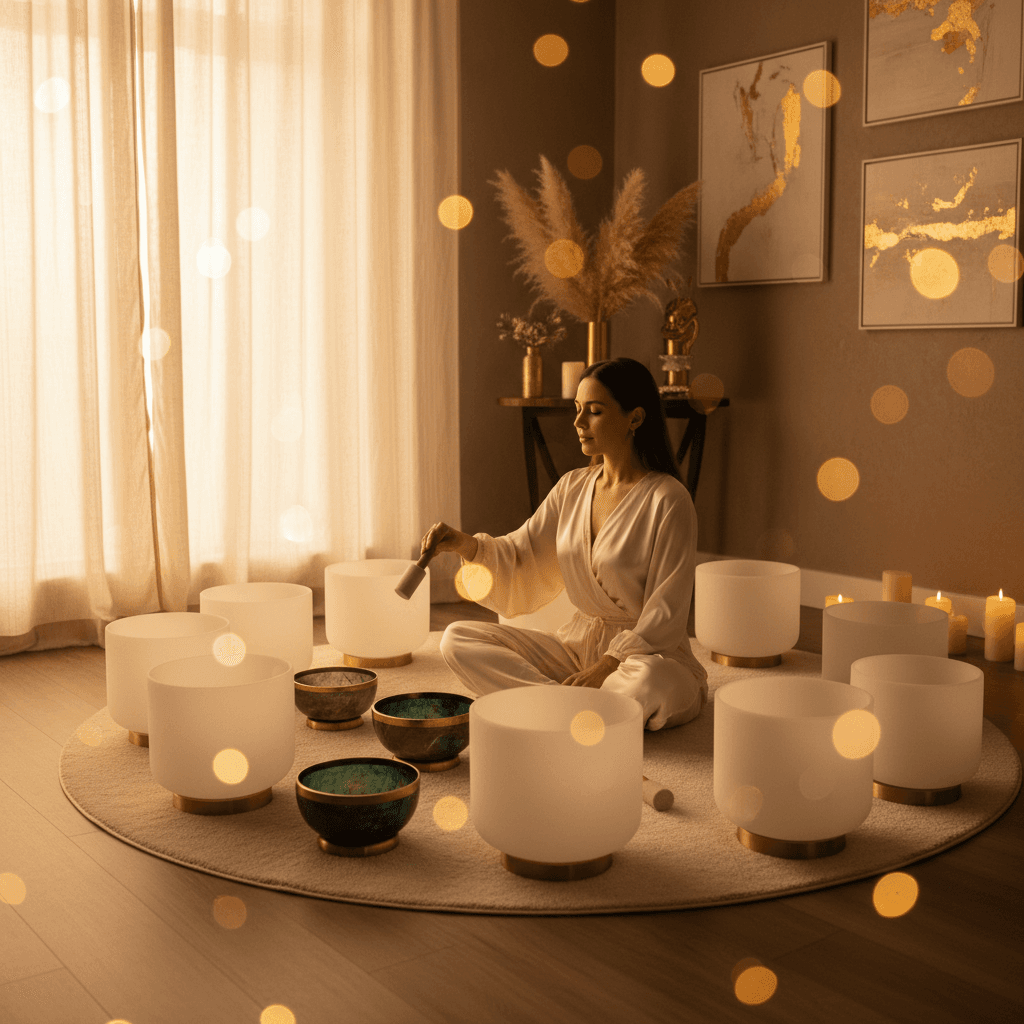
The use of specific sound tools, such as crystal singing bowls, gongs, and tuning forks, creates a profound vibrational experience. These instruments produce sustained, pure tones that can influence cellular and energetic systems, supporting the body's natural healing processes. Anecdotal evidence suggests that many people report significant reductions in stress and an enhanced sense of peace after engaging in such sound journeys. This holistic approach offers E-sports athletes a vital tool for recovery, helping them to discharge accumulated tension and restore a sense of calm and equilibrium.
Soul Art's Sanctuary: Frequency for Recovery and Resilience
At Soul Art, Dubai's premier sound wellness studio, Larissa Steinbach has pioneered a unique approach to harnessing the power of sound for holistic well-being. Recognizing the distinct challenges faced by high-performance individuals, including E-sports athletes, Larissa has crafted experiences that specifically address the need for deep nervous system regulation and auditory recovery.
Larissa Steinbach's Vision for E-Sports Athletes
Larissa Steinbach brings a deep understanding of vibrational wellness to the unique demands of the E-sports world. She recognizes that intense gaming requires not only peak mental acuity but also robust resilience to sustained stress. Her vision for E-sports athletes is to provide a dedicated space and tailored practices to mitigate the negative impacts of high-stimulus environments and protect their most critical assets: their mental clarity and auditory health.
Soul Art bridges the gap between the relentless pressure of competitive gaming and the essential need for profound restoration. Larissa's approach is not about enhancing gaming performance directly, but rather about creating a foundation of well-being that enables sustained peak performance. By focusing on deep relaxation and nervous system rebalancing, Soul Art offers a complementary strategy that supports athletes in a holistic manner.
The Unique Modalities at Soul Art
The Soul Art method is built upon the premise that specific sound frequencies and vibrations can gently guide the body and mind into profound states of relaxation and healing. Each session is carefully curated, often incorporating a blend of ancient and modern sound tools. Unlike the stimulating, reactive sounds of gaming, the soundscapes at Soul Art are designed to be immersive, contemplative, and deeply restorative.
Clients experience personalized sound journeys in a tranquil, serene environment. The primary instruments include:
- Crystal Singing Bowls: Known for their pure, sustained tones and powerful vibrations that resonate with the body's energy centers.
- Gongs: Creating a full spectrum of sound that can induce deep meditative states and release energetic blockages.
- Chimes and Tuning Forks: Offering delicate, intricate sounds and precise frequencies that can target specific areas of tension or promote subtle energetic shifts.
These instruments are played with intention, creating a harmonious sound bath that encourages the brain to shift into restorative brainwave states, such as alpha and theta. This shift supports the body's natural capacity to reduce stress hormones, calm the sympathetic nervous system, and facilitate mental and physical regeneration. The Soul Art experience, under Larissa Steinbach's expert guidance, offers E-sports athletes a powerful tool for self-care, fostering auditory resilience and promoting a sustained state of calm focus essential for both their competitive careers and overall life quality.
"In the arena of E-sports, the invisible frequencies of sound are both your greatest ally and your silent challenge. True mastery emerges not just from harnessing sound for victory, but from nurturing the very foundation of your auditory well-being."
Optimizing Your Sonic Health: Actionable Insights
For E-sports athletes striving for sustained performance and long-term well-being, proactive management of auditory health is non-negotiable. Implementing simple, yet powerful, practices can make a significant difference in protecting hearing, reducing stress, and enhancing cognitive function. These steps complement your training regimen and support a more balanced lifestyle.
Practical Tips for Gaming Athletes
Here are some immediate steps you can integrate into your daily routine to safeguard your auditory health and promote overall wellness:
- Mind Your Volume Levels: Use sound level meters (many apps are available) to ensure your listening volume stays below 80 dB (A-weighted) for extended periods. Lowering your volume by even a few decibels can significantly reduce the risk of hearing damage.
- Schedule Auditory Breaks: Step away from your headphones and your gaming setup for at least 5-10 minutes every hour. Seek out quiet environments during these breaks to give your ears and brain a chance to rest and recover from constant stimulation.
- Invest in High-Quality Gear: Prioritize headphones with good passive or active noise cancellation. This allows you to hear in-game cues clearly at lower volumes, reducing the need to crank up the sound to overcome ambient noise.
- Practice Mindful Listening and Awareness: Pay attention to how different sounds affect your mood, energy levels, and concentration. Notice when high-intensity audio contributes to stress or fatigue, and learn to recognize the early signs of auditory strain.
- Explore Sound Wellness Practices: Integrate complementary approaches like sound baths or guided meditations that use calming frequencies. These practices, such as those offered by Soul Art, can help regulate your nervous system and reverse the effects of sonic overload.
Ready for a Deeper Dive?
Taking proactive steps for your auditory health is an investment in your future, both as an E-sports athlete and as an individual. If you're ready to explore how intentional sound practices can elevate your recovery, reduce stress, and enhance your overall resilience, Soul Art offers bespoke experiences designed for your unique needs.
The Unseen Edge: Sound as a Pillar of E-Sports Wellness
The world of E-sports is undeniably shaped by sound – a critical component for immersion, competitive advantage, and emotional engagement. Yet, this intense auditory environment also presents a significant, often overlooked, challenge to the long-term hearing and mental well-being of gaming athletes. Unsafe listening practices, characterized by sustained high-volume exposure via headphones, have been consistently associated with risks of hearing loss and tinnitus, while also contributing to mental fatigue and nervous system dysregulation.
Embracing proactive auditory wellness is not merely about mitigating risk; it is about cultivating a sustainable path to peak performance and holistic health. By understanding the science of sound's impact and integrating intentional practices like those championed by Larissa Steinbach at Soul Art, E-sports athletes can protect their invaluable hearing, reduce stress, and enhance their cognitive resilience. Let Soul Art guide you towards a balanced, restorative sonic future, ensuring your competitive edge remains sharp, and your well-being thrives.
Bookings Coming Soon
Soul Art is still in preparation. Session details and booking will be published here after launch.
Coming Soon
Wellness Disclaimer: This article is for educational and informational purposes only. It does not constitute medical advice, diagnosis, or treatment. Soul Art Dubai provides non-medical wellness experiences focused on relaxation, stress management, and general wellbeing. Sound wellness is a complementary practice and should not replace professional medical care.
Related Articles

Optimizing Athletic Performance: The Synergy of Sports Nutrition and Sound Wellness

Archery, Stillness, and Sound: Soul Art's Path to Focus

Swimming's Secret Weapon: Sound for Peak Aquatic Performance