Dusk Sounds: Harmonizing Your Evening for Rest & Renewal
Key Insights
Explore the science behind evening nature sounds for profound relaxation, stress reduction, and improved sleep. Discover Soul Art's approach to harnessing this natural transition.
Have you ever noticed the subtle, yet profound, shift in the soundscape as day gently yields to night? It's more than just the fading light; it's a symphony of nature undergoing a remarkable transition, a "dusk chorus" that holds surprising power for our well-being. This natural evening transition, rich with specific auditory cues, offers a unique pathway to deep relaxation, stress reduction, and truly restorative sleep.
In our bustling modern lives, particularly in vibrant cities like Dubai, the gentle guidance of nature's rhythms can often be overshadowed by constant artificial stimuli. Understanding and intentionally engaging with the sounds of dusk can be a transformative practice, helping us to reconnect with ancient biological rhythms and cultivate inner peace. This article will delve into the compelling science behind evening nature soundscapes, explore their practical applications for enhanced wellness, and illuminate how Soul Art, founded by Larissa Steinbach, thoughtfully integrates these principles into its unique offerings.
Join us as we explore how the evocative sounds of dusk can become your personal gateway to tranquility and a deeper sense of equilibrium. Discover why embracing these natural melodies is not merely a pleasant pastime but a powerful, scientifically supported tool for holistic wellness.
The Science Explained: Why Dusk Sounds Resonate So Deeply
The human connection to nature's sounds is ancient, ingrained in our very biology. From the earliest days of humankind, our brains have evolved to interpret natural soundscapes as non-threatening and restorative, a stark contrast to the jarring, often anxiety-inducing noises of urban environments. This fundamental distinction underpins the profound physiological and psychological benefits we derive from listening to nature's evening symphony.
The Nervous System's Response to Natural Sounds
One of the most significant impacts of natural sounds is their ability to modulate our autonomic nervous system. Research consistently shows that engaging with natural soundscapes helps to "turn down the fight or flight response" (sympathetic nervous system activation), thereby promoting greater bodily relaxation. This gentle shift reduces our reaction to stress indicators, making it easier to unwind and prepare for rest. The brain interprets these consistent, pleasant pitches as indicators of safety, allowing us to let go of vigilance.
A study conducted by the University of Sussex highlighted that listening to natural sounds facilitates this crucial de-escalation of the fight-or-flight response, easing us into sleep more effectively. Furthermore, natural sounds also play a vital role in masking other intrusive background noises that might otherwise disrupt our peace, allowing for a more serene environment conducive to relaxation and meditation. Beyond relaxation, listening to natural sounds has been associated with improved cognitive performance and a potential alleviation of pain perception.
The profound impact of these sounds extends to our emotional landscape, influencing feelings of anger, tranquility, annoyance, relaxation, and anxiety. A significant 2021 synthesis published in the Proceedings of the National Academy of Sciences, encompassing 36 studies, found a remarkable 184% relative increase in positive affect and improved health outcomes compared to control conditions when exposed to natural sounds. It also noted a 28% reduction in stress markers, observed across diverse settings like hospitals, offices, and outdoor environments.
Physiological Shifts for Enhanced Well-being
The benefits of nature sound exposure are not merely subjective; they are measurable at a physiological level. A 2024 meta-analysis published in Science of the Total Environment, synthesizing 15 studies with 1285 participants, revealed concrete reductions in several key physiological markers. Participants experienced measurable decreases in:
- Heart Rate: Promoting a calmer cardiac rhythm.
- Systolic and Diastolic Blood Pressure: Supporting cardiovascular health.
- Respiratory Rate: Encouraging slower, deeper breathing patterns.
During sleep, particularly REM sleep, specific frequencies within natural soundscapes may further support the maintenance and calming of blood pressure, heart rate, pulse amplitude, and respiration. This can considerably reduce involuntary body movements, contributing to more undisturbed sleep cycles. The overall physiological responses associated with natural sounds often lead to feelings of liveliness, animation, and improved performance upon waking.
The Unique Biophony of Dusk
The soundscape of nature, known as biophony, is dynamic and constantly evolving, heavily influenced by seasons, diurnal patterns, and geographical latitudes. Dusk is a particularly fascinating period because it marks a significant shift in animal vocalizations. Many vocal animals, such as various bird species and frogs, become more active during this "crepuscular" time, especially at dusk and dawn. This natural increase in activity creates a distinct evening chorus, different from the vibrant dawn chorus or the quietude of midday.
For instance, studies on songbirds reveal that individuals often employ qualitatively different signals between their dawn and dusk choruses, showcasing a remarkable plasticity in their vocal repertoire. These temporal adjustments are related to changes in the use of specific motif elements, potentially influenced by factors like the number of potential competitors or the need to signal in fading light.
Battling the Noise of Modernity
In contrast to the restorative qualities of natural sounds, artificial noise profoundly impacts human health and well-being. Prolonged exposure to urban noise can intensify numerous mental conditions, including stress, anxiety, nausea, headaches, psychosis, and hysteria. It also significantly impairs cognitive performance, concentration span, and motivation, and has even been linked to negative social behavior and increased aggression. The pervasive presence of low-frequency vibrations in urban noise, for example, is often associated with feelings of anger, dissatisfaction, depression, helplessness, and agitation.
Furthermore, the expansion of human populations and urban areas introduces another significant disruptor: Artificial Light at Night (ALAN). ALAN is a global issue with wide-ranging implications for both human health and ecosystem integrity. Research indicates that light pollution alters natural seasonal rhythms, influencing when species, especially songbirds, begin their dawn and dusk singing. This environmental alteration underscores the importance of seeking out and preserving natural soundscapes, particularly during the evening transition.
Listening to carefully curated, high-quality recordings of nature sounds has been shown to be effective, mirroring the benefits of being in nature itself. The key lies in the quality and character of the recording; long, unlooped soundscapes of real places tend to be more effective than short, repetitive loops, which can diminish immersion and restorative effects. These findings emphasize that even in an urban environment, intentional engagement with authentic natural sounds offers a powerful antidote to modern stressors.
How It Works in Practice: Experiencing the Evening Transition
Imagine the world outside your window as the sun dips below the horizon, painting the sky in hues of orange and purple. The ambient hum of the day begins to recede, replaced by a softer, more intimate acoustic tapestry. This is the essence of the evening nature transition, a period ripe for conscious engagement to foster deep relaxation.
As you consciously tune into the evolving soundscape, whether through high-fidelity recordings or by truly listening to the world outside, a cascade of sensory and internal experiences unfolds. The sharp, declarative calls of daytime birds might fade, giving way to the soft, rhythmic chirping of crickets, the gentle rustling of leaves in a calming breeze, or the distant hoot of an owl. These are the biophonic cues signaling the day's end, subtly inviting your own nervous system to downshift.
You might notice your breath naturally deepening, your shoulders relaxing, and the tension that accumulated throughout the day beginning to dissipate. The brain, perceiving these sounds as non-threatening and harmonious, signals a release from vigilance, allowing your mind to quiet. This creates a fertile ground for inner peace, facilitating a state where worries and external pressures gently recede.
The immersive quality of an authentic, unlooped nature soundscape enhances this experience significantly. It bypasses the conscious mind's analytical tendencies, allowing you to simply be within the sound. This sensory journey provides a powerful antidote to the constant mental chatter and visual stimulation that define our digital-first lives, particularly in the hours leading up to bedtime. It's a return to a more primitive, instinctual state of calm, preparing both mind and body for restorative rest. Many people report a heightened sense of mental clarity and emotional balance after such a practice, finding it easier to transition from an active state to a more receptive, tranquil one.
The Soul Art Approach: Curating Tranquility with Larissa Steinbach
At Soul Art, Larissa Steinbach and her team are dedicated to harnessing the profound power of sound to foster holistic well-being. Our approach is deeply rooted in the scientific understanding of sound's impact on the human nervous system, while also embracing the intuitive artistry required to create truly transformative experiences. The "Dusk Sounds: Evening Nature Transition" concept is a cornerstone of our philosophy, meticulously crafted to guide individuals into states of profound relaxation and renewal.
Larissa Steinbach's vision for Soul Art is to provide a sanctuary in the heart of Dubai, where the cacophony of urban life is replaced by carefully curated soundscapes that reconnect participants with the natural world. We understand that in a city defined by its dynamism and constant innovation, there's a unique need for spaces that offer a counterpoint of stillness and natural harmony.
What makes the Soul Art method unique is its sophisticated blend of:
- High-Fidelity Nature Soundscapes: We utilize premium, long-form, unlooped recordings of authentic evening nature sounds, ensuring an immersive and uninterrupted auditory experience. These aren't just generic sounds; they are carefully selected to reflect the specific, calming biophony of dusk, from the gentle chorus of crickets to the soft lull of distant waves.
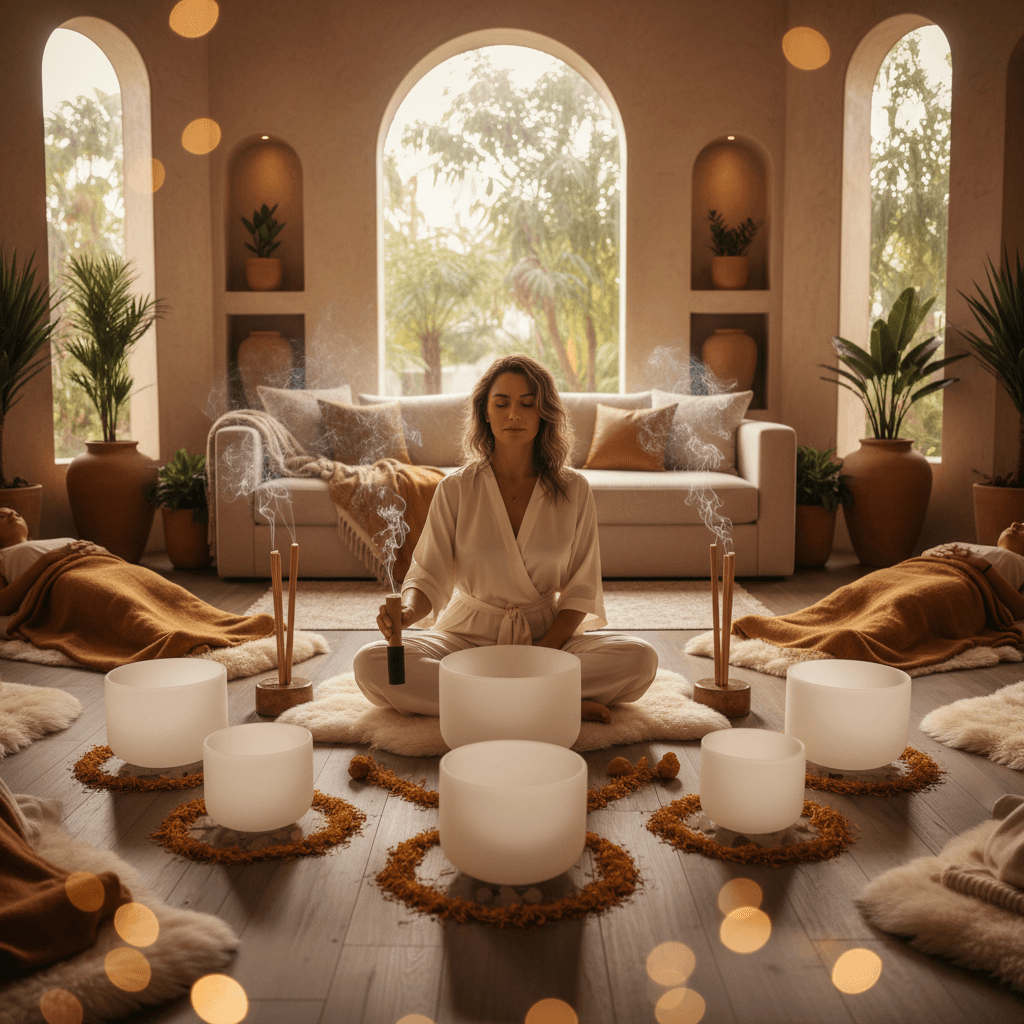
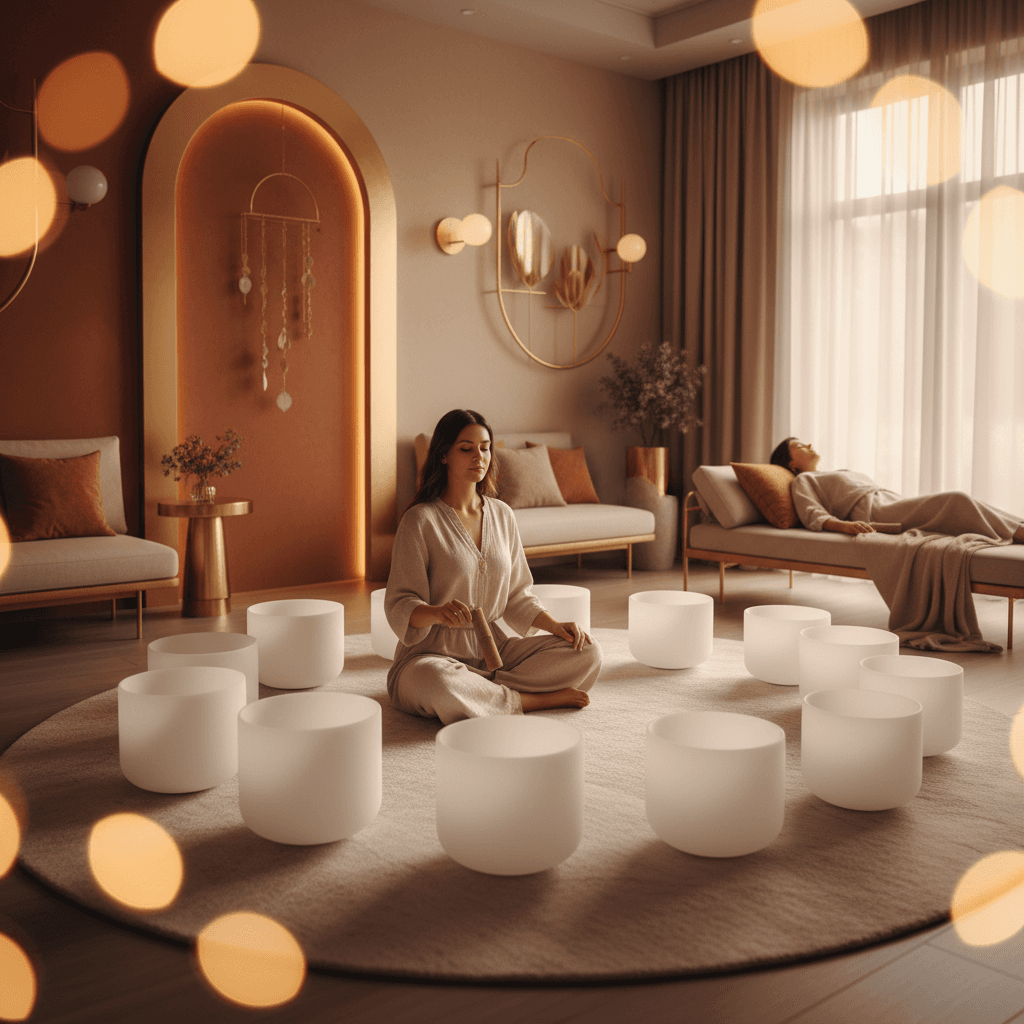
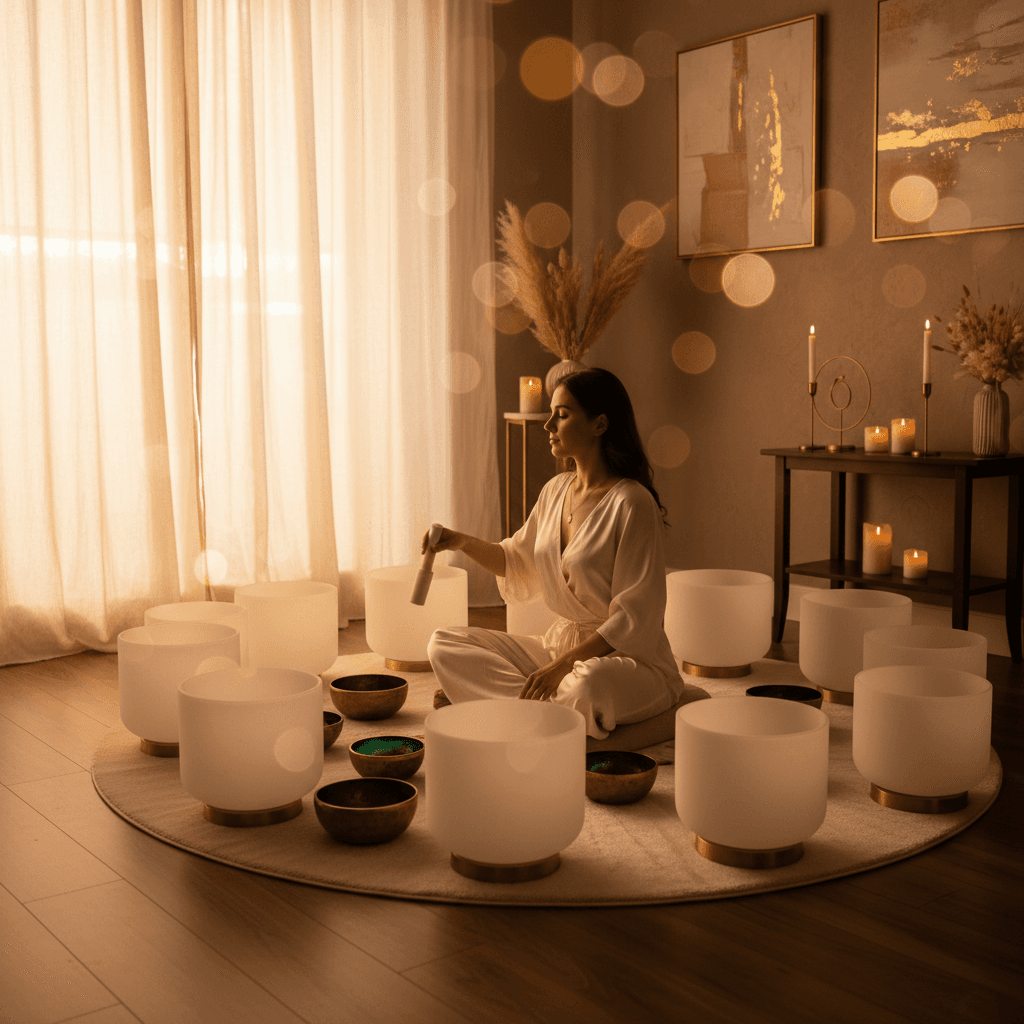
- Expertly Guided Journeys: Each session is more than just listening; it's a guided journey. Larissa Steinbach's trained practitioners skillfully weave these natural soundscapes with live acoustic instruments, such as crystal singing bowls, gongs, and chimes. These instruments are chosen for their specific frequencies and resonant qualities that further enhance relaxation and harmonize the body's energy centers.
- Intentional Space Creation: The physical environment at Soul Art is designed to complement the auditory experience. Low, soft lighting, comfortable seating, and an atmosphere of quiet luxury create a multi-sensory cocoon, allowing participants to fully surrender to the experience. This intentional design magnifies the impact of the sound journey, making it a truly immersive escape.
- Focus on Autonomic Nervous System Regulation: Every element of a "Dusk Sounds" session at Soul Art is meticulously planned to support the down-regulation of the sympathetic nervous system and the activation of the parasympathetic (rest and digest) system. This targeted approach aims to reduce stress hormones, calm the mind, and prepare the body for deep rest and rejuvenation.
Under Larissa Steinbach's guidance, Soul Art crafts experiences that go beyond passive listening, inviting active engagement with the healing frequencies of nature. Our unique method fosters a deep connection to the earth's rhythms, promoting inner peace, stress resilience, and an improved capacity for sleep.
Your Next Steps: Embracing the Evening Transition
Integrating the power of dusk sounds into your daily life is a wonderful self-care practice that can significantly enhance your overall well-being. Even small, consistent efforts can yield profound benefits. Here are a few actionable steps you can take starting today to embrace the evening nature transition:
- Cultivate Mindful Listening: As evening approaches, consciously pause and listen to the natural sounds around you. Whether it's the gentle breeze, distant bird calls, or the rustle of leaves, engage your senses. This simple act can anchor you in the present moment and begin to calm your nervous system.
- Create a Sacred Evening Ritual: Designate the last hour or two before bedtime as a "digital detox" period. Turn off screens, dim the lights, and instead, listen to high-quality nature soundscapes. Consider a short, guided meditation accompanied by these sounds to deepen your relaxation.
- Optimize Your Sleep Environment: Minimize exposure to artificial light at night (ALAN), especially blue light from electronic devices, which can interfere with melatonin production and disrupt your natural sleep cycle. Instead, opt for soft, warm lighting and consider adding a natural sound machine to mask urban noises and foster a peaceful atmosphere.
- Explore Sound Wellness Practices: Consider incorporating sound wellness into your routine. This complementary approach can be particularly effective for stress management and promoting relaxation. Many people report significant improvements in their ability to unwind and sleep soundly after engaging in such practices.
- Experience Soul Art Dubai: For a truly immersive and professionally guided journey, we invite you to experience a "Dusk Sounds: Evening Nature Transition" session at Soul Art. Allow Larissa Steinbach's expertly curated soundscapes and transformative techniques to guide you to a state of profound peace and restoration.
In Summary: The Unseen Power of Dusk
The natural symphony of dusk is far more than just background noise; it's a powerful, scientifically validated tool for enhancing our well-being. By engaging with these evening nature soundscapes, we can actively reduce our "fight or flight" response, lower physiological stress markers like heart rate and blood pressure, and cultivate a deep sense of tranquility that paves the way for restorative sleep. This intentional reconnection with nature's rhythms offers a vital antidote to the relentless pace and artificial stimuli of modern life.
Embracing the evening transition through mindful listening is a simple yet profound wellness practice, supporting mental clarity, emotional balance, and physical relaxation. At Soul Art, Larissa Steinbach and her team are dedicated to providing an unparalleled experience, guiding you through a serene journey into the heart of nature's evening wisdom, right here in Dubai. We invite you to rediscover your calm, restore your energy, and elevate your well-being with the transformative power of sound.
Bookings Coming Soon
Soul Art is still in preparation. Session details and booking will be published here after launch.
Coming Soon
Related Articles
Harmonic Paws: Unveiling Animal-Assisted Sound Therapy at Soul Art Dubai
Biophilic Soundscapes: Designing Wellness Through Nature's Acoustics
City Noise vs Nature Sound: A Soul Art Path to Serenity