Sound for Dual Diagnosis: Mental Health & Addiction Wellness
Key Insights
Explore how sound wellness offers a complementary path for individuals navigating dual diagnosis, supporting mental health and addiction recovery.
Can sound truly be a beacon of hope for those grappling with the complexities of dual diagnosis—the challenging intersection of mental health disorders and substance use? The journey to wellness for individuals experiencing both often feels like navigating a labyrinth, demanding comprehensive and empathetic support. Yet, despite increasing research advocating for integrated treatments, many individuals still struggle to find holistic care that addresses both facets of their well-being effectively.
This article delves into the profound potential of sound wellness as a complementary, supportive practice within an integrated care framework. We will explore the scientific underpinnings of how specific frequencies and vibrations can gently guide the mind and body towards balance. Our aim is to illuminate a path where deep relaxation and nervous system regulation may support individuals seeking resilience in their recovery.
The Overlooked Crisis of Dual Diagnosis
Dual diagnosis, also known as co-occurring disorders, refers to the concurrent presence of a mental health disorder and a substance use disorder. This phenomenon is far more common than many realize, complicating both diagnosis and treatment. For instance, studies indicate a significant positive correlation between dual diagnosis and frequent use of Psychiatric Emergency Services (PES), highlighting the urgent need for more effective, integrated interventions (Baillargeon et al., 2008; McGeary & French, 2000; Vu et al., 2015).
Research has consistently shown that individuals with co-occurring disorders are more likely to be frequent users of PES than those with only one or no disorder. Vu et al. (2015) found that 31% of those with mental disorders were frequent PES users, compared to 22% of those without, and 25% of those with both mental health and substance use disorders were frequent PES users. These statistics underscore the critical importance of a comprehensive approach to support and recovery. Historically, mental health and addiction services have often operated in silos, leaving many individuals to choose one treatment path over another. However, growing evidence unequivocally points to integrated treatments as being more effective than non-integrated approaches (Dixon et al., 2010; Drake, O’Neal, & Wallach, 2008).
Despite this clear evidence, surveys reveal a concerning gap: only a small fraction of clients with dual disorders receive treatment for both, and even fewer receive truly integrated interventions (SAMHSA, 2007). This systemic gap emphasizes the need for innovative, complementary approaches that can be woven into existing care plans, offering individuals more avenues for support and self-regulation.
The Science Explained: How Sound Impacts Mind and Body
The human body is a symphony of vibrations, and when it comes to mental and emotional well-being, our nervous system plays a central role. Sound wellness operates on the principle that specific frequencies and vibrations can influence our brainwaves, heart rate, and overall physiological state. This interaction may offer a powerful pathway for nervous system regulation, a crucial element for anyone navigating stress, anxiety, or addiction.
Brainwave Entrainment and Relaxation
Our brain operates at different frequency states, each associated with distinct mental states. Beta waves are linked to alertness and active thinking, while alpha waves are present during relaxed, conscious states. Theta waves emerge during deep relaxation, meditation, and light sleep, and delta waves are characteristic of dreamless, restorative sleep.
Sound instruments, particularly those producing resonant, sustained tones like gongs and singing bowls, can facilitate brainwave entrainment. This is the process where the brain synchronizes its electrical activity to an external rhythm. When exposed to slower, rhythmic sound frequencies, the brain may naturally shift from a state of beta (alertness) to alpha (relaxation) and even theta (meditative or hypnagogic) states. This shift is associated with reduced mental chatter, profound calm, and an increased sense of peace. For individuals managing dual diagnosis, achieving these states of deep relaxation can be particularly beneficial, potentially alleviating heightened anxiety and stress responses that often trigger cravings or negative coping mechanisms.
Vagus Nerve Stimulation and Parasympathetic Activation
The vagus nerve is a key player in the body's autonomic nervous system, acting as a superhighway between the brain and major organs. It influences heart rate, digestion, and our stress response. When activated, the vagus nerve promotes the parasympathetic nervous system, often called the "rest and digest" system. This counteracts the "fight or flight" response governed by the sympathetic nervous system.
Certain sound frequencies and vocalizations, such as humming, chanting, or the deep resonance of therapeutic sound instruments, have been shown to stimulate the vagus nerve. This stimulation may lead to a reduction in heart rate, lower blood pressure, and a decrease in cortisol, the primary stress hormone. By gently encouraging the body into a parasympathetic state, sound wellness sessions may support individuals in calming their nervous system, which is frequently dysregulated in conditions of chronic stress, anxiety, and addiction recovery. This physiological shift can create a fertile ground for emotional processing and self-regulation, promoting a sense of safety and stability within the body.
Cellular Resonance and Emotional Release
Beyond brainwaves, sound vibrations are believed to interact with the body at a cellular level. Water, making up a significant portion of our body mass, is an excellent conductor of sound. The vibrations from instruments like singing bowls and gongs can create a gentle, internal massage, penetrating deep into tissues and organs. This cellular resonance may help release muscular tension and stored emotional energy.
Many people report a feeling of physical and emotional release during and after sound sessions. This may manifest as reduced physical pain, a softening of emotional blockages, or a profound sense of lightness. For those navigating the emotional turbulence associated with dual diagnosis, this subtle yet powerful release may be a crucial element in their journey toward holistic wellness. It offers a non-verbal, non-invasive way to process complex emotions and physical discomfort, supporting the body’s innate capacity for self-healing and balance.
How It Works in Practice: The Sensory Journey of Sound Wellness
Stepping into a sound wellness session is an invitation to embark on a deeply sensory and often transformative journey. It's a space where the external world fades, and the internal landscape is gently explored through the power of vibration and resonance. The experience is designed to be immersive, allowing the body and mind to surrender to the therapeutic frequencies.
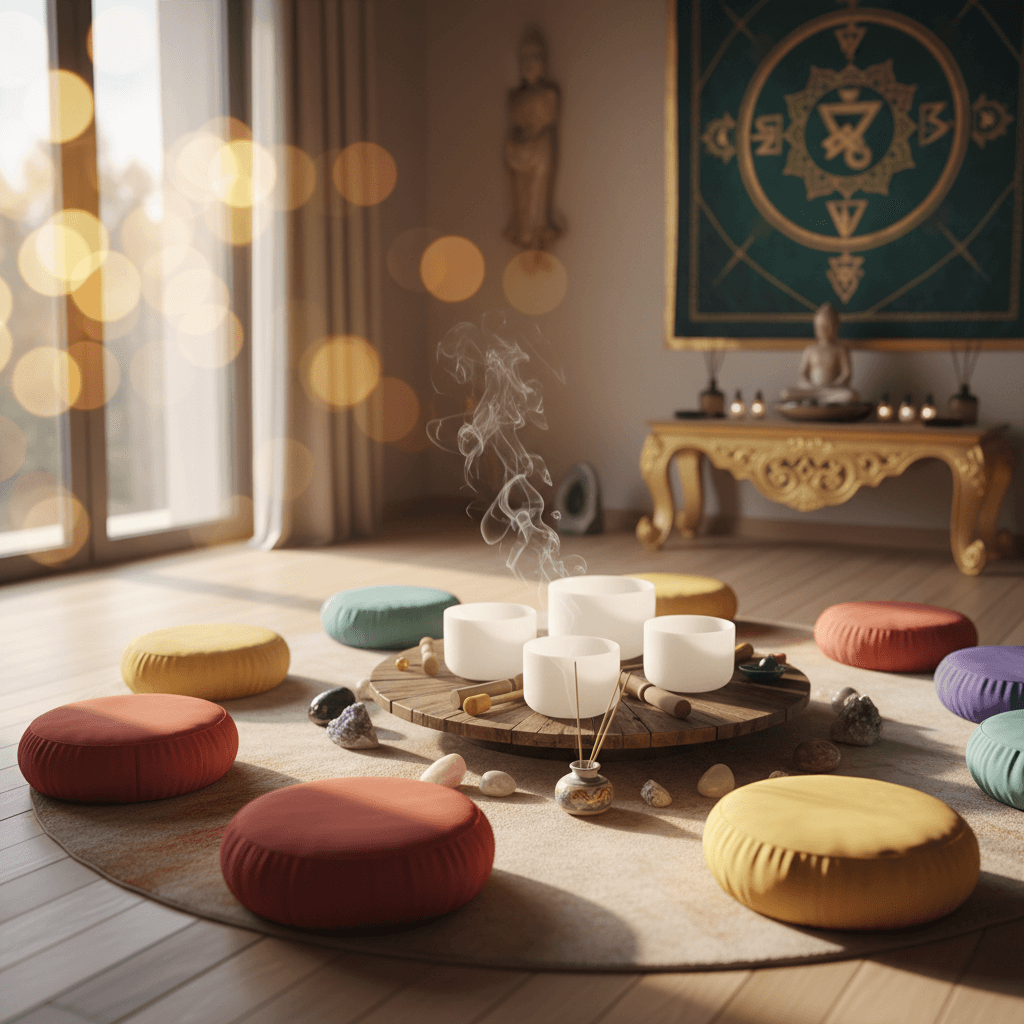
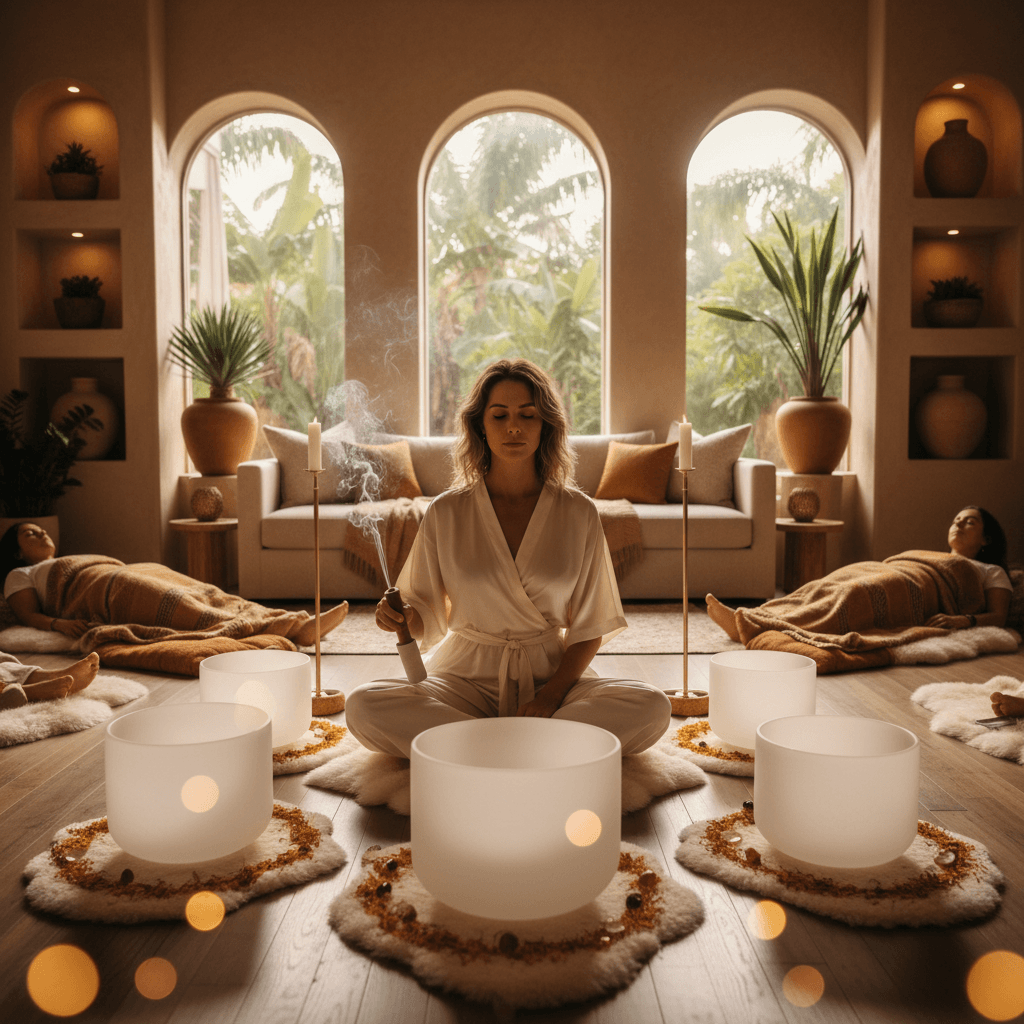
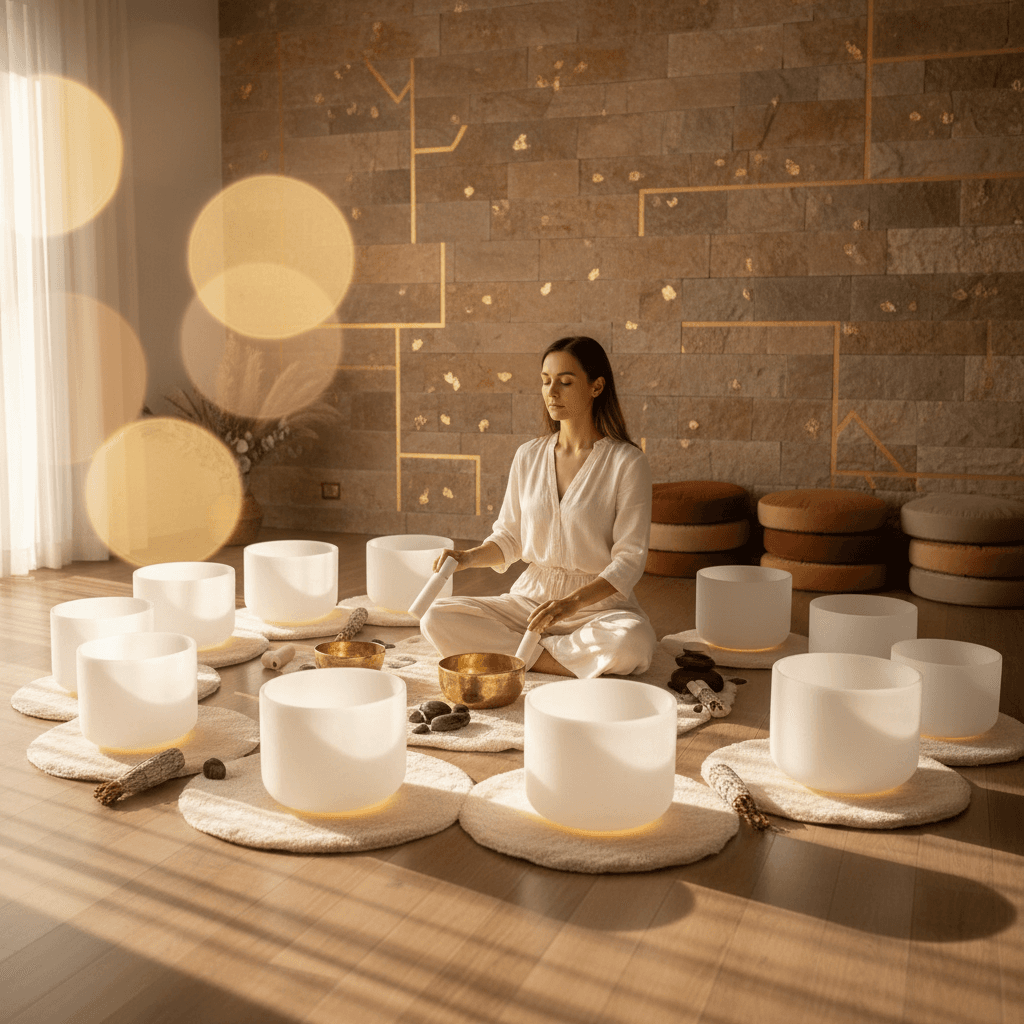
Clients typically lie comfortably on a mat, often enveloped in soft blankets, in a serene and dimly lit environment. The practitioner, like Larissa Steinbach at Soul Art, then begins to introduce a carefully curated selection of instruments. These might include large gongs, Tibetan singing bowls, crystal singing bowls, chimes, and other resonant tools. Each instrument possesses a unique timbre and frequency profile, contributing to a rich tapestry of sound.
"In the gentle embrace of sound, we find a sanctuary where the mind can rest, and the body can remember its inherent capacity for peace and balance."
The sounds are not just heard; they are felt. The deep, pervasive vibrations of a gong can resonate through the entire body, creating a sensation that is both grounding and expansive. The pure, sustained tones of crystal singing bowls might feel as if they are cleansing the energetic field, while the intricate melodies of chimes can transport the mind to a state of profound tranquility. This full-body sensory experience bypasses the analytical mind, allowing individuals to enter a state of deep relaxation without conscious effort.
This practice provides a non-verbal avenue for expression and release, which can be particularly valuable for those who find it challenging to articulate their experiences verbally. The sounds create a safe container for emotions to surface and be processed without judgment. This may include feelings of anxiety, grief, or even cravings, which can be observed and gently released in a supportive environment. The absence of spoken word allows for a unique form of self-exploration and emotional regulation.
Many clients report a decrease in mental chatter, a reduction in physical tension, and a profound sense of inner peace during and after sessions. Some experience vivid visualisations or emotional breakthroughs, while others simply drift into a state of deep rest, bordering on sleep. The consistent practice of immersing oneself in these therapeutic soundscapes may help to build new neural pathways, gradually retraining the nervous system to respond more calmly to stressors and supporting a sustained sense of well-being. This gentle re-calibration can be a powerful complement to traditional approaches for managing mental health and supporting addiction recovery.
The Soul Art Approach: Larissa Steinbach's Philosophy
At Soul Art, Dubai's premier sound wellness studio, Larissa Steinbach embodies a philosophy that transcends mere relaxation, offering a sophisticated and deeply intentional approach to well-being. Larissa understands that true healing often requires a multi-faceted strategy, especially for individuals navigating complex challenges like dual diagnosis. Her method is rooted in the belief that while traditional medical and therapeutic interventions are paramount, complementary practices like sound wellness offer invaluable support for holistic recovery and resilience.
Larissa's expertise is evident in her meticulous curation of instruments and her intuitive understanding of how to blend their unique vibrations. She harnesses the profound resonance of large symphonic gongs, known for their ability to create deep cellular shifts and promote systemic relaxation. These are often combined with the pure, crystalline frequencies of Frosted Quartz Crystal Singing Bowls, which are carefully selected and tuned to specific energetic centers, or chakras, to foster balance and harmony within the body and mind. Additionally, the ethereal tones of chimes and other percussive instruments are woven into the soundscape, creating a rich, immersive experience.
What makes the Soul Art method truly unique is Larissa's personalized and empathetic touch. She doesn't just play instruments; she creates a therapeutic journey tailored to the group's energy or individual's needs, fostering a sense of safety and deep presence. Her approach emphasizes creating a non-judgmental space where individuals can feel seen, heard, and supported in their wellness journey. This environment is crucial for those in recovery, offering a sanctuary where vulnerability is met with compassion and understanding.
Larissa integrates her deep knowledge of ancient sound healing traditions with modern understandings of neuroscience and stress physiology. This allows her to craft sessions that are not only deeply relaxing but also profoundly restorative, aiming to re-calibrate the nervous system and promote emotional equilibrium. The goal at Soul Art is to empower individuals to tap into their innate capacity for self-regulation and inner peace, providing a powerful adjunct to other forms of support. She believes that by consistently providing a space for deep rest and vibrational healing, Soul Art can play a vital role in helping individuals build resilience, reduce anxiety, and cultivate a stronger foundation for sustained wellness and recovery.
Your Next Steps: Integrating Sound into Your Wellness Journey
Embarking on a journey towards holistic well-being, especially when navigating dual diagnosis, requires courage and commitment. While sound wellness is a complementary practice and not a replacement for medical treatment, it offers profound potential as a supportive tool for stress reduction, emotional regulation, and nervous system balance. Integrating sound into your life can be a gentle yet powerful step towards fostering inner peace and resilience.
Here are a few actionable steps you can consider today:
- Explore Guided Sound Meditations: Start with accessible online resources. Many platforms offer free or subscription-based sound bath recordings or guided meditations that incorporate specific frequencies. This can be a gentle introduction to the experience from the comfort of your home.
- Prioritize Rest and Relaxation: Make a conscious effort to schedule time for relaxation each day. Even 15-20 minutes of mindful listening to calming music or nature sounds can begin to shift your nervous system into a more peaceful state.
- Seek Integrated Support: Remember that sound wellness is most effective when part of a comprehensive, integrated wellness plan. Continue engaging with your primary care providers, mental health professionals, and addiction recovery specialists. Discuss how complementary practices like sound can enhance your existing regimen.
- Practice Mindful Breathing: Combine sound with conscious breathing exercises. Deep, slow breaths can amplify the calming effects of sound, further activating the parasympathetic nervous system and grounding you in the present moment.
- Experience a Professional Sound Session: Consider booking an in-person session at a reputable studio like Soul Art. The immersive nature and expert guidance of a live sound bath can offer a far deeper experience than digital recordings, providing a profound opportunity for release and rejuvenation under the guidance of practitioners like Larissa Steinbach.
In Summary: A Harmony of Healing
Dual diagnosis presents a complex landscape, requiring a compassionate and integrated approach to wellness. We've explored how the scientific principles of brainwave entrainment, vagus nerve stimulation, and cellular resonance underpin the profound benefits of sound wellness. By gently guiding the nervous system towards states of deep relaxation and promoting emotional release, sound offers a powerful complementary modality.
Larissa Steinbach's approach at Soul Art exemplifies this synergy, providing a unique space where the sophisticated use of gongs, crystal singing bowls, and other instruments fosters a restorative journey. This practice may significantly support individuals in managing stress, reducing anxiety, and building resilience as part of their holistic recovery journey. Discover the transformative power of sound and allow the harmonious frequencies at Soul Art to guide you towards profound peace and well-being.
Bookings Coming Soon
Soul Art is still in preparation. Session details and booking will be published here after launch.
Coming Soon
Wellness Disclaimer: This article is for educational and informational purposes only. It does not constitute medical advice, diagnosis, or treatment. Soul Art Dubai provides non-medical wellness experiences focused on relaxation, stress management, and general wellbeing. Sound wellness is a complementary practice and should not replace professional medical care.
Related Articles
LGBTQ+ Recovery: Sound Wellness for Inclusive Healing & Regulation
Relationship Recovery: The Science of Sound for Intimacy
Soulful Connections: The Science of Shared Sound Practices and Well-being Sponsorship