Digital Detox: Sound Wellness as Your Tech Alternative

Key Insights
Explore how sound wellness at Soul Art Dubai, founded by Larissa Steinbach, offers a scientifically-backed alternative to digital overload, promoting focus, calm, and connection.
In a world where our screens have become extensions of ourselves, how often do you truly disconnect? The pervasive nature of digital technology, while offering unparalleled connectivity, has simultaneously introduced a profound challenge to modern well-being: digital addiction. This constant influx of information, notifications, and comparisons can silently erode our attention spans, disrupt our sleep, and diminish our presence in the real world.
Many of us intuitively sense the toll this takes, yet breaking free feels incredibly challenging. The very devices designed to connect us can inadvertently isolate us from ourselves and the present moment. This journal article will delve into the growing phenomenon of digital addiction, explore the compelling scientific evidence supporting intentional digital detoxes, and reveal how the immersive power of sound wellness at Soul Art, founded by Larissa Steinbach, offers a profound path to reclaim your focus, calm, and connection.
We will explore how replacing screen time with enriching, restorative experiences, particularly through sound, can significantly reduce the negative impacts of digital dependence. Consider sound wellness as your dedicated space to recharge and find your inner calm amidst the digital noise, fostering a healthier relationship with technology and yourself.
The Pervasive Reach of Digital Addiction: A Modern Challenge
Digital addiction, characterized by excessive smartphone and social media use, has emerged as a significant concern for mental, emotional, and physical well-being. Research indicates that this pervasive connectivity, particularly evident in adults and teenagers, can manifest as a genuine addiction with profound consequences. Understanding these effects is crucial for fostering healthier relationships with our devices and promoting overall wellness.
Understanding Digital Overload and its Neurological Impact
The constant stimulation from digital devices can deeply impact our neurological landscape. Studies from institutions like Georgetown University and Nicklaus Children's Hospital highlight the significant impact of this constant connectivity, linking excessive use to altered brain function and reduced cognitive control. The brain's reward pathways, primarily involving dopamine, are continuously activated by notifications and social media engagement, creating addictive feedback loops.
This constant "on-call" state can lead to decreased attention spans, making it harder to focus on single tasks for extended periods. It can also impair our ability to engage in deep work or sustained creative thinking. Furthermore, the blue light emitted from screens disrupts the body’s circadian rhythm, suppressing melatonin production and making it harder to fall and stay asleep. Poor sleep quality is directly linked to an increased risk of metabolic diseases, depression, and anxiety.
Excessive device use also disrupts daily habits that support mental and physical well-being. Frequent phone use is associated with irregular eating patterns, poor diet choices, and sleep disturbances, all risk factors for various health issues. The continuous exposure to radiofrequency electromagnetic radiation (RF-EMFs) from devices is also an area of ongoing scientific inquiry regarding its potential links to neurological and metabolic conditions.
The Evidence for Digital Detox: Reclaiming Cognitive Function
An intentional digital detox involves abstaining from electronic devices or specific applications for a set period. While research on digital detox is still in its early stages, emerging studies suggest promising benefits for mental health and well-being. The key lies not just in removing screens, but in replacing that time with enriching, restorative experiences.
"A digital detox promotes awareness by helping us notice how often we reach for a screen without thinking, how frequently we are interrupted, and how much of our energy is being consumed by attending to digital inputs rather than real-world experience."
A systematic review and meta-analysis of digital detox studies revealed a noteworthy contrast in impact, with a significant effect discerned specifically in relation to depression. By disconnecting from stressors inherent in digital interactions, such as negative social comparisons, cyberbullying, or information overload, individuals may experience a reduction in depressive symptoms. The benefits, though often subtle, include clearer thinking, improved sleep quality, and a reduced sense of anxiety.
Other reported benefits associated with digital detox practices include:
- Improved Sleep Quality: Reducing blue light exposure, especially before bed, may support the body's natural melatonin production, leading to more restful sleep.
- Reduced Anxiety and Stress: Stepping away from constant alerts and social pressures allows the nervous system to reset, fostering a sense of calm.
- Enhanced Focus and Productivity: When the mind is no longer crowded with constant digital updates, individuals often report increased concentration and a return of creativity.
- Stronger Real-World Relationships: Disconnecting from devices encourages more present and meaningful interactions with others, counteracting feelings of loneliness.
- Greater Self-Regulation: Intentionally stepping away from screens becomes a powerful act of self-control, helping individuals regain agency over their attention.
It is important to note that the efficacy of digital detox interventions is still being rigorously studied, with challenges spanning conceptualization and research methods. Some studies have highlighted the complexity and multifaceted relationship between reducing social media/smartphone use and well-being, suggesting that reducing use (versus complete detox) and engaging in lifestyle interventions may have positive effects. The duration of detoxes in studies has varied from less than 24 hours to a maximum of four weeks, with many examining one-week intervals. More high-quality, empirical research is needed to refine definitions and explore what types of interventions are most helpful for specific populations.
From Screen Fatigue to Sonic Serenity: The Practical Shift
The intuitive pull to check our phones, even without a notification, illustrates the deep-seated habits formed around digital engagement. A digital detox, therefore, is not merely about abstinence; it is about intentional replacement. This is where the immersive power of sound wellness offers a profound and accessible alternative, providing a dedicated space for the mind to recover and the nervous system to reset.
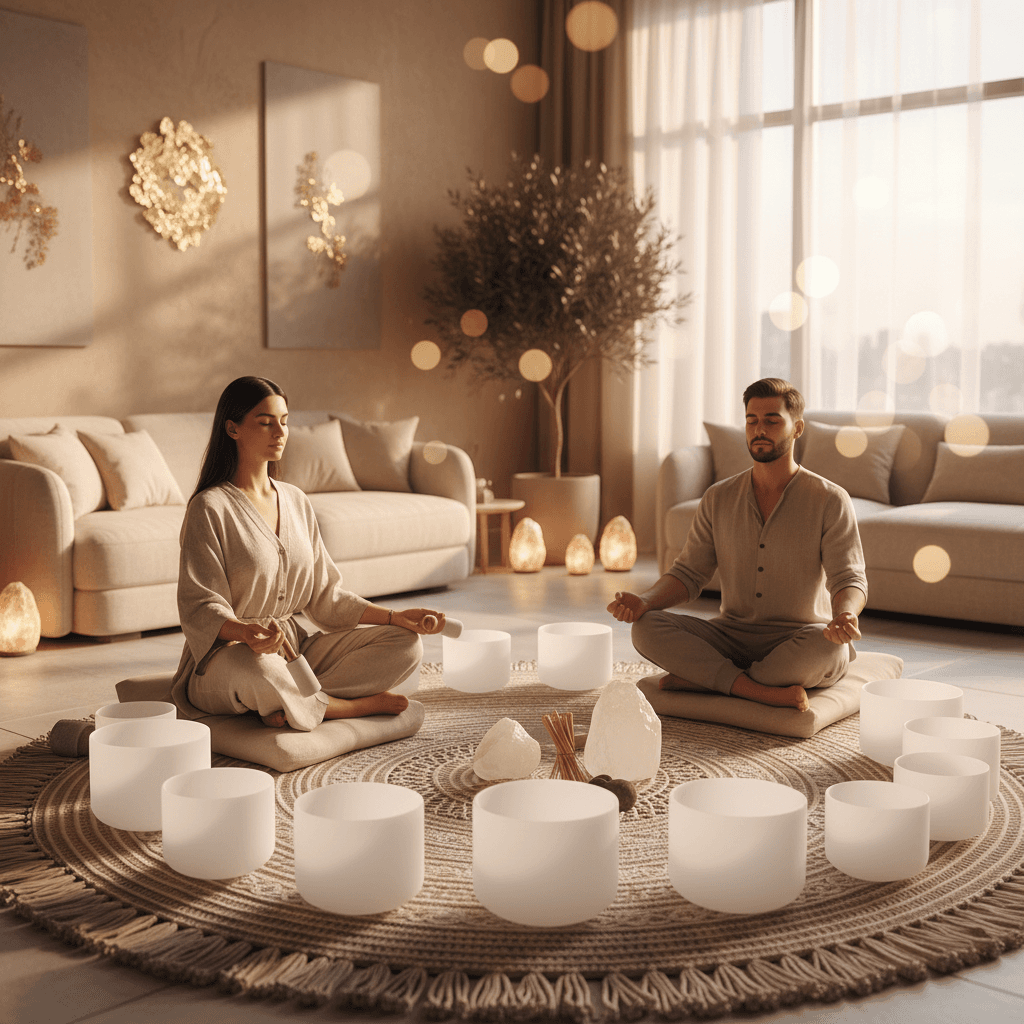
When we disconnect from the visual and auditory clamor of our devices, a void can emerge. Sound wellness fills this space with intentional, restorative frequencies and vibrations. Imagine replacing the endless scroll with the resonant tones of a crystal singing bowl, or the constant pings with the deep, calming reverberations of a gong. These experiences work at a foundational level, guiding the brain into states conducive to relaxation and introspection.
The practice of sound wellness actively engages our senses in a non-demanding way, allowing for a gentle release from mental overstimulation. The gentle yet powerful soundscapes encourage the mind to slow down, shifting from a state of constant processing to one of receptive calm. This sensory immersion helps to break the habitual patterns of digital interaction, training our attention to focus inwards rather than constantly seeking external stimuli. Many people report a heightened sense of presence and clarity after engaging in sound wellness practices.
By engaging with sound, individuals can experience the physical and mental benefits that a digital detox aims to achieve. This includes improved sleep quality, as the deep relaxation induced by sound helps to re-establish a healthy circadian rhythm, counteracting the effects of blue light exposure. It also contributes to balanced hormones and reduced stress, as the nervous system moves from a "fight or flight" response to a "rest and digest" state. This creates an ideal environment for self-regulation and fosters a stronger connection to one’s inner self, rather than relying on devices as a social crutch or distraction.
Larissa Steinbach's Vision: The Soul Art Difference
At Soul Art, Dubai's premier sound wellness studio, Larissa Steinbach has meticulously crafted an environment where individuals can truly disconnect to reconnect. Larissa's approach is rooted in the understanding that while technology serves many purposes, intentional self-care through sonic immersion provides a vital counterbalance to digital overload. The Soul Art method is unique in its blend of expert guidance, carefully curated soundscapes, and a serene atmosphere designed for profound transformation.
Larissa Steinbach utilizes a diverse array of ancient and modern sound healing instruments, each chosen for its unique vibrational qualities. These include authentic Himalayan singing bowls, powerful gongs, resonant crystal bowls, and precise tuning forks. Each instrument produces specific frequencies and harmonics that interact with the body's energetic systems, encouraging deep relaxation and cellular rejuvenation. The deep, sustained vibrations of these instruments can facilitate a meditative state, allowing the brain to shift into alpha and theta wave patterns, often associated with creativity, intuition, and deep calm.
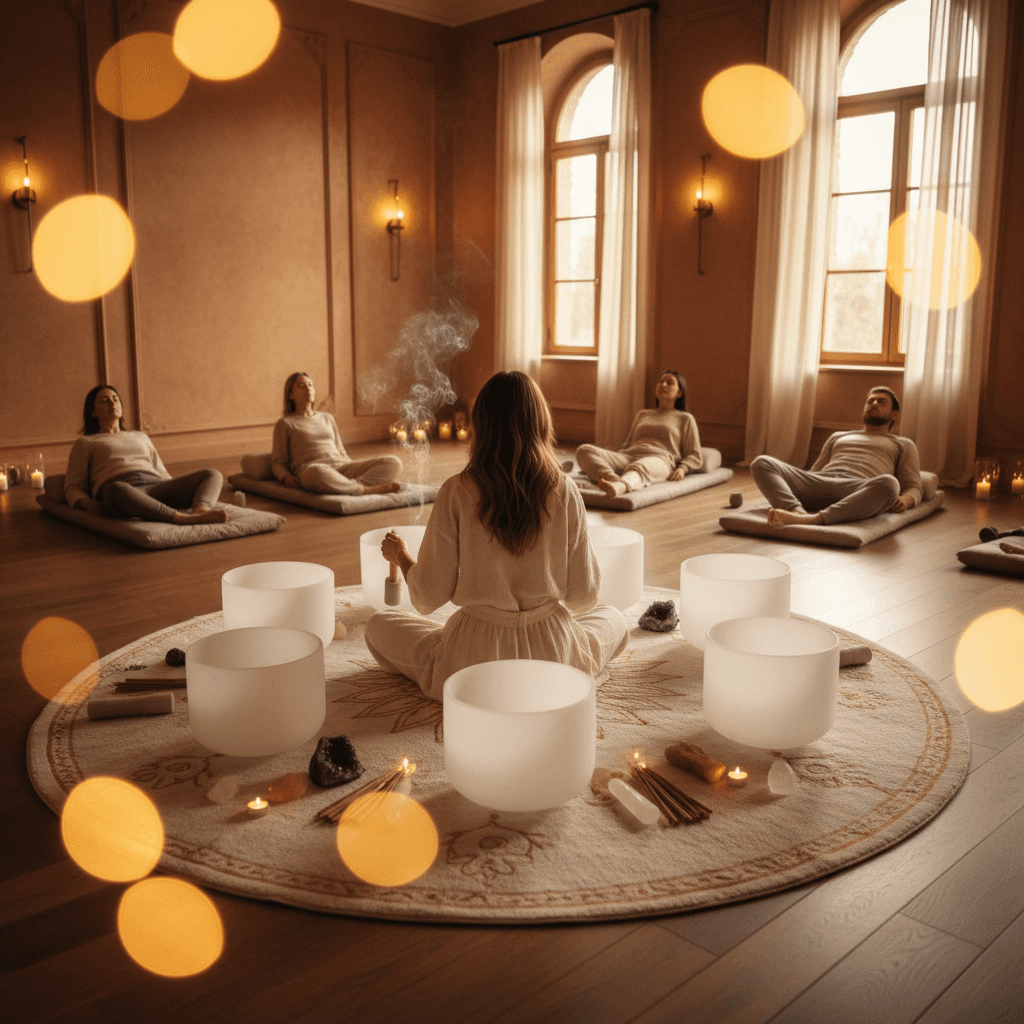
What makes the Soul Art experience particularly transformative is not just the instruments, but Larissa's intuitive understanding of sound dynamics and her ability to hold space for participants. She guides individuals through immersive sound journeys that gently ease the mind away from daily distractions and digital noise. This intentional process helps to quiet the incessant mental chatter, allowing for introspection and a release of accumulated tension.
Soul Art provides a sanctuary where the absence of digital demands becomes an opportunity for profound self-discovery and restoration. It is a space where the "extra" time gained from reducing screen time is allocated to an activity that genuinely enriches and restores, aligning with the principles of a truly effective digital detox. This holistic wellness practice is a powerful complementary approach to managing stress and enhancing overall well-being in our hyper-connected world.
Reclaim Your Focus: Practical Steps Towards Digital Balance
Embarking on a digital detox doesn't require drastic measures; it begins with conscious awareness and small, intentional steps. Integrating sound wellness into this journey can amplify its benefits, providing a restorative anchor. Here are practical steps you can implement today to foster a healthier relationship with your digital devices and reclaim your inner calm:
- Start Small with Device-Free Hours: Designate specific times each day, perhaps the first hour after waking or the last hour before bed, as completely screen-free. Use this time for reading, reflection, or mindful movement.
- Create Device-Free Zones: Establish certain areas in your home, like the bedroom or dining table, as tech-free zones. This encourages face-to-face interactions and improves sleep hygiene.
- Disable Non-Essential Notifications: Turn off notifications for social media and non-urgent apps. This reduces constant interruptions, allowing you to control when and how you engage with digital content.
- Replace Scrolling with Sound: When you feel the urge to check your phone, instead, put on some calming music, listen to a guided meditation, or even better, experience a sound bath. This helps to re-pattern your response to boredom or stress with a beneficial activity.
- Observe Your Habits: Pay attention to when and why you reach for your device. Is it out of habit, boredom, or genuine need? This awareness is the first step toward intentional usage rather than reactive consumption.
By actively choosing to create space from the digital world, you open doors to profound moments of presence and peace. Soul Art offers a powerful and enriching alternative, providing a sensory experience that naturally supports your journey towards digital balance.
Bookings Coming Soon
Soul Art is still in preparation. Session details and booking will be published here after launch.
Coming Soon
Disconnect to Reconnect: Your Path to Inner Harmony
In our hyper-connected world, digital addiction presents a significant challenge, impacting our focus, sleep, and overall well-being. Intentional digital detoxes, supported by growing scientific evidence, may support improvements in mood, cognitive function, and reduced depression by creating necessary space from constant stimulation. However, the true power lies in replacing screen time with enriching, restorative experiences.
Soul Art, founded by Larissa Steinbach, offers a profound and accessible solution through the immersive practice of sound wellness. Here, the ancient wisdom of vibrational healing meets modern self-care, providing a sanctuary where you can truly disconnect from digital noise and reconnect with your inner self. Sound becomes a complementary approach to manage stress, enhance focus, and cultivate a lasting sense of calm.
Embrace sound as your sophisticated alternative to constant digital engagement. We invite you to experience the transformative power of sound at Soul Art. Reclaim your attention, soothe your nervous system, and discover a deeper sense of presence and peace.
Wellness Disclaimer: This article is for educational and informational purposes only. It does not constitute medical advice, diagnosis, or treatment. Soul Art Dubai provides non-medical wellness experiences focused on relaxation, stress management, and general wellbeing. Sound wellness is a complementary practice and should not replace professional medical care.
Related Articles
Unseen Ears: Unpacking Voice-Activated Sound & Your Wellbeing
Precision Resonance: Digital Audio Workstations for Healing

Spectrum Analyzers: Unveiling the Science of Sound for Wellness