Sound Therapy for Dialysis: Cultivating Serenity During Treatment

Key Insights
Explore how sound therapy, a complementary wellness practice by Soul Art Dubai and Larissa Steinbach, may alleviate discomfort, anxiety, and enhance well-being during dialysis sessions.
Compelling Introduction
Imagine a space where the rhythmic hum of life-saving medical equipment fades into a symphony of calm. For individuals undergoing regular dialysis sessions, the reality is often far from serene, marked by physical discomfort, the repetitive sounds of machines, and the emotional weight of chronic illness. What if a simple, non-pharmacological intervention could transform this challenging experience?
This article delves into the burgeoning field of sound therapy as a complementary wellness approach for dialysis patients. We will explore the scientific underpinnings of how targeted soundscapes and music may support well-being, mitigate discomfort, and reduce anxiety during treatment. Prepare to discover how the intentional application of sound, a core practice at Soul Art Dubai under the guidance of Larissa Steinbach, is offering a new pathway to peace during these essential medical procedures.
The Science Explained
The human body's response to sound is profound, influencing everything from our heart rate to our emotional state. In the context of dialysis, this intricate connection between auditory input and physiological/psychological well-being is gaining significant scientific attention. Research is increasingly illuminating how sound therapy acts as a powerful non-invasive tool to enhance comfort and improve the overall experience for patients.
Neurological Pathways and Pain Perception
Pain perception is not solely a physical sensation; it is heavily mediated by the brain and can be influenced by psychological factors such as anxiety and distraction. Sound therapy may intervene in these pathways. Specific frequencies and structured music are thought to engage neural circuits responsible for emotional regulation and reward.
One prospective, multi-facility, single-blind, crossover, randomised controlled trial explored the effectiveness of music therapy for alleviating pain during haemodialysis access cannulation. Patients received cannulation while listening to music or white noise, or during a no-sound period. The study found that listening to music compared with white noise decreased visual analog scale pain scores.
This suggests that music may alleviate physical pain through distraction and by altering the emotional state. While secondary outcomes like anxiety scores did not always improve significantly compared to white noise, the primary finding on pain reduction remains compelling. The "Mozart effect," for instance, has been investigated for its potential to reduce blood pressure and enhance cognitive states, leveraging specific musical structures.
Reducing Anxiety and Depression
Chronic kidney disease and the demanding routine of dialysis often lead to heightened levels of anxiety and depression among patients. These emotional burdens can significantly impact their quality of life. Sound therapy offers a gentle yet effective strategy to address these psychological challenges.
Several studies have highlighted the beneficial effects of music therapy in reducing depressive symptoms and improving the quality of life for hemodialysis patients. One such study noted significant improvements in both generic and chronic kidney disease (CKD) specific quality of life dimensions. This improvement was attributed to the playful character of music, active participation, and the group integration fostered in music therapy sessions.
Live classical music has also been demonstrated to reduce anxiety and depression levels during haemodialysis sessions. A randomized clinical trial involving patients who listened to live classical music showed reduced anxiety and depression after four weeks compared to a control group receiving usual treatment. The consistent positive outcomes across these studies underscore the potential of sound to create a more supportive emotional environment.
Enhancing Quality of Life and Well-being
Beyond direct pain or anxiety reduction, sound therapy has been associated with a holistic improvement in patients' quality of life. The dialysis environment itself can be a source of stress, with its inherent noises, alarms, and the close proximity of other patients. Music and specific soundscapes offer a means to "disconnect" from this often unpeaceful environment.
The intentional use of music can promote a patient's general well-being, serving as a valuable complementary treatment. By creating a more pleasant and engaging auditory experience, sound therapy may contribute to establishing positive links among patients and staff, helping them cope more effectively with their treatment regimen. This shift from a clinical, often sterile, soundscape to one filled with calming or uplifting frequencies can profoundly alter a patient's perception of their treatment time.
Physiological measures, such as blood pressure, heart rate, and respiratory rate, are also often monitored in studies exploring music therapy during dialysis. While not always statistically significant across all secondary outcomes in every study, the overall trend points towards a calming effect that may support cardiovascular stability during these long sessions. A decrease in salivary amylase activity, a biomarker for stress, has also been observed in some contexts involving natural sounds, further supporting the physiological impact of sound.
"The profound ability of sound to penetrate our subconscious and soothe our nervous system offers a unique pathway to resilience, especially for those navigating the demanding landscape of chronic illness."
How It Works in Practice
Integrating sound therapy into dialysis sessions is about creating an intentional auditory environment that supports the patient's journey. It moves beyond simply playing background music; it involves a curated experience designed to optimize well-being during a procedure that can last for several hours, multiple times a week. The core principle revolves around transforming a potentially stressful setting into a sanctuary of peace.
Patients typically experience this through high-quality headphones, which effectively block out the ambient sounds of the dialysis clinic – the hum of machines, conversations, and alarms. This initial act of noise cancellation immediately reduces sensory overload, allowing the carefully selected soundscapes to take center stage. The sounds themselves can range from gentle, meditative frequencies to calming classical compositions, or even personalized playlists.
The duration and timing of sound exposure are often strategically planned. For instance, listening to music may begin several minutes before the cannulation procedure, continuing throughout. This preparatory phase helps to preemptively calm the nervous system, potentially reducing anticipatory anxiety related to the needle insertion. The continuous presence of soothing sound then acts as a sustained distraction and emotional regulator.
While passive listening is common, some forms of music therapy can involve more active participation, such as guided imagery set to music or even gentle rhythmic engagement if appropriate. The goal is always to provide a sense of control and comfort to the patient, allowing them to immerse themselves in a positive auditory experience that shifts their focus away from the procedure itself. This immersive quality transforms what could be a monotonous or distressing period into an opportunity for deep relaxation and mental repose.
The Soul Art Approach
At Soul Art Dubai, Larissa Steinbach champions a sophisticated and deeply personalized approach to sound wellness, extending its benefits to various facets of life, including supportive care during medical treatments like dialysis. The Soul Art method is rooted in the understanding that true well-being comes from harmonizing the body, mind, and spirit through vibrational frequencies.
Larissa Steinbach's philosophy emphasizes that sound is not merely heard but felt, resonating within every cell of our being. For dialysis patients, this translates into crafting bespoke sound journeys designed to meet individual needs and preferences. While the medical setting dictates the physical environment, Soul Art focuses on creating an internal oasis through meticulously curated soundscapes.
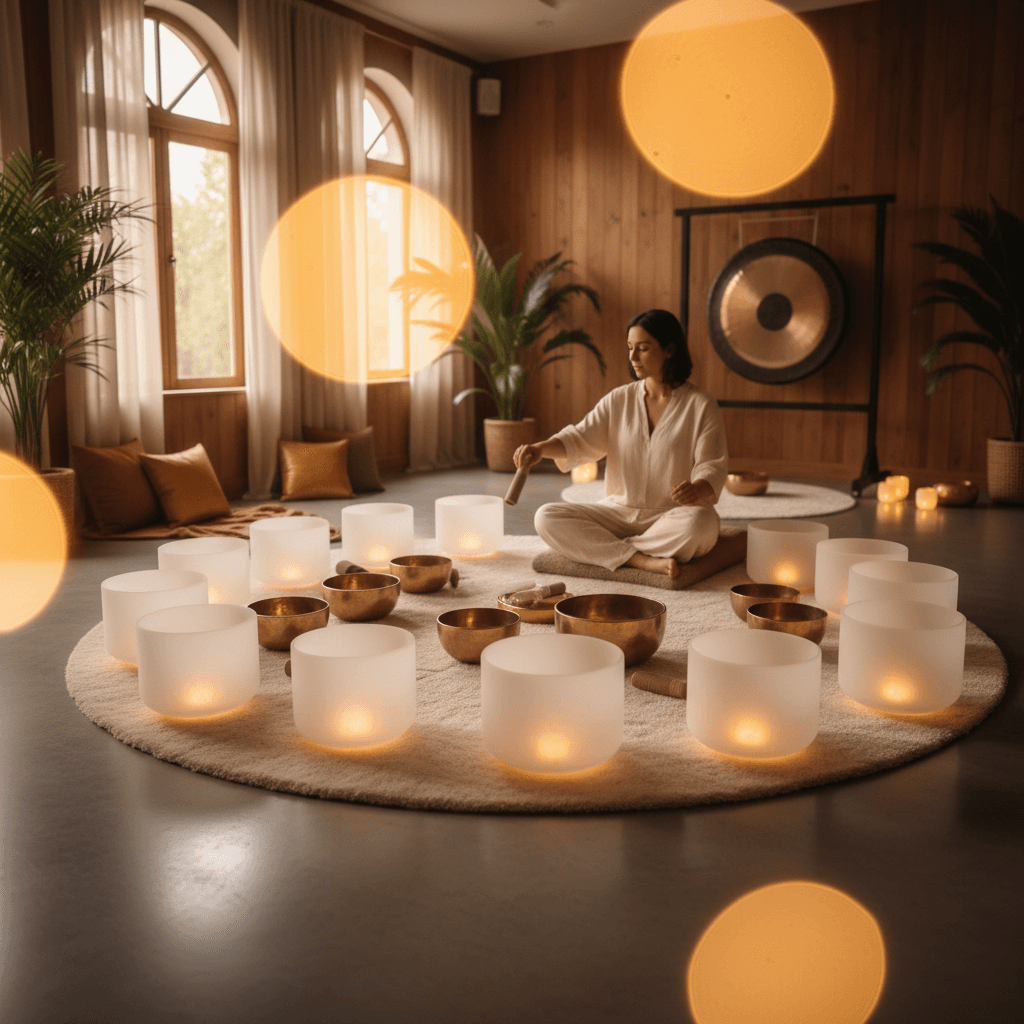
The uniqueness of the Soul Art method lies in its blend of ancient wisdom and modern scientific understanding. Larissa often utilizes a variety of instruments chosen for their specific vibrational qualities, such as crystal singing bowls, gongs, chimes, and other therapeutic instruments. While live instrumentation may not always be feasible during dialysis, the principles are applied through high-fidelity recordings and carefully designed sound programs. These are developed to evoke states of deep relaxation, nervous system regulation, and emotional balance.
Furthermore, Soul Art's approach goes beyond simply playing music. It incorporates specific frequencies and sonic textures known to promote alpha and theta brainwave states, which are associated with reduced stress, enhanced calm, and improved restorative rest. Each soundscape is an invitation to journey inward, offering a complementary path to manage the stress and discomfort often associated with dialysis. The aim is to empower patients with a tool for self-care that nurtures their inner tranquility amidst challenging circumstances.
Your Next Steps
Embracing sound wellness as a complementary practice during dialysis can significantly enhance your experience. Even if dedicated sound therapy sessions aren't readily available in your medical facility, there are actionable steps you can take to integrate calming sound into your treatment routine.
Here are a few practical pieces of advice to consider:
- Communicate with Your Medical Team: Discuss your interest in using sound or music during your dialysis sessions. They can advise on facility policies and ensure it aligns with your care plan.
- Invest in Quality Headphones: Good noise-canceling headphones are crucial to block out clinical sounds and fully immerse yourself in your chosen soundscape.
- Curate Your Personal Playlist: Experiment with different genres – calming classical music, ambient soundscapes, nature sounds, or even guided meditations. A study noted that participants who favored classical music showed greater relief, suggesting personalization is key.
- Explore Sound Wellness Apps: Many apps offer therapeutic soundscapes, binaural beats, and guided meditations specifically designed for relaxation and stress reduction.
- Consider a Consultation with Soul Art: For a truly personalized approach, a virtual consultation with Larissa Steinbach at Soul Art Dubai can help you identify specific frequencies or sound elements that resonate most deeply with your individual needs, guiding you to create your optimal healing sound environment.
In Summary
Dialysis sessions, while life-sustaining, often present significant challenges including physical discomfort, anxiety, and a diminished quality of life. Research consistently demonstrates that sound therapy, through carefully chosen music and soundscapes, may serve as a powerful complementary wellness tool. It has been associated with reduced pain during cannulation, lower levels of anxiety and depression, and an overall improvement in patient well-being.
By offering distraction, altering emotional states, and regulating the nervous system, sound allows patients to cultivate an inner sanctuary amidst the demands of treatment. Larissa Steinbach and Soul Art Dubai are at the forefront of this innovative approach, providing sophisticated, personalized sound wellness experiences designed to support profound relaxation and holistic balance. Discover the transformative power of sound and elevate your wellness journey.
Bookings Coming Soon
Soul Art is still in preparation. Session details and booking will be published here after launch.
Coming Soon
Wellness Disclaimer: This article is for educational and informational purposes only. It does not constitute medical advice, diagnosis, or treatment. Soul Art Dubai provides non-medical wellness experiences focused on relaxation, stress management, and general wellbeing. Sound wellness is a complementary practice and should not replace professional medical care.