Sound for Blood Sugar: Stress Management & Diabetes Wellness
Key Insights
Explore how managing stress with sound wellness may support blood sugar balance for individuals with diabetes. Discover Soul Art's holistic approach.
The statistics are sobering: type 2 diabetes is expanding at an alarming rate worldwide, often accompanied by a silent, yet powerful, co-conspirator – stress. Many people are unaware that the relentless pressures of modern life, particularly in bustling metropolises like Dubai, can significantly impact their blood sugar levels and overall diabetic management. But what if there was a sophisticated, non-pharmacological approach that could offer profound support?
This article delves into the intricate connection between stress and diabetes, exploring the scientific evidence that links psychological distress to blood glucose dysregulation. We will then uncover how the ancient practice of sound wellness, championed by Larissa Steinbach at Soul Art, may offer a powerful complementary tool for stress management and, consequently, support for blood sugar balance. Prepare to discover how harmonizing your inner world may hold the key to a more balanced and vibrant life.
Understanding the Interplay: Stress, Glucose, and Your Body
Stress is a pervasive challenge, acting as both a cause and a consequence in its relationship with diabetes. Research consistently highlights that stress and psychological distress play a crucial role in the development, intensification, and chronicity of diabetes. This complex interplay means that managing stress is not just about mental peace; it’s a vital component of holistic health, especially for those navigating diabetes.
Stress: A Silent Contributor to Blood Sugar Imbalance
When we experience stress, our bodies activate the "fight or flight" response, triggering the release of hormones like cortisol and catecholamines. While adaptive in acute situations, chronic elevation of these stress hormones can significantly enhance insulin resistance and increase the requirement for insulin. This physiological response can lead to elevated glucose and glycosylated hemoglobin (HbA1C) levels, making effective diabetes management more challenging. Studies have shown that individuals with diabetes often experience higher levels of stress and anxiety compared to healthy people, creating a detrimental feedback loop where diabetes-related challenges further intensify stress levels.
Beyond psychological stressors, environmental factors also play a critical role. Noise pollution, a common reality in large commercial cities, is increasingly recognized as a pervasive health hazard. Chronic noise exposure has been associated with an increased risk of conditions such as hypercholesterolemia, adiposity, and the development of type 2 diabetes. This type of stress can lead to a dysregulated hypothalamo-pituitary-adrenal (HPA) axis activity, resulting in high corticosterone levels that appear to blunt the action of insulin in peripheral tissues, thereby limiting glucose uptake and glycogen deposition. Fortunately, these adverse effects may be reversible after a period of withdrawal from the stress factor, underscoring the importance of creating serene environments for stress reduction.
The scientific consensus is clear: chronic psychosocial stress may sustainably worsen glycemic control in patients with type 1 and type 2 diabetes, promoting diabetes complications. This is often due to the long-term accumulation of stressful life events or exposure to persistent difficulties. Many studies have established a positive correlation between chronic psychosocial stress and HbA1c levels, indicating that stress management is not merely beneficial, but potentially essential for improving long-term glycemic control.
The Potential of Sound and Mind-Body Practices
The good news is that stress management techniques have consistently demonstrated their effectiveness in helping patients control their blood glucose levels. This, in turn, can prevent long-term complications of diabetes, such as diabetic foot ulcers and blindness. Even a modest reduction in HbA1c levels, such as a 0.5% decrease, can be clinically significant.
Mind-body practices, including meditation, qigong, yoga, and mindfulness-based stress reduction, have emerged as powerful tools. A groundbreaking study, the first to analyze a range of these practices, revealed that all modalities led to significant reductions in blood sugar levels. Taken as a whole, mind-body practices averaged an 0.84% reduction in hemoglobin A1c. Notably, yoga, the most studied modality, provided the largest benefit, approximately a 1% reduction in hemoglobin A1c. This magnitude of benefit is particularly surprising, considering that metformin, a commonly prescribed diabetes drug, reduces HbA1c by 1.1% on average in people with type 2 diabetes.
This research indicates that these practices can achieve significant reductions in blood sugar levels on top of the reductions participants were already getting from medication. Meditation specifically has been found to give benefits for people with diabetes, improving post-meal blood glucose levels and reducing plasma cortisol, which enhances glycemic control. Music interventions, too, show immense promise, with studies demonstrating their impact on reducing blood sugar, heart rate, glucose levels, and overall stress. The evidence suggests that incorporating specific music or sound practices could further curtail these symptoms, offering a complementary nonpharmacological treatment and even a preventive measure.
"The harmony we seek in the external world often begins with the quiet resonance we cultivate within ourselves. For those navigating the complexities of diabetes, finding that inner calm is not just solace, but a vital part of balance."
These findings are crucial because they suggest that cost-effective, group-based stress management programs can result in clinically significant benefits for patients with type 2 diabetes in a "real-world" setting. They offer a powerful avenue for complementary support in managing diabetic conditions through holistic approaches that address the root cause of stress-induced physiological responses.
Harmonizing Your System: The Experience of Sound Wellness
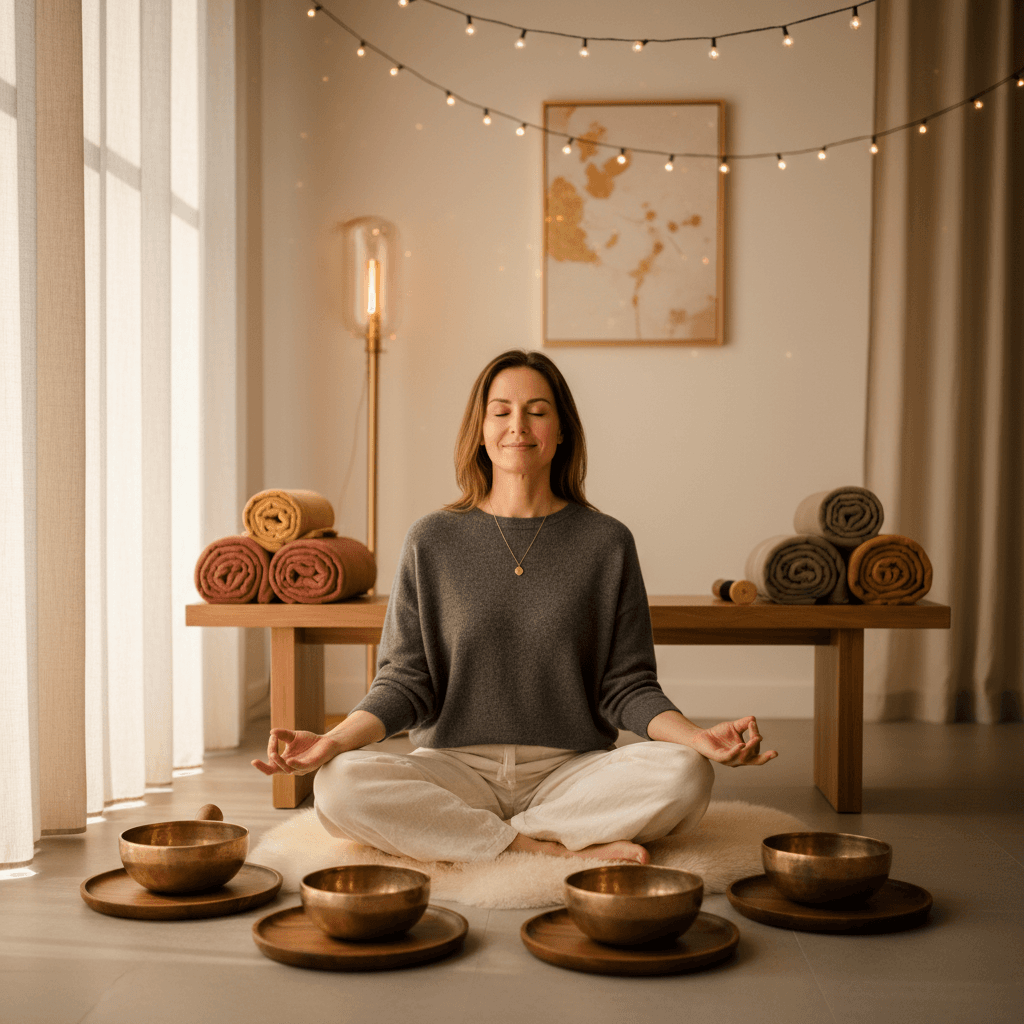
Stepping into a sound wellness session is an invitation to profound relaxation and a journey into sensory awareness. The experience transcends mere listening; it is a full-body immersion. Clients typically recline comfortably, allowing the intricate tapestry of sounds and vibrations to wash over them. These aren't just pleasant melodies; they are carefully chosen frequencies designed to guide the body and mind into a state of deep calm.
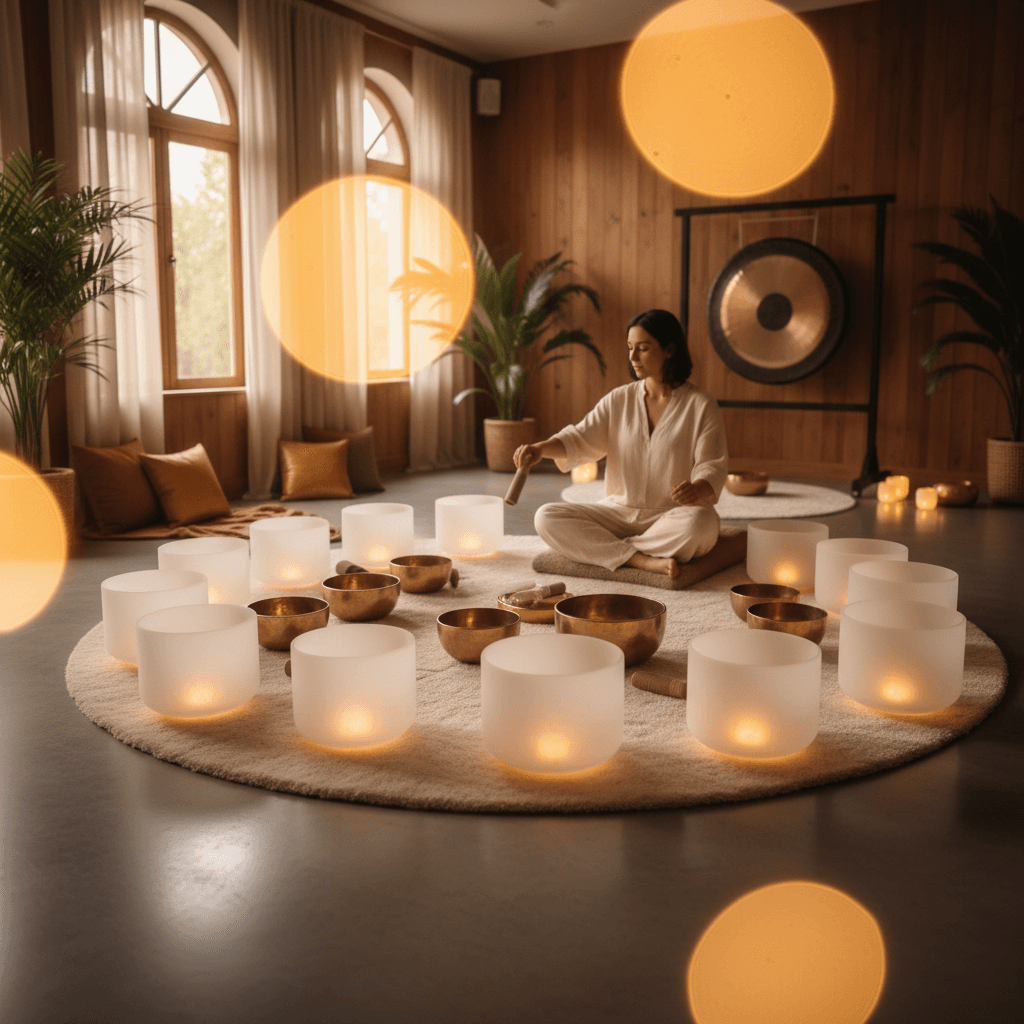
As the resonant tones of gongs, singing bowls, and other instruments fill the space, the body begins to respond. The sustained vibrations gently permeate tissues and cells, encouraging a subtle yet powerful shift within the nervous system. This sensory input often triggers the parasympathetic nervous system, the body's "rest and digest" mode, which actively counters the chronic stress response. When the parasympathetic system is engaged, the production of stress hormones like cortisol naturally begins to decrease.
Clients often describe feeling a profound sense of peace and a release of pent-up tension during and after a session. The mind, often racing with worries about blood sugar levels, daily stressors, or future health concerns, finds a quiet stillness. This mental calm is more than just pleasant; it has tangible physiological benefits. By reducing the overall stress load, sound wellness may support the body's ability to manage glucose more effectively and promote better sleep, which is critical for hormonal balance and metabolic function.
The experience is deeply personal, yet universally beneficial in its ability to foster a state of deep relaxation. Many people report improved sleep quality, reduced anxiety, and a greater sense of emotional balance, all of which contribute positively to overall well-being and, indirectly, to metabolic health. The gentle rhythms and harmonies create a sanctuary where the body can rest, repair, and recalibrate.
Larissa Steinbach and the Soul Art Difference
At Soul Art in Dubai, Larissa Steinbach has cultivated a sanctuary for transformative wellness, grounded in both ancient wisdom and contemporary scientific understanding. Her approach to sound wellness is not merely an aesthetic experience, but a meticulously crafted methodology designed to address the intricate connections between mind, body, and spirit. Larissa understands that true well-being stems from a holistic balance, and her sessions are tailored to support individuals in achieving this.
What makes the Soul Art method unique is its profound commitment to creating an immersive and deeply personal experience. Larissa integrates a diverse array of sacred sound instruments, each chosen for its specific vibrational qualities and therapeutic potential. Himalayan singing bowls, with their rich, sustained tones, create resonant frequencies that can penetrate deep into the body, promoting cellular relaxation. Powerful gongs generate expansive soundscapes that encourage profound states of meditation and release. Delicate chimes and tuning forks introduce subtle frequencies that may help to rebalance energy fields and soothe the nervous system.
Larissa's expertise lies in her ability to intuitively guide these sound journeys, adapting them to the needs of her clients. She views sound as a powerful vehicle for stress reduction, emotional release, and energetic realignment, all of which are critical components for supporting metabolic health. The tranquil, carefully designed environment of Soul Art further enhances the experience, providing a serene escape from the bustling city. Here, clients are invited to shed external pressures and reconnect with their inner equilibrium, an essential step in managing conditions like diabetes through a complementary wellness lens.
The Soul Art approach emphasizes that while sound wellness is not a medical treatment, it serves as a powerful complementary tool for stress management. By fostering deep relaxation and reducing the physiological impact of stress, it may create an optimal internal environment where the body's natural systems, including those responsible for blood sugar regulation, can function with greater ease and balance. Larissa’s vision is to empower individuals to reclaim their vitality and embrace a more harmonious way of living, making Soul Art a unique destination for those seeking profound well-being in Dubai.
Empower Your Wellness Journey: Simple Steps
Integrating stress management into your daily routine is a proactive step towards supporting your overall well-being, especially when managing conditions like diabetes. While professional sound wellness sessions offer deep immersion, there are simple practices you can start today to cultivate inner calm and potentially support blood sugar balance. Remember, these are complementary wellness practices and not substitutes for medical advice or treatment.
Here are some actionable steps you can implement:
- Mindful Breathing Breaks: Take 5-10 minutes multiple times a day to simply focus on your breath. Deep, slow breaths can quickly activate your parasympathetic nervous system, helping to lower stress hormones and promote relaxation.
- Integrate Gentle Sound: Listen to calming music or nature sounds for short periods throughout your day. Even 10-15 minutes can shift your mood and create a more serene internal environment.
- Mindful Movement: Incorporate gentle activities like walking, stretching, or slow yoga. Physical activity, combined with mindfulness, can be a powerful stress reducer and may support glucose metabolism.
- Prioritize Quality Sleep: Create a relaxing bedtime routine to ensure sufficient restful sleep. Consistent, good-quality sleep is fundamental for hormonal balance, including those that influence blood sugar regulation.
- Hydrate Thoughtfully: Ensure you are well-hydrated throughout the day. Water is essential for countless bodily functions, including metabolism.
These simple, consistent efforts can collectively contribute to a more balanced internal state. For those ready to explore deeper levels of relaxation and stress reduction, a professional sound wellness experience at Soul Art with Larissa Steinbach offers a unique opportunity to immerse yourself in healing frequencies and rediscover profound inner peace.
Embrace Balance: Your Path to Enhanced Well-being
The intricate relationship between stress and blood sugar is undeniable, significantly impacting individuals living with diabetes. However, the scientific evidence increasingly points towards stress management as a powerful, complementary tool for supporting blood glucose balance and reducing long-term complications. Mind-body practices, including the profound modalities of sound wellness, offer a sophisticated pathway to achieving this vital equilibrium.
At Soul Art, Larissa Steinbach provides a tranquil haven where the ancient power of sound meets modern understanding. Through carefully crafted sessions, Soul Art offers an opportunity to significantly reduce stress, promote deep relaxation, and support your body's innate ability to find balance. Embracing sound wellness is an investment in your holistic health, helping you navigate the complexities of life with greater calm and potentially fostering better blood sugar management. Discover the transformative power of frequency and step into a life of enhanced well-being.
Bookings Coming Soon
Soul Art is still in preparation. Session details and booking will be published here after launch.
Coming Soon
Wellness Disclaimer: This article is for educational and informational purposes only. It does not constitute medical advice, diagnosis, or treatment. Soul Art Dubai provides non-medical wellness experiences focused on relaxation, stress management, and general wellbeing. Sound wellness is a complementary practice and should not replace professional medical care.